Contents of Warsame Digital Media WDM are the most reliable critical analysis and commentaries on Somalia’s current affairs, based on independent observers outside subscribers. Why don’t you get connected to this free media? Supporting competent independent media is part and parcel of resolving governance problems in this troubled country.
In another take,
Warsame Digital Media is notifying all our subscribers, who didn’t submit their Annual Subscription Fees yet, that we are about to close the books for the year. Kindly send your fees before being cut off from the network.
Warsame Digital Media podcasts and articles are now by subscription only. Please use Sahal or Taaj to send WDM your Annual subscription Fee of US $37. You can send send it to 252 90 703 4081. You can also pay at PayPal at ismail.warsame@yahoo.ca using credit or debit cards as you can also use Amal MyCash at 252 71 681 4371 under Warsame Digital Media.
Please send us your WhatsApp number so that you all receive WDM articles and podcasts directly to your phone on the go.
Ethiopia has been left out in Somali President’s Blitzkrieg diplomatic offensive in Somalia’s neighbors. It is not yet known whether Ethiopia was reluctant to receive him, given the security instability in that country. However, there is no disagreement on the cooling off of relations with Hassan Sh. Mohamud”s presidency, knowing his predecessor, Farmajo, enjoyed close ties with previous Ethiopian leadership. Mohamud had had warm relations with TPLF Regime and even attended TPLF’s festivities in Makele, the provincial capital of Tigray, during the reign of TPLF. TPLF leadership were among the first to congratulate Mohamud on his presidential victory for a 2nd term this time. Mohamud lost no time to appoint Hamse Abdi Barre considered an Ethiopian because Ethiopia assumes he hails from Ogaden Region under Ethiopian administration, a historically disputed territory mainly inhabited by ethnic Somalis. Already, there is an escalation of violence and armed confrontation between Alshabab fighters and Ethiopian forces at long stretch of border between the two countries, with likely possibility of Ethiopian incursion into Somalia in hot pursuit.
Nile waters is synonymous to the existence of Egypt itself as they believe that Egypt cannot be without Nile River flowing to the desert and oasis of that country. Because of this natural and geographical fact, strained relations between Somalia and Ethiopia are in the vital interest of Egypt, making Somalia an strategic asset for Egypt in the same way Israel is for the United States in the Middle East. Hassan Sheikh Mohamud may be playing with fire in paying an early visit to Egypt, while he still doesn’t have his foreign policy team in place. It is too early to do that before weighing Somalia’s foreign policy options. Mohamud’s current visit to Egypt doesn’t even look like a calculated risk. Here, we see a lone president without a Cabinet sailing in troubled waters. Somali observers worry that the President may risk diplomatic blunders even before his government took office.
There are five things that make the residents of Puntland State troubled now:
Severe drought, following failure of two consecutive seasons;
Unprecedented inflation. Skyrocketing prices beyond the reach of ordinary people;
Impending violence and armed confrontation to follow current military standoff in the Port-city of Bosaso. Keen observators notice slow preparations for war to resolve leadership contest between Puntland State leadership, particularly the President, on one side, and the revolt and mutiny led by PSF/Boqor Burhan of Bari Region, on the other. Each side sees no alternative to fighting it out, an unprecedented development, given the fact that Puntland regions were famous for traditional mechanism for conflict resolution. This is caused by the fact that neither side recognizes the other for its leadership role. Hence, many residents see no way out of Bosaso standoff, with increased likelihood of violence, displacement and great harm to Puntland peace and Stability ;
Stalled municipal elections, following the win of opposition parties in the poll in all three pilot elections in the districts of Uffayn, Qardho and Eyl in a back-to-back setting with the Federal Elections. This has been further exacerbated by the defeat of Puntland President, Said Abdullahi Deni, in the Federal Presidential Race in Mogadishu. Stalled elections in Puntland is another dangerous layer of instability.
Titled traditional elders have been steadily losing their moral authority as they melted into political sides at all levels of Somali administrations – thus the demise of traditional SELF-GOVERNMENT known for this part of Somalia.
Puntland House of Representatives is now showing signs of life to challenge the Executive Branch after two decades of slumber. Observers say it is too little too late. Nevertheless, it is never too late to save what remains of Puntland. Good luck!
Recently I bought a few cans of green beans from a seemingly premium grocery shop in Garowe. Shortly after, I removed the label paper from one of the cans bought to find out the container is covered by rust. You can guess it was dangerous goods not even fit for animal consumption.
I do recall that Puntland State had had all laws in place, mostly issued by the First House of Representatives from 1998. Moreover, Puntland Constitution stipulates that, in the case that there were no particular Puntland legislation, the State draws it from 1960 Somali Constitution.
Under Puntland municipality laws, expired and banned products shouldn’t be on sale. Markets, shops, groceries and restaurants are subject to regular checks for violations. These are all drawn from public policy, evaluation and implementation. Does Puntland have Publicpolicy?
Under existing Puntland laws, there are huge industrial products banned to import through ports of entry. A plastic bag is among them, for example. These laws are collecting dust in the shelves of Puntland public institutions. One cannot export breeding herds as well as sick ones to protect our livestock markets. The list of banned import/exports is long and exhaustive. They require enforcement and seriousness to protect public health. Sometimes, one is tempted to ask the question: Whose countryis this? Remember, Somali State had failed in 1991 when no one could claim it during the reign of General Siyad Barre. Every national used to wake up in the morning and hit the road to steal, loot and bribe for their own selfish gains until the whole public system had collapsed. Have we learned anything?
Same forces are involved in this violence. External political forces are added to the mix and initiated this confrontation. The State President is absent from the scene of action. Puntland officials were caught by surprise, they reported- no prior information was available to them on the trip of a Federal delegation to Bosaso. At least 16 persons have lost their lives in the crossfire, according to preliminary reports. Bari traditional elders complain about turning away airborne federal officials from Bosaso Airport and aid handouts they were carrying, instead of lives lost in this renewed violence in Bosaso. Nobody is talking about the existence of rogue Puntland forces there. Puntland State political uncertainty continues. This looks like waning days of Garowe Regime. Inside observers are worried and extremely concerned about Puntland Stability.
Various sources of information including satellite imagery now suggest this increased partnership may be starting to take shape. In this blog post, I will summarize some aspects of the relationship between the United States and Somaliland and explain why I think this cooperation may be taking shape.
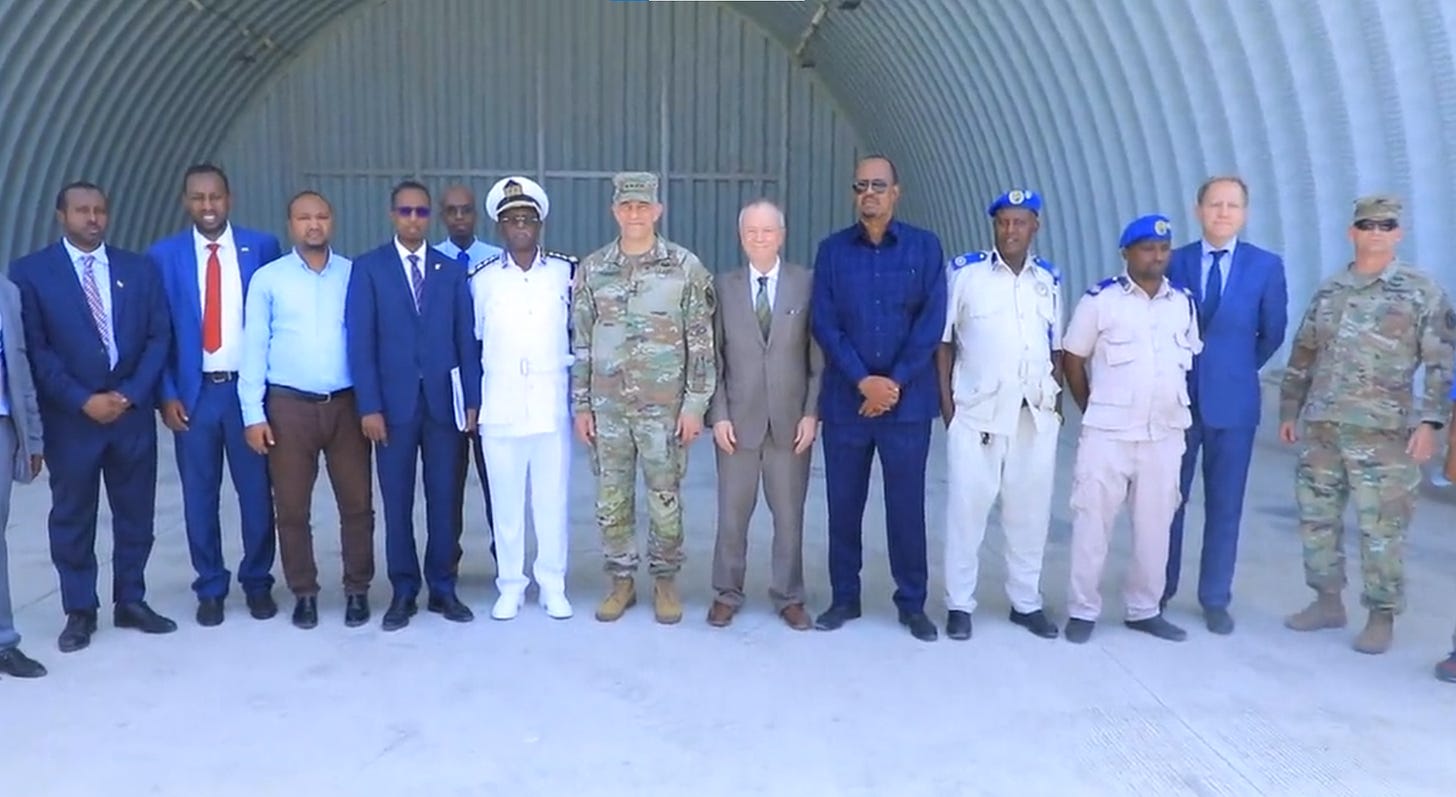
Americans and Somalilanders inside an aircraft shelter at Berbera Airport, Somaliland, 12 May 2022. In the middle are U.S. Army Gen. Stephen Townsend (camouflage uniform) and Larry E. André Jr. to his right. Video capture.
US AFRICOM, Berbera and Somaliland
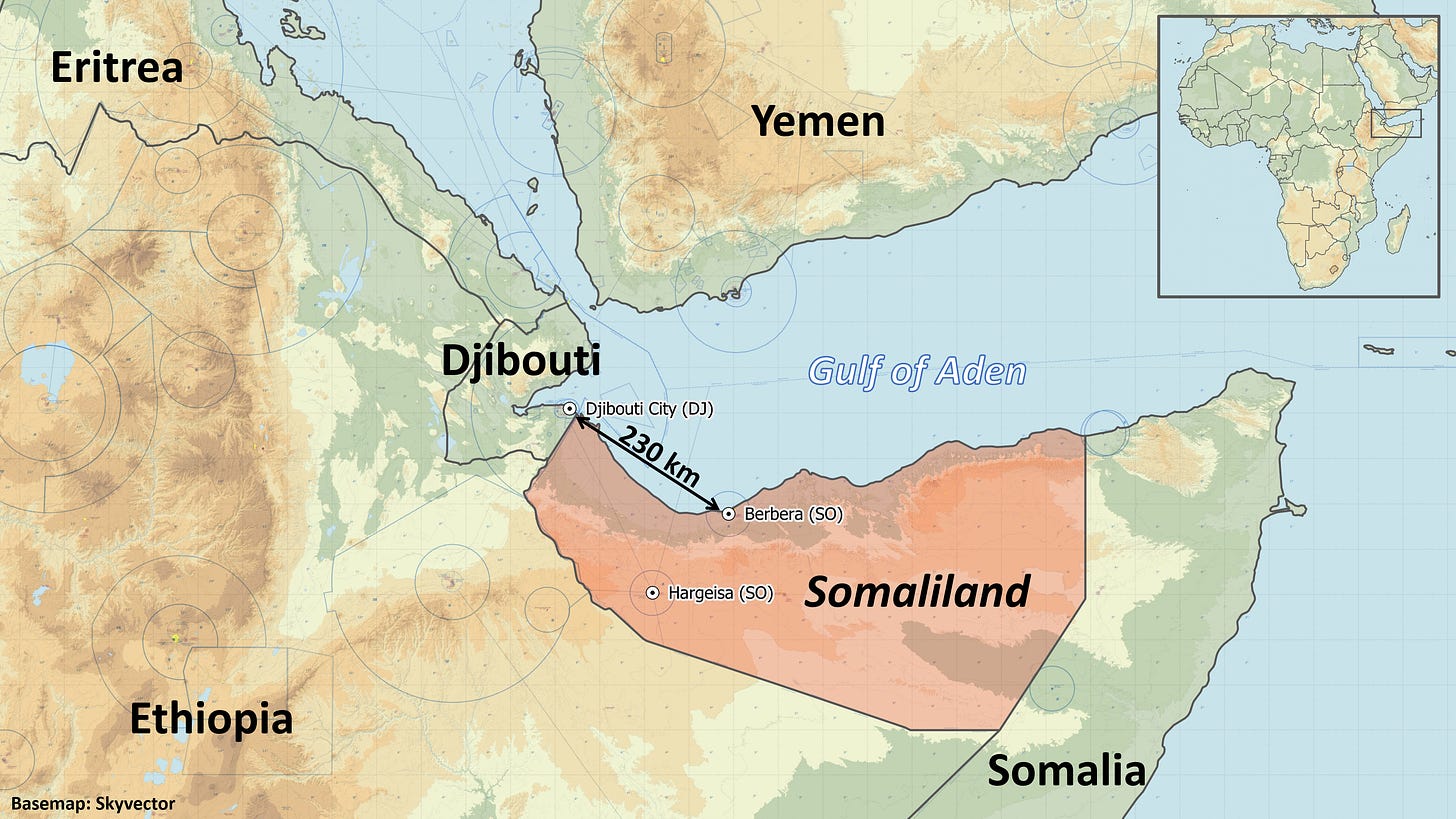
Overview of Somaliland, Somalia, Djibouti and the Gulf of Aden.
31 years ago, Somaliland broke away from Somalia and claimed independence. Even though it is a de facto state, independence was never recognized by the international community, including the United States.
According to Foreign Policy, a Somaliland delegation visited the United States in March 2022, lobbying the United States to recognize Somaliland. Although Washington made clear they were unwilling to recognize their independence, they did signal that they would like to deepen ties with Somaliland.
On 12 May 2022, a United States delegation visited Somaliland’s capital city Hargeisa, followed by a visit to Berbera, located on shores of the Gulf of Aden. I previously looked into this visit to Berbera. Besides a description of the visit, the thread attached to the tweet below contains more information about the history of the airport, so just click on the post in order to read it.
On the day of the visits, a United States Marine Corps (USMC) KC-130J reg. 169533 was tracked flying over Somaliland, including a landing and take-off at Berbera. This same KC-130J can also be seen in video footage made at the airport.
According to US AFRICOM, the meetings focused on “mutual benefits from closer U.S. cooperation with Somaliland authorities”. They add that a cooperation between “[US] AFRICOM and Somaliland’s military and coast guard will advance shared interests in regional stability, protecting vital trade routes”.
A BBC article summarizes some of the reasons why Berbera is of interest to the United States. First and foremost the airport is located on the shores of the Gulf of Aden, a major shipping route. Furthermore, it “is close to some of the world’s most unstable places, including Yemen, Somalia and Ethiopia, which has been a key US ally in the ‘War on Terror’ but is now wracked by internal conflict.”
The United States currently have a large military presence at Camp Lemonnier, which is located just south of Djibouti–Ambouli International Airport in Djibouti, sharing a runway. According to US AFRICOM, Camp Lemonnier “provides, operates and sustains superior service in support of combat readiness and security of ships, aircraft, detachments and personnel for regional and combatant command requirements; and enables operations in the Horn of Africa while fostering positive U.S.-African Nation relations”.
In recent years, Djibouti has seen an increased presence of Armed Forces from around the globe, including Japan, France, Italy and most importantly China: a Chinese Naval Base is located only about 10 km from Camp Lemonnier. In 2018, there were multiple instances of Chinese lasers interfering with U.S. military aircraft.
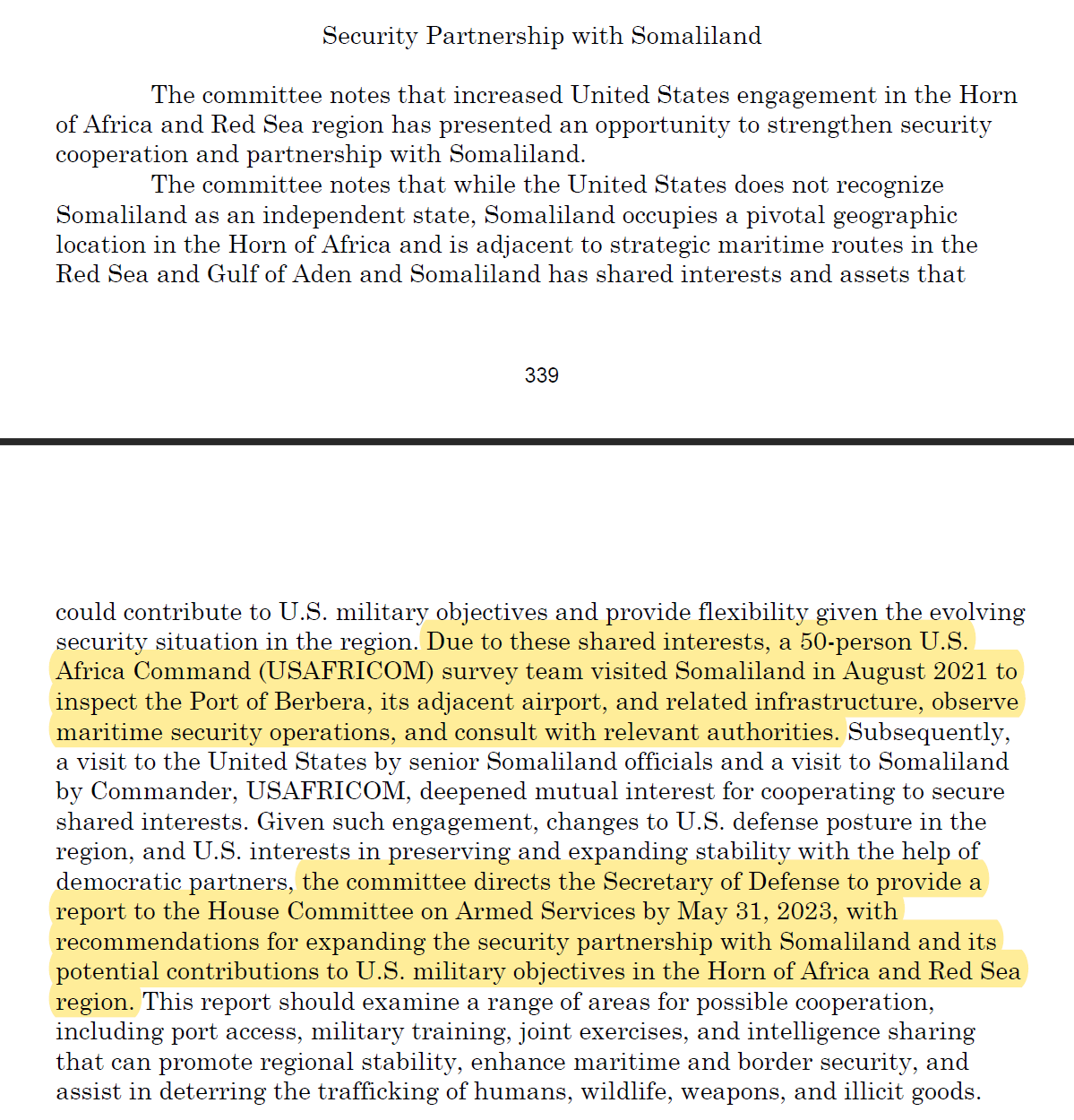
Berbera is located about 230 km southeast of Djibouti, and would offer more space and privacy for United States military operations. The United States already recognized the benefits of Berbera in 2021: In Aug 2021, a 50-person US AFRICOM survey team visited Berbera for inspection and “consult[ing] with relevant authorities”, a recent (Jun 2022) United States National Defense Authorization Act (NDAA) report states. In Dec 2021, a U.S. Congress delegation also visited Somaliland, including Berbera.
According to this recent NDAA report, the U.S. Secretary of Defense should provide a report containing “recommendations for expanding the security partnership with Somaliland and its potential contributions to U.S. military objectives in the Horn of Africa and Red Sea Region”. This report is to include “a range of areas for possible cooperation, including port access, military training, joint exercises, and intelligence sharing that can promote regional stability, enhance maritime and border security, and assist in deterring the trafficking of humans, wildlife, weapons, and illicit goods”
From all of this, it becomes very clear that the United States is showing great interest in Berbera Airport.
Recent developments
According to a Berbera News report dated 04 Jul 2022, American troops have taken full control of security at the airport. According to the report, all Somaliland staff has been sent on a 12-day holiday, and “the UAE official1 at Berbera Airport returned home”. They add that “a number of military planes” landed at Berbera on 03 Jul 2022, followed by “a large number of US planes” on 04 Jul 2022.
I have not yet been able to find evidence that these flights did actually take place. It is possible that U.S. Military aircraft would not be using ADS-B, or not even using Mode-S, for the short flights from nearby Camp Lemonnier to Berbera. This would make the flights invisible to the general public.
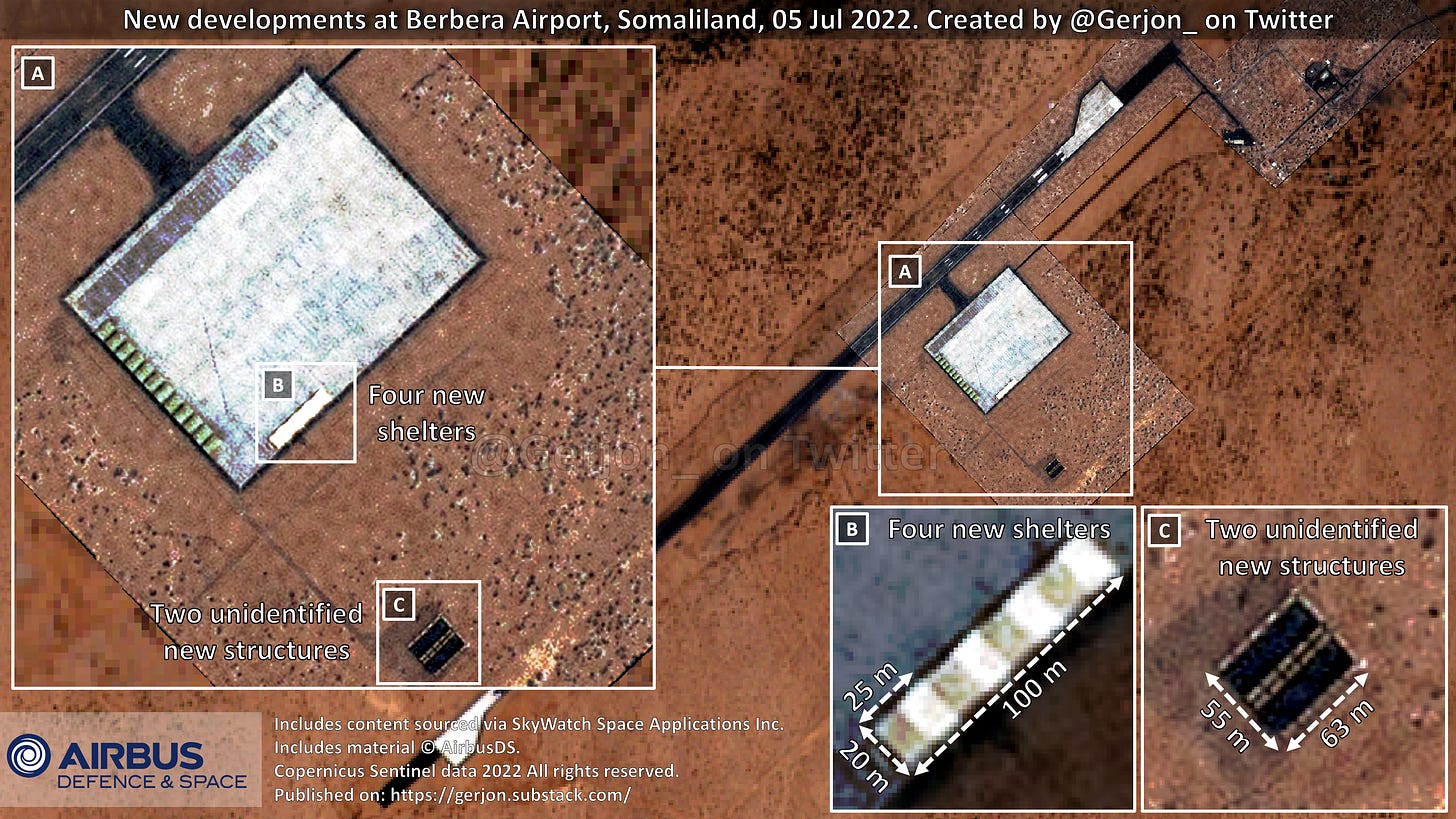
However, there are indeed signs for recent activity at Berbera Airport. Sentinel-2 satellite imagery shows that something was constructed on Berbera’s main apron in the period following 21 Jun 2022.
A closer look at this structure (using SPOT satellite imagery, dated 05 Jul 2022) reveals that this consists of four shelters or canopy buildings, perhaps similar to those of HTS Tentiq, each at a size of 20 x 25 m, or 20 x 100 m in total. Two more new and unidentified structures are located some 300 m further Southeast.
At this point in time, it remains unclear by whom and for what purpose these structures were created. However, they first appear around the same time American presence at Berbera Airport was confirmed.
Conclusions
The United States and Somaliland are developing increasingly close ties. These ties are relevant to Somaliland in their strive for international recognition of their independence. The United States on the other hand may be looking for a new base on the shores of the Gulf of Aden, to serve as a potential future alternative for the increasingly crowded Djibouti–Ambouli International Airport and Camp Lemonnier.
In the past week, unconfirmed news reports claim multiple flights to Berbera Airport and claim American presence at Berbera Airport. These claims have not yet been proven. However, they do coincide with newly developed structures identified at the airport, seen on satellite imagery. At this point in time, it remains unclear why and by whom these new structures were developed.
Future updates about Berbera Airport will be posted on my Twitter and on this blog. Various Twitter followers have notified me that they no longer see my tweets pop up in their feeds. Therefore please subscribe to this blog using the button below to make sure you don’t miss my future work.
Although my investigations take up most of my free time, all of this work is fully unpaid. Also subscribing to and reading my blog is free of charge.Subscribe
SLOW UNFELT POLITICAL CHANGES IN SOMALIA TAKING ROOT
In Mogadishu, the capital, one would note a fledgling government in operation with Villa Somalia 🇸🇴 receiving foreign dignitaries, rudimentary public institutions taking shape, world diplomatic community bringing their credentials to a Somali President. Federal Member States seem to be recovering from the onslaught of Farmajo regime and Houses of Parliament, the Upper House, in particular, has gained constitutional recognition following the fall of Nabad & Nolol anti-federalism campaign.
Despite population pessimism and cynicism that things are getting worse, one could say that there is a light at end of the tunnel that Somalia’s better days are ahead and coming up.
Somalia shares some problems with the rest of world like high energy prices and shortages of food and bottle-necks in supply chain. Severe drought is the most concern now due to failure of successive rainy seasons, combined with centuries old poor management of livestock resources and uninnovative nomadic existence of the bulk of Somalia’s population. Environmental degradation is one of the biggest calamities Somalia faces today. It is mostly man-made and partially out of ignorance and lack of protection. This has to change.
Absence of work ethics and lack of understanding of putting work hours into everyone’s daily business is another chronic issue in the way towards progress in this country. Trying to short-cut required hard work is another critical issue. Encouraging and learning the skills needed here for Somalia’s self-reliance is fatally absent. Somalia has become a Gulf state without the power of petro-dollar in terms of native population’s disability to fully participate in nation-building. Here national leadership to inspire the nation into reaching new heights towards progress is badly needed.
I think the reason is more out of traditions than personal convictions. For example, the New Year Eve is more celebrated in Europe, particularly in Russia and East European countries than their own respective national days, while Christmas 🎄 Eve is the day to look for by all family members in Western Europe and the Americas. But, that doesn’t mean that they put less importance to national days
Here in Somalia, since the overthrow of the civilian government by the Military in 1969 and rise of Islamist and secessionist groups, national holidays like the Independence Days of June 26 and July 1st are slowly fading in significance in the minds of the general public. The unilateral declaration of secession by Somalia’s North West Regions plays out in this mix. Instead, religious celebrations are becoming the only unifying factor, along other Islamic countries, marking these dates not only in faith, but also in continued tradition. When any nation collectively succeeds in the removal of foreign colonial yoke, gratitude to Allah is as important as repentance. If someone is not noting personal or national successes, certainly he or she isn’t appreciative of the blessings of Allah – and this could be interpreted as less faithful.
In the case of Somaliland, not marking June 26 would mean ignoring the sacrifices by hundreds of thousands of its people who fought against British repressive forces in Hargeisa, Berbera, Burco and other towns in the North West Somalia. It is extremely unfair not to acknowledge those who lost their lives to gain their freedoms from a colonial power, which was on the brink of even ceding Hargeisa and Zeilac like Haud and Reserved Area to the Emperial Ethiopia just before Independence. Unfortunately, today in Somaliland there are quite a few, who feel nostalgic about old colonial days of occupation as a result of indoctrination against Somali unity. Bad and unwise leaders bring about similar legacies.
Elections have consequences, and this is true to Puntland State as well. The defeat of President Said Abdullahi Deni in the recent Somalia’s presidential race in Mogadishu had impacted negatively not only on the president, but also on the entire Puntland administration and political system as a whole, including the planned one person one vote forecasts, whereby there is diminished political will to go ahead despite the pronouncements that he was committed to implementing the project of holding municipality elections.
Although President Deni has never been accused of being open to the general public and even to members of his own administration in his closed poor policy of running Puntland affairs, he is now more isolated than ever before. Nobody knows what he has been doing lately, other than he was often traveling overseas solo without any prior public announcement and any attempt to justify his over-rated trips to foreign cuntries, in particular, to Dubai and Nairobi.
Members of Puntland Cabinet are as disillusioned as the general public.The representatives of the House of Puntland Parliament are restless nowadays, only to reject the submitted list of the composition of Puntland Supreme Court by the President. The list was intended to fill in a long-time existing vacuum in Puntland judiciary. The President has used veto, however, to override the House Resolution by re-submitting the same list to the House to reconsider it at next session.
Political opposition in Puntland is slowly getting assertive following the defeat of Deni in the Federal elections, including the betrayal by his own hand-picked and funded MPs from Puntland and Jubaland.
There is anxiety and political uncertainty now in the State that worries everyone. To get out of this dilemma, Puntland political elites must get serious to embark upon political path of democratization and general elections as the only remaining option to govern.
They say democracy dies in the darkness. It is equally true democracy suffers from demagoguery. Nowadays, a trend sets in Somali politics. It is NewsBlackout and subsequent public confusion as a result of a situation whereby the general public is kept in the dark on what is happening in their government. This confusion led to disappointment and loss of hope for the future for most Somalis. Man, by nature, thrives on hope for better days to come. Despite the prevailing difficulties in his life, he keeps struggling if he knows steps are being taken to improve his plight.
Strangely, there is a dangerous political culture Somali politicians are learning from Farmajo Regime: AbsoluteNewsBlackouts on running public affairs and occasional demagoguery speeches. This means no transparency and accountability in public affairs. It is an artificial creation of despair and disillusionment in the minds of the general public. It is a removal of better tomorrow from the public psychology and discourse. It is the beginning of social decay and dystopian situation.
If the successors of Mohamed Abdullahi Farmajo were to salvage the situation from getting even worse, they have to act fast to unlearn Farmajo’s ways in public policy, and get real with the Somali public in transparency manners that incite and inspire people in their bitter struggle for better future.
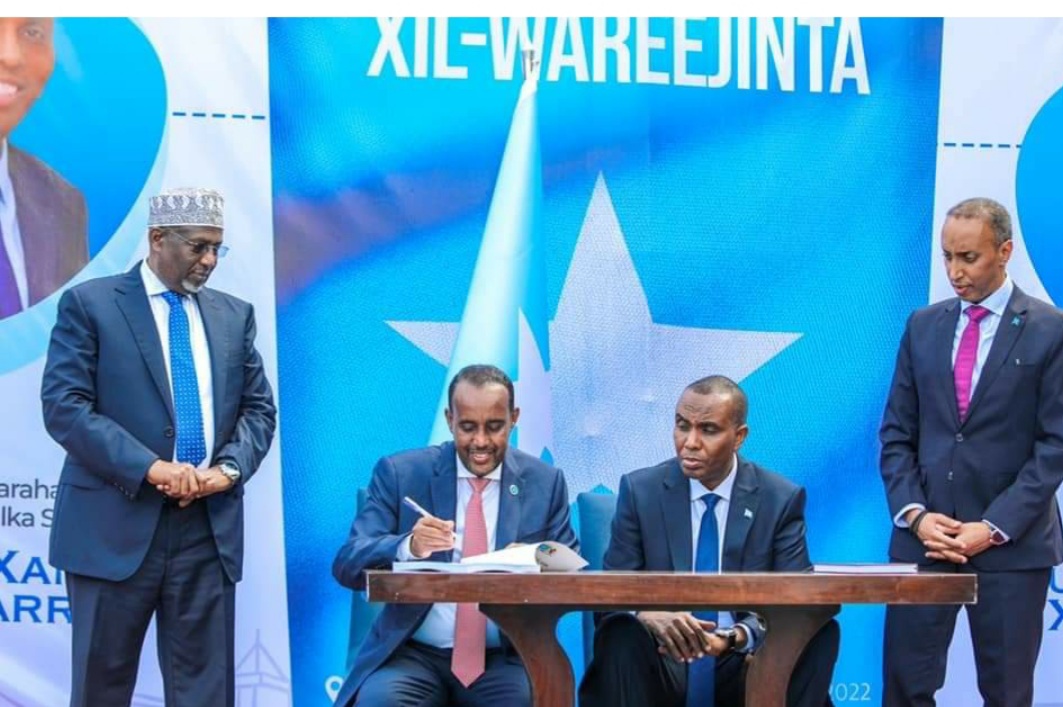
(Feature picture: In the absence of the President due to sickness or incapacity to perform his duties, the Speaker of the Lower House acts as the President in overseeing the installation of the New PM, Hamse Abdi Barre.)
Retrospectively, Prime Minister Hamse Barre has been an incompetent executive, but an effective enabler of President Hassan Sheikh Mohamud‘s (HSM’s) unconstitutional grab of all powers of the Executive Branch of the Somali Federal Government. Many were surprised when HSM appointed him on June 14, 2022, for reasons he only knew. But setting a historical precedence similar to Farmajo’s appointment of Hassan Ali Khayre wasn’t one of his reasons. What people didn’t know at the time was that Hamse was a decoy to musk Mohamud’s Dambul-Jadid‘s grand plan of HAG (Hawiye Action Group) agenda on avenging their historical grievances against Daroods.
This WDM editorial below under the above title was written after HSM had appointed Mr Barre. Ogaden Somalis received this editorial negatively at the time for emotional tribal reasons. They didn’t get it. We hope they read it differently today. Take a look:
WDM EDITORIAL
Historically and constitutionally, any person of Somali origin enjoys equal citizenship rights in Somalia. Equally, Ethiopia and Kenya consider any person of Darood/Ogaden subclan a citizen in each of their respective country. So, Prime Minister Barre, by virtue of his new position in his own country, automatically creates a bit of complications in their diplomatic and political relationships with neighboring Somalia.
It is worthnoting also to refer to former Somali President, Mohamed Abdullahi Farmajo, who couldn’t visit USA as Head of State of a foreign country with the full protection of diplomatic immunity as he was a US citizen. Accordingly, Farmajo was reported to have abandoned his US citizenship to visit America as a Somali President.
To avoid such potential strained relations with Kenya and Ethiopia, on top of already intractable disputes, historical conflict and violence, successive Somali regimes didn’t appoint or elect an Ogaden man to such highly visible position as Chief Executive.
While one may commend President Hassan Sheikh Mohamud for having made this decision in appointing Prime Minister Hamze Barre, someone may also be tempted to raise the question on whether he did due diligence to improve relationships with Somalia’s neighbors, given the historical burdens between Somalia, Ethiopia and Kenya.
Whatever the consequences of Mohamud’s appointment, all Somalis congratulate the New Prime Minister and wish him well.
Free press is a rarity in many countries, including Somalia. What is peculiar in some countries like Somalia is an additional self-censorship in favor of emotional bias involving sectarianism, tribalism and political factionalism.
Warsame Digital Media WDM
(https://ismailwarsame.blog) is committed to clear out this clutter and present unbiased and balanced critical analysis on socio-political situation in Somalia and the Sub-region.
To keep the service going as a free press without fear or favor, we need your help with annual subscription. Send your Annual Subscription of $37 to Sahal Account at 252 90 703 4081 or EVCPLUS at 252 611588 388.
All are kindly requested to renew their Annual Subscriptions.
Mr President, Ministers and Members of the Parliament
I thought that public relations are important component of public affairs. An attempt to reach out to the office of the President by the members of the general public cannot be discarded as routine modus operandi of the Presidency.
Since Military Regime of 1969-1991, and throughout Transitional Governments of Post-Civil War, Somali Members of the Parliament were more rogue elements in the State than genuine representatives of their respective constituencies. This is the main reason for mal-administration, corruption and bankruptcy of intellect and initiatives in Somalia.
The public is full of ideas as well as concerns to address issues of public interests. Some are looking for opportunities to contribute to nation-building. Still others are thinking of how to join campaigns for national reconstruction. Are these issues fall into areas of your Excellencies’ interests? If so, think of creating public affairs section in each portofolio of the government and Parliament. It is an office ran by one officer with an assistant attached to each ministry and offices of the House Speakers reporting to a designated officer agreed upon. Correspondences by the members of the general public to offices of the government at levels shouldn’t be ignored to avoid harming the public image and perception of the government.
All the best, Ismail H. Warsame Tel: +252 90 703 4081 Email: ismailwarsame@gmail.com
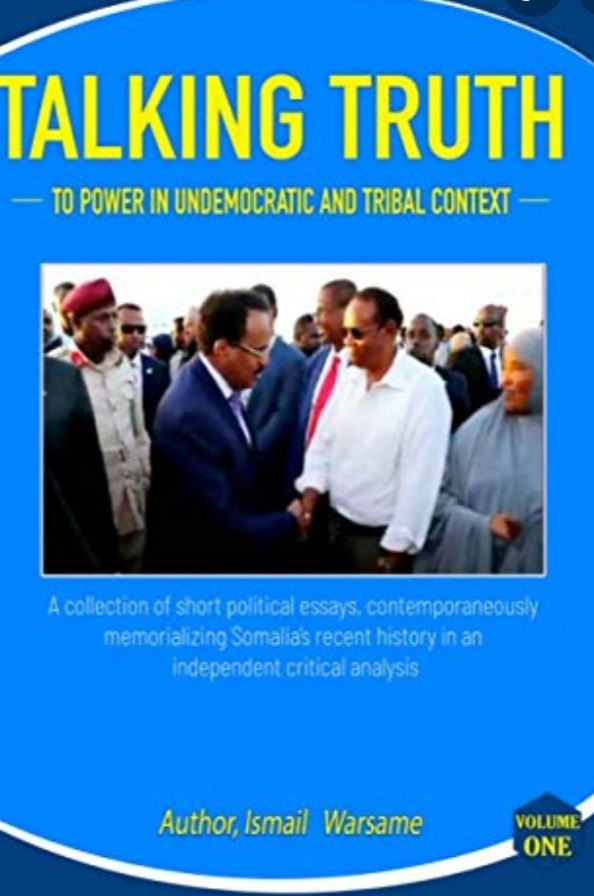
I have known the Author, Ismail Haji Warasme, for many years both in his public and private life. I knew him as honest and hard working professional. I have been following and reading his articles in various international and local media outlets. I had read some of the articles compiled in this book as they appeared first time in the media.The articles gathered in this book are as objective as they are critical and unbiased analysis of latest political developments in Somalia. This is a unique book to appear in the bookshelves. I would recommend this book to anyone interested in Somalia’s affairs. Ambassador Mohamed Awil Ahmed, Formerly, Somali Ambassador to the People’s Republic of China.
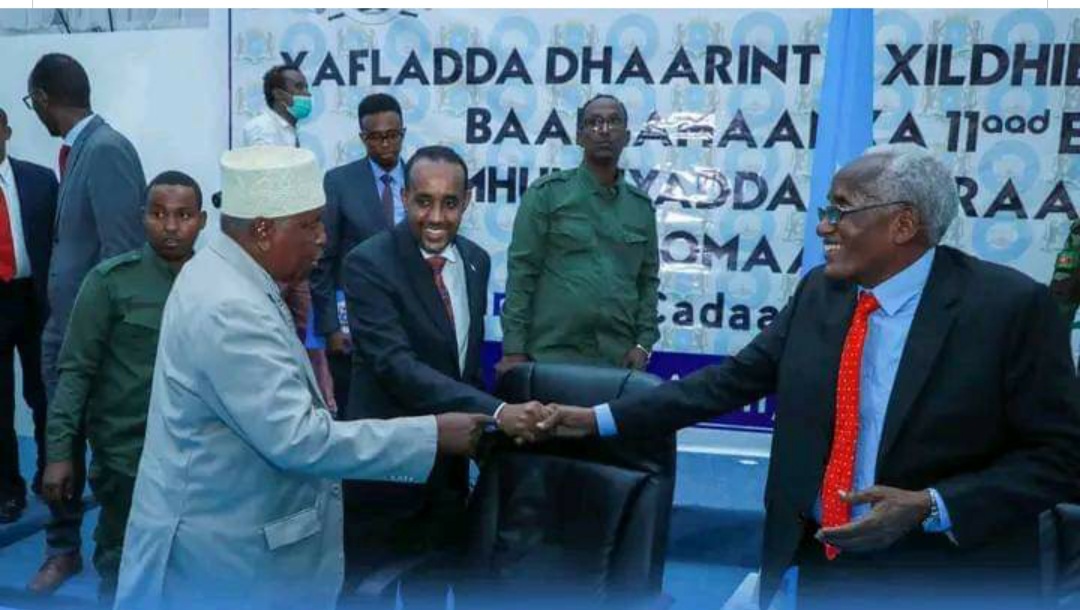
It has been a long time home-coming to reach at this stage – a controversial election produces controversial outcome, however. Despite press reports and multiple eye-witness accounts of election manipulations at constituencies levels, though, the New Parliament composing of two chambers is finally constituted with the election of the temporary speakers today, based on age criteria, until the leadership of the both houses are voted for. The temporary speakers are Senator Mohamed Ali Yusuf (Gaagaab) from Puntland State and MP Abdisalam Haji Ahmed (Dabancad) from Galmudugh State.
Given the long delays, political controversy and in-fightings between different levels of the government and FEIT (Federal Electoral Implementation Team), today’s Swearing-In Ceremony is significant.
Today’s proceedings in Mogadishu is shadowed, however, by incomplete conduct of election in Gedo of Jubaland State, and Beletweyne and Jowhar of Hirshabelle State, a total number of MPs close to 30 still to get elected. At this moment, the New Parliament has more than the Quorum to sit and pass resolutions. Whether they would go ahead to hold sessions without waiting for the remaining unelected MPs is to be seen.
My father passed away in De Martini Hospital on the southern seashore of Mogadishu in 1968. He withdrew his last breath, while I was holding his hand at his death bedside. Hovering and standing over me were the late Prime Minister of Somalia 🇸🇴, Abdirizak Haji Hussein and Mr Yassin Nur Hassan Bidde, the late Interior Minister at the time. In attendance was a Chinese physician trying his best to save my father’s life, who was suffering from malaria. At that moment, the ministers were contemplating and discussing on the possibility of evacuating my father to a better medical facilities in the People’s Republic of China 🇨🇳. My father’s medical situation brought together a former prime minister, who was leading a strong political opposition to the government of the day, and the minister of Internal Affairs of the administration then. Tragically, my father died prematurely before he was airlifted to China. Following his death, I was devastated, depressed and sick for a week. At the time, I was in school.
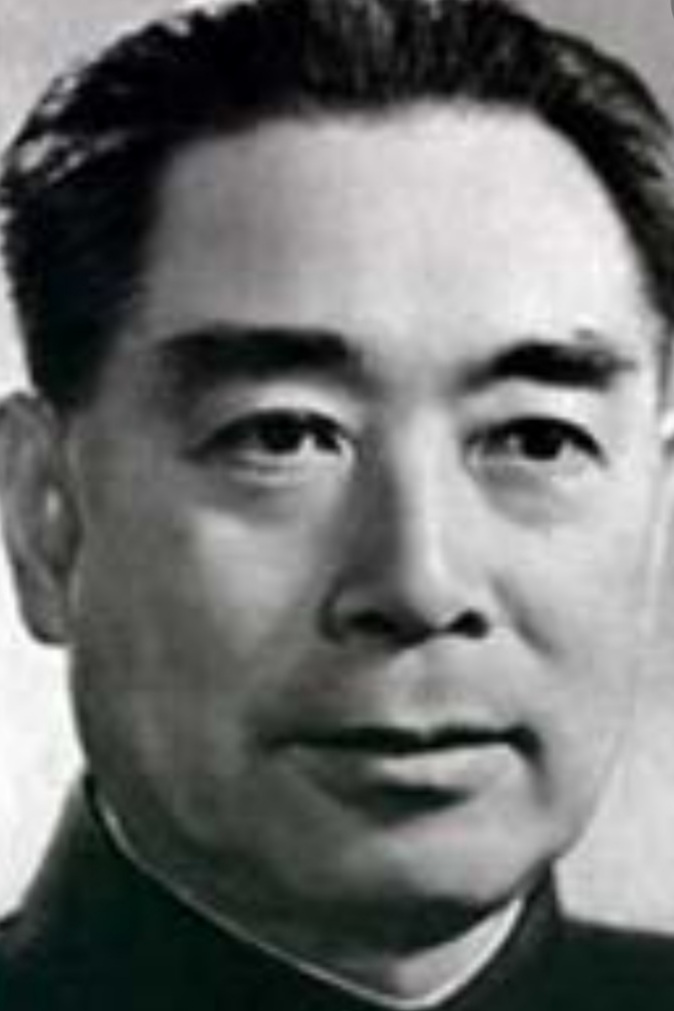
Earlier in my childhood, in 1964 to be exact, I do recall the visit of Zhou En Lai, the first and late Chinese Premier, in Mogadishu. I was a kid with some members of my family among the crowd at airport, welcoming the Premier. I vividly remember Zhou En Lai speaking in Chinese at Airport reception. What I found remarkable was the fact that a Somali interpreter of Mandarin suddenly appeared on the stage. It was hilarious. Somali singers sang a song right there: “Zhou Lai ha jiroo cadowgii ha jabee” ( Let Zhou Lai long live, let his enemies perish.)
Since then, I had the opportunity to learn a lot about the Soviet Union, China and other countries of the left from the late Secretary-General of the Somali Democratic Union (SDU), a leftist political party popularly known in Somali political history as the “Great” (a term standing for greater Somalia), Mr. Yusuf Osman Samater (Bardacad). Bardacad was a good friend of my former Boss, the late President of Puntland and Transitional Federal Government of the Somali Republic, Abdullahi Yusuf. That was an extra education on the top of myself winning a scholarship to the Soviet Union immediately after leaving high school.
أعلن رئيس بونتلاند ، سعيد عبد الله ديني ، ترشحه لرئاسة الحكومة الفيدرالية الصومالية. السيد ديني ليس فقط قائدًا تم اختباره ولديه خبرة واسعة في كل من القطاعين العام والخاص ، ولكنه شغل أيضًا العديد من المنافذ الحكومية المهمة على المستوى الوطني ومستوى الولاية. إنه ضليع بالقضايا والحكم الصوماليين. خلال الفترة التي قضاها كرئيس لولاية بونتلاند ، واجه بثقة عددًا من الأزمات وحلها ، الأمر الذي كان سيتحدى أي زعيم آخر. لقد تعرّف على أعضاء المجتمع الدولي وتفاعل معهم ويعرف كيف يعمل الشركاء الدوليون الصوماليون. سيتعامل الرئيس ديني بشكل أفضل:
استكمال الدستور الاتحادي.
تحسين وتطوير الفيدرالية في الصومال.
علاقات أفضل مع الجيران الصوماليين.
بنية الأمن القومي المتوازنة.
محاربة الماكرة والفساد.
أعضاء اتحاد المرشحين الرئاسيين ، الذين لديهم رغبة حقيقية في التغيير السياسي في الصومال ، يجب أن يتجمعوا خلف الرئيس ديني – لديه فرصة أفضل في فيلا الصومال (Villa Somalia).
Puntland President, Said Abdullahi Deni, has declared his candidacy for Somali Federal Government Presidency. Mr Deni is not only a tested leader with vast experiences in both public and private sectors, but he has also held important government portofolios at national and state levels. He is well versed with Somali issues and governance. During his stint as the President of Puntland State, he confidently faced and resolved a number of crisises, which would had challenged any other leader. He has been exposed to and interacted with the members of the international community and knows how Somali International Partners operate.
President Deni would handle better:
Completion of the Federal Constitution.
Improvement and development of federalism in Somalia.
Better relationships with Somali neighbors.
Fight against crafty and corruption.
Balanced National Security Architecture.
Members of the Union of Presidential Candidates, who have genuine desire for political change in Somalia, should rally behind President Deni- he has a better shot at Villa Somalia.
My memory of the Late Muse Islan Farah Islan Adam is as vivid as if he had left me yesterday. My travels with him to the Middle East and Gulf States, and numerous chats and debates I had with him are still fresh in my mind. The hard times we shared together in the struggle for freedom and civil liberties in Somalia as we fought against tyranny and military dictatorship are recorded permanently in my mind. Muse’s unique talent for story-telling and sense of humor had no match. His diplomatic skills and deep knowledge of Arabic and Arab culture were rare and unparallel.
Of particular interest to WDM readers is the adventure of a journey that took us to Saudi Arabia, Syria, Egypt and United Arab Emirates in the height of Camp David Agreement between Israel 🇮🇱 and Egypt 🇪🇬 that split the Arab world into two rival camps. It was 1984 when we embarked upon this mission. Arab states were either from Steadfast Front or a minority, including Somalia, led by Egypt. We were two-man delegation representing the First Somali opposition front, the Somali Salvation Democratic Front (SSDF), against the Military Junta in Mogadishu. We knew our journey was full of personal risks as most of the countries we were visiting supported Egyptian Camp and definitely were against any opposition against Mogadishu Regime. Our guarantee of personal safety were the Ethiopian Service Passports we possessed as travel documents – still we could be exposed and extradited to Somalia as Ambassador Muse Islan Farah was a well-known personality in the Arab World. We stayed on our course, occasionally facing close diplomatic challenges and dangers.
One such perilous diplomatic encounter was me arriving in Jeddah before Muse Islan, carrying with me a bag full of SSDF propaganda literature and materials. At customs checkpoint, I was asked to open that bag. I couldn’t dare to open it since doing just that would definitely create a diplomatic scandal between Egypt and Ethiopia, to forget about me entering Jeddah. I had resolved this diplomatic standoff by proposing to the Saudi authorities to leave my bag behind at airport safe-room so that I could collect it on my way back. In doing so, my thinking was to persuade and use Ethiopian diplomatic personnel in Jeddah to help release the bag from Saudi customs authorities. Next day a First Secretary of the Embassy and an Ethiopian/Harari wealthy man with Saudi citizenship joined me to get the bag from the customs. The Saudi officer at airport couldn’t budge. The Ethiopian diplomat told the Saudi customs officer whether the latter could recall Muslim Hijra, when companions of Prophet Mohammed (SCW) fled to Abyssinia for safety? The Saudi Customs and Immigration Officer replied: “That has nothing to do with immigration, Sir”.
On the same journey with Ambassador Muse Islan, we were coming to Cairo from Damascus. Since Syria 🇸🇾 was in the Steadfast Front, our plane was surrounded on landing by soldiers, screening every passenger for banned materials and documents. Luckily, our Ethiopian 🇪🇹 service passports were quite helpful this time around.
Once we were in Cairo, Ambassador Muse Islan, being well versed with the operations of Egyptian Establishment, wasted no time to contact the office of Minister of State for Foreign Affairs, Dr Boutros Boutros-Ghali, who later became Secretary-General of the United Nations.
At Boutros-Ghali office, we informed him of our mission and argued our point of views. Boutros-Ghali was not happy with our visit. He could also do something against us, but he didn’t, I think, because I were carrying Ethiopian passports.
Muse Islan Farah Islan Adam, the princely man of high and strong character is one of the few diplomatic idols that would stay in my memory for life. RIP!
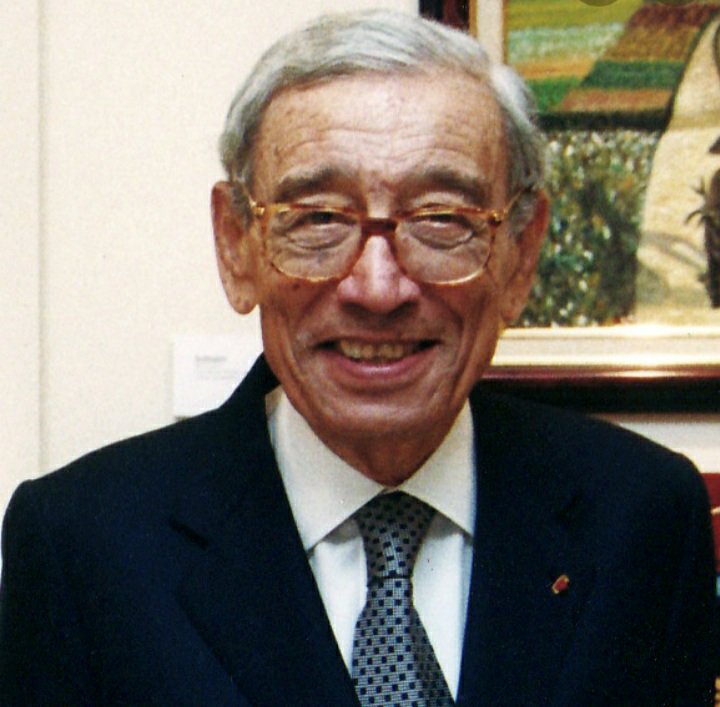
THE Late Ambassador Muse Islan Farah Islan Adam Boutros Boutros-Ghali
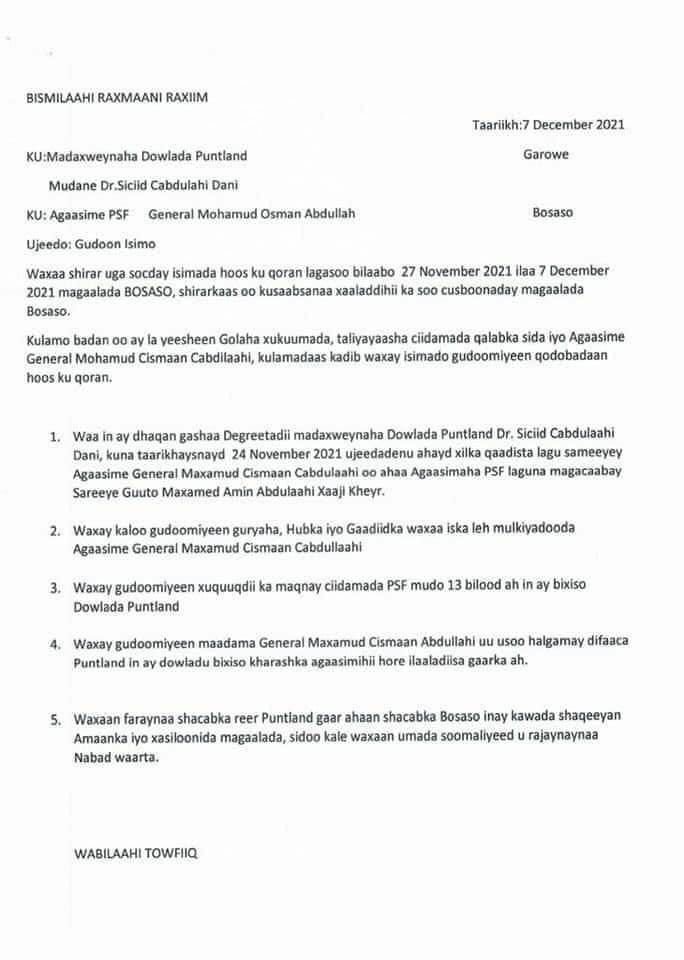
A ceasefire announced in Bosaso, Puntland, on military standoff between Puntland forces must be made permanent. A negotiated settlement must include transfer of military hardware and personnel to Puntland Government. Puntland current Government must show flexibility and restraint in handling the issue. It isn’t about my way or the highway. Bosaso residents impacted by the armed violence must get help in re-building their lives.
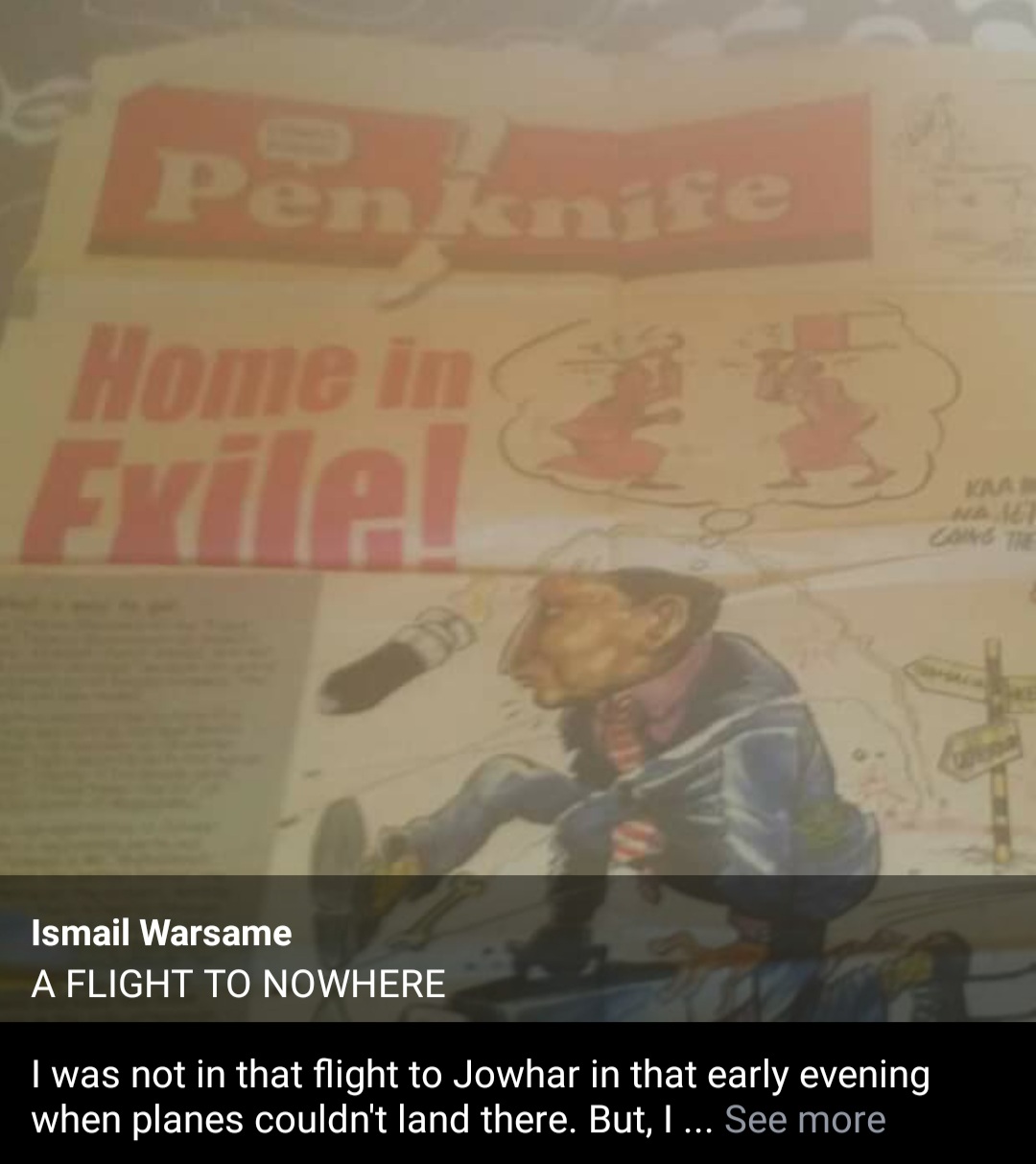
I was not in that flight to Jowhar in that early evening when planes couldn’t land there. But, I was in Nairobi, communicating on Thuraya satphone with Mayor of Jowhar, Mohamed Habeeb (Mohamed Dheere), throughout the evening. Dheere had been arranging enough cars with headlights blazing to light up the entire runway. I agree it was a risk flight too. There was no way Yusuf could return to Kenya as he was deemed extra burden on Kenyans having two presidents in town, blocking their streets traffic when moving around. Remember at time no aircraft could land in any of Somali airports at night, perhaps, Hargeisa ( I am not so sure), which was no go for Yusuf. It was a mistake done by the organizers of the President’s trip to Jowhar, making such a delay to fly into Jomo Kenyatta Airport. I could confirm President Kibaki had been at Airport throughout the day with Yusuf, waiting for that flight to take the later to Somalia. Why such a delay had occurred? Later I learned that a merchant of Qat had persuaded the trip organizers that he would pick up Yusuf in the same day after he transports Qat to Somalia. Such a mess and poor judgment. Also recall I was not with TFG at the time. In fact, I was communicating with Mohamed Dheere on the trip on my own to help out. It was me who informed Dheere that the President’s plane had landed in Djibouti, to his much needed relief. ( Below is a cartoon by Penknife, Sunday Nation on the occasion. It is dated June 19, 2005. I have been keeping it in possession since then). In the Cartoon President Kibaki of Kenya saying bye bye, you overstayed here. No home in exile!
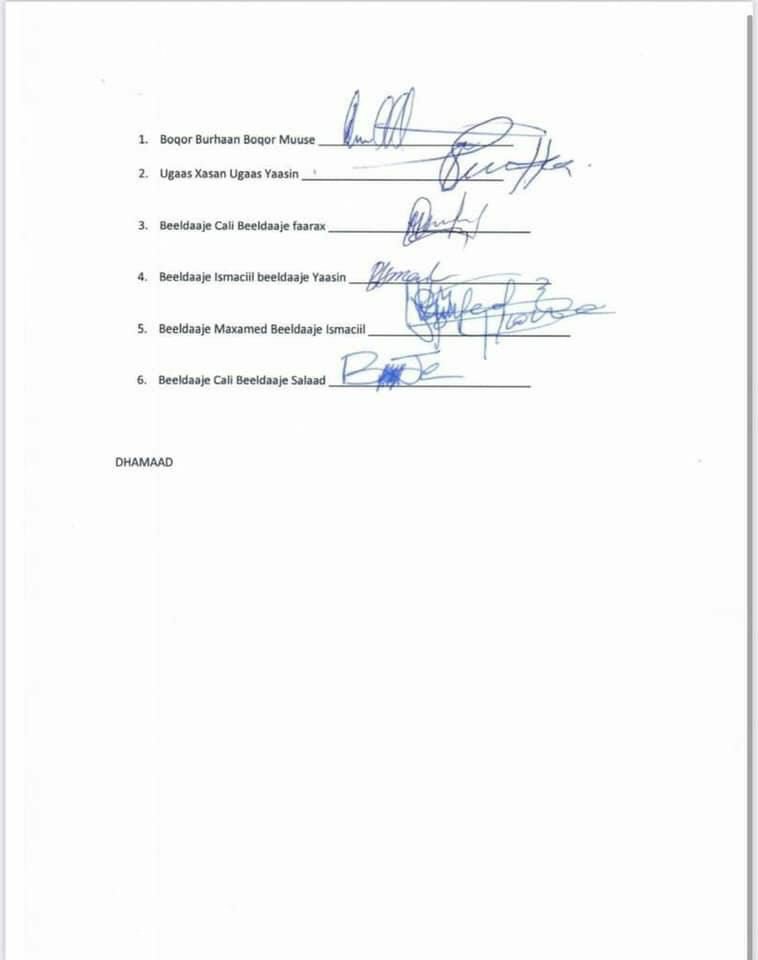
The undersigned traditional elders have issued a statement forfeiting their role in peace-making and conflict resolution. Instead, they put more fuel to the fire. Their partial recommendations to the Puntland Government is flatly unacceptable. It is an offer designed for Puntland Government to reject outright.
These titled #elders in #Bari Regions of #Puntland State have proved to be a party to Bosaso standoff. They have finally lost any credibility for the good of Puntland.
It is historically important to note that these titled elders, who have issued this document represent exactly the same sub-clans in Bari Region that rose against Puntland President then, Abdullahi Yusuf, exactly for the same reasons for power struggle in 2000-2001.
“The name Somalia as a united entity is relatively a new term, following the beginning of colonial administrations in the country. Clannism in Somalia isn’t the core problem of state building, but a symptom of system vulnerability in governance in regulatory fashion: For example, the separation of state and clan allegiance in public service in the same manner the Western World managed to do on the separation of the state and the church is the way forward. Here you can keep your clan belonging, but don’t mix it with public service. It would be a violation of the state law if you do it. Therefore, there is a mismanagement and lack of regulations on the clan system in Somalia. Tendency in Somalia’s governance to tyranny and dictatorship is fear of losing state control, on the top of selfish interests on the part of the leaders of the day, clan rivalry and self-preservation. Anti-decentralization or anti-federalism is a paranoid of losing central state power. Under these fears, stakeholders in national matters are unnecessary nuisance to central authorities. Nationalism means distraction from difficult issues of nation-building and necessary national development projects expected of state leaders. Patriotism, promotion of Somalia’s cause and learning Somali history aren’t encouraged. Power-sharing is misused to weaken meritocracy and competence, leading to the consolidation of a client state and patronage in public service. Checks and balance of power between branches of the government is perceived in Somalia as a power struggle and a threat to those in executive positions”.
INTRODUCTION
Writing Talking Truth to Power in Undemocratic and Tribal Context, Articles of Impeachment and HAYAAN, The Long Journey of the Nomad Boy (Safarkii Dheeraa Ee Wiilka Reer Miyi), has convinced me that the subject needs further writing and deeper analysis. Hence the title “Somalia In Search of Statehood, An Essay on the State, Clannism and Nationalism, was conceived. Much has been written on the subject, but these works were either produced by foreign writers with limited understanding of Somali culture (literature and language) or by native minority writers whose motivation was to expose their grievances against majority rule to advocate for minority rights in the country. The first group of writers were not adequately informed, but the 2nd group couldn’t escape bias in the subject in their exposition. Both couldn’t adequately reflect on the true picture of what went wrong in Somali politics. Foreign anthropologists and historians of I M Lewis type on the subject were influenced by colonial legacy in the country.
There is another group of Somali writers, the diaspora. This group is mostly remnants and survivors of the Somali Civil War. They subliminally believe in strong central government. They interpret devolution of power and federalism as foreign instigations and manufacture with the intention to weak the Somali State. They don’t recognize that federalism is a de facto reality rather than de jure following a vicious Civil War that ended up in clan cleansing in Mogadishu, the Capital City, and elsewhere in the country. They blame Ethiopia for establishing ethnic federalism in that country and managing to replicate it in Somalia, using proxy agents of Somali warlords and politicians. Predominantly, these diaspora writers either had grown up and lived under the iron-fist of the Military Regime of Siyad Barre or had influenced the younger generations in the diaspora. Many of them avoid travel to Somalia and the few who come don’t venture out beyond the Centre of what is wrong now in Somalia, Mogadishu, where law and order is a thing in the distant past and their yardstick to evaluate current situation of Somalia. They have lost sense of reality elsewhere in the country.
But, most dangerous of all are the ignorant masses who see different heads of state and government of the Federal Member States as something strange and symbol of what was wrong in Somalia as they hear or see strong nation-states around Somalia. They don’t recall that Somali State had failed and to put it back together it was needed to restore trust among warring clans via decentralized or autonomous regions, the Federal Member States (FMS). Now FMS isn’t cast on stone – they could change over time in a negotiated fashion as the central authority stands on its feet again and expands its influence throughout the country”. Federalism in Somalia could be a temporary arrangement. But, what isn’t acceptable anymore is return to city-state status in Mogadishu”.
THE NATURE OF SOMALISTATE AND GOVERNANCE
The state and Somalia itself are nothing more than a collection of confederal clans and sub-clans. This state as a central entity is a legacy and by-product left behind by colonial powers of Europe, namely Italy, Britain and France –Britain being the biggest offender among them and share-holder, occupying 2/5th of Somali territory. As mostly nomadic as they were, they were hard to be governed and less technology the colonial administrators possessed, the less cultural impact and subjugation they had on the nomads, with limited success on the docile farming communities of southernmost Somalia. Nevertheless, they left the country in a seemingly free country, although they had secured in their place loyal a bureaucracy behind. The vision of Somali Youth League (SYL) was effectively undermined by neo-colonialism methods of cultural domination among the bureaucracy left behind. Education sector barely met the needs of literacy for a backward country with a small population of 100% illiterate. Soon a few Somali graduates from educational institutions other than Italian found themselves unable to adjust and fit into the Italian-made bureaucracy as they return home. Prime Minister Abdirisaq Haji Hussein’s famous joke, “from Sagaara Doox to PhD”, adequately explains the educational gap and scale of ignorance that existed. The colonial statecraft imported continued to function, initially with the assistance of colonial expatriates as technical experts. Nothing changed in country’s governance, and eventually even the bureaucracy inherited from foreign powers was overthrown in a coup by the country’s security forces, recruited under the supervision of various foreign powers (Italy, Soviet Union, Britain, Egypt, and Iraq, among others). The leaders of the military coup were even more confused than the politicians they replaced with different military training acquired from numerous different foreign countries with competing ideological and economic interests in Somalia. The entire country continued to be in a state of permanent confusion. Corruption and cronyism became the modus operandi in the poorest country in the world, with unexploited natural resources believed to be in abundance. Ideological fight within each sector spared no one. Religious sectarianism funded and promoted by Saudi Arabia, other Gulf States, Egypt and even Iran, spread like wildfire. Everything dear to Somali culture and fine traditions had been suffering from lack of protection. Vulnerable portions of the society like children, women and minorities were targeted by unscrupulous entities, groups, individuals of both local and foreign origins. The country was invaded by International NGOs, using local agents, which they called non-state actors (NSA), to fill in the power vacuum, and turned them into human intelligence gathering centers. The military coup of 1991 made the situation even worse, introducing mass arrests, torture chambers and indoctrination centers. As a result, unruly clannish rebellions against the regime succeeded in toppling the junta with no replacement in its place other than mobs and mob culture, especially South-central Somalia.
Since Somalia is still searching for legitimate and responsible authorities, it is unable to come up with innovative ideas on governance of its own other than federalism or confederalism. However, there is still an uphill battle facing the new governance system. Why confederalism? Here is why:
Terms or names like Hawiye, Digil, Mirifle, Raxanweyn, Isaak, JareerWeyn, Dir, and even the country’s name Somalia, have no common ancestral relations as individual groups. Each of these names are political and social constructs for reasons beyond the scope of this short article. Paradoxically, these confederal tribes are now resisting to apply the term to the collective name of “Somalia”. Whom are they kidding?
Now, two junior researchers from ill-gotten and privately misappropriated SIMAD College in Mogadishu, illegally acquired, owned and operated by former Somali President Hassan Sheikh Mohamud, AbdiNor Dahir and Ali Yassin Sheikh Ali, have just used their first professional work to denounce federalism as inapplicable to Somali governance, fraudulently disregarding the fact that Somalia is a confederation of tribes, and thus ignoring this fundamental truth in Somali governance that lie in the state failure and entire predicament of Somalia as a country and nation-state. These junior researchers from SIMAD even dared to call Puntland and Somaliland as children born out-of-wedlock in the federation in the sense that they were established before Galmudugh and Hirshabelle Federal Member States. Abdinor Dahir and Ali Yassin Sheikh Ali, in a pseudo-research paper called Federalism in Post-Conflict Somalia, have come up with half-truths: https://doi.org/10.1080/13597566.2021.1998005
Nowadays, since most Hawiye scholars try not to come out openly against federalism due to the fact that it was enshrined in the Provisional Federal Constitution, and that their Hawiye constituencies are now parts of the federation, they find the term “Decentralization” fashionable as way of resisting federalism, confederalism or anything outside “city-state”.
SOMALI NATIONALISM
In Somali politics, the term and spirit of nationalism was used as a rallying cry for the struggle for national independence from colonial powers of Europe and Ethiopia. Somali politicians had had no vision or strategy beyond attainment of freedom and unification of all parts of the country under colonial rule. There were no friends of Somalia cultivated among powerful nations to help in the fight for unification. This is where former Somali leaders abysmally failed the nation. This is where lack of formal schooling, ignorance and nomadic pride as deadly combinations had been proven fatal in the case of Somalia, unfortunately.
Terms or names like Hawiye, Digil, Mirifle, Raxanweyn, Isaak, JareerWeyn, Dir, and even the country’s name Somalia, have no common ancestral relations as individual groups. Each of these names are political and social constructs for reasons beyond the scope of this short article. Paradoxically, these confederal tribes are now resisting to apply the term to the collective name of “Somalia”. Whom are they kidding?
Now, two junior researchers from ill-gotten and privately misappropriated SIMAD College in Mogadishu, illegally acquired, owned and operated by former Somali President Hassan Sheikh Mohamud, AbdiNor Dahir and Ali Yassin Sheikh Ali, have just used their first professional work to denounce federalism as inapplicable to Somali governance, fraudulently disregarding the fact that Somalia is a confederation of tribes, and thus ignoring this fundamental truth in Somali governance that lie in the state failure and entire predicament of Somalia as a country and nation-state. These junior researchers from SIMAD even dared to call Puntland and Somaliland as children born out-of-wedlock in the federation in the sense that they were established before Galmudugh and Hirshabelle Federal Member States. AbdiNoor Dahir and Ali Yasin Sheikh Ali, in a pseudo-research paper called Federalism in Post-Conflict Somalia, have come up with half-truths: https://doi.org/10.1080/13597566.2021.1998005
Nowadays, since most Hawiye scholars try not to come out openly against federalism due to the fact that it was enshrined in the Provisional Federal Constitution, and that their Hawiye constituencies are now parts of the federation, they find the term “Decentralisation” fashionable as way of resisting federalism, confederalism or anything outside “city-state”.










 Warsame Policy & Media Network (WAPMEN)
You must be logged in to post a comment.