Todoba Sababood oo ka Dhigtay Finland Dalka ugu waxbarashada Xooga Badan Aduunka

Qore C.raxmaan C.risaaq C.raxmaan

Waxaa laga yaabaa inaadan magaca Finland aadan ku sidkin siyaasada iyo murugaha bariga dhexe, laakin dalkaa yar ee ka tirsan Iskaandaneefiyaanka waxay awoodeed saartay si asaasi ah inay horumariso nidaamkeeda waxbarasho, ilaa ay noqotay dalka ugu waxbarashada fiican dunida sida uu sheegayo warbixinta tartanka caalamiga ah ee horumarka. Warbixintan kooban waxaan diirada kusaaraynaa 7 waxyaabood oo Finland ka dhigtay dalka ugu horeeya dunida dhanka waxbarashada sida ay sheegayso warbixinta baratanka caalamiga ah ee 2015 ( Global competitiveness Report)

1- Ixtiraamka Waxbarashada waa qayb ka mid ah dadnimada iyo aqoonsiga reer Finland

” Arinkaas wuxuu u baahanyahay si loogaaro150 sano xushmadaynta waxbarashada iyo xirfadaynta wax barista”
Sidaasuu ku jawaabay wasiirkii hore ee waxbarashada Finland Par Stanbak markii uu ka dalbay wariye inuu kusoo koobo hal eray sirta ka dhigtay dalkiisa inuu ku horumaro waxbarashada. Maxaa yeelay in lagu faano aqoonta lana ixtiraamo ayaa ah asaaska dhaqanka Finland, waxayna ku dhistay aqoonsigeeda qawmiga ah ilaa qarnigii 19aad waxayna maalgashatay tacliinta, markii ay madaxbanaanida ay heshayna hadafkeeda koowaad wuxuu ahaa in si mugweyn ay uhorumariso waxbarashada

2- way adagtahay qof walba inuu Macallin iska noqdo

Si ka fiirsasho leh ayaa macallimiinta loo doortaa, waxaana muhiim ah inuu aqoon sare leeyahay xamaasadna u hayaa macallinimada iyo caawinta dadka kale (dulqaad u leeyahay), ma kaafinayso macallinku inuu haysto shahaado jaamacadeed darajada 1aad (bachelor) si uu u helo shaqada macallinimo ee waa inuu Master haysto, sideedana waxaaba la aqbalaa 11% inta soo codsata shaqada macallinimo sanadkii, taasna waxay damaanad siinaysaa in shaqadaas kaliya ay soo codsadaan kuwa hibada iyo aqoonta u leh.

3- Saacadaha Shaqadu way yartahay oo raaxo badantahay

Astaamaha u gaarka ah ee waxbarashada dalka Finland ayaa ah in diirada ay saarto ujeedka waxa la dhigayo iyo qiimaha uu leeyahay, oo kaliya ma ahan in wax layska dhigo ee waa inuu qiimo sameeyo sidaas darteed ayaa macallinku maalinkii shaqeeyaa 4 saac asbuuciinaa 20 saac, saacadahaas badh ka mid ah macallinku wuxuu diyaarinayaa manhajka waxbarashada iyo qiimaynta ardayga, sidaasaa markasta oo ay yaraato saadacadaha wax dhigista waxaa kordhaysa xilliyada nasashada macallinka qayb ahaan markaasay gaaraysaa 75 daqiiqo maalintii marka loo qaybiyo saacadaha macallinku uu shaqeeyo maalinkii.

4- Ma jirto kalasoocidda heerarka aqooneed ee ardayda
” HA UGA TAGIN GADAAL ARDAY”

wuxuu ahaa halkudhiga dugsiyada Finland xilli hore, inta uusan caan ka noqon dalka maraykanka, halkudhigaas isku badalay wax lagu dhaqmo dalka Finland wuxuna ku tiirsanyahay in kor loo qaado heerka aqooneed ee ardayga fahmada yar ama dadaalka yar oo laga tagoori maayo saaxibadiisa ay isku fasalka yihiin ilaa uu soo gaaro, oo macallimiin gaar ah ayaa loo saarayaa kuwaasoo siiya daryeel gaar ah uguna dulqaata si loosoo gaarsiiyo fasalkiisa, oo marna lama rabo inuu kaharo fasalkiisa. Kaliya 30 arday ayaa Finland hela caawin dheeraad ah 9ka sano ee ugu horaysa waxbarashada asaasiga ah, sababahaas oo jira dhan ayaa Finland ka dhigtay dalka dunida ugu yar ee ardayda farqiga u dhaxeeya.

5- Xiriirka adag ee ka dhexeeya Macallinka iyo Ardayga

Waxyaabaha waxbarashada Finland ku gaarka tahay waxaa ka mid ah in Macallimiintu ay ardayda la joogaan sanado badan oo ay ugu yartahay 5 sano, taasna waxay keenaysaa inuu xiriir adag ka dhex abuurmo macallimiinta iyo Ardayda kuwaasoo gaaraya 20 arday fasalkii, macallinkuna wuxuu khibrada fiican u yeelanayaa dabeecadaha iyo dhaqamada arday walba iyo sida ugu haboon ee uu ula dhaqmi lahaa.

6- Ardaydu way siman yihiin

” Sinaanta waxbarasho ee dalka Finland, waxaa isku wada waafaqsan dhamaan Axsaabta siyaasadeed”
Sidaas waxaa yiri Guddoomiyaha Ururka macallimiinta ee dalka Finland, arintaasna sheegasho iskama ahan ee waxay ku dhisantahay hab isu dheellitiran oo si siman oo cadaalad ah uu adeega waxbarasho ku gaaro gobollada Finland oo dhan miyi iyo magaalaba, qani iyo faqiirba, waana sababta diidaysa in dugsiyada Finland ay Ganacsi galaan ama ay yeelato dabaqad gooni ah ama siyaasad gaar ah inay fuliso, dhamaan dugsiyada Finland waa maalgelin bulsho dhaqaalahana si siman ayaa loogu qaybiyaa, mana jirto kala sarayn iyo tartan ka dhexeeya dugsiyada, dhamaantood waxay ku shaqeeyaan hadaf qowmi ah oo mid.

7- waxaa kor ukaca ardayda Jaamacadaha gasha

93% ayaa dugsiyada sare ee Filland ka qalinjebiya, waa tiro aad u saraysa taasoo Finland ka dhigtay Maraykanka inay kasarayso 17.5%, waxayna awood siisay waxbarashada sare ee Finland in 66% ardayda qalinjebisay inay galaan kuliyadaha jaamacadaha iyadoo aysan jirin sharci ardayga ku khasbaya inuu jaamacad dhigto, waana heerka ugu sareeya ee Qaarada Yurub, waliba iyada oo Finland ku bixisa 30% ardayda Jaamacadaha iska diiwaan gelinaya ama dhigta taasoo aad uga yar inta uu Maraynka ku bixiyo.

Isha Xogta:
Www.Sasapost.com

Waxaa tarjumay
C.raxmaan C.risaaq C.raxmaan
CHECKS AND BALANCE OF POWER IN PUNTLAND

The chronic Madax-Ka-Nool (lone head of the state show) political situation in Puntland State doesn’t expect challenges from the State’s dysfunctional House of Representatives. It was a rare move on the part of MPs to issue some independent resolutions the other day. Is it self-perservation, having witnessed some members of their colleagues easily impeached and expelled from their ranks or a meaningful attempt to re-assert their constitutional powers?

Many observers believe that the new attempt to grab power by Puntland Parliament is limited to enhancing their positions as unassailable branch of the government rather than insuring checks and balance of power for the common good of the people of Puntland and for the purpose of re-introducing good governance to Puntland State.

It looks that Puntland MPs are seeking more say in selecting senators this time around, besides jockeying for acquiring bigger junks of the corruption money sharing in this election cycle. A few others say it is first baby steps to challenge the traditionally exclusive powers of the State President and his governance style of one-man show in running Puntland government, whereby the State President doesn’t seem to understand that he is also the Head of Government to be accessible to all heads of departments (ministries) and members of the House of Representatives. Puntland President isn’t only the Head of State. He has to run the government too on daily basis, and that his executive powers fall within the Cabinet collectively as an executive prime minister. He wasn’t elected by the people. This is a parliament system that came through selection process, and therefore, with shared responsibilities and responsible to parliament.

On the top of the above observations, there is fear among some members of the House from the consequences of upcoming Puntland election in two years, and these, mostly from Sool and Ayn Regions, predict that the planned 1P1V in Puntland could erode their political fortunes. Upcoming Federal elections may also have some impact on the cohesion of President Deni’s own political team in the Cabinet, House of Representatives and power brokers at large.

Whatever the case might be, Puntland House of representatives has a long history of being a toothless institution. Their past performances and corrupt practices for vote selling don’t give any hope or confidence to the residents of Puntland State.

https://amazon.com/author/ismailwarsame

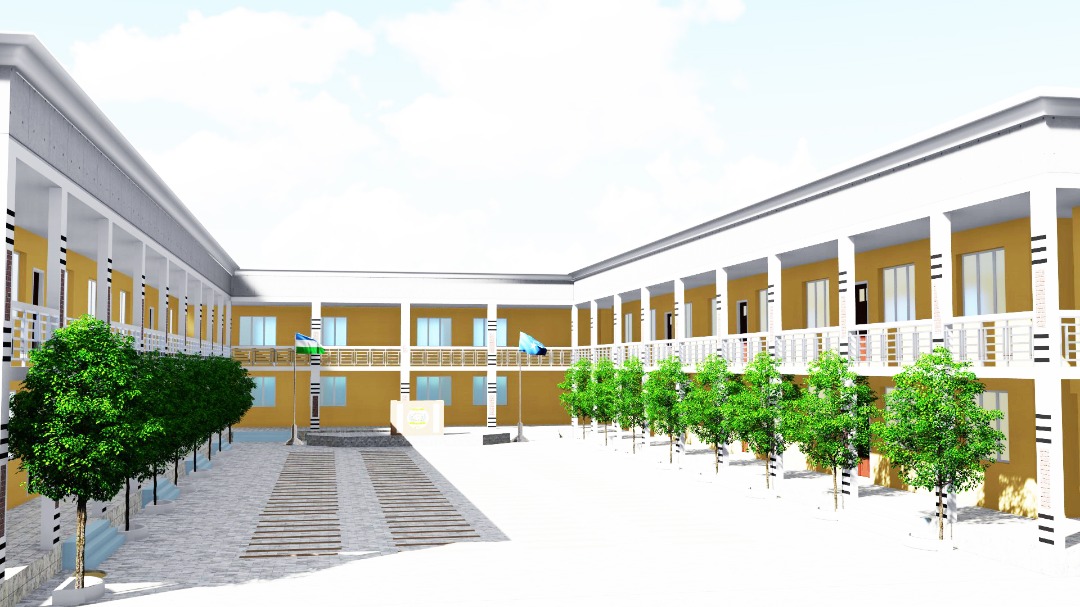
HAJI ALI BIHI (BIXI) HIGH SCHOOL IN GALKAYO

Performamce and Progress Card

  1. The School was founded in 2002.
  2. This school is in its 17th year of Students Graduation with 903 students completing studies.
  3. School enrollment is currently as high as 803 students, 120 of which are orphans from the community.
  4. 319 school graduates had secured scholarships so far to institutions of higher learning.
  5. The premises of Haji Ali Bihi (Bixi) High School are still inadequate to cover the needs of the community.
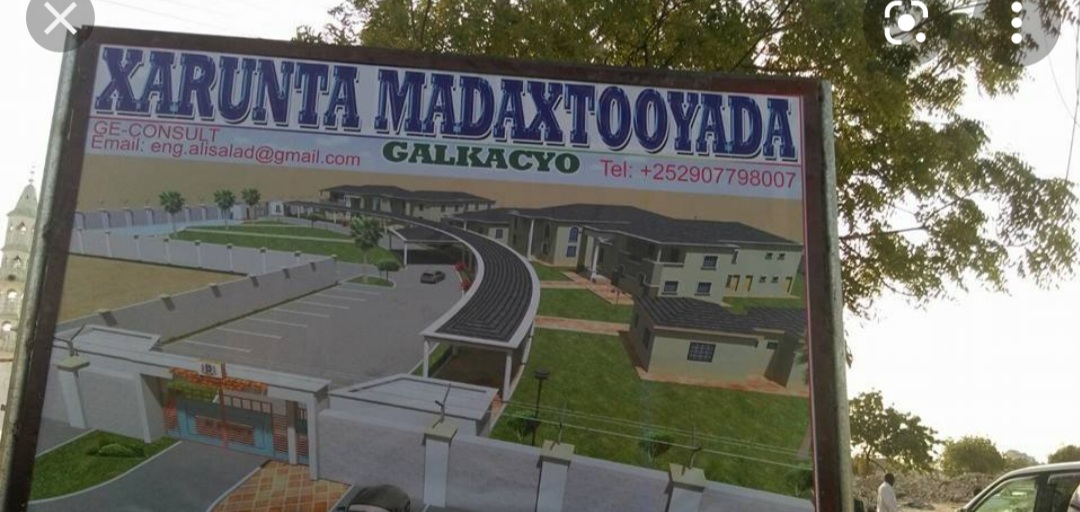
Premises of Haji Ali Bixi Secondary School in Galkayo

A SAD STORY OF ELECTION CORRUPTION IN SOMALIA, PUNTLAND

Reliable news source has relayed to this blog,WDM, a tragic story on Puntland election corruption in 2018. The story narrates that a titled elder at the time approached a man to request for lending a car on the eve of Puntland Presidential Election. The elder didn’t want to use his car for fear of being identified. The elder took four newly elected Puntland MPs in the loaned car and visited every presidential candidate that night. When he failed to return the car to the owner for the following next four days with his phone unreachable, the owner started searching for the whereabouts of the elder. When, finally, the elder had been located, he confessed to the man that on the eve of Puntland Election 2018, the elder and his accompanying four MPs were at door steps of one of the vice presidential candidates when the morning prayer was called for from Garowe mosques.

The tragedy is that this story holds true everywhere in Somalia, while Mogadishu is considered the town worse hit by the epidemic of runaway political corruption. Mind you, this wasn’t an isolated story, but a typical one in the scale of widespread corruption in politics.

Somalia adios!

https://amazon.com/author/ismailwarsame

ON KNOWLEDGE PRODUCTION THEME: HOW TO HANDLE NOISE-FILLED SOMALI TEASHOPS AND BARS

Locate an empty spot with no tables or chairs. Grab a chair and sit down in that free space. The waiter would approach you to take your orders. He or she will bring you a small table. At same time, they would feel that you are special.That way you would minimize the noises around you. Others in the shared space would take notice of your presence and would tune down their loud voices. Those who may join you at spot would get the message that you aren’t fond of noises.

As an effective way to bring down uncontrolled noises in a teashop is to turn on a loud phone ring song recorded from a donkey. God says it was the most hateful song on earth.

https://amazon.com/author/ismailwarsame

SOMALI INDEPENDENCE DAY

https://ismailwarsame.blog/2021/07/02/somali-independence-day/

SOMALI INDEPENDENCE DAY

July 1st, the Somali INDEPENDENCE DAY, was marked and celebrated in all regions more or less. But, this time around, there is sense of indifference by some portions of the general population. The reason may lie in the fact that a few see any benefits of the national independence in their daily lives. The bulk of celebratory activities, however, takes place in the social media by individuals on their own to mark the important occasion in Somali history.

Celebrations started from 26th of June to note the date when the blue flag with white star in the middle was raised in Hargeisa for the first time in1960. It was followed by the unification of the Italian and British colonies to form the sovereign nation of Somali Republic.

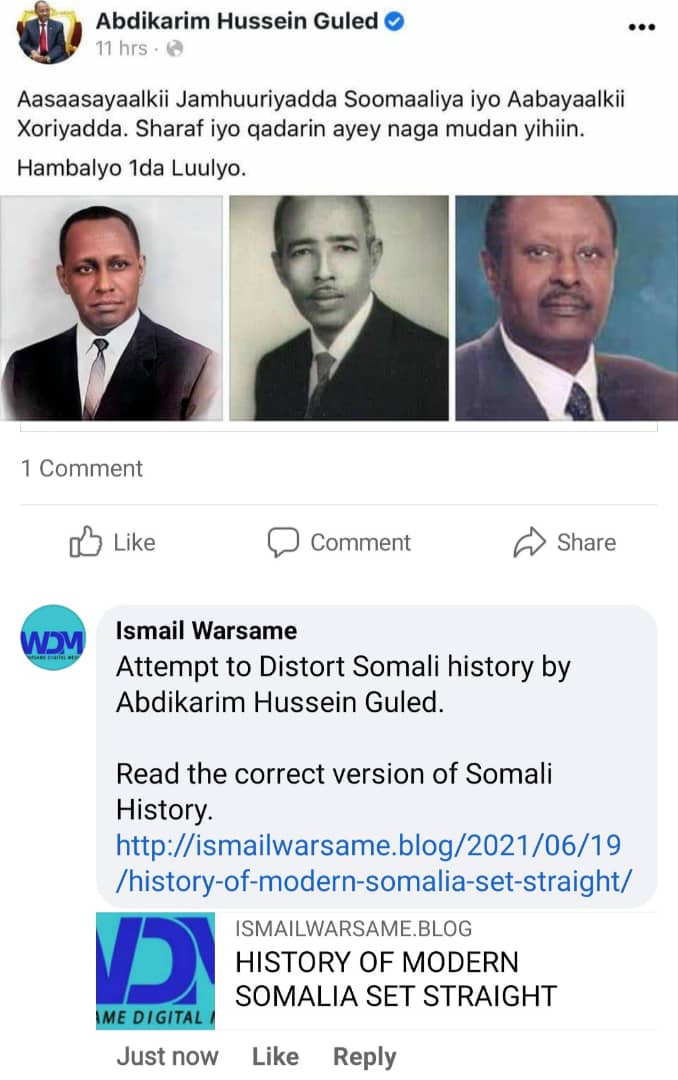
But, the most bizarre social media entry was entertained unexpectedly and surprisingly by a Somali presidential candidate by the name of Abdikarim Hussein Guled, who hails politically and tribally from Galmudugh State, but personally from Hiiraan Region. In his recent social media post in his Facebook Page (Abdikarim Hussein Guled), Mr. Guled had diminished and reduced the struggle for independence to a work of a few individuals arbitrarily, ignoring the real heroes in the fight for freedom, thus committing an act tantamount to blasphemy in the eyes of most Somali patriots. Only a person blinded by tribalism and harboring hatred for others could dare to distort national history and role of many freedom fighters shamelessly that way. This is only possible when yesterday’s student of General Mohamed Farah Caydid develops insane and unrealistic political ambitions to gain power to follow his role model in clan cleansing bordering on genocide.

Paradoxically, I met recently with one aspirant for Federal Parliament membership in Garowe, Puntland, who briefed me that Mr. Guled bragged about and told him that the latter had been in contact with every person of influence in Puntland State for his presidential campaign. I wonder how he could manage that PR outreach with such distortion of Somali history in his head. The story goes on that someone had once asked Mr. Guled “how come he could be head of state when he had failed as Federal minister of Interior and as president of Galmudugh State?”

But now, nothing surprises me in Somali politics since there is no accountability for wrong-doing and breach of public trust. Everything goes by to get elected to a high public office, even with your hands soaked in blood of innocent citizens. Somalia adios!

https://amazon.com/author/ismailwarsame

SOMALIA: POVERTY, POLITICS AND POWER

https://ismailwarsame.blog/2021/06/30/somalia-poverty-politics-and-power-3/

PERSONNEL VETTING AND NATIONAL SECURITY

https://ismailwarsame.blog/2021/06/08/personnel-vetting-and-national-security/

ABDIKARIM HUSSEIN GULED CAUGHT LYING ABOUT SOMALI HISTORY

Read the correct version of Somali history here: https://ismailwarsame.blog/2021/06/19/history-of-modern-somalia-set-straight/

https://amazon.com/author/ismailwarsame

CANADA’S MINISTER ON HOUSING SHORTAGE

Take a watch:

https://amazon.com/author/ismailwarsame

SOMALIA: POVERTY, POLITICS AND POWER

Reposted from 2019 WDM articles

A country, where people are suffering from unemployment rate of nearly 90%, political parties are unheard of for 50 years, politicians are too polarized and clannish, scarce public resources are looted and used against the poor to remain poor and bribe them when needed for political advantage, the few educated are selfish, corrupt, short-sighted and intellectually bankrupt to rise up above tribal bickerings at arm-chair lazy debates, schools of poor quality ill-educate the youth, such a country will not create opportunities for the persons of Ilhan Omar’s strength and talent or the rise of Abdiqawi Yusuf and Ahmed Hussein Dirir, the President of International Court of Justice at Hague, and Canada’s Minister for Immigration, Refugees and Citizenship, respectively. Those personalities had managed to flee their country of origin, Somalia, to become what they are today elsewhere in a globalized world.

 Those, who practise in corruption, cronyism and nepotism in public service are blind to cultivation of talent under meritocracy. They also feel vulnerable and threatened in their privileged existence to open up to and widen opportunities for others. Poor leadership in all spheres of life and endeavors tap into that school of thought on protectionism and maintenence of status quo. This is what has happened to Somalia, a nation of poets and powerful minds.

The vicious circles of Poverty, Politics and Power embedded in Somalia’s socio-economic circles, especially in today’s religious and political elites in all urban centers of Somalia must be uncoiled to expand opportunities to all citizens. That way the New Somalia would produce not only its abundant native talents of Ilhan type, but also attract more from other countries to help explore and extract Somalia’s resources of the near and distant future.

 In conclusion, Somalia’s traditional leaders are no longer the sacred cows as they become as corrupt as Nigerian Chiefs. It is time to revisit and do away the ills of Somalia’s clan system. How could one defend serial murderers and serial rapists to remain a clan leader?

https://amazon.com/author/ismailwarsame

NOMADIA STATE

It is supposed to be a government by the nomads, governed by the rules of “pastoral democracy” and wisdom of impartial tribal elders. But, tribesmen are not taught about the concept of “yours” and “mine.” Everything belongs to either the whole tribe or is there to be grabbed by everyone. Since there is no culture of urban society (different tribes co-inhabiting in one location for an extended period of time), there are no rules for the rights of others outside one’s own tribe. Everything belonging to a different tribe has no equal protection and property rights. It is out there for the grab.

Those who moved into cities from nomadic tribes come with same mentality and cultural mindset of the nomadic tribal enclaves. It would take them many generations, if not centuries, to get accustomed to the rules of peaceful coexistence with other tribes.

Nomadia doesn’t enjoy allegiance by any one tribe other than those holding higher stakes in the nomadia leadership. Nomadia suffers from incompetence and lack of equal opportunities for all members of its constituency. There are no predictable rules of the road in public services and administration of justice. Those who hold high offices and their kinship are more equal than the others.

The constitution and laws of the Nomadia are just formalities and non-binding to those who have connections and wealth. Laws are just nuisances to those in power. Nomadia operates under lies and hypocrisy of self-denial about its Nomadia nature as government by the nomads by falsely claiming it was a modern national government composed of three branches independent from each other. Nomadia functions even in contradictions to what nomads had agreed upon after prolonged conflicts. Since all know that there is no respect for the rules of law, the powerful takes advantage of the weakness in governance in the absence of real separation of power.

As long as there is no real concern for facing the realities and addressing the hypocrisy in the nature of Nomadia, its constituency will never put their act together. Nomadia will never develop allegiance to it as a national organization (government) for all.

https://amazon.com/author/ismailwarsame

PS: Please note that the term “Nomadia State” is an invention by WDM (Warsame Digital Media).

A TURNING POINT IN TIGREYAN WAR

USA pressure on Abyi regime is bearing fruits with Eritrean army pullout from Tigray and retreat of Ethiopian forces from major cities there, including the regional capital, Mekelle. Addis Ababa leadership is losing ground in the war. Ethiopia had benefitted from Western assistance since time immemorial against its real and perceived enemies like Somalis and surrounding muslim countries. This time Prime Minister Abyi had ignored Ethiopian history and ventured out into uncharted foreign policy adventures. The result is that Ethiopia has lost its traditional Western allies.

It looks that Abyi has given in, under pressure, to negotiate with TPLF leaders. Ethiopian internal situation is now chaotic and unpredictable. It is also unclear whether Abyi would be able to hang on to power in a turbulent Ethiopia, and whether his expected gesture for peaceful negotiation would settle and calm things down in Ethiopia.

TPLF would unlikely push towards Addis Ababa, for they would experience the same Western pressure as Abyi has suffered from. They would be forced to negotiate with either Abyi or his would-be successors.

The new political and military developments in Ethiopia would have impact on Somalia as well, especially with regards to the recent unholy alliance between Farmajo, Afewarki and Abyi. It would also negatively impact on the Somali Regional state and its current Addis-appointed nominal leader, Mustafe Cagjar, who relied heavily on Abyi and supported Farmajo’s shenanigans in Somalia. This is still a developing story. Stay tuned.

AMID CAPTURE AND EXECUTION OF SOME EXTREMIST OPERATIVES, IT IS TOO EARLY TO CELEBRATE IN GALKAYO

Puntland authorities may get complacent and put their guard down as a result of some initial successes in apprehending and bringing some extremist foot-soldiers to justice. Authorities should take note that they are dealing with mafia-style organization consisting of leadership, intelligence networks, financiers and supporting local and national networks. In Puntland urban centres, there are local financiers and intelligence networks of Al-Shabab that needs to be dismantled and eliminated.

Foot-soldiers of Al-Shabab are easy to be replaced promptly. In military terms, this recruitment isn’t expensive for a mafia organization extorting businesses on daily basis, and acting as a shadow government in the country. There is no shortage of funds in its recruitment drive of young unemployed and disillusioned youth in inner cities of Somalia.

What is needed here is penetration of the organization’s financial system and intelligence networks. Real successes depend on disrupting and breaking up this backbone of the mafia.

Now that residents of Galkayo have discovered the evil nature of Al-Shabab, and a lot of confusion and unknowns are cleared, a counter religious narrative is badly needed to warn people of the blasphemy of the group and its peudo-religious activities. People have to rise up against the satans in towns. Residents must also know that the authorities, in isolation, couldn’t do the work effectively without the cooperation of the general public. Those who rent out rooms in their houses must know their tenants. Businesses should know their customers. Suspicious activities should be reported immediately to the authorities. Strange and threatening telephone calls should be monitored and reported. In short, citizens should fight back to help eradicate the menace of Al-Shabab in the country.

https://amazon.com/author/ismailwarsame

CALULA WAA MAGAALO GUUN AH

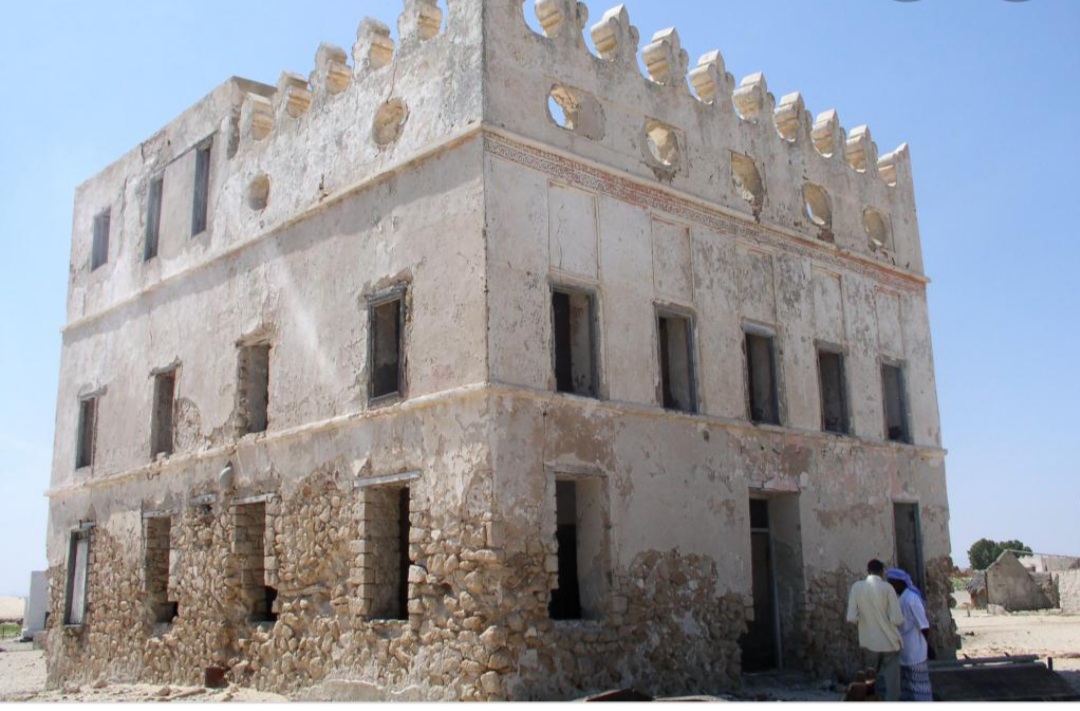
Calula (Alula) waxay ahayd Xaruntii labaad, Muqdisha ka dib, ee maamulkii gumaystaha Talyaaniga ee Somalia. Waxay leedahay gago dayuuradeed oo far cad oo waaweyn “AULULA” (CALULA) ku dul qorantahay, meel fogna adoo dayuurada saaran arkaysid. Dhanka waqooyi galbeed ee Calula waxaa ka mutuxan buurta BooliMoog. Dhismayaasha Calula waa kuwo ka gadisan kuwa Somalia, marka laga reebo kuwii Talyaanigu ka dhisteen. Waa dhismo Carbeedyo taariikh hore kasoo jeeda. Kuwa halkaa Talyaanigu ka dhisay oo waaweyn, waxaad isleedahay ma “Kaniisadaa?” Qaargood weli waxaa dusha ka saaran qalabkii ilaala Badda Cas ee Ciidamada badmaaxyada faashiistigii Benito Mussolini. Isbitaalka Calula waxaa loogu magac daray Regina Margareta (Boqoradii Margareta) ee Talyaaniga. Weli waxaa isbitaalka ka muuqda sariirihi iyo quraaradihii daawadii 1930-kii la sameeyey.
Dadka Calula ku nool waxay wax la qabaan kuwa Reer Bariga kale, marka laga hadlayo canshuur-nacaybka, sidaa awgeedna, dawlad-diidnimada. Samankii dawladihii hore, askariga canshuur-qaade ah ee Gobolka Bari loo diraa, wuxuu Muqdisha kusoo laabanjirey isagoo maalqabeen ah, siduu laaluus halkaa uga guranayey.

Waxay ahayd bartamihii 2006 markii Xafiiska Qaramada Midowday (UN) ee Nairobi ii ogalaatay in aan aniga iyo koox ila shaqaysa safar cilmi-baaris ku tagno magaalooyinka Iskushuban, Xaafuun iyo Calula. Wafti dawlad Soomaaliyeed oo Calula tagaa waxay ahayd marsoobax, iskaba illow mid Puntland ka socda.

General Mohamud Muuse Xirsi (General Cadde), oo ahaa Madaxweynaha Puntland, ayaa iga codsaday in uu fursada duulimaadkayga “Bariga Fog” ka faa’iideysto. Ogalaansho UN ka dib, waxan qaaday General Cadde, Wasiirkii Warfaafinta, Abdirahman Bankax, iyo Wasiirkii Amuuraha Gudaha iyo Amniga, Ahmed Abdi Xaabsade.

Guddoomiyahii Degmada Calula wuxuu nagu sooryeeye hilib ari, meeshii aan ka sugeynay kaluun iyo khayraadka kale ee Badda Cas- waa ka qawadnay qadadaa. Ruun Dooxajoog oo ka mid ahayd gabdhihii na martigeliyey, ayaa tiri, “war bal iska aamusa. Marka keli ah oo aan hilib xoolaad cunnaa waa markaan dabaaldageyno sida maantoo kale”.

Taa kahor, anagoo dulheehaabayna Iskushuban, ayaan Madaxweyne Cadde Muuse ka codsaday in uusan ruqsayn Wasiirkii Qorshaynta iyo Xiriirka Caalamiga Puntland, Abdirhaman Mohamed Mohamud Faroole, mar haduu ahaa wasiirka u qaabilsan dhanka Puntland xiriirka hay’adaha dawliga ah sida UN, oo anigu aan Wakiil uga ahaa dhanka daraasaynta baahida dib-u-dhiska Puntland, mar haday dhisantay dawladda Soomaaliyeed ee TFG. Faroole markaa waxaa loo haystaa qulqulatooyin dad ku dhinteen ee ka dhacday dhismaha Golaha Wakiillada Puntland. Cadde, wuxu iigu jawaabay, “Faroole basarxumo ayuu sameeyey”. Soo jeedintayda hawada kore ee Iskushuban ka dhacday, gacan uguma siin wasiirrada Bankax iyo Xaabsade. Faroole iyo Xaabsade saaxibna wey ahaayeen, isku doon siyaasadeed markaa wey wada saaraayeen.

Markaan Bosaso kusoo laabtay, ayaan Faroole oo Garowe jooga soo wacay, oo u sheegay in aan Cadde agtiisa waxba u oolin. Faroole waxaa dhaqan u ah, markuu dib kala kulmo dalka, in uu Australia gabaad ka dhigto – markaa ayuu Puntland halhalel uga dhoofay, isagoo aan weli wasaaraddii laga qaadin, xilna wareejin. Kornayl Abdi Salad ayaa badalay Faroole.

Image of historical Alula

https://amazon.com/author/ismailwarsame

Waxaad noo sheegtaa nooca federaalka ay soomaaliya qaadatay

Su’aasha kor ku xusan ayaa lasoo weydiyey Warsame Digital Media WDM. Waa tan jawaabtu:

Dawladda Federaalku waxay ka koobantahay sadex heer:

  1. Dawladda Dhexe
  2. Dawladaha Xubnaha ka ah tan Dhexe
  3. Dawlado deegaanno oo hoos yimaada dawladaha xubnaha ka ah tan dheexe. Waxay leeyihiin golayaal deegaan, meesha kuwa kale leeyihiin sadexta qaybood ee dawlad heerkooda (dhexe, gobolleed, deegaan). Dawlad-gobolleedyo waxay u yihiin dawlad dhexe dawladaha deegaannada. Dawlad-gobolleedyadu iyana waa in ay xukunka sii baahiyaan ila heer tuulo-deegaan. Deegaannadu waa ay yeeshaan la haansho talo iyo mashaariic waxqabad iyo hurumarineed.
  4. Awoodda Dawladdu waa u kala qaybsantahay madaxweynaha iyo Golaha Wasiirrada. Waaxa kaloo kala qaybsan awooddaha sadexta qaybood ee dawladda. Madaxweynu waa madaxxa jamhuuriyedda, mana laha awood ka baxsan dastuurka. Wasiir koowaad waa afhayeenka Golaha wasiirrada iyo guddoomiyaha fadhiyadda golaha. Wasiirka koowaad ma laha awood ka baxsan golaha. Madaxweynuhu ma marooqsankaro awood aan dastuurku u ogalayn.
  5. Waxaa jira xukun baahis iyo wadaag khayraadka dalka, oo laga kabo dhanka dhaqaalaha, dawladaha xubnaha aan isku filayn. Sidaa waxa meesha ka baxaya ku tagrilfal awoodda dawladnimo iyo dib u dhac gobollada qaarkood.
  6. Awooddaha sida loo kala leeyahay Dastuurka Federaalka ayey ku qorantahay, wuxuuna hadda dastuurka qabyo-qoraalku u baahanyahay dhamaystir iyo in loo qaado afti dadweyne.
  7. Waxaa dhacaya doorashooyin guud.
  8. Sidaa awgeed, nidaamka federaalku waxaa lagu tilmaama heerkii ugu toolmoona ee dimoqraatiyada.

Fiiro Gaar ah:

Haddii dawladda dheexe shaqayn weydo, ama burburto, dawladaha kale ayaa shaqaynaya. Ma dhacayso 1991 dhambe.

https://amazon.com/author/ismailwarsame

UNDERSTAND WHY TURKEY AND QATAR ARE ANTI-FEDERALISTS.

UNDERSTAND WHY TURKEY AND QATAR ARE ANTI-FEDERALISTS

https://amazon.com/author/ismailwarsame

THE NEW SUEZ CANAL OF THE HORN OF AFRICA

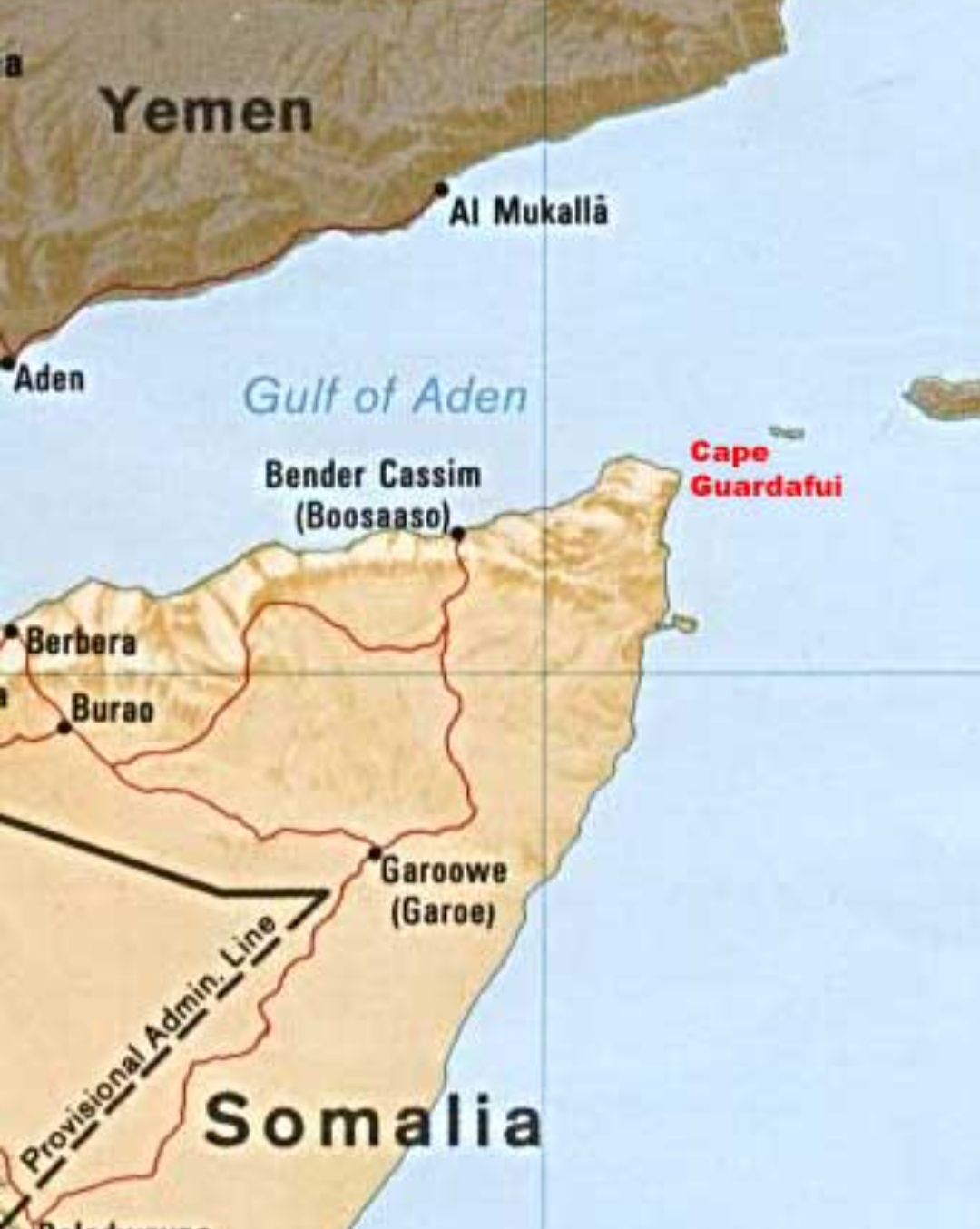
Cape guardafui, also known as Ras Asayr (Casayr), at intersections of the Red Sea and Indian Ocean is a natural Suez Canal of the Horn of Africa. It is located within the territorial waters of Puntland/Somalia. More than a half of the international shipping pass by. In the old days before the advance in navigation technology, there was a permanent light house erected at Cape to guide the huge number of commercial ships passing through. Italian Colonial Administrations in Somalia collected fees from international liners crossing at the Cape. It would have been prohibitively too expensive for shipping world sailing to India and Far East to go around the Cape. Basically, the Cape connects the world in a way Suez Canal of Egypt couldn’t.

During the initial years of Puntland establishment, the late Vice President of Puntland, Mohamed Abdi Hashi, and I had decided to explore the possibility of developing the Cape into a tourist resort, providing recreational facilities, service bankers for fresh water, sunshine, fuel and luxury hotels for international travelers on tourist cruise ships. We had persuaded a Swiss expert to study our project proposal and to visit the Cape. He reported to us about the potential of the area for tourist attraction and benefits it offers to international commercial liners. We gave him the permission to go ahead and lobby for the project. Swiss government officials were impressed to consider encouraging Swiss companies to carry out feasibility studies. In the end, unfortunately, they were deterred by US government under the pretext that Puntland State wasn’t a sovereign country able to enter into an international treaty of that magnitude. Moreover, the Americans claimed this waterway was an international passage that couldn’t be disturbed. The pursuit of our project was adjourned, waiting for another day to re-start.

During the course of project studies, we learned a few historical facts. Almost all international commercial shipping fleet of the world is insured by the British Lloyd Insurance Marketplace. Insurance fees shot up suddenly then as false rumors had spread around the world that the people living in Cape Guardafui practised “cannibalism” and that was the reason why attendants of the light house at the Cape often disappeared, endangering ships passing by there. Later, it was found out that the residents of the Cape had been persuading these attendants to abandon their duties by resettling them there into family life, so that people could take advantage of shipwrecks as the light house guiding the ships goes off.

The story of “bad kasoo bax, Boqor baa leh (All findings from the sea belongs to the King), perhaps, had originated from this wild story of the Cape Guardafui Light House. Check it out.

LIGHT HOUSE, GUARDAFUI

https://amazon.com/author/ismailwarsame

On the Fight for Decentrilization in Somalia’s Governance

By Abdisalam Salwe, PhD.

Somalis have always been federal or decentralized as you can imagine. Somali speaking people are scattered all around the Horn of Africa [and beyond], speaking the same language. The question is what let them speak the same language? It is because of Somali midnimo [unity of culture and purpose] based on a culture of a decentralized system.

I discussed the issue of decentralization (or federalism) in a paper I presented at “Il corno d’Africa fra Storia, Diritto e Politica” held [in] Rome, 13-14 December 2002. I was discussing how the Somali midnimo has been affected (and destroyed) by the centralization system Somalia took after the independence. [Take a read it here]:

https://amazon.com/author/ismailwarsame

ANTI-FEDERALIST FORCES IN SOMALIA DISTORT THE ORIGIN OF THE CONCEPT

In politics like in any other field of academic studies, there are different schools of thought. But, sometimes you would find people, who intentionally distort subjects of studies to score political points to their advantage. Federalism in Somalia is one of those subjects. You hear grown-up and seemingly educated people stating that “Somali clan federalism” was imported from “Ethiopian Ethnic Federalism”. These people, some of which considering themselves enlightened, are expressing only their opinions devoid of any basis in facts and history.

  1. First of all, Ethiopian federalism is based on nationalism in which every region has one predominant nationality like Somalis, Amhara, Oromo, and so on. These are specific, regional and reality-based conditions of Ethiopia. The concept itself was initiated not by TPLF, but by the Derg Government of Mengistu Haile-Mariam, for those who care about history. Prime Minister Abyi Ahmed of Ethiopia is trying now to dismantle it without much success so far, giving some political motivation to Mohamed Abdullahi Farmajo of Somalia, who has failed abysmally in copying Abyi’s thoughts and desires for central dictatorship from Addis Ababa.

Secondly, TPLF government of Meles Zenawi was against the formation of Puntland State. I am still a living eyewitness as one of the founders of the State. At that time, Ethiopia wanted to continue its Mandated Plan of Somalia’s Peace and National Reconciliation – the formation of Puntland State was a distraction they didn’t want. At the time, IGAD and AU had authorized Ethiopia, ironically, (given the historical burden between Somalia and Ethiopia) to conduct Somali National Reconciliation Process.

Thirdly, Ethiopian government had opposed to the establishment of Jubaland State, until a later date when they had secured the loyalty of Ahmed Madobe, and they decided to promote Hassan Sheikh Mohamud in his election bid of 2012. Ahmed Madobe was persuaded or coerced to support HSM. In return, Hassan would drop his resistance to the proclamation of Jubaland State. As establishment of Jubaland became a turning point in Somalia’s federalism, leaders of Hawiye, who were in opposition to the system had no choice but to hurry up to form their own federal states, hence the creation of Hirshabelle and enhancing and recognizing Galmudugh as fully-fledged federal member state without fulfilling the constitutional requirement on establishing a regional state.

Still, many Hawiye intellectuals and politicians alike continue to denounce Somalia’s federalism as clannish imported from Ethiopia, a fallacy bought by many other gullible people from Darood clan family too. For example, recently I met with a former colleague of mine, who was present in Northeast Somalia at inception of Puntland State. He knew that Ethiopia had nothing to do with the foundation of Puntland State in any form or shape, yet, this gentleman had been sold the idea of Ethiopian influence in Somalia’s federalism. Having said that, there is no denying the impact of geopolitics on the sub-region and reach of globalization in politics as well.

There are many other historical distortions and fake stories about Somalia’s realities. Unfortunately, there are always ready minds taking in this nonsense without any scrutiny.

Moreover, many Somalis are not aware of the fact that regions in Southwestern Somalia had demanded federalism, in return, for endorsing the rest of the country’s desire for national independence. That was circa 1956. Was that an Ethiopian TPLF manipulation as well, I wonder? These people also ignore the fact that, given the legacy of Civil War, residents of many regions in Somalia don’t want to return to a one city-state situation any more. Nobody has to suffer the tyranny and repression of a regime of Barre’s type and clan cleansing of United Somali Congress (USC) again.

https://amazon.com/author/ismailwarsame

DIBAD BAX CEEL-WACAYSEED

https://ismailwarsame.blog/2019/06/24/dibad-bax-ceel-wacayseed/

https://amazon.com/author/ismailwarsame

SUPPORT FREE MEDIA

Warsame Digital Media WDM needs your support as a subscriber-reader. Keep the free press running. Your subscription fee of $37 annually would be good for one full year. You will never miss an article as posted immediately via WhatsApp, email or any other communication tools of your choice.

Send your fee to WDM Sahal Acct at 496091 (Tel. +252 90 681 4371 or by PayPal using your credit card at Ismail@ismailwarsame.blog/ismail.warsame@yahoo.ca.

Contact info:
Tel:+252 90 703 4081/252 611 588 388
ismailwarsame@gmail.com/Ismail@ismailwarsame.blog

A GOVERNMENT BARTERING WITH DRUGS

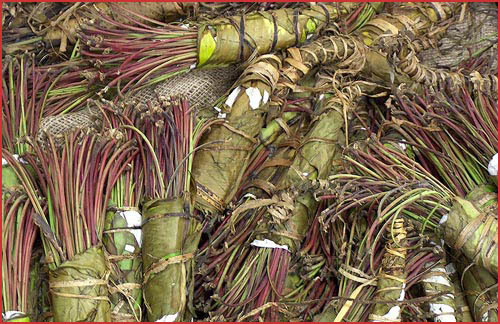
Mohamed Abdullahi Farmajo Government has just started bartering Somali maritime resources with the import of Qaat, a highly addictive stimulant used mostly by low-income residents of Somalia, from Ethiopia 🇪🇹. The drug has been destroying the social fabric of the society for generations now, with breakdown of traditional values and family bond. It has been reducing labour productivity drastically. Most security personnel in Somalia 🇸🇴 are addicted to the drug, a danger to public and national security. Below is an article I had authored a few years ago.

Kat (aka Qat, Chat, Khat) is Grave National Security Threat to Somalia

image001

(Photo: Courtsey of Wikipedia; Twitter message by Faisal Roble)

 If Somalia is to survive as a nation-state and having at least a normal functioning government with even average bureaucratic operations, it must urgently find effective solutions to the epidemic of Kat addiction among its population as a national priority. The problem is more than socio-economic issue. It is a grave national security threat as well.

 In the summer of 1997, I was a member of a delegation of the now defunct National Salvation Council (the NSC, aka Sodare Group) from Addis Ababa, Ethiopia, to Mogadishu, Somalia. The delegation members included NSC Co-chairmen, Ali Mahdi Mohamed and Abdullahi Yusuf Ahmed as well as Council members that included Mohamud Mohamed Guled (Gacmadheere), Duuliye Sare Abdi Osman Farah among others. We numbered about 13 men and one female. We were on our way to meet with an Italian delegation led by then Deputy Foreign Minister for Africa, Senator Serri, who was about to visit Mogadishu for the sole purpose of mediating between disputing Mogadishu warlords despite many other problems of Somalia. The vision of the Italian delegation on solving Somalia’s predicament was not beyond the Banadir Region at that particular time.

Abdullahi Yusuf’s intention in the mission was to disrupt the Italian visit (which he did successfully) while Ali Mahdi’s was to win over the Italian favor against Hussein Aidiid and Osman Ali Atto.

We made a two-day stop-over in Djibouti. The Prime Minister of Djibouti then, Barkat Gourad Hamadou, honored us with a lavish luncheon with tender baby-goat’s meat and other delicacies of Djibouti at his residence. After the lunch, we were taken to a large and well furnished room with an Arabic seating with soft cushions specifically designed for long-time session in comfort for Kat indulgence, gossiping experience, news and secrets debriefing under the “high” influence of the stuff. In front of every person a bazooka-like wrapping was placed and a  large silver tray full of the tools of the trade: A big and tall golden tea thermos, crystal glasses, shining and engraved tea-mugs, various branded cold soft drinks in plastic Coca Cola –type bottles and commercially distilled water in gravines with swimming crystal clear ice-rocks, all to be consumed in the breezing air-condition of the room- an artificial weather hide-out from the environment of burning heat of the City of Djibouti.

After a few chit-chats, Prime Minister Hamadou noticed that none of the members of our delegation was using the stuff as they were all non-chewers, at least, at that period of time. The Prime Minister was a bit annoyed and asked: “Why are you in civil war then, if there is nothing to fight for?” I guess we spoiled the daily indulgence session for our generous, high-level Djibouti host. Luckily, the conversation didn’t break up as we a had had a lot to discuss on Somalia, Somalia-Djibouti past and future relationships and the Horn of Africa, in general.

During those few years, I discovered, in separate sessions, that Ismail Omar Gheleh, the current President of Djibouti, was pondering about his desire to join his tiny country with Ethiopia as he was desperately convinced that Djibouti would not survive on its own. There was  rampant corruption in the seaport operations, the main revenue generating enterprise besides the high spending men of the French legionnaires at Djibouti night clubs. The City of Djbouti was on the verge of being taken over by the influx of Ethiopians, who needed no immigration papers to come in. It was only Puntland help in 1999 to commit him to Somalia’s National Reconciliation process, encouraging him to take it over from Ethiopia, an AU and IGAD Mandated Country for Somali National Reconciliation Process. President Abdullahi Yusuf convinced President Daniel arab Moi of Kenya to support President Ismail Omar Ghueleh to play the role. It was undoubtedly a diplomatic success that pushed Ethiopia aside from the Somali issues.  One may guess already why Ethiopia was not happy with President Yusuf lately. The second help came to Djibouti from post-9/11 World Order. Besides God’s wish, it was only these two factors that saved Djibouti from voluntary union with Ethiopia. Unfortunately, he betrayed Puntland State during the initial phases of the Arta Conference, a rift that eventually undermined the TNG of Abdulkassim Salad Hassan to pave the way for holding Embagati (Kenya) all inclusive and broad-based Somali National Conference and finally, the establishment of the Transitional Federal Government of the Somali Republic (TFG) in 2004, transforming it into the Somali Federal Republic in 2012.

Suddenly, the Prime Minister shared with us the socio-economic devastation Kat consumption has been causing on Djibouti at the time. He informed us that Djibouti was paying Ethiopia a hundred thousand US dollars daily, and that was only the portion of the payments that goes though from bank to bank. Think about residents who buy the stimulant on their own from individual Chat traders on the top of train and air passengers who also bring sacks of the green leaves to their families, relatives and friends in Djibouti cities.

On a number of occasions, I stopped over in Djibouti for a short stay. On multiple times, arriving at Djibouti International Airport, I used to see popular demonstration-like commotion at the gates of the airport-population rushing to the airport when Kat cargo delivery from Ethiopia is delayed for only a few hours. One would see custom and passport control officers whose mouths are asymmetrically filled with Qat and chewing it on the job. Think about the officers’ mental judgment and decision-making capability under the influence of the hyper-leaves at country’s highly sensitive and main border entry point.

The situation is even worse in Somalia with a few millions of US dollars spent every day on the habit. With no credible fiscal statics available, the country may be fast sinking into public and personal bankruptcy. A failed state desperately trying to recover from decades of civil war and total collapse of public services and institutions, has also population wholly consumed by the epidemic of daily Chat use, effectively destroying the socio-economic fabric of its society, abysmally curtailing manpower productive hours and bringing havoc to family livelihoods and relationships while it is also at same sometime constitutes an instigator and main source of corruption and loose social morals. A country with the geographical size larger several times than Italy or UK with porous long borders with Ethiopia and Kenya requires alert and non-Chat chewing security personnel and efficient bureaucracy.

The irony is that Somalis nowadays like to talk about safeguarding their sovereignty and territorial integrity, while at sometime allowing their neighbor states to dump poisonous addictive Kat to their citizens, drain their economy, disable their manpower and threaten their vital national security interests. Think about the real double-talk and double standard with a proverbial ostrich attitude!

Somalia has to come up with a solution to the menace of the Qat. While fully it is understandable that it is tough to try to ban the habit outright, at least a committee of experts should be immediately setup to study the problem and submit recommendations to competent bodies for, at minimum, regulating it and eventually outlawing it. Massive public education and media programs relating to its dangerous hazards to personal and public health should be initiated and launched immediately to stop the spread of the habit to young generation. Somalia cannot afford to continue to ignore its greatest, silent killer of its productive members of the society and the gravest national calamity posed by Kat trade. Please wake up!

LOOKING BACK AT SSF/SSDF CENTRAL COMMITTEE IN ETHIOPIA

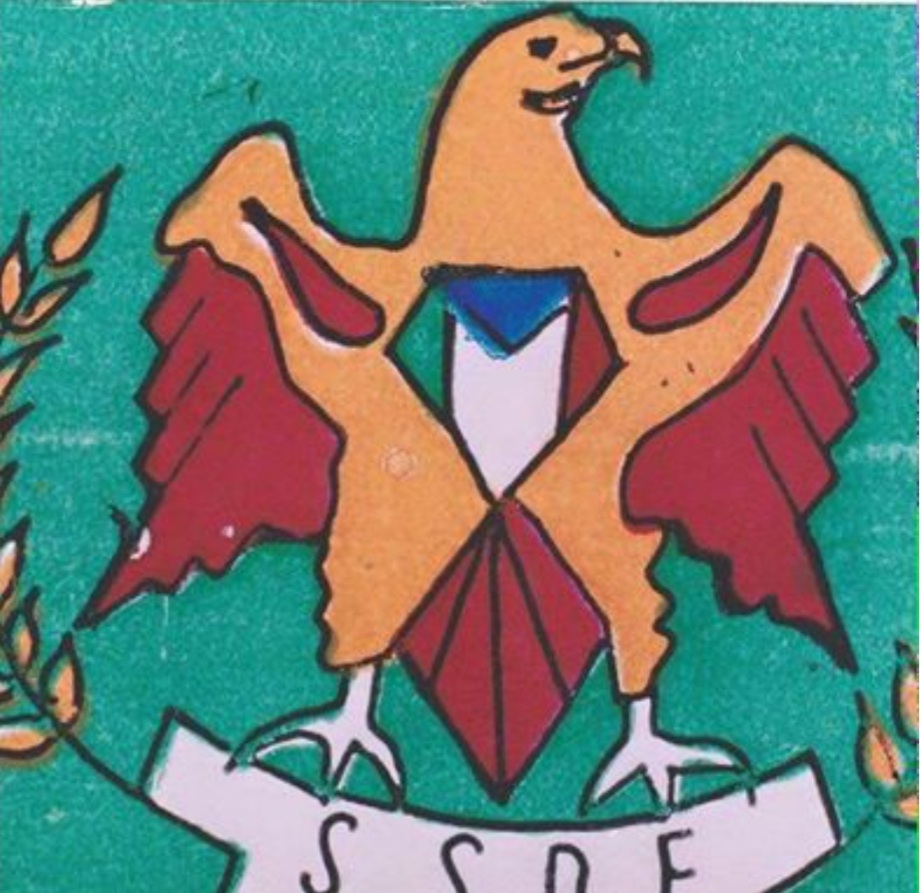
The Somali Salvation Front – SSF, (Jabhadda Badbaadinta Soomaaliyeed), the first Somali Political and armed opposition against the Military Junta of General Siad Barre was formed by Somalis in-exile and defectors from the Somali National Army on the 8th of February 1979, and launched a powerful broadcasting short-wave station -The Radio Kulmis, at the same day. The SSF 23-strong Central Committee was hailing and composed from all parts of Somalia. This included:

  1. Mustafe Haji Nur, the Secretary-General of the SSF, was from Hargeisa, Isak Community, Habar Awal.
  2. Hagi Omar Mohamed Sterling, First Deputy, from Mogadishu, Hawiye Community, Abgaal.
  3. Col. Cabdullahi Yusuf Ahmed, Second Deputy, from Galkayo, Majertein Community, Omar Mohamud.
  4. Mohamed Mohamud Shandiile, Third Deputy, from Dhusamareb, Hawiye Community, Cayr.
  5. Osman Nur Ali Qonof, from Qardho, Majeerten, Osman Mahamud.
  6. Ismail Daud Egal, from Barbera, Isak Community, Habar Awal.
  7. Ali Hamdulle Togdheer, from Burco, Isak Community, Habar Yunis.
  8. Col. Abdulkadir Warsame Galbeyti (Abdulkadir-Ex) from Hobyo, Hawiye Community, Sa’ad.
  9. Yusuf Dirir Cabdi, from Erigabo, Isak Community, Habar Yunis.
  10. Abdi Ahmed Rooble, from Bali-Gubadle, Isak Community, Arab.
  11. Col. Abshir Muse Said, from Qardho, Majertein, Osman Mahamud.
  12. Saleman Dahir Afqarshe, from Las-Anod, Dhulbahante, Naaleye Axmed.
  13. Dr. Abdisalam Aw-Samatar, from Garowe, Majertein Community, Isse Mahamud.
  14. Col. Awil Jama Hersi, from Gaashamo, Isak Community, Habar Yunis.
  15. Dr. Hassan Ali Mireh, from Galkayo, from, Majertein Community, Omar Mohamud.
  16. Cabdullahi Ali Hassan, from Adaado, Hawiye Community, Saleman.
  17. Col. Mohamed Ali Hoori, from Dhahar, Warsangeli, Dubeys.
  18. Abdirahman Sugulle Haabsay, from Galkayo, Majertein, Omar Mohamud.
  19. Mahamud Einanshe Guled, from Odweyne, Isak Community, Habar Yunis.
  20. Col. Mohamed Abshir Ali Weyrah, from Burtinle, Darood, Awrtable.
  21. Hersi Magan Isse, from Galkayo, Majertein, Osman Mahamud.
  22. Sayidiin Hassan Jabaan, from Bosaso, Majertein, Wabeneye.
  23. Abdullahi Hagi Elmi, from Kismayo, Majertein, Isse Mahamud.
    Taken from SSF/SSDF/Q/Archives.

https://amazon.com/author/ismailwarsame

Sorry! This product is not available for purchase at this time.

PROFESSOR ABDISALAM SALWE OF EAST AFRICA UNIVERSITY (BOSASO, SOMALIA) ON WARSAME DIGITAL MEDIA WDM

I read with interest your publication which I found very useful and on time as Somalia is passing through one of its worst time in history. I also liked the way you have been trying to transmit your publication through social media as today the social media has become the most essential tool to convey messages.

Another style that I liked is your technique of shortening and highlighting the messages. As we know, today Somali habit of reading has become lower than in the seventies and eighties.

https://www.smashwords.com/books/search?query=Ismail+warsame

For example, I read the article “Private Sharia Courts Have Started Operating in Garowe City”. The truth is the Islamists are everywhere and they have been trying to create a government under a government.

I can say that “you have been saying what I always wanted to say to the public”. Thank you for that.

In the meantime, in some of my publications, I have discussed the colonial intrusion in Somalia. They can found online:

The Historical Context of the Conflict of the Horn
(in Abdisalam M. Issa-Salwe, Cold War Fallout: Boundary Politics and Conflict in the Horn of Africa, Haan Associates Publishers, 2000)
https://wardheernews.com/wp-content/uploads/2013/06/The_Historical_Context_of_The_Conflict_of_the_Horn.pdf

Colonial Intrusion and the Somali Resistance
https://www.slideshare.net/binsalwe/colonial-intrusion-and-the-somali-resistance
The Collapse of the Somali State: The Impact of the Colonial Legacy. Haan Associates Publishers, 1996, pp.25-55.

https://amazon.com/author/ismailwarsame

PUNTLAND HAS MADE HISTORY. AN IMPORTANT INTERVIEW

Take a watch:

https://fb.watch/6gc29xY4sN/

https://amazon.com/author/ismailwarsame

WHY SICK PUNTLANDERS GO TO HARGEISA AND MOGADISHU

https://ismailwarsame.blog/2019/03/22/why-sick-puntlanders-go-to-hargeisa-and-mogadishu/

BREAKING NEWS

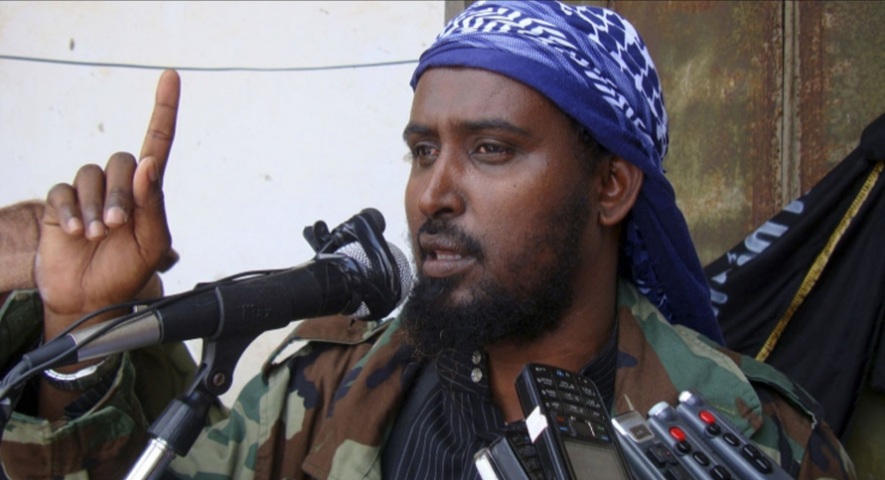
According to reliable intelligence sources, the notorious long time Spokesman of the extremist movement in Somalia, Al-Shabab, Mr. Ali Dheere, is gravely sick with cancer. The terrorist organization is reportedly seeking entry visa clearance from the Gulf State of Qatar for his emergency medical attention.

According to the source, the intelligence agencies of the Federal Government of Somalia have already secured the exit clearance for Ali Dheere from Mogadishu Airport for evacuation to Doha. Stay tuned.

https://amazon.com/author/ismailwarsame

HISTORY OF MODERN SOMALIA SET STRAIGHT

The resistance against Italian colonial conquest of Southern Somalia started with the Kingdom of Boqor Osman in Bargaal and Sultanate of Keenedid in Obyo in former Mudugh Region in early 20th Century. Italian Navy had used warships to bombard the Seat of Boqor Osman in Bargaal on the shores of Indian Ocean in Eastern Somalia.This was followed by Northen Derwish Movement of late Sayid Mohamed Abdulle Hassan, better known as Ina Abdulle Hassan by Somalis or Mad Mullah by the British colonial Military Administration of Somaliland Protectorate (the best good book about the Sayid’s Movement called ” The Divine Madness” was written by Prof. ABDI sheikh Abdi). This movement mainly focused on fighting the British occupation in the North of the country. It was religious/nationalistic armed organization taking cues and inspiration from Mahdist Movement in the Sudan then.

About the same time or a bit earlier, deep in the South, there was Sheikh Hassan Barsame’s struggle with the Italian Colonial Administration. This resistance, however, was about Sheikh’s wish for the preservation of slavery for the plantation fields of his community in lower Shabelle Region. The Italians wanted to abolish slavery under pressure from the provisions of the European Accord on suppressing slavery (The 1926 Slavery Convention or the Convention to Suppress the Slave Trade and Slavery was an international treaty created under the auspices of the League of Nations and first signed on 25 September 1926).

Ahmed Gurey’s Movement in Abyssinian Campaign ( known as Ahmed Gran by the Ethiopians) was religious in nature rather than a national movement for freedom. “Fatuh Al-Habasha” or the Opening/Penetration of Abyssinia is the best literary works written on Gurey’s Campaign.

The struggle for national independence continued with the rise of the Somali Youth League (SYL) from 1943, forming the first post-colonial national government of the Somali Republic in 1960 under the unification of former colonies of the South and North of the country, until it was overthrown by Military Junta in 1969, leading to the collapse and state failure in 1991. That was the end of the Somalia’s 1st Republic.

The 2nd Somalia’s Republic (with the Federal Government of Somalia) was founded in October 2004 under National Peace and Reconciliation Congress, 2002-2004, in the town of Mbagati, Kenya. Villa Somalia was liberated by the forces of the Founder of the 2nd Somalia’s Republic, the late President of the Transitional Federal Government (TFG), Abdullahi Yusuf, in 2006. Some Somalis were made to believe that Ethiopian soldiers had assisted Mr Yusuf in liberating the Villa. That is far from the truth. The Ethiopians had entered Mogadishu after a few days after Mr. Yusuf had seized and restored Somalia’s Presidency. Yusuf’s Government had rehabilitated and repaired Villa Somalia. In the words of former Somalia’s president Sheikh Sharif Sheikh Ahmed, “not a teaspoon was missing from the Villa as I came in”

Mogadishu Airport was re-opened by now defunct Union of Islamic Courts (UIC/ICU) after many years of stateless Somalia, but, it was rehabilitated and expanded by Yusuf’s government, renaming it Aden Abdulle International Airport. It also had made the Mogadishu Harbor operational and returned it to government control for the first time since 1991.

https://amazon.com/author/ismailwarsame

Watch “Chuck Todd Breaks Down The Timeline Leading Up To Capitol Riot” on YouTube

HARDENING OF ATTITUDE

https://ismailwarsame.blog/2015/02/16/hardening-of-attitude/

HOW TO HANDLE CORRUPTION IN A DEEPLY CORRUPT SOCIETY

https://ismailwarsame.blog/2019/03/17/how-to-handle-corruption-in-a-deeply-corrupt-society/

SEASONAL OR PHONEY HOTEL BUSINESS IN GAROWE?

There is a growing tendency towards building and opening new hotels in Garowe, Puntland, Somalia, continually. The imitation or modeling of this hospitality industry one after another is intensive here. Occupancy is at minimum with many of the hotels in city empty. That is because hotel occupancy heavily depends on the presence of the State President in town, many anxiously waiting for his return to Garowe once he is shortly unavailable.

This is one of the factors that critics call Puntland successive administrations “Madax-Ka-Nool” or a government by one figure head. Nothing moves here without that figure, the biggest employer in town, after private small businesses. Since many of Puntland residents are unskilled due to poor educational background and total absence of vocational training, it is easier for them to seek government jobs through recommendations to the State President, who has the sole power to hire without the need for personnel screening or vetting candidates through professional and security agencies. That is why hotels in Garowe are built upon unsound business propositions with duplications upon duplications of typical Somali imitation from the other guy or the neighbor, to accommodate these government job hunters or in pursuit of favors from the State officials. Occasionally, Garowe hotels are lucky to host dignitaries and delegations from South-Central Somalia. Nobody visits Garowe hotels from Somaliland or Djibouti. Puntlanders, though, are frequent guests in Mogadishu, Hargeisa and Djibouti, for business and pleasure.

Garowe isn’t familiar yet with the idea of guest-housing called BnB (bed and breakfast lodging). They don’t build furnished apartments for rent. Since the city was historiclly one of backward towns in Northeast Somalia before the foundation of Puntland in 1998, luckily acquiring capital city status, locals are trying their best to catch up with lost time and lack of economic resources in the past. They are now taking advantage of Puntland’s Madax-Ka-Nool situation. Like Mogadishu does in Somalia, Garowe is privileged to siphon in more than its fair share of Puntland’s economic resources and benefits of the State that come with being the Capital City.

https://amazon.com/author/ismailwarsame

Geopolitics around Somalia


Aneela Shahzad May 28, 2021

the writer is a geopolitical analyst she also writes at globaltab net and tweets aneelashahzad

The writer is a geopolitical analyst. She also writes at globaltab.net and tweets @AneelaShahzad


Remember the February 2017 elections in Somalia, when nine out of 24 presidential candidates were American passport holders. There was no public voting and elections were held in an airport hangar at Aden Adde International Airport, in Mogadishu, under a heavy guard, as no other than the parliamentarians and officials were allowed in.

The winning candidate, Mohamed Farmaajo, who had been based in the United States since 1988, was flown into Mogadishu from New York on the morning of the election, into the heavily guarded airplane hangar. And now after enjoying a four-year lottery ticket to the presidency, he will probably go back to live happily ever after in the US, if not re-elected with the help of his maneuverings.

A short history of Somalia is that, in colonial times the land of the ethnic Somalis was torn into French Somaliland, Italian Somaliland, British Somaliland, Ethiopian Somaliland and the Kenyan North Frontier District. At independence parts of this land were thrown into Ethiopia, Kenya and Djibouti — thus the seeds of provincial clan-based politics and of never-ending cross-border grievances were sown.

After independence in 1960, Somalia and Ethiopia, because of their conflicts, became an active theater of the Cold War, Somalia being aided by the Soviets and Ethiopia by the US. Later in the early 1990s, when president Said Barre fled from the country, Somalia was thrown into the US camp. As it happened, while the Soviets had been supplying arms and funds to Barre’s government only — the US made the policy of letting their arms reach to the clan-heads — thus converting cities, harbours and airports into self-proclaimed autonomous regions, with practically no central authority.

Since then, Somalia has been a divided country, whose strings are constantly being pulled by outside powers and international organisations like the United Nations Assistance Mission in Somalia (UNSOM) and the African Union (AU). Al Shabab originated in Somalia in 2003, about the same time when Al Qaeda affiliates were sprouting all over the Muslim World. At about the same time, in 2001 the US established its Combined Joint Task Force-Horn of Africa (CJTF-HOA) in neighboring Djibouti.

This picture tells us a bit about how complicated the politics of Somalia, that has practically been divided into warring autonomous regions, like that of Puntland, Somaliland, Galmudug and others, each of which potentially has ties with foreign benefactors. And these benefactors are not necessarily far away ones, but may lie within the Horn of Africa. Kenya and Ethiopia, that have Somali populations striving for separatism, have often joined forces to counter these forces and their friends inside Somalia.

Last year Somalia accused Kenya of interference in its elections in Jubaland, where Kenya allegedly tried to help President Ahmed Madobe retain his power in the semi-state.

In neighbouring Ethiopia, where the Tigray province has rebelled against the center in November, Abiy Ahmed is accused of outsourcing his counterinsurgency against the Tigray to Eritrean soldiers and also of using the same in his border conflict with Sudan. It has also surfaced that President Farmaajo has used Ethiopian troops against local opponents in Somalia and has allowed Somali soldiers to fight in Ethiopia.

It seems that in the Horn of Africa boundaries of states don’t matter much and that leaders are playing across border as inter-family feuds are played. Clan leaders, insurgency groups, and militias hold as much sway as government forces may be having, and in fact the government are fighting their wars with the help of the tribals and militias. But what has magnified the complexity of the Horn to a point of hopelessness, is the amassing of foreign militaries in the Horn, especially in Eritrea and Djibouti. Eritrea’s President Isaias Afwerki has built an entire economy centered on seeking economic rents from mercenaries and military bases that he allows to be formed in his country — so much so that it has become the only industry that employs Eritrean youth — as the youth are bound to undertake compulsory national service in the military. The same is the case in Djibouti, that is home to military bases of France, US, China, Italy, Japan, while UAE and Saudi Arabia are in the process of making their bases here too. The mere stationing of opposing forces, so close, in the Horn of Africa, makes it vulnerable to conflict and war, and the mere presence of such forces allow them to interfere in or affect the politics of the region and its states. And their mere presence also opens the way for smuggling of illegal small arms into the areas, which in turn strengthens the militias and emboldens them to commit heinous crimes such as systemic ethnic cleansing, rape, starvation, and massacres — crimes that have reportedly sharply risen in this year.

Certainly, as much as Africa is a resource-curse continent, it is also a media-blackout one. So, most of us remain unmoved by facts like; in the last six months alone, the Tigray conflict has displaced more than two million people in Ethiopia; or that infighting in Mogadishu, since mid-April when Farmaajo announced extension of his term, 100,000 people have been displaced from the city.

So, what policies of Western favourites Farmaajo, Abiy and Afwerki have done, are to destabilise the Horn further. The Tigray War has put the existence of Ethiopia as one nation into question; Farmooja has only deepened the divide between self-ruling regions of the state by playing one against the other; and Afwerki has played his part in feeding and fueling militias and mercenaries.

Nor have international platforms like the African Union’s Peace and Security Council, the UNSOM, or the Intergovernmental Authority on Development (IGAD) been able to bring the region any closer to peace and stability — reason being, that covert forces and political interest prey upon the larger interests of the common people — and because for some, a destabilised Horn of Africa, at the brink of breaking down is more lucrative than a stable, sovereign, self-supporting and peaceful set of states at the opening of the Red Sea.

Published in The Express Tribune, May 28th, 2021.

Like Opinion & Editorial on Facebook, follow @ETOpEd on Twitter to receive all updates on all our daily pieces

WARSAXAAFEED KU SAABSAN DHALINYARADA SOMALIA EE KU MAQAN ERITREA 🇪🇷

https://amazon.com/author/ismailwarsame

PUNTLAND: ARE PARENTS SPOILING CHILDREN? AN ALARMING SITUATION

https://ismailwarsame.blog/2019/04/18/puntland-are-parents-spoiling-children/

DHULBAHANTE YOUTH REFUTE ELECTIONS TOOK PLACE IN SOOL AND AYN REGIONS

Youth of Dhulbahante origin in Mogadishu denounce Somaliland’s claim of holding elections in Sool and Ayn Regions.

https://amazon.com/author/ismailwarsame

GALKAYO: THE DYSTOPIAN CITY OF SOMALIA

https://ismailwarsame.blog/2021/06/15/galkayo-the-dystopian-city-of-somalia/

GALKAYO: THE DYSTOPIAN CITY OF SOMALIA

It is the target of folklore jokes for different reasons:

  1. It produces daring and assertive residents, characteristics considered negative or derogatory by more urban residents of old Mogadishu, and by others as well.
  2. It attracts envy from rest of Somalia for contributing the finest soldiers to the Somali National Army.
  3. It is the home town of prominent Somalia’s politicians, leaders and top military officers.
  4. It had led the way in the struggle for national independence. For the bravery of its residents, Italian Colonial Administration Authorities called it “Rocco Littorio”, after the name of Italian Warship for brave soldiers.
  5. Galkayo was the epicenter of repression and persecution by the Military Dictatorship of General Barre for no good reasons other than the strong character of its residents.

Lately, since the foundation of Puntland State, Galkayo and entire North Mudugh Region had been neglected in terms of good governance and development projects, dismissing it as nuisance frontier and despicable Puntland trouble spot. It has been left to its own device as irredeemable enclave and ungovernable location of the State. Since the inception of Puntland State Galkayo has been suffering from Administrative vacuum. Regional authorities there were appointed in nominal fashion without any meaningful State backup to address the the unique chronic issues and historical problems in the absence of well-intended governance strategy. The City has been treated as an outcast in the family. Even Galkayo road links to the rest of Puntland State had been disowned and allowed to deteriorate beyond repair. It is now three times easier and faster to travel more than four hundred Kms on the way to Bosaso on the shores of the Red Sea in the east than to drive a little more than two hundred Kms to Galkayo from Garowe, the main administrative center of Puntland State. Any vehicle that reaches Galkayo safely from Garowe would need total overhaul and expensive repairs. A multi-clan Somalia’s town of a quarter million residents with the potential to become the future National Capital City has been let go to ruin and rot.

As a result of despair due to neglect, residents of Galkayo became disillusioned and lost any hope in the future. Youth have been taken advantage of by Al-Shabab and other extremist organizations of all forms and shapes. Youth have been recruited as killers and murderers of their own kinship. Even elders gave in to Al-Shabab intimidations.The cream of its residents had been assassinated by local hopeless youth under the spell of Al-Shabab. For the first time, strange questions on whether Galkayo belongs to Puntland or Galmudugh were raised. Some residents of the city have been contemplating the idea of seceding from Puntland altogether since being part of the State has lost all meaning. In the words of the New Governor of North Mudugh Region, Abdilatif Sanyare, “Galkayo was no different from the two regions of Shabelles” in Southern Somalia with regards to the menace of Al-Shabab terror.

Most recently, a break has come to the residents of North Galkayo:

  1. Relationships and good neighborliness with the Southern Galkayo have significantly improved.
  2. Relative security and calm have returned to the City of Galkayo in both parts of the town.
  3. Dozens of Al- Shabab assassins have been apprehended and persecuted, a security campaign still underway as we write this article. These prisoners of Al-Shabab assassins have been narrating, in their debriefings, graphic details of their murder exploits. But, it is still premature to conclude that the Dystopian Somalia’s City of Galkayo is out of the woods. It is too good to see Galkayo that lucky.

https://amazon.com/author/ismailwarsame