
WAPMEN Editorial
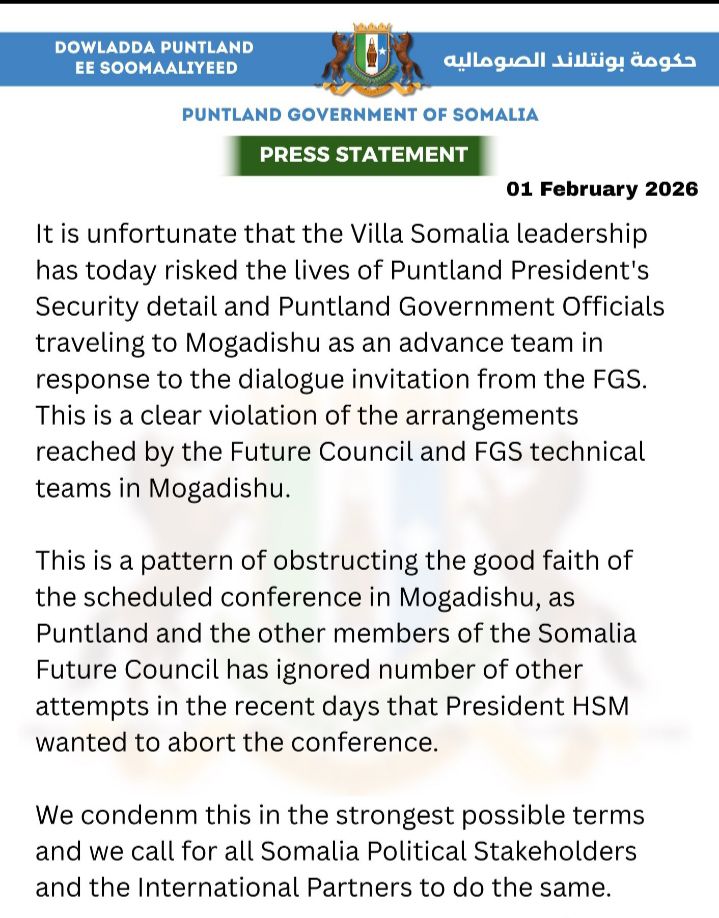
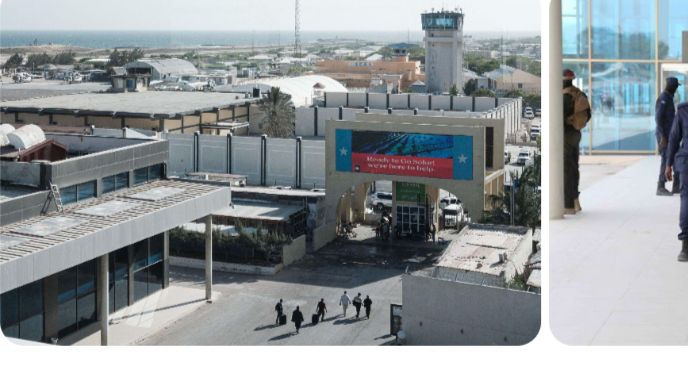
The ban on entry of Puntland and Jubaland presidential advance security teams at Mogadishu Airport is not a “procedural hiccup.” It is a political message delivered at gunpoint. And it confirms—point by point—what WAPMEN has warned for months: by retreating into hesitation and optics, Said Abdullahi Deni handed Hassan Sheikh Mohamud a golden opportunity to rule Somalia hands-free.
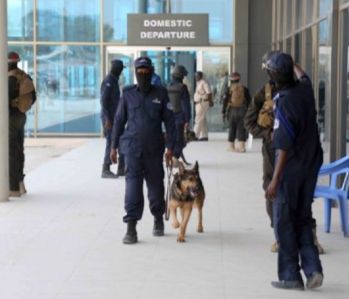
Let us be blunt. Advance teams are sovereignty. You do not invite presidents and then disarm their presence. You do not convene a national dialogue and then monopolize security as a tool of coercion. When the Federal Government of Somalia (FGS) blocks the security details of federal member states ahead of an FGS–Golaha Mustaqbalka Soomaalia meeting, it is not safeguarding order—it is rehearsing submission.
From Dialogue to Detention
Once President Deni reluctantly agreed to return to Mogadishu, the mask fell. The calculation in Villa Somalia was immediate: if Puntland can be shepherded back without leverage, then everyone can be managed. Hence the airport ban. Hence the threat to derail a scheduled meeting. Hence the sudden bravado. This is how capitulation invites contempt.
Those who urged Deni to challenge the center before stepping into its trap were not warmongers; they were realists. Today, they are vindicated. Because what followed was predictable: a president emboldened, a capital turned into a checkpoint, and federalism reduced to a photo-op under someone else’s guns.
Federalism by Permission Is Not Federalism
This episode exposes a dangerous doctrine: federal leaders may enter the capital only by permission, and remain only under supervision. That is not a union; it is a city-state asserting dominance. If Puntland and Jubaland accept this precedent, tomorrow it will be parliaments barred, ministers vetted, and mandates negotiated at the tarmac.
Security is not neutral in Somalia—it is political currency. Whoever controls the airport controls the narrative, the timing, and the outcome. By allowing Mogadishu to weaponize access, the opposition surrendered initiative and allowed the FGS to dictate the choreography of “dialogue.”
The Price of Hesitation
Leadership is about setting red lines before crossing thresholds. Deni crossed the threshold first and tried to draw the line later. The result? A humiliating reminder that power respects firmness, not faith. Hassan Sheikh Mohamud did not “get mad”—he recognized weakness and acted accordingly.

What Must Change—Now
No meetings without the parity of security (but no walking away either). If advance teams are barred, talks are suspended—publicly and collectively until security issues are adequately resolved.
Collective leverage. Puntland and Jubaland must move in lockstep; divided arrivals invite divide-and-rule.
Reclaim the agenda. Dialogue cannot proceed under unilateral security diktats. Federalism is not a favor; it is a fact.
Somalia does not need another theatrical summit staged under coercion. It needs principled resistance to creeping centralization. The airport ban is a warning shot. Ignore it, and the next ban will not be about security teams—it will be about political relevance itself.
WAPMEN stands by its assessment: this was avoidable. And unless corrected immediately, it will be repeated—because the hands-free rule thrives on hesitation.
——–
Warsame Policy & Media Network, WAPMEN
Fearless. Independent. Accountable Journalism.
 Warsame Policy & Media Network (WAPMEN)