Review: The Sword That Broke Terror – How a Small Somali State Defied the Odds and Crushed ISIS

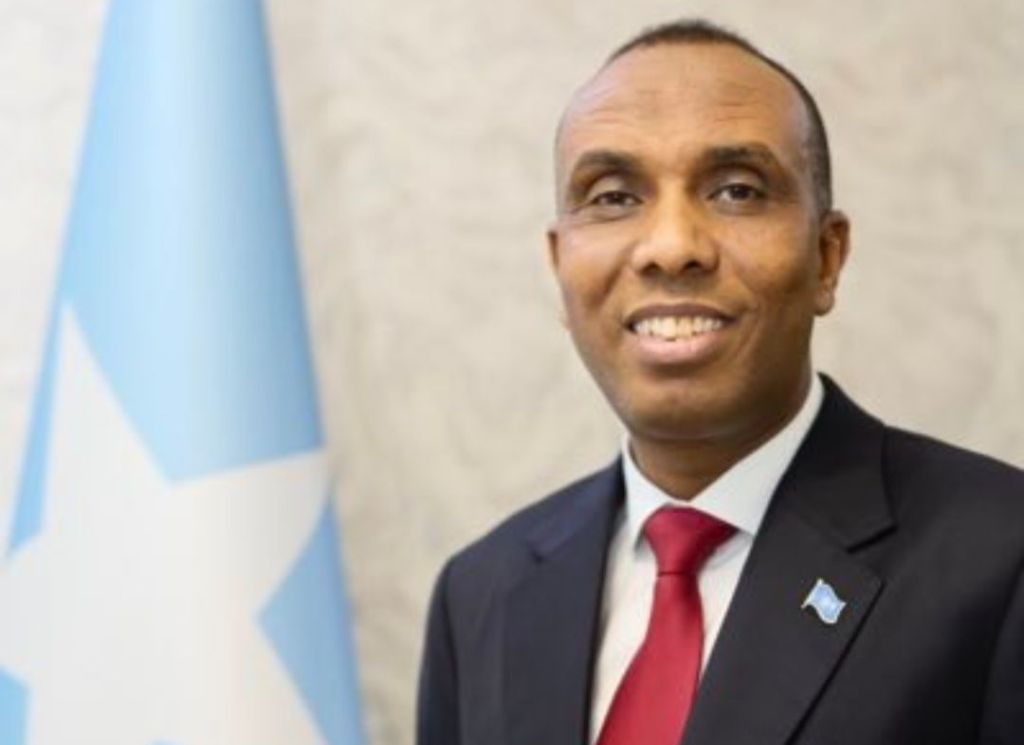
Said Abdullahi Deni

Every so often, a book comes along that doesn’t just tell a story—it redefines how we think about courage, leadership, and what’s truly possible in the fight against terrorism. The Sword That Broke Terror is that book.

Set against the harsh backdrop of northern Somalia’s Calmiskaad mountains, this 400-page powerhouse chronicles how Puntland, an often-overlooked region, pulled off one of the most stunning counterterrorism victories in recent memory. With no support from Somalia’s federal government, minimal resources, and a heavily fortified ISIS enemy, Puntland’s forces achieved what some of the world’s strongest militaries couldn’t.

What makes this book so compelling isn’t just the action (though there’s plenty of that—think mountain raids, drone warfare, and night assaults). It’s the broader message: that victory doesn’t always come from numbers or high-tech gear. Sometimes, it comes from unity, grit, and fearless leadership.

The book doesn’t shy away from making bold comparisons—drawing sharp lines between Puntland’s triumph and the failures of more powerful nations like the U.S. in Afghanistan or Nigeria’s ongoing struggle with Boko Haram. These comparisons are sobering but necessary, and they elevate the story from regional success to global significance.

Beyond the battlefield, The Sword That Broke Terror dives into political dysfunction, especially highlighting the Somali federal government’s two-decade struggle against Al-Shabaab. It’s a tough but fair critique, backed by facts and history.

Why you should read it:

It’s inspiring and deeply relevant.

It challenges assumptions about power and military effectiveness.

It tells a story that the world has largely ignored—but desperately needs to hear.

Whether you’re into military history, African affairs, or just love stories about underdogs flipping the script, this book is a must-read.

Bottom line:
The Sword That Broke Terror is not just a book. It’s a wake-up call—and a reminder that sometimes, the strongest sword is forged not in steel but in unity, determination, and the will to fight for what’s right.

The Cancellation of Somali National Army Day: A Symptom of Systemic Security Challenges

The cancellation of this year’s Somali National Army Day (April 12) marks a sobering moment for Somalia, underscoring the profound struggles facing its armed forces. The decision, attributed to shortages of personnel, funding, and equipment, is not merely a logistical setback but a symbolic indictment of the systemic issues plaguing the nation’s security apparatus. This development reflects decades of instability, underscoring the urgent need for comprehensive reforms to stabilize a country still grappling with existential threats.

Historical Context and the Army’s Role

Since the collapse of the central government in 1991, Somalia has endured cycles of conflict, warlordism, and insurgency. The Somali National Army (SNA), once a symbol of national pride, disintegrated during this period, leaving the country vulnerable to fragmentation. Efforts to rebuild the SNA over the past two decades have been central to restoring state authority, particularly in the fight against Al-Shabaab, the Islamist militant group that controls swathes of rural Somalia. The SNA’s role extends beyond combat; it is a pillar of state legitimacy, critical to securing governance, elections, and public trust.

The Triad of Crises

  1. Personnel Shortages: The SNA’s capacity is hamstrung by a lack of trained soldiers. Factors include low recruitment, high casualty rates, desertions due to unpaid salaries, and competition from regional forces and militias. Reports suggest that the SNA’s operational strength is far below the projected 20,000 troops needed, with many units existing only on paper.
  2. Funding Deficits: Somalia’s government, burdened by limited domestic revenue and debt, relies heavily on international donors to fund its security sector. Corruption and mismanagement exacerbate the problem, with leaked audits revealing that stipends for soldiers often vanish before reaching frontline troops. This financial precarity undermines morale and operational effectiveness.
  3. Equipment Gaps: Outgunned by Al-Shabaab, which profits from illicit taxation and smuggling, the SNA lacks modern weapons, armored vehicles, and communication systems. Soldiers frequently report entering battles with outdated gear, placing them at a severe disadvantage.

Broader Security Implications

The SNA’s weaknesses have dire consequences. Al-Shabaab continues to launch devastating attacks, including recent assaults on military bases and hotels in Mogadishu. The army’s reliance on the African Union Transition Mission in Somalia (ATMIS, now AUSSOM) and foreign donors—such as the U.S., Turkey, and the EU—highlights a precarious dependency. While international partners provide training and equipment, their support is often inconsistent or undermined by local corruption.

Moreover, the cancellation of Army Day erodes morale and public confidence. The event, meant to honor sacrifices and foster unity, instead becomes a reminder of institutional neglect. For soldiers risking their lives without adequate pay or protection, this symbolic blow may deepen disillusionment.

Pathways to Reform

Addressing these challenges requires a multi-pronged approach:

  • Security Sector Reform: Streamlining the SNA’s structure, improving accountability, and professionalizing ranks through rigorous training.
  • Domestic Revenue Mobilization: Expanding tax collection and combating corruption to reduce reliance on volatile foreign aid.
  • International Coordination: Ensuring donor funds are transparently managed and aligned with Somalia’s priorities, not external agendas.
  • Community Engagement: Winning local support by integrating clan militias into formal structures and addressing grievances that fuel Al-Shabaab’s recruitment.

Conclusion

The cancellation of Somali National Army Day is a poignant metaphor for a nation at a crossroads. While the government has made security a stated priority, progress remains hamstrung by systemic dysfunction. Without urgent reforms, the SNA’s vulnerabilities will persist, leaving Somalia trapped in a cycle of fragility. The international community must recalibrate its support, but ultimately, Somalia’s future hinges on its ability to forge a resilient, sovereign security force—one capable of defending its people and reclaiming its dignity.

Review: The Age of Forever Wars – Why Military Strategy No Longer Delivers

Andrew J. Bacevich’s the Age of Forever Wars is a critical examination of the failures of modern military strategy, particularly in the context of America’s prolonged and inconclusive conflicts in the Middle East and beyond. A retired Army colonel and historian, Bacevich argues that the U.S. has entered an era of endless warfare, where traditional notions of victory and defeat no longer apply—yet policymakers continue to rely on military force as a primary tool of statecraft.

Key Themes and Arguments

  1. The Illusion of Victory – Bacevich dismantles the idea that modern wars can be “won” in the conventional sense. From Vietnam to Iraq and Afghanistan, the U.S. has repeatedly misjudged the political and cultural complexities of its interventions, leading to quagmires rather than decisive outcomes.
  2. Militarized Foreign Policy – The book critiques the over-reliance on military solutions for geopolitical problems. Bacevich highlights how the post-9/11 era saw an unprecedented expansion of U.S. military engagements, often with little strategic coherence or measurable success.
  3. The Costs of Forever War – Beyond battlefield casualties, Bacevich emphasizes the financial, moral, and societal toll of perpetual conflict. The trillions spent on war, the erosion of civil liberties, and the normalization of endless deployments have, in his view, weakened rather than strengthened American security.
  4. Strategic Myopia – The U.S. foreign policy establishment, Bacevich argues, suffers from a failure to adapt. Instead of reevaluating failed strategies, leaders double down on militarism, driven by institutional inertia, defense industry influence, and a misguided belief in American exceptionalism.

Strengths and Weaknesses

Bacevich’s analysis is sharp, well-researched, and persuasive, particularly in his critique of the bipartisan consensus favoring military intervention. His personal experience as a career soldier lends credibility to his arguments.

However, some readers may find his pessimism overwhelming. While he effectively diagnoses the problem, his proposed solutions—greater restraint, diplomatic engagement, and redefining national security—remain broad and face significant political obstacles.

Conclusion

The Age of Forever Wars is a vital read for anyone concerned with U.S. foreign policy and military strategy. Bacevich’s sobering assessment forces a reckoning with the reality that more firepower does not equate to lasting success. In an era where new conflicts continually emerge, his call for a fundamental rethink of America’s approach to war is both timely and necessary.

Rating: 4.5/5 – A compelling, if grim, analysis that challenges conventional wisdom on warfare and security.

Unmasking Deception: Prime Minister Hamse Abdi Barre’s Laascaano Visit and the Imperative for SSC-Khatumo Vigilance

Introduction
Prime Minister Hamse Abdi Barre’s recent visit to Laascaano has ignited controversy, with critics alleging that its stated objectives—promoting federal unity and recognizing SSC-Khatumo’s administrative status—mask a deeper, more politically charged agenda. Behind the rhetoric of empowerment lies a two-fold mission: advancing President Hassan Sheikh Mohamud’s contentious electoral reforms and negotiating the release of Somaliland detainees. This essay dissects the alleged deception, urging SSC-Khatumo leaders and residents to scrutinize federal overtures and prioritize regional sovereignty.

Context: SSC-Khatumo’s Precarious Position
The SSC-Khatumo region (encompassing Sool, Sanaag, and Cayn) has long been a flashpoint in Somalia’s complex territorial disputes. While Somaliland claims the area as part of its self-declared independent state, SSC-Khatumo seeks autonomy under Somalia’s federal system. The Federal Government of Somalia (FGS), led by President Mohamud, has intermittently engaged the region, balancing promises of inclusion with strategic political maneuvers. Against this backdrop, Barre’s visit emerges as a critical test of trust.

The Two-Fold Agenda: Beneath the Surface

  1. Electoral Engineering via NIRA:
    The establishment of a National Identification & Registration Agency (NIRA) office in Laascaano, framed as a step toward “one person, one vote” elections, raises red flags. Critics argue that Mohamud’s electoral model risks centralizing power under Mogadishu, using SSC-Khatumo as a testing ground to legitimize federal authority. By positioning the region as a polling station, the FGS may co-opt local governance structures, marginalizing SSC’s autonomy in favour of top-down control.
  2. Prisoner Release: A Bargaining Chip?
    Barre’s purported efforts to free Somaliland-linked prisoners in Laascaano suggest backdoor negotiations with Hargeisa. While framed as humanitarian, this move could undermine SSC-Khatumo’s resistance to Somaliland’s territorial claims. Trading detainees for political favors risks normalizing Somaliland’s presence in the region, eroding SSC’s stance against external domination.

The Smokescreen of Federal Recognition
The FGS’s pledge to recognize SSC-Khatumo as a federal administration is lauded as progress. Yet, this gesture lacks substance without enforceable commitments to resource-sharing, security, or self-governance. Historically, Mogadishu’s recognition of regions has often served as a tool to dilute dissent rather than empower. By dangling administrative status, the FGS may seek to co-opt SSC leadership, diverting attention from contentious agendas like electoral reforms and prisoner swaps.

Implications for SSC-Khatumo
The region faces three critical risks:

  1. Political Exploitation: SSC-Khatumo could become a pawn in federal-Somaliland negotiations, with its sovereignty bargained away for Mogadishu’s interests.
  2. Erosion of Autonomy: NIRA’s presence might enable federal overreach, supplanting local decision-making with centralized electoral controls.
  3. Distraction from Priorities: The theatrics of recognition could sideline urgent needs—security, development, and reconciliation—in favor of symbolic federalism.

Conclusion: A Call for SSC-Khatumo’s Vigilance
SSC-Khatumo must approach federal engagements with skepticism. Leaders should demand transparency on NIRA’s role, reject backchannel deals with Somaliland, and insist on binding agreements that guarantee resources and autonomy. Residents must hold both local and federal authorities accountable, resisting hollow symbolism. In a landscape rife with political theatre, SSC-Khatumo’s resilience lies in unity, critical scrutiny, and an unwavering commitment to self-determination. The region’s future must not be scripted by Mogadishu’s deception but shaped by its people’s aspirations.

A Crisis of Care: Maternal Health Neglect in Puntland and the Urgency for Systemic Reform

The recent account of a repairman’s wife denied basic drugs and hygiene supplies after delivering her child at Garowe Government General Hospital is not an isolated tragedy—it is a searing indictment of Puntland’s collapsing healthcare system. This incident, emblematic of systemic neglect, exposes a dire reality: in one of Somalia’s most politically significant regions, mothers and newborns are left vulnerable to preventable suffering, while years of warnings about deteriorating health infrastructure go unheeded. Puntland’s failure to safeguard maternal health is not merely a policy failure; it is a moral crisis demanding immediate redress.


The Garowe Incident: A Microcosm of Systemic Collapse
The ordeal faced by the repairman’s family—a newborn welcomed into the world without access to sterile equipment, pain relief, or postnatal care—illustrates the human cost of Puntland’s healthcare decay. Garowe Government General Hospital, a facility intended to serve as a cornerstone of public health, could not provide even the most rudimentary supplies. This reflects a broader pattern: clinics and hospitals across Puntland frequently lack essential medicines, functional equipment, and trained staff. Maternal health services, which require consistent resources and expertise, are particularly crippled. Stories of women sharing beds, reusing gloves, or paying out-of-pocket for basics like antiseptics are tragically common, underscoring a system in freefall.
Chronic Underfunding and Institutional Apathy


Puntland’s healthcare crisis is rooted in chronic underfunding and misprioritization. Despite its semi-autonomous status and revenue from ports and local taxation, healthcare remains a low budgetary priority. Corruption and mismanagement further divert scarce resources. In 2022, a report by the Heritage Institute for Policy Studies noted that Puntland allocates less than 5% of its annual budget to health—far below the 15% target set by the African Union’s Abuja Declaration. Meanwhile, international aid, often earmarked for specific projects, fails to address systemic gaps due to poor coordination and accountability.
The consequences are stark: maternal mortality rates in Somalia, already among the world’s highest at 692 deaths per 100,000 live births, are likely exacerbated in Puntland due to inaccessible care. Neonatal survival is equally precarious, with preventable infections claiming lives daily.


The Brain Drain and Broken Infrastructure
Compounding these issues is a debilitating exodus of skilled healthcare workers. Doctors and nurses, disillusioned by unpaid salaries and hazardous working conditions, flee to urban centers or abroad. Rural areas bear the brunt: clinics stand empty, and midwives—often the sole lifelines for pregnant women—are overburdened and undersupplied. Even in Garowe, the capital, hospitals rely on erratic donations and the heroism of underpaid staff.


A Legacy of Warnings Ignored
For years, civil society groups, healthcare workers, and international partners have sounded alarms. In 2019, the Puntland Health Professionals Association warned of “imminent collapse” without urgent investment. Local media routinely highlight drug shortages and strikes by unpaid medical staff. Yet the government’s response has been tepid, prioritizing security and political infrastructure over health. This neglect reflects a broader devaluation of women’s lives in policymaking, where maternal health is relegated to an afterthought.
The Path Forward: Accountability and Equity.


Addressing this crisis requires multifaceted action:
• Increased Budgetary Allocation: Puntland must honor its Abuja Declaration commitments, prioritizing healthcare funding and ensuring transparency in expenditure.
• Strengthening Supply Chains: Partnerships with NGOs and UN agencies could stabilize medical supply pipelines, avoiding stockouts of essentials.
• Workforce Investment: Competitive salaries, training programs, and incentives for rural postings can stem the brain drain.
• Community Health Networks: Empowering local midwives and mobile clinics can bridge gaps in remote areas.
Public Accountability: Civil society and media must hold leaders accountable, transforming healthcare from a political slogan into a tangible right.
Conclusion: A Matter of Life and Death
The repairman’s story is a wake-up call. Each day Puntland delays reform, it sentences mothers and children to unnecessary risk. Healthcare is not a luxury—it is the foundation of human dignity and social stability. As Puntland aspires to position itself as a model of governance in Somalia, it must confront this crisis with the urgency it demands. The lives of its most vulnerable citizens depend on it.
To ignore their suffering is to betray the very notion of governance.

Review of “Covert Action in Irregular Wars: Unraveling the Case of Timber Sycamore in Syria (2012–2017)” by Jonathan Hackett

Introduction
Jonathan Hackett’s article, published in Small Wars Journal, offers a critical examination of the CIA’s Timber Sycamore operation, a covert program aimed at overthrowing Syria’s Bashar al-Assad regime through support for rebel forces. Drawing on declassified documents, government records, and interviews, Hackett—a former Marine Corps interrogator and special operations specialist—argues that Timber Sycamore’s failures underscore systemic issues in U.S. covert operations, including oversight gaps, inadequate vetting, and accountability lapses. The article serves as a cautionary tale about the risks of blending Title 50 (covert) and Title 10 (military) authorities in irregular warfare.

Summary
Hackett traces Timber Sycamore’s origins to the Arab Spring, detailing how the CIA and SOCOM collaborated to train and equip Syrian rebels under competing objectives: regime change (CIA) and countering ISIS (SOCOM). The operation, funded by Congress and Gulf states, faced immediate challenges:

  • Weapons Diversion: Bulgarian and Romanian arms intended for “moderate” rebels were funneled to ISIS and Salafi-jihadist groups via black-market networks, including Jordanian intelligence intermediaries.
  • Vetting Failures: Trainees with ties to extremist ideologies, such as Hayat Tahrir al-Sham (formerly al-Qaeda affiliate Jabhat al-Nusra), infiltrated the program.
  • Bureaucratic Friction: Parallel State Department efforts and SOCOM’s costly Syria Train and Equip Program (STEP) created redundancies, with STEP spending $500 million to field fewer than five combat-ready fighters.

The operation’s nadir came with Russia’s 2015 intervention, which shifted U.S. focus to counter-ISIS efforts. Timber Sycamore’s legacy was further tarnished by human rights abuses by U.S.-trained forces and the ironic 2024 rise of Ahmad al-Sharaa (a former ISIS-linked figure) to power after Assad’s ouster—a outcome Hackett frames as a pyrrhic victory.

Analysis
Strengths:

  1. Primary Source Rigor: Hackett leverages FOIA disclosures, weapon lot numbers, and congressional records to substantiate claims of diversion and mismanagement. His military background lends credibility to critiques of interagency coordination.
  2. Legal Nuance: The article clarifies the blurred lines between Title 50 and Title 10 authorities, particularly “sheep dipping” (military personnel under CIA direction), and highlights exemptions from Leahy vetting laws that enabled human rights abuses.
  3. Historical Context: Comparisons to past failures (e.g., Phoenix Program, Iran-Contra) contextualize Timber Sycamore within recurring patterns of covert action overreach.

Weaknesses:

  1. Geopolitical Simplification: While Hackett notes Russian and Iranian support for Assad, he underplays their role in thwarting U.S. objectives. A deeper analysis of external actors could enrich the failure narrative.
  2. Bias Potential: The author’s special operations background may skew perspectives on CIA-SOCOM tensions, though he acknowledges both agencies’ missteps.
  3. Outcome Dichotomy: The article frames al-Sharaa’s rise as purely negative, yet briefly notes U.S. engagement with his regime. This paradox warrants further exploration: does pragmatism sometimes override ideological concerns in foreign policy?

Conclusion
Hackett’s article is a timely contribution to debates on U.S. covert operations, emphasizing the perils of lax oversight and short-termism. While dense, its empirical rigor and actionable insights—such as calls for stricter vetting and interagency transparency—make it essential reading for policymakers. However, the analysis would benefit from addressing how global power competition (e.g., U.S.-Russia tensions) shapes covert action efficacy. Ultimately, Timber Sycamore’s legacy—a fractured Syria under jihadist leadership—stands as a stark warning: without accountability, even well-resourced covert campaigns risk backfiring catastrophically.

Rating: ★★★★☆ (4/5)
A compelling, well-sourced case study that balances detail with broader lessons, though slightly constrained by its U.S.-centric lens.

Prime Minister Hamse Abdi Barre’s Visit to Laascaano: Optics, Ambitions, and Unspoken Tensions

In the intricate tapestry of Somali politics, Prime Minister Hamse Abdi Barre’s high-profile visit to Laascaano—a burgeoning city-state shaped by the influx of SSC-Khatumo residents fleeing poverty and instability—has ignited a flurry of speculation, conspiracy theories, and geopolitical intrigue. The visit, marked by an oversized delegation of ministers, lawmakers, lobbyists, and political brokers, underscores the delicate balancing act between federal authority, regional aspirations, and unresolved historical tensions. Beneath the veneer of photo opportunities and symbolic gestures lie deeper currents of political manoeuvring, contested sovereignty, and the unacknowledged influence of Puntland, Somalia’s oldest federal member state.


Laascaano: A City-State in the Making
Laascaano’s rapid transformation into a quasi-city-state is emblematic of Somalia’s fractured governance and the vacuum left by weak central institutions. Populated largely by SSC-Khatumo communities displaced by economic collapse and marginalization in their home regions, the city has become a microcosm of resistance against both Somaliland’s claims of sovereignty and the federal government’s struggle to assert control. Its rise reflects broader regional dynamics: communities seeking autonomy or recognition often coalesce around urban centers that challenge existing power structures. For Barre, Laascaano represents both a political opportunity and a minefield. By courting its residents, he aims to project federal legitimacy while navigating SSC-Khatumo’s demand for statehood—a legal and political hurdle he cannot unilaterally resolve.


The Optics of Power and Conspiracy Theories
The spectacle of Barre’s delegation—lavish in size and symbolismserves multiple purposes. Photo opportunities with SSC-Khatumo leaders and displaced communities reinforce the narrative of a federal government engaged in grassroots reconciliation. However, the visit’s theatrics have fueled conspiracy theories. Notably, President Hassan Sheikh Mohamoud’s remarks from Türkiye insinuated that Barre’s true mission was to broker a prisoner exchange with Somaliland, a breakaway region that claims Laascaano as part of its territory. This theory, though unverified, highlights the fragility of Somalia’s territorial disputes and the federal government’s precarious position as both mediator and claimant in such conflicts. Barre’s ambiguous rhetoric—declaring SSC-Khatumo “under federal authority” while sidestepping its quest for statehood—exposes the gap between political posturing and constitutional reality. To SSC-Khatumo, such statements are empty promises; to the federal government, they are pragmatic dodges in a landscape where formalizing new states risks alienating powerful stakeholders like Puntland.


SSC-Khatumo’s Unmet Aspirations
At the heart of the tension lies SSC-Khatumo’s unresolved status. The group seeks recognition as Somalia’s sixth federal member state, a process requiring parliamentary approval and a referendum—procedures mired in bureaucratic and political delays. Barre’s inability to fast-track this ambition reflects broader systemic challenges: the federal government’s limited capacity to manage state formation amid competing clan interests and external pressures. Meanwhile, Somaliland’s vocal objections to the visit—framed as a violation of its “sovereignty”—add another layer of complexity. While the international community does not recognize Somaliland’s independence, its de facto control over parts of the Sool and Sanaag regions complicates Mogadishu’s outreach to SSC-Khatumo. Barre’s visit thus becomes a high-stakes gambit, aiming to bolster federal influence without provoking open conflict.


The Elephant in the Room: Puntland’s Shadow
Amid the noise surrounding Somaliland’s grievances, the conspicuous silence of Puntland looms large. As a founding federal member state with historical ties to SSC-Khatumo communities, Puntland’s tacit opposition to Laascaano’s ascendancy cannot be ignored. Puntland has long positioned itself as a defender of SSC interests, but its reluctance to endorse SSC-Khatumo’s statehood bid reveals a fear of losing influence in a reconfigured federal system. The absence of Puntland officials from Barre’s delegation speaks volumes, hinting at unresolved rivalries and the federal government’s struggle to reconcile competing regional agendas. For Mogadishu, sidelining Puntland risks destabilizing the fragile equilibrium of Somalia’s federalism; accommodating it could undermine SSC-Khatumo’s aspirations.


Conclusion: A Balancing Act on Shifting Sands
Prime Minister Barre’s visit to Laascaano epitomizes the paradoxes of Somali governance. While the photo ops and rhetoric aim to project unity and federal resolve, they also expose the fissures in a nation still grappling with decentralization, clan politics, and external interference. The SSC-Khatumo question remains unresolved, Somaliland’s claims persist as a geopolitical irritant, and Puntland’s unspoken resistance underscores the fragility of federal alliances. In this context, Barre’s delegation is less a solution than a symptom of Somalia’s enduring challenges—a reminder that in the absence of institutionalized power-sharing, political theatre often substitutes for progress. As Laascaano’s skyline rises, so too do the stakes for a nation, navigating the thin line between unity and fragmentation.

Puntland Governance: Sinecures and Inefficiency. Situational Report


In brief:

1. Collapse Factors: Donor Dependency and Institutional Decay

  • Designed for Donor Projects, Not Sovereignty:
    • Many government agencies were structured to operate on donor-funded projects rather than sustainable domestic revenue streams. This created a “project-based governance” model, where salaries, services, and infrastructure depended on external aid. With donors disengaging (due to shifting priorities, fatigue, or dissatisfaction with corruption), these agencies lack the financial and operational capacity to function, leading to paralysis.
  • Erosion of Public Trust:
    • As departments collapse, basic services (healthcare, education, sanitation) vanish, deepening public disillusionment. Citizens may turn to informal networks, clans, or extremist groups for support, further destabilizing the state.

2. The “One-Man Rule” Problem

  • Centralized Power and Accountability Gaps:
    • Concentrated authority in the hands of a single leader (or a small clique) stifles institutional autonomy, innovation, and checks on corruption. Departments become extensions of patronage networks rather than functional entities, with appointments based on loyalty, not competence.
  • Systemic Decay:
    • Under one-man rule, institutions atrophy because they are not allowed to operate independently. For example:
      • Finance Ministries may lack authority to audit spending.
      • Judiciaries cannot hold leaders accountable.
      • Local Governments are sidelined, eroding grassroots governance.

3. Donor Withdrawal: A Double-Edged Sword

  • Short-Term Crisis:
    • Donors often fund governments to meet humanitarian or geopolitical goals (e.g., counterterrorism, migration control). When they withdraw, they leave vacuums. In Puntland, this has exposed the state’s failure to build self-reliant institutions or revenue systems (e.g., taxation, resource management).
  • Long-Term Lessons:
    • Donor dependency masked governance failures for years. The collapse reveals that no genuine institution-building occurred—agencies were hollow shells propped up by external cash. This underscores the need for domestic resource mobilization (e.g., fair taxation, leveraging ports/livestock exports) to reduce reliance on donors.

4. Pathways Forward (Amid Crisis)

Immediate Priorities

  • Negotiate Donor Re-engagement with Conditions:
    • Lobby donors for emergency funding tied to governance reforms (e.g., audits, anti-corruption mechanisms). Transparency could rebuild donor trust.
  • Decentralize Power:
    • Empower local councils and technocrats to bypass centralized bottlenecks. Communities often self-organize effectively in Somalia—harness this social capital.

Long-Term Reforms

  • Expand Domestic Revenue Systems:
    • Formalize taxation (e.g., port tariffs, business licenses), combat smuggling, and invest in sectors like fisheries and livestock to generate state income.
  • Institutional Overhaul:
    • Restructure agencies to prioritize merit-based hiring, clarify mandates, and depoliticize roles. For example, create independent civil service commissions to end clan-based appointments.
  • Public Accountability Mechanisms:
    • Support media, civil society, and citizen oversight to pressure leaders. Social accountability tools (e.g., participatory budgeting, grievance redress systems) could empower communities.

5. Risks of Inaction

  • State Failure and Extremism:
    • Collapsing institutions create vacuums that groups like Al-Shabaab could exploit, framing themselves as providers of security and services.
  • Mass Displacement and Regional Instability:
    • Economic collapse may trigger migration waves, straining neighboring regions (e.g., Kenya, Ethiopia, Djibouti, Uganda) and international aid systems.

Conclusion

Puntland’s crisis is a symptom of deeper pathologies: governance designed for external validation (not public service), leadership that conflates personal power with statehood, and a citizenry abandoned by both their government and donors. Breaking this cycle requires radical transparencyinclusive governance, and economic pragmatism. While challenging, the alternative—total state failure—would destabilize not just Puntland but the entire Horn of Africa.

Insecurity in Mogadishu and the Periodic Exodus of Federal Politicians and Employees

Mogadishu, Somalia’s capital, has long been a symbol of both resilience and chaos. For years, its residents have endured a relentless cycle of violence fueled by Al-Shabab insurgency, clan-based vendettas, and business-related revenge killings. This toxic environment has earned the city the grim moniker of a “hell on earth,” a reality that even the nation’s highest-ranking officials seem unable to withstand. Recent waves of Federal Government politicians and employees, including parliamentarians, ministers, and security escorts, fleeing to regions like SSC-Khatumo—a budding regional administration in northern Somalia—highlight a troubling pattern: Mogadishu’s insecurity is not only destabilizing daily life but also paralyzing governance, driving periodic exoduses that undermine public trust and institutional legitimacy.

The Security Crisis in Mogadishu

At the heart of Mogadishu’s turmoil lies the entrenched presence of Al-Shabab, an extremist group that continues to launch brazen attacks on government installations, hotels, and civilians. Despite sustained military campaigns, the group retains the capacity to strike with impunity, turning streets into battlegrounds and sowing fear among residents. Compounding this threat are clan-driven conflicts and revenge killings, often rooted in competition for resources or political influence. Business disputes, too, escalate into violence, as powerful actors resort to armed force to settle scores. For Federal officials, navigating this landscape means living under constant threat—a reality that has rendered Mogadishu increasingly ungovernable. Even President Hassan Sheikh Mohamud has faced criticism for his frequent travels, interpreted by many as an attempt to escape the capital’s dangers.

Historical Precedent: Puntland as a Refuge

The phenomenon of officials seeking respite outside Mogadishu is not new. For years, Puntland, a semi-autonomous state in northeastern Somalia, served as a sanctuary for politicians and bureaucrats weary of the capital’s volatility. Its relative stability, bolstered by local governance structures and geographic distance from Al-Shabab’s strongholds, made it a pragmatic escape route. However, this reliance on Puntland also underscored the Federal Government’s fragility, revealing a leadership more focused on survival than systemic reform.

The Rise of SSC-Khatumo as a New Haven

Recently, SSC-Khatumo has emerged as an alternative refuge. This region, which declared its autonomy in 2023 after decades of territorial disputes, offers a combination of strategic remoteness and nascent governance. For Federal officials, it represents not only a safer space but also a political opportunity. By engaging with SSC-Khatumo, Mogadishu’s elites may aim to strengthen federal alliances or legitimize their authority in contested areas. However, the optics of high-profile visits—such as Prime Minister Hamse Abdi Barre’s anticipated trip—risk being perceived as performative. Critics argue that these delegations prioritize photo-ops over substantive engagement, doing little to address the root causes of displacement.

Public Perception and Governance Implications

The exodus of officials has deepened public cynicism. To ordinary Somalis, the spectacle of leaders fleeing their posts reinforces a narrative of abandonment. Many view these trips as indulgent escapes rather than legitimate efforts to stabilize the country. This perception erodes trust in institutions already weakened by corruption and inefficiency. Moreover, the absence of key decision-makers from Mogadishu disrupts governance, delaying critical policies and security strategies. The psychological impact is equally dire: when leaders appear unwilling to share in the hardships of their citizens, it breeds disillusionment and apathy.

Conclusion: A Cycle in Need of Breaking

The periodic influx of Federal politicians and employees into regions like SSC-Khatumo is a symptom of Mogadishu’s unaddressed security decay. Until the government confronts Al-Shabab’s insurgency, mediates clan conflicts, and strengthens judicial mechanisms to curb impunity, such exoduses will persist. Sustainable solutions demand more than fleeting visits to safer regions; they require comprehensive security reforms, inclusive dialogue, and economic investments to dismantle the conditions breeding violence. For Somalia’s leaders, the choice is clear: either continue escaping Mogadishu’s chaos or commit to transforming it into a city worthy of their presence. The latter path, though arduous, is the only way to halt the cycle of fear and flight—and to restore hope in a nation weary of both.

Social Laws Governing Somali Tribal Divisions

* Clan Primacy (Qabilka First):
• Unwritten Rule: The clan’s survival and supremacy override national unity. Loyalty to the clan is non-negotiable, even at the expense of collective progress.
• Manifestation: Political alliances, resource distribution, and social trust are determined by clan lines, stifling national cohesion.
• Vengeance as Justice:
• Unwritten Rule: Retaliation against perceived slights (historical or recent) is a moral duty, perpetuating cycles of violence.
• Manifestation: Disputes escalate into inter-clan wars, as justice is equated with revenge rather than reconciliation.

• Distrust of Central Authority:
• Unwritten Rule: Governments are seen as tools for rival clans to dominate others, leading to sabotage of state-building efforts.
• Manifestation: Resistance to federal institutions, preferring clan-based governance or warlordism.

• Collective Guilt:
• Unwritten Rule: Entire clans are held accountable for individual actions, justifying collective punishment.
• Manifestation: Mass displacements or attacks on clans due to one member’s crime, as seen in retaliatory violence.

• Historical Grievance Eternalization:
• Unwritten Rule: Past conflicts (e.g., colonial-era marginalization, 1991 civil war) are weaponized to legitimize present-day hostility.
• Manifestation: Clan narratives fixate on victimhood, blocking forgiveness or compromise.

• Elder Worship (Oday Dhaqan):
• Unwritten Rule: Clan elders’ authority is absolute, even when their decisions prioritize tribal interests over peace.
• Manifestation: Elders may veto inter-clan cooperation to retain power, reinforcing divisions.

• Might Equals Right (Awood Baa Dhaanta):
• Unwritten Rule: Power and resources are seized through dominance, not equitable sharing.
• Manifestation: Militarized clans monopolize land/ports, excluding “weaker” groups from development.
• Short-Term Gains Over Long-Term Peace (Fursad Maanta):
• Unwritten Rule: Immediate clan advantage (e.g., grabbing a checkpoint) trumps sustainable nation-building.
• Manifestation: Fragile, clan-negotiated truces collapse when opportunistic leaders spark violence.

Slogans Reflecting Tribal Mentality:
• “Qabilkaaga ama qofkaaga” (“Your clan or your life”).
If you’re not our clan, you’re inherently wrong.
• A feud is answered with a feud.
• “Dowlad waa qabiil kale” (“The state is just another clan”).
• The one who strikes first prevails.

Case Study: Dafle’s Death & Social Media Reactions
The polarized responses to Ahmed Saleebaan Abdalla’s death exemplify these laws. Supporters (often his Darod/Marehan/Dhulbahante clans) framed him as a “heroic stabilizer,” while opponents expressed disappointment that his death saved him  from facing justice in life. These reactions reflect Clan Primacy and Vengeance as Justice, reducing complex governance issues to tribal binaries. Social media’s immediacy amplifies spontaneous, clan-driven emotions, sidelining nuanced dialogue.

Pathways to Change:
• Civic Identity Over Clan: Promote narratives valuing Somali citizenship (e.g., education campaigns, art).
• Institutional Justice: Replace clan-based retaliation with independent courts addressing grievances.
• Inter-Clan Economic Projects: Foster interdependence via shared resources (e.g., cooperative farming).
• Youth & Women’s Leadership: Bypass elder-centric systems with inclusive decision-makers.
“Until Somalis unlearn the laws that chain them to the past, the future will remain a hostage to the clan.”

The Strategic Implications of the Somali Prime Minister’s Visit to Laascaano for Hargeisa’s Quest for Recognition

Hamse Abdi Barre

The upcoming visit of Somali Prime Minister Hamse Abdi Barre to Laascaano, a town in SSC Sool region, has ignited debate over its political ramifications. While the trip is framed by the Federal Government of Somalia (FGS) as a gesture of unity and peace, it inadvertently casts a spotlight on Somaliland—a self-declared independent republic seeking international recognition since 1991. For Hargeisa, Somaliland’s capital, this visit presents a paradoxical opportunity: rather than viewing it as a challenge to its sovereignty, Somaliland’s administration could leverage the occasion to amplify its long-standing demands for global attention and legitimization. By welcoming dialogue—or even daring the FGS leader to extend his trip to Hargeisa—Somaliland could transform the narrative, sharing the limelight with Laascaano to underscore its socio-economic aspirations and governance credentials.

1. International Attention: A Double-Edged Sword
Somaliland’s struggle for recognition has long been hampered by geopolitical indifference. The FGS’s high-profile engagement in Laascaano, however, disrupts this status quo. International media and diplomatic circles will inevitably focus on the region, creating a rare window for Somaliland to showcase its relative stability, democratic governance, and developmental progress. Hargeisa could seize this moment to contrast its functional institutions with the FGS’s fragmented authority, positioning itself as a viable partner for foreign investment and humanitarian aid. By reframing the visit as a chance to highlight Somaliland’s de facto statehood, Hargeisa could turn the FGS’s symbolic act into a platform for global advocacy.

2. Legitimizing Dialogue and Countering FGS Narratives
The FGS’s presence in Laascaano risks reinforcing Somalia’s territorial claims over Somaliland. Yet Hargeisa could subvert this narrative by engaging pragmatically. Inviting PM Barre to Hargeisa would signal confidence in Somaliland’s governance and openness to dialogue—a stark contrast to Mogadishu’s refusal to acknowledge Somaliland’s autonomy. Such a bold move would force the FGS to either engage on Somaliland’s terms or expose its inflexibility, both outcomes beneficial to Hargeisa’s cause. Moreover, it would demonstrate Somaliland’s maturity as a political entity capable of hosting high-level diplomatic exchanges.

3. Socio-Economic Development as a Shared Priority
Laascaano, like much of Somaliland, faces challenges such as drought, poverty, and infrastructure gaps. The Prime Minister’s visit—ostensibly to address these issues—offers Hargeisa an opportunity to align its developmental goals with international agendas. By welcoming collaboration (even if symbolic), Somaliland could position itself as a proactive actor in regional stability, appealing to donors who prioritize practical outcomes over political recognition. Joint initiatives, even mediated through the FGS, might inadvertently validate Hargeisa’s administrative capacity, further eroding Mogadishu’s claims of exclusivity.

4. Humanitarian Diplomacy and Soft Power
Somaliland’s humanitarian challenges, including displacement and climate crises, often go underreported. The influx of attention generated by the Laascaano visit could redirect resources and advocacy to the region. Hargeisa could capitalize on this by coordinating with NGOs and UN agencies to highlight its own needs, framing itself as a distinct—and deserving—recipient of aid. This would not only address immediate crises but also reinforce Somaliland’s institutional identity in the eyes of the international community.


5. A Challenge to Hargeisa: From Defiance to Strategic Pragmatism
Somaliland’s instinct might be to reject the FGS’s encroachment. However, a smarter approach would involve embracing the visit as a catalyst for engagement. By inviting PM Barre to Hargeisa, Somaliland could shift the dynamic from confrontation to cooperation, forcing Mogadishu to either acknowledge Hargeisa’s autonomy or risk appearing obstructionist. Such a gesture would resonate with global actors weary of Somalia’s internal strife, positioning Somaliland as a pragmatic peacebuilder.

Conclusion: Turning Visibility into Legitimacy
The FGS’s foray into Laascaano need not undermine Somaliland; rather, it is a test of Hargeisa’s diplomatic ingenuity. By reframing the visit as an opportunity rather than a threat, Somaliland can amplify its message, attract development partnerships, and challenge the FGS’s narrative of unity. The path to recognition is fraught with complexities, but moments like these—when the world briefly turns its gaze to the Horn of Africa—are invaluable. Hargeisa must dare to share the stage, transforming a symbolic visit into a strategic victory in its decades-long quest for legitimacy.

Addendum: Navigating the Recognition Paradox
A potential visit by Prime Minister Hamse Abdi Barre to Hargeisa—should Somaliland’s administration extend an invitation—would inevitably spark contentious interpretations. Critics, particularly Somaliland’s hardline sovereigntists, might view such a gesture as tacit acceptance of Mogadishu’s authority, fearing it undermines their three-decade pursuit of formal recognition. For these factions, any engagement with the FGS risks legitimizing Somalia’s constitutional claim over Somaliland as a “federal member state,” a narrative Hargeisa has vehemently rejected since declaring independence in 1991. However, this perspective overlooks the nuanced dynamics of diplomatic signalling.
International recognition is not conferred through symbolic visits but through formal state-to-state agreements and multilateral endorsements. By inviting Barre, Somaliland could instead weaponize the optics of parity. Hosting a Somali PM on its own terms—as leaders of distinct entities—would project Somaliland’s confidence in its governance and territorial control. It would force Mogadishu to grapple with the reality of Hargeisa’s autonomy, whether through awkward protocol negotiations (e.g., flags, titles) or media coverage framing the two as de facto equals. Such a scenario would subtly erode Somalia’s insistence on “unity” while amplifying Somaliland’s case for statehood.
For hardliners, the fear of normalization with Mogadishu is understandable but short-sighted. Engagement need not equate to capitulation. By steering the narrative, Somaliland could use Barre’s presence to spotlight its achievements: holding successive elections, maintaining security without foreign troops, and hosting diaspora investments—all contrasts to Somalia’s instability. This would resonate with international observers who already treat Somaliland as a sui generis case. Moreover, if Mogadishu refuses the invitation, it would expose the FGS’s reluctance to acknowledge ground realities, further isolating its position.
In essence, the risk of misinterpretation is outweighed by the strategic gains. Somaliland’s recognition quest hinges on relentless visibility and pragmatic statecraft, not isolation. A bold overture to share the stage with the FGS could redefine the conversation, turning a symbolic visit into a masterclass in diplomatic manoeuvring.

The Legacy of Impunity: Somalia’s Struggle with Justice After the Barre Regime

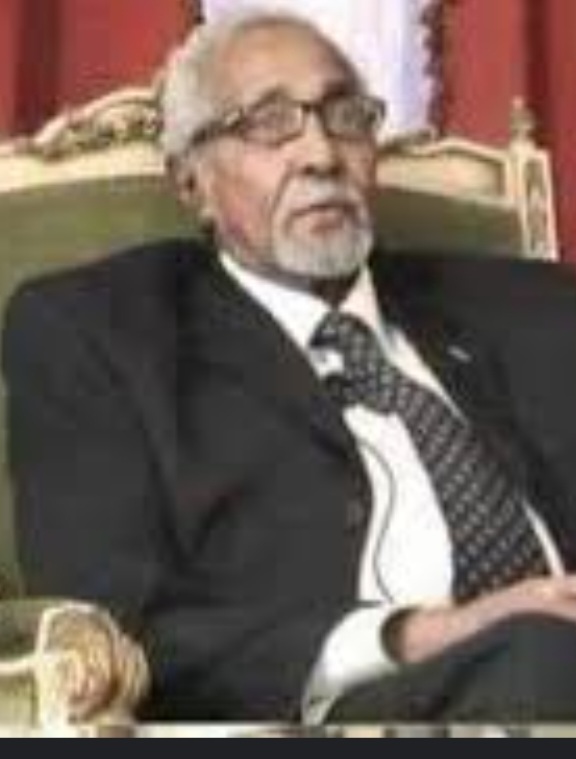
The recent death of General Ahmed Saleebaan Abdalla (Dafle) peacefully in asylum, a former director of Somalia’s National Security Service (NSS)—a notorious apparatus often likened to the Gestapo for its ruthless tactics—has reignited painful reflections on Somalia’s unresolved history of state violence. Dafle, who also served as Third Vice President of Somalia’s military regime (1969–1991), epitomized the intersection of power, brutality, and impunity that defined dictator Siad Barre’s authoritarian rule. His passing underscores a lingering national wound: the evasion of accountability by architects of atrocities, leaving Somalia’s collective trauma unhealed and justice perpetually elusive.


The Barre Regime: Militarism and Repression
Siad Barre’s 1969 coup ushered in a 22-year dictatorship that reshaped Somalia through militarism and pseudo-socialist rhetoric. While initially praised for unifying a fractured post-colonial state, the regime soon revealed its tyrannical core. The NSS, Barre’s intelligence arm, became synonymous with state terror, employing surveillance, torture, and extrajudicial killings to crush dissent. Dafle, as a senior NSS official and Barre’s son-in-law, occupied a privileged role, overseeing operations targeting intellectuals, journalists, and clans perceived as disloyal.
The regime’s brutality peaked in the 1980s during campaigns against emerging opposition groups, including the Somali Salvation Democratic Front (SSDF) in the northeast and Central Somalia and the Somali National Movement (SNM) in the northwest (now Puntland and Somaliland). The NSS orchestrated clan-based repression, particularly against the Majeerteen and Isaaq clans. In regions like Mudug and Hargeisa, tens of thousands were killed—while cities, villages, and critical infrastructure like waterholes were systematically razed. Dafle, infamously accused of ordering forces to “suppress, rape their women, and plunder the Majeerteens,” became a symbol of state-sanctioned terror. I do recall a suitcase stuffed with many photos of Somali dissidents, smuggled from an Embassy to opposition fronts in-exile with Dafle’s instruction order to all Somali diplomats overseas and attached to each photo, to deny all civic, legal and human rights to the perceived enemies of the state merely on clan identity.

Collapse, Chaos, and the Flight from Justice
Barre’s overthrow in 1991 plunged Somalia into clan-based warlordism, fracturing the very institutions needed to pursue accountability. Figures like Dafle exploited this chaos, shielded by clan allegiances and a global community preoccupied with humanitarian crises over justice. Many perpetrators reinvented themselves as powerbrokers in the new order, perpetuating cycles of violence. Unlike Rwanda’s gacaca courts or South Africa’s Truth and Reconciliation Commission, Somalia lacked transitional justice mechanisms, leaving victims without recourse and embedding generational resentment.
The absence of accountability was compounded by geopolitical neglect. During the 1990s, international actors prioritized famine relief and counterterrorism over rebuilding governance structures, enabling warlords and ex-regime enforcers to consolidate power. This legacy persists: today’s political elites include individuals implicated in past atrocities, further entrenching distrust in state institutions.

Unaddressed History: The Cost of Impunity
Dafle’s quiet death in obscurity mirrors that of many Barre-era officials, underscoring Somalia’s failure to reckon with its past. While the International Criminal Court (ICC) has investigated post-2000 atrocities, crimes from the 1970s–80s remain in legal limbo due to the court’s temporal jurisdiction limits (established in 2002). Domestic efforts, such as Somalia’s 2018 National Reconciliation Framework, face monumental challenges: political fragmentation, insecurity, and a lack of resources hinder progress. Meanwhile, historical memory fades; younger generations, unaware of the scale of past violence, risk repeating its patterns.
This impunity erodes trust in governance and fuels cycles of revenge. Clan-based grievances, weaponized by politicians, continue to destabilize efforts to build inclusive institutions. Without truth-telling or reparations, reconciliation remains superficial, and the social fabric frays.

Conclusion: Justice as the Cornerstone of Peace
Dafle’s legacy is a microcosm of Somalia’s tragedy: without justice, recovery remains fragile. Addressing past crimes requires dismantling systems of oppression and fostering healing through truth commissions, reparations, and institutional reform. The international community must confront its role in sidelining accountability during critical junctures, particularly in the 1990s, and support grassroots Somali efforts to document atrocities and empower survivors.
For Somalia, lasting peace hinges on confronting its history. This means prosecuting living perpetrators, preserving testimonies, and educating future generations. Only through such reckoning can Somalia emerge from the shadow of its past, ensuring that future leaders can not evade responsibility as Dafle did. Justice, though delayed, must not be denied—it is the bedrock upon which enduring peace is built.

Governance Challenges in Puntland: Institutional Weakness, Clan Dynamics, and the Paradox of Expansion

Introduction
Puntland State of Somalia, established in 1998 as a beacon of stability and decentralized governance, once prided itself on its aspiration to create a “smaller and smarter” government. Yet, recent accounts from residents like Dahir, a diaspora returnee to Garowe, paint a troubling picture of institutional decay, clan favouritism, and bureaucratic bloat under President Said Abdullahi Deni’s administration. Dahir’s stories—of a justice system held hostage by bribery, a police force paralyzed by clan loyalties, and a government expanding while services crumble—highlight systemic failures that betray Puntland’s founding principles. This essay examines the dual crises of under-resourced institutions and clan-based governance, alongside the contradictions of unchecked governmental growth, to explore why Puntland risks squandering its promise as a model of local governance.

Institutional Fragility and the Cycle of Corruption
Puntland’s struggle to uphold law and order begins with its skeletal institutional framework. As Dahir observed, even basic public services like policing are crippled by a lack of operational funds and trained personnel. When a teenager’s misconduct requires familial bribes to resolve—rather than formal legal processes—it underscores a system reliant on informal negotiations, not rule of law. Such scenarios are symptomatic of broader dysfunction: police departments lack vehicles, stations lack electricity, and officers go unpaid for months. This vacuum of resources fosters corruption, as underpaid officials turn to extortion or clan patronage to survive.
The problem extends beyond the police. Health clinics, courts, and municipal offices suffer similar neglect, perpetuating a cycle where citizens lose faith in state structures. Without funding, institutions cannot attract skilled professionals or implement reforms, leaving Puntland’s governance trapped in a self-defeating loop of incapacity.

Clan Loyalty vs. State Authority
Compounding institutional weakness is the infiltration of clan identity into state apparatuses. In Garowe, the police force’s homogeneity—recruited predominantly from a single sub-clan—erodes impartiality. Officers hesitate to act against kin, while victims from rival clans face bias. This subversion of meritocracy undermines trust in the state, as seen in the teenager’s case: justice becomes a transactional commodity, contingent on clan ties and bribes rather than accountability.
Puntland’s founders envisioned a government transcending clan divisions, but in practice, clan loyalty often supersedes civic duty. Such nepotism not only weakens law enforcement but also deters investment and diaspora repatriation, as Dahir’s disillusionment suggests. When state roles are clan sinecures, competence and public trust erode.

The Irony of Expansion: Bigger Government, Weaker Governance
Paradoxically, President Deni’s administration has prioritized expanding bureaucratic structures—creating redundant agencies and overlapping mandates—while core institutions starve. Ministries multiply, but budgets remain opaque, and coordination falters. This growth, critics argue, serves political patronage, rewarding allies with government posts rather than addressing systemic flaws.
The original vision of a lean, efficient government has given way to bloat, mirroring failures of larger federal states. Expansion without investment in capacity or oversight exacerbates inefficiency: more departments compete for scarce funds, deepening service delivery gaps. Meanwhile, Deni’s focus on contentious issues like federal disputes with Mogadishu diverts attention from grassroots governance needs.

Conclusion: Reclaiming the Promise of Decentralization
Puntland’s crises are not insurmountable but demand urgent recalibration. First, institutional capacity must be rebuilt through budget prioritization, diaspora engagement, and international partnerships focused on training and infrastructure. Second, clan-neutral recruitment and anti-corruption measures are critical to restoring faith in state institutions. Finally, the government must halt counterproductive expansion, streamlining agencies to align with its original “smaller and smarter” ethos.
Dahir’s story is a microcosm of Puntland’s crossroads: a region struggling to balance tradition with modernity, clan with citizenship, and growth with governance. Without addressing these tensions, Puntland risks becoming a cautionary tale—a state that expanded its bureaucracy but forgot its people. The path forward lies not in mimicking failed models but in reclaiming the innovative, pragmatic spirit that once made it a Somali success story.

Nation-Building on Ethnic and Regional Hatred: The Somali Dilemma and the Case for Confederation


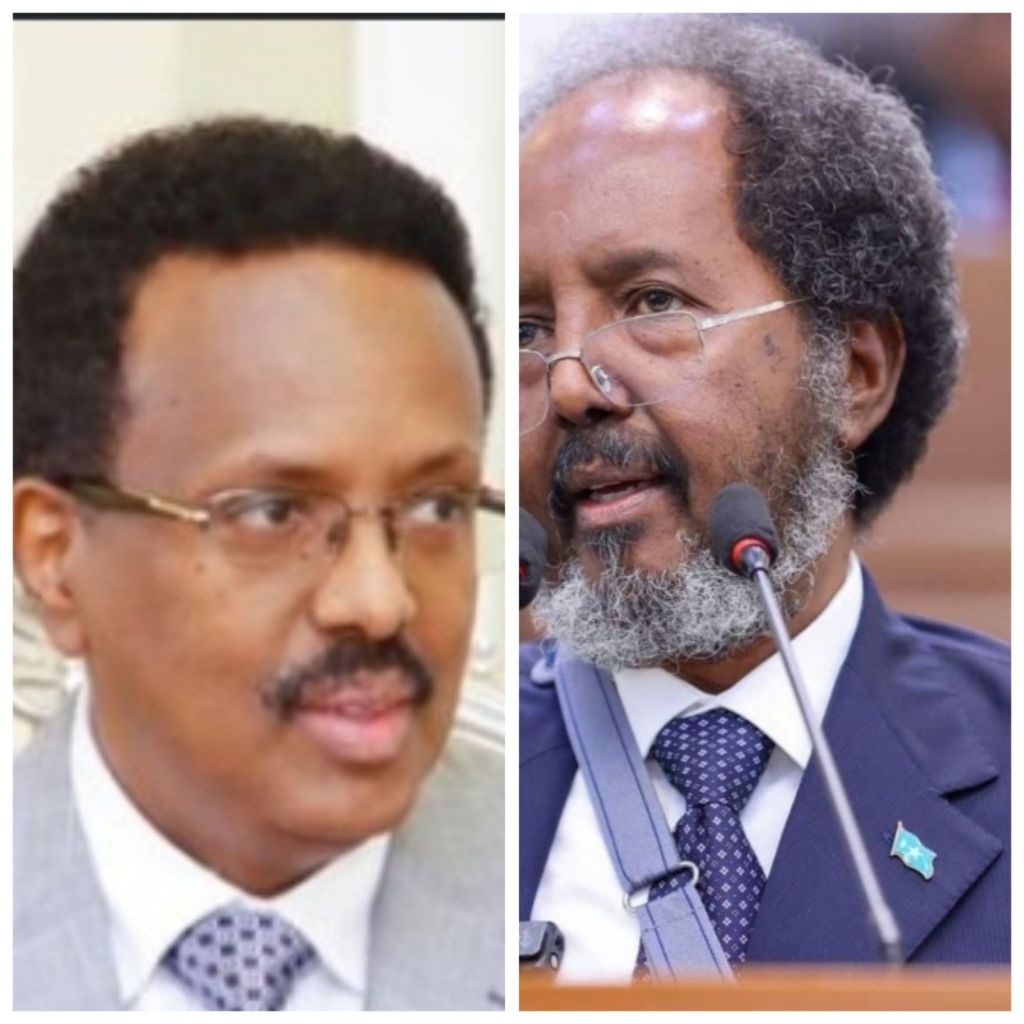
The question of whether a nation can be built on ethnic or regional hatred is not merely theoretical; it is a lived reality in Somalia. Since its independence in 1960, Somalia has grappled with the contradictions of a state that aspired to pan-Somali unity while being fractured by clan divisions, authoritarian rule, and regional marginalization. The legacies of military dictator Siyad Barre (1969–1991), followed by the polarizing policies of Presidents Mohamed Abdullahi Farmajo (2017–2022) and Hassan Sheikh Mohamud (2022–present), have entrenched a system of governance that prioritizes clan-based power struggles over inclusive nation-building. The resulting tensions, particularly between the Federal Government of Somalia (FGS) in Mogadishu and the semi-autonomous Puntland State, reveal a profound crisis of legitimacy. For many in Puntland, the failure of successive Mogadishu regimes to address systemic marginalization has made confederation—a political arrangement granting maximal autonomy within a looser union—a compelling alternative to the current dysfunctional federalism. This essay examines how Somalia’s history of centralized oppression, clan politics, and regional neglect has fueled calls for confederation, arguing that such a model may offer a pragmatic path to stability, albeit one fraught with challenges.
Historical Context: From Barre’s Clan Tyranny to Fractured Federalism


1. Siyad Barre’s Divisive Legacy
The collapse of Somali statehood can not be understood without examining the regime of Siyad Barre. Initially celebrated for his nationalist rhetoric and modernization efforts, Barre’s dictatorship devolved into a system of clan-based repression. By the 1980s, his regime targeted specific clans, notably the Isaaq in the northwest (now Somaliland) and the Majeerteen in the northeast (Puntland), through massacres, forced displacements, and economic exclusion. The state became a tool of vengeance against perceived rivals, eroding trust in centralized governance. Barre’s overthrow in 1991 plunged Somalia into civil war, fragmenting the country into clan fiefdoms and sowing the seeds of enduring regional resentment.


2. The Illusion of Federalism
Post-2000 efforts to rebuild Somalia through federalism—a system enshrined in the 2012 Provisional Constitution—were well-intentioned but flawed. Federalism aimed to balance power between Mogadishu and regional states, recognizing the diversity of Somalia’s clans and regions. However, in practice, federalism has been co-opted by Mogadishu-based elites who manipulate clan divisions to maintain control. Under Farmajo, the FGS weaponized federalism by withholding resources from non-aligned regions, interfering in local elections, and centralizing security and financial institutions. Hassan Sheikh Mohamud’s administration has continued this trend, prioritizing political survival over equitable power-sharing.


Puntland’s Grievances: Marginalization and the Failure of Federalism
Puntland, established in 1998 as Somalia’s first autonomous state, has long positioned itself as a champion of decentralized governance. Its leadership argues that Mogadishu’s failure to honor federal principles has made confederation—a system where regions retain sovereignty over most affairs—a necessity. Key grievances include:


1. Economic Exclusion
Puntland, rich in resources such as fisheries, livestock, and potential hydrocarbons, accuses Mogadishu of monopolizing international aid and revenue. For instance, the FGS has consistently blocked Puntland from directly engaging with foreign partners or accessing its fair share of donor funds. This economic stranglehold stifles development and fuels perceptions of colonial-style extraction.
2. Political Marginalization
Puntland boycotted the 2021–2022 electoral process, citing Mogadishu’s refusal to implement a one-person, one-vote model and its interference in regional politics. The FGS’s unilateral extension of its mandate in 2021 further alienated Puntland, which views such actions as unconstitutional power grabs.

3. Security Neglect
While Puntland shoulders the burden of combating terrorism (e.g., ISIS affiliates in the Galgala mountains), Mogadishu often withholds support for regional security forces. The FGS’s focus on centralizing the Somali National Army (SNA) undermines local counterterrorism efforts, leaving Puntland State to defend itself alone. This neglect is starkly evident in Mogadishu’s refusal to equitably allocate international security funding or share critical intelligence, despite Puntland’s frontline role in battling extremist groups. For instance, the Puntland Security Force (PSF) and Puntland Dervish Force—key regional units actively engaging ISIS-Somalia in mountainous terrain—rely on outdated weaponry and limited logistical support, while the SNA, bolstered by foreign training and financing, remains disproportionately concentrated in south-central Somalia.
The consequences of this imbalance are dire. In 2021, Puntland launched Operation Dabaaldegg to dismantle ISIS strongholds in Galgala, a campaign conducted almost entirely without federal backing. The absence of aerial surveillance, medical evacuations, and reinforcements from Mogadishu stretched Puntland’s forces thin, allowing militants to regroup and retaliate against civilians. Meanwhile, the FGS’s insistence on integrating regional forces into the SNA—a move Puntland views as a bid to erode its autonomy—has further strained relations. “We are told to surrender our weapons and recruits to Mogadishu, but receive nothing in return except empty promises,” lamented a Puntland security official in 2023.
This security vacuum has forced Puntland to seek alternative partnerships, including reported collaborations with private military contractors and bilateral agreements with states like the UAE, which has provided training and equipment. Yet these ad hoc measures can not substitute for a cohesive national strategy. The FGS’s prioritization of political control over collective security has not only emboldened extremists but also deepened Puntland’s resolve to pursue confederation—a system where it could autonomously manage defence policy and international partnerships. Without meaningful reform, Mogadishu’s neglect risks transforming Puntland’s pragmatic push for self-reliance into an irreversible fracture of the Somali state.
This expansion contextualizes Puntland’s security challenges within the broader federal-regional rift, emphasizing operational realities, external alliances, and the human cost of Mogadishu’s policies. It ties the crisis to Puntland’s political calculus, reinforcing the essay’s thesis on confederation as a survival mechanism.

The Evolving Dynamics of Traditional and Political Leadership in Puntland State: A Quest for Balance

Introduction
Puntland State, a semi-autonomous region in northeastern Somalia, has long been hailed for its resilience in maintaining stability amidst Somalia’s protracted civil war. This stability was anchored in its time-tested system of traditional clan leadership, which filled the governance vacuum after the collapse of the central government in 1991. However, the relationship between Puntland’s traditional elders and its political leaders has grown increasingly fraught since the establishment of the Puntland State in 1998. This essay explores the transformation of this relationship, from one of collaboration to contention, and its implications for Puntland’s governance and stability.


Historical Context: The Pillars of Traditional Leadership
In Somali society, clan elders (Isimmo, Guurti) have historically served as custodians of customary law (Xeer), mediators in conflicts, and representatives of communal interests. Their role became indispensable after 1991, when Somalia descended into stateless chaos. In the northeastern regions (now Puntland), elders leveraged their moral authority and social networks to prevent large-scale violence, fostering a fragile peace. This contrasted sharply with southern Somalia, where clan militias fueled protracted conflict. Puntland’s elders thus emerged not just as cultural figures but as de facto governors.


The Founding of Puntland State: A Constitutional Role for Elders
In 1998, Puntland formalized its governance structure through a constitutional framework that recognized traditional elders as key stakeholders. The founding president, Abdullahi Yusuf Ahmed, a former military leader, collaborated with elders to establish legitimacy. The constitution enshrined elders’ roles in resolving constitutional crises and selecting members of the House of Representatives, blending traditional and modern governance. This hybrid model initially appeared successful, as Puntland avoided the factionalism plaguing other regions.


Cracks in the Foundation: The Overreach of Elders
The first major rupture occurred in 2001, when traditional elders, citing grievances over Yusuf’s authoritarian tendencies and his bid to extend his term, orchestrated his removal. This decision, while rooted in legitimate concerns, set a precedent for elders intervening directly in executive affairs—a move perceived as overstepping their advisory mandate. Yusuf’s ouster exposed tensions between the elders’ role as arbiters and the need for apolitical governance. His successors, wary of similar challenges, sought to curb elders’ influence.


Political Backlash: The Marginalization of Traditional Authority
Subsequent leaders, notably Abdirahman Faroole (2009–2014), and Said Abdullahi Deni, the current president, systematically weakened the elders’ political clout. Their administrations bypassed traditional selection processes, handpicking loyalists for the House of Representatives to consolidate power, a direct violation of Puntland Indirect Election Rules and Regulations. This marginalization alienated elders, who viewed such actions as undermining their constitutional role and the principles of inclusive governance. The erosion of trust between the two groups created a toxic dynamic, with political leaders dismissing elders as obstacles to reform, while elders accused the government of corruption and exclusion.


External Alliances and Internal Divisions
Compounding these tensions, some elders began seeking alliances with the federal government in Mogadishu (symbolized by Villa Somalia), ostensibly to counterbalance Puntland’s administrations. This shift risked drawing external actors into Puntland’s internal politics, potentially undermining its semi-autonomous status. For Villa Somalia, courting Puntland’s elders offered leverage in negotiations over resource-sharing and federalism. However, such alliances risked fragmenting Puntland’s political cohesion and fueling clan-based discord.


Consequences for Governance and Stability
The rift between traditional and political leaders has profound implications. Elders, once pillars of conflict resolution, now find their legitimacy questioned, weakening a critical mechanism for social cohesion. Meanwhile, political leaders face accusations of authoritarianism, as centralized decision-making alienates grassroots communities. The resulting governance vacuum could destabilize Puntland, which has already seen sporadic clashes over elections and resource disputes.


Conclusion: Toward a Balanced Governance Model
Puntland’s experience underscores the challenges of transitioning from traditional systems to formal state structures. While political leaders seek centralized authority, elders remain vital to local legitimacy. A sustainable path forward requires reconciling these spheres: elders must respect institutional boundaries, while political leaders should integrate traditional mechanisms into governance. Reviving the constitutional spirit of 1998—where elders advise rather than dictate—could restore balance. Ultimately, Puntland’s stability hinges on respecting its dual heritage: honouring the past while building an inclusive future.

The Silence of Muslim Clergy on Contemporary Sociopolitical Issues: An Exploration of Causes and Contexts

Religious leaders across traditions are often expected to serve as moral guides, addressing societal injustices and advocating for ethical governance. In the Muslim world, however, critics have observed a perceived silence from many clergy (ulema) on pressing issues such as corruption, exploitation by foreign powers, and human rights abuses. This essay explores the complex reasons behind this phenomenon, considering historical, political, cultural, and theological factors that shape clerical engagement—or disengagement—with such topics.

1. Political Constraints and Fear of Repression

In many Muslim-majority countries, religious institutions operate under authoritarian regimes that tightly control public discourse. Clergy who criticize corruption or foreign exploitation risk persecution, imprisonment, or loss of patronage. For example, in Saudi Arabia, Egypt, or Pakistan, state-aligned religious bodies often avoid condemning government malpractice to maintain their institutional privileges. Conversely, dissenting voices—such as those of Iran’s reformist clerics during the 2009 Green Movement or Egypt’s Al-Azhar scholars during the 2011 revolution—have faced severe backlash. This climate of fear incentivizes silence, reducing clerical discourse to “safe” topics like ritual observance.

2. Historical Prioritization of Ritual Over Structural Reform

Classical Islamic scholarship emphasized personal piety and legal compliance (fiqh) over systemic critiques of power. While the Quran and Hadith explicitly condemn oppression (zulm), many traditional scholars historically focused on individual morality rather than holding rulers accountable. This legacy persists in conservative seminaries, where curricula prioritize theology and jurisprudence over political philosophy. As a result, some clergy lack the intellectual framework to connect Islamic ethics to modern issues like corporate exploitation or foreign-funded wars.

3. Co-option by Power Structures

Religious institutions in Muslim societies have often been financially and politically dependent on ruling elites. Ottoman caliphs, Mughal emperors, and modern Gulf monarchs have historically patronized clerics to legitimize their rule. Today, this dynamic continues: state-appointed muftis in countries like Malaysia or Morocco rarely challenge policies linked to foreign investors or military alliances. When clergy benefit from these relationships, their critiques of corruption or foreign interference become muted or selective.

4. Sectarian and Identity Politics

In fragmented societies like Iraq or Syria, clergy may prioritize sectarian solidarity over universal moral issues. For instance, during the Syrian civil war, some Sunni clerics framed the conflict as a sectarian battle against Shia-aligned forces, overshadowing critiques of war profiteering or foreign mercenaries. Similarly, in Pakistan, clerical groups often focus on blasphemy laws or Sunni-Shia tensions rather than systemic corruption. This sectarian lens distracts from broader injustices that transcend communal divides.

5. Geopolitical Alignments and Anti-Imperialist Narratives

Some clergy avoid criticizing foreign exploitation because their governments are complicit in it. For example, Gulf states’ alliances with Western powers—often criticized for militarism and resource extraction—are rarely condemned by local religious leaders. Conversely, in anti-Western contexts like Iran, clerical rhetoric may focus overwhelmingly on resisting “Western imperialism” while downplaying domestic corruption or human rights abuses. These narratives serve political agendas but leave systemic issues unaddressed.

6. Institutional Conservatism and Lack of Renewal

Many Islamic seminaries resist modernizing their curricula, leaving clergy ill-equipped to address 21st-century challenges. While the Quranic mandate for hisbah (public accountability) and amr bil ma’ruf (enjoining good) could inspire activism, rigid interpretations of texts often prevail. Additionally, the decline of ijtihad (independent reasoning) in conservative circles stifles innovative responses to issues like migrant labor exploitation in the Gulf or Chinese oppression of Uyghurs.

7. Exceptions and Countercurrents

It is crucial to acknowledge clerics who defy these trends. Figures like Tunisia’s Rached Ghannouchi, Indonesia’s Abdurrahman Wahid, and South Africa’s Farid Esack have blended Islamic ethics with critiques of tyranny and neoliberalism. Grassroots movements, such as Egypt’s pro-democracy clerics during the Arab Spring, also demonstrate the potential for Islamic leadership to confront injustice. However, their marginalization by both states and conservative religious establishments limits their influence.

Conclusion: Toward a Courageous Moral Voice

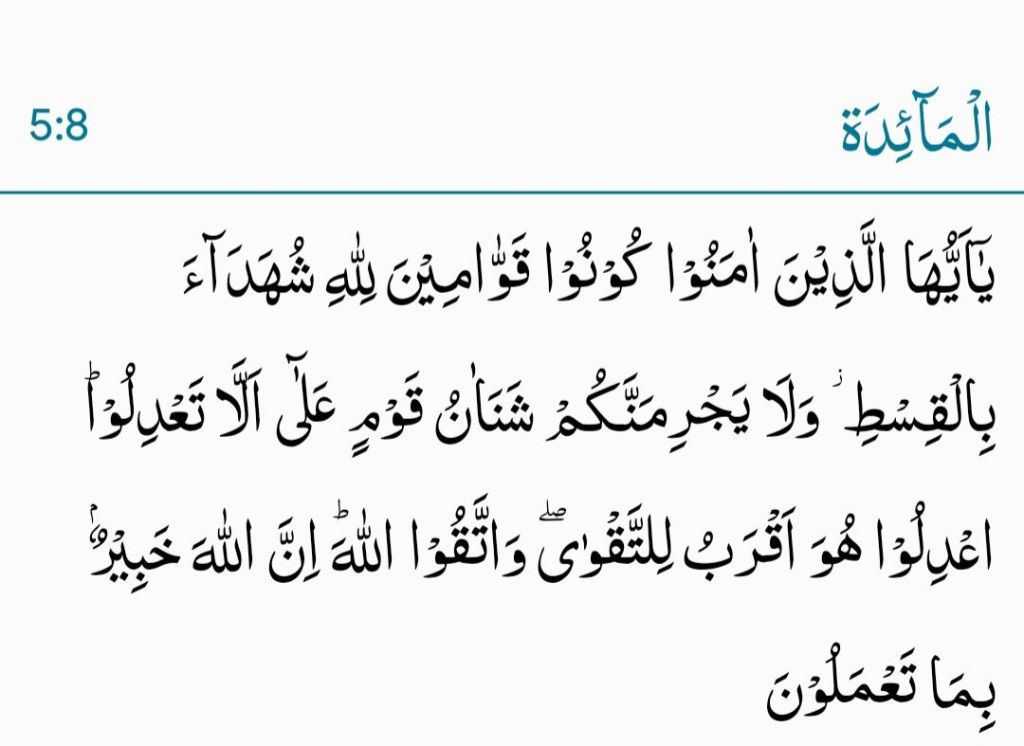
The silence of many Muslim clergy on critical issues stems not from indifference but from complex entanglements with power, tradition, and survival. Breaking this silence requires institutional reforms—such as democratizing religious education, reviving ijtihad, and fostering alliances with civil society—to empower clergy to speak truth to power. As the Quran reminds believers, “Do not let hatred of a people prevent you from being just” (5:8). For the ulema to reclaim their role as moral leaders, they must transcend political expediency and address the urgent struggles of their communities.

“[5.8] O you who believe! Be upright for Allah, bearers of witness with justice, and let not hatred of a people incite you not to act equitably; act equitably, that is nearer to piety, and he careful of (your duty to) Allah; surely Allah is Aware of what you do.”

Eradicating Corrupt Leadership in Africa: The Path to Freedom and Prosperity

Introduction
Africa, a continent brimming with potential, grapples with a pervasive challenge: corrupt leadership. The legacies of Thomas Sankara of Burkina Faso and contemporary figures like Ibrahim Traoré underscore the transformative power of ethical governance. While Sankara’s revolutionary policies in the 1980s prioritized anti-corruption and social justice, Traoré’s recent rise highlights ongoing aspirations for accountability. This essay advocates for dismantling systemic corruption through democratic means, emphasizing the role of informed electorates, institutional reforms, and civic mobilization to usher Africa toward lasting freedom and prosperity.

Legacy of Visionary Leadership
Thomas Sankara, often called “Africa’s Che Guevara,” demonstrated that integrity and political will can drive change. During his brief tenure, he slashed government salaries, redistributed land, and invested in education and healthcare. Similarly, Ibrahim Traoré’s rhetoric against foreign exploitation and corruption resonates with youth and activists. However, their ascendancy through non-democratic means reveals a critical tension: sustainable progress requires systemic change, not just charismatic leaders. Sankara’s assassination and Traoré’s contested legitimacy remind us that enduring reform demands institutional, not personal, solutions.

The Corrosive Impact of Corruption
Corrupt leadership stifles development by diverting resources from critical sectors like healthcare and infrastructure. According to the African Union, corruption costs the continent over $148 billion annually, perpetuating poverty and inequality. Entrenched elites manipulate electoral systems, entrenching patronage networks that undermine democracy. Citizens, disillusioned by empty promises, often succumb to apathy or protests, as seen in recent uprisings in Sudan and Zimbabwe. The cycle of corruption and repression traps nations in stagnation leading to state failure. Somalia is the shining example of this African illness, necessitating urgent action.

Democratic Solutions: Voting Out Corruption

  1. Free and Fair Elections: Strengthening electoral commissions and enforcing transparency in voting processes are vital. Countries like Ghana and Botswana have shown that credible elections, monitored by civil society and international observers, can ensure peaceful transitions.
  2. Informed Electorate: Civic education empowers citizens to demand accountability. Mobile technology and grassroots campaigns, such as Nigeria’s #NotTooYoungToRun movement, can engage youth and combat voter apathy.
  3. Institutional Reforms: Anti-corruption agencies must operate independently, with prosecutorial power. Rwanda’s digitization of public services reduced bureaucratic graft, proving that systemic checks work.

Civil Society and Media as Watchdogs
Vibrant civil society organizations and a free press are bulwarks against tyranny. Investigative journalists, like Kenya’s John-Allan Namu, expose graft, while movements like #EndSARS in Nigeria mobilize public dissent. Social media amplifies marginalized voices, though governments often retaliate with repression. International partnerships, such as the African Peer Review Mechanism, can bolster local efforts without undermining sovereignty.

Challenges and Risks
Electoral fraud, voter intimidation, and disinformation campaigns persist. In nations like DR Congo, leaders cling to power by stifling opposition. Moreover, military coups—though sometimes popular—risk cyclical instability, as seen in Mali and Burkina Faso. True change requires patience: rebuilding trust in democracy is a marathon, not a sprint.

Case Studies: Lessons from Success
Botswana’s sustained democracy and low corruption levels stem from strong institutions and civic pride. Mauritius, ranking first in Africa for democracy, combines economic openness with robust welfare programs. These examples prove that cultural shifts toward accountability are achievable through persistence.

Conclusion
Africa’s journey to prosperity hinges on rejecting corruption and embracing participatory governance. While figures like Sankara and Traoré symbolize the hunger for change, lasting solutions lie in empowering citizens, reforming institutions, and upholding democratic principles. By voting out corrupt leaders and demanding transparency, Africans can reclaim their future—transforming the continent’s potential into tangible progress. The road is arduous, but collective resolve can turn the tide, ensuring freedom and prosperity for generations to come.

Recurring Governance Failures in Somalia: A Cycle of Division and Instability

Introduction
Somalia’s political landscape has been marred by cyclical governance failures since the collapse of General Siad Barre’s military regime in 1991. Despite transitioning to a federal structure, successive governments, including President Hassan Sheikh Mohamud’s current administration, have repeated historical mistakes by sidelining national reconciliation and political inclusivity. This essay examines how these governance lapses—exacerbated by centralization, constitutional violations, and foreign interference—undermine Somalia’s fight against extremism and jeopardize its fragile state-building process.


Historical Context: Authoritarianism and Clan Fragmentation
The Barre regime (1969–1991) entrenched authoritarianism, suppressing dissent and manipulating clan divisions to maintain power. Its collapse plunged Somalia into civil war, fragmenting the nation along clan lines. Post-1991 efforts to restore stability, including the transitional governments of the 2000s, failed to address deep-seated grievances. The 2012 Provisional Federal Constitution (PFC) aimed to decentralize power through federalism but has been inconsistently implemented, perpetuating mistrust between Mogadishu and regional states.


The Recurring Failure of Reconciliation
A persistent flaw in Somali governance is the elite’s reluctance to prioritize national reconciliation. Power struggles among political actors, often rooted in clan loyalties, have taken precedence over inclusive dialogue. For instance, the 2017 electoral process, which marginalized opposition voices, and the violent aftermath of the 2021 delayed elections highlight this trend. Such exclusionary tactics mirror Barre’s playbook, fostering resentment and cyclical violence.


Mohamud’s Centralized Governance: “We Will Stop to Await Anybody”
President Hassan Sheikh Mohamud’s second term (2022–present) has intensified centralization. His dismissal of federal member states’ perspectives—exemplified by clashes with Puntland and Jubaland over resource management and security—reflects a top-down approach. By marginalizing opposition groups and regional leaders, Mohamud risks alienating critical stakeholders. His declaration, “We will stop to await anybody,” epitomizes this unilateralism, undermining the PFC’s federal principles and deepening intergovernmental rifts.


Security Implications: Fractured Unity Amidst Extremist Threats
Al-Shabab and ISIS remain potent threats, controlling swathes of territory and exploiting governance vacuums. Effective counterterrorism requires coordination between federal and state authorities, yet Mogadishu’s strained relations with regional governments have led to fragmented military efforts. For example, Jubaland’s resistance to federal interference in its local security operations and elections has weakened offensives against Al-Shabab. Meanwhile, Somalia’s reliance on the African Union Transition Mission in Somalia (ATMIS, now AUSSOM)) underscores the inadequacy of its nascent security forces, a vulnerability exacerbated by political disunity.


Constitutional Violations and Federalism Disputes
The PFC envisions a balance of power between Mogadishu and federal states, but its provisional status allows ambiguous interpretations. Recent controversies, such as the central government’s unilateral amendments to electoral laws and control over foreign aid, violate the PFC’s spirit of power-sharing. States like Puntland have responded by declaring autonomy, signaling a crisis of confidence in the federal project. These disputes hinder consensus on critical issues, including the constitution’s finalization and resource distribution.


Foreign Interference: Complicating Sovereignty
Somalia’s fragility has invited foreign actors to pursue competing interests. Ethiopia, Kenya, Turkey, and the UAE have invested in infrastructure, military bases, and political alliances, often exacerbating internal divisions. For instance, UAE support for certain regional leaders contrasts with Turkish backing of Mogadishu, creating parallel power centers. Such interference undermines national sovereignty and distracts from inclusive state-building.


Conclusion: Toward Inclusive Governance
Somalia’s path to stability demands breaking the cycle of exclusion. President Mohamud must prioritize dialogue with federal states and opposition groups, adhering to the PFC’s federal framework. International partners should condition support on inclusive processes rather than backing factions. Only through genuine reconciliation and shared governance can Somalia neutralize extremism, reduce foreign dependency, and achieve lasting peace. The alternative—a continuation of centralized, divisive politics—risks perpetuating the very crises that have plagued the nation for decades.


Final Reflection
Somalia’s governance challenges are a testament to the dangers of repeating past mistakes. Learning from history requires courage to embrace inclusivity, uphold the rule of law, and prioritize national unity over narrow interests. The stakes—a sovereign, stable Somalia—could not be higher.

Review of “Unmasking the Wolf in Sheep’s Clothing: Towards a Critique of the Conflicting Historiographies in Somalia” by Mohamed Haji Ingiriis

Overview
Mohamed Haji Ingiriis critiques Lidwien Kapteijns’s Clan Cleansing in Somalia: The Ruinous Legacy of 1991 (2013), challenging her central thesis of “clan cleansing” during Somalia’s 1991 clan conflicts. Ingiriis argues that Kapteijns’s work is biased, mythico-historical, and risks reigniting violence by assigning collective guilt to specific clans (notably the Hawiye) without robust evidence. Drawing on personal experience in Mogadishu and cross-clan interviews, he emphasizes the dangers of one-sided narratives in fragile post-conflict societies.


Key Arguments and Strengths
• Methodological Critique:
• Ingiriis highlights Kapteijns’s reliance on interviews from Daarood-affiliated diaspora communities in the U.S., which lack triangulation with other clan perspectives. This selective sourcing skews the narrative, ignoring atrocities committed by the Siad Barre regime against Hawiye, Majeerteen, and Isaaq clans.
• Factual inaccuracies in Kapteijns’s work (e.g., references to mobile phones in 1991 Mogadishu, mislocated historical sites) undermine her credibility. Ingiriis effectively uses these examples to question her rigor.


• Contextualization:
• The paper situates the 1991 conflict within Somalia’s longer history of state-sponsored violence (e.g., the Isaaq genocide in 1988), arguing Kapteijns overlooks this broader trajectory. Ingiriis stresses that clan vendettas predate 1991 and were exacerbated by Siad Barre’s divisive policies.


• Ethical Concerns:
• Ingiriis warns that assigning blame to specific clans without evidence risks perpetuating cycles of retaliation. This ethical stance resonates in a context where historiography is deeply politicized.


Weaknesses and Limitations
• Potential Bias:
• Ingiriis’s critique, while rigorous, occasionally mirrors the partisanship he condemns. His focus on defending Hawiye narratives and dismissing Daarood grievances (e.g., downplaying the 1991 Mogadishu massacres) may reflect his own clan affiliations, raising questions about objectivity.


• Lack of Alternative Framework:
• The critique effectively dismantles Kapteijns’s thesis but offers limited constructive alternatives. A more balanced historiography, integrating multi-clan perspectives and archival evidence, would strengthen his argument.


• Engagement with Scholarship:
• While citing scholars like Menkhaus and Lewis, Ingiriis does not deeply engage with their analyses of clan dynamics or Kapteijns’s responses to prior critiques. This limits the paper’s contribution to broader academic debates.


Contribution to Somali Studies
Ingiriis’s work underscores the high stakes of historical narratives in Somalia, where clan identities shape politics and memory. By exposing flaws in Kapteijns’s methodology, he advocates for nuanced, evidence-based scholarship that avoids simplistic blame. However, his critique would benefit from addressing how scholars can navigate clan biases while reconstructing Somalia’s complex history.


Conclusion
Ingiriis delivers a compelling methodological and ethical rebuttal to Kapteijns, emphasizing the need for balanced historiography in conflict zones. While his critique risks partisanship, it valuably highlights the intersection of academia, memory, and politics in Somali Studies. Future work should be built on this by integrating diverse voices and archival sources to transcend clan-centric narratives.

Equity Deficit: Addressing Hiring Malpractices in Puntland State’s Civil Service

Introduction
Equitable representation in government institutions is a cornerstone of inclusive governance, fostering public trust and national cohesion. However, Puntland State of Somalia has faced persistent allegations of systemic bias in its civil service hiring practices. Reports indicate that over 50% of state employees hail from just two regions—Sool and Nugaal—with claims that this imbalance stems from the influence of former Vice-President Ahmed Karash and ex-Finance Minister Hassan Shire Abgaal. Despite pledges to uphold fairness, President Said Abdullahi Deni’s administration has yet to rectify this disparity, perpetuating a cycle of exclusion and undermining the principles of meritocracy and regional equity.

Historical Context and Promises of Equity
Puntland’s 1998 charter enshrined power-sharing among its regions, aiming to ensure balanced political and economic participation. This commitment was meant to prevent dominance by any single clan or region, fostering unity in a state historically fragmented by clan dynamics. However, the concentration of civil service roles in Sool and Nugaal—home to key political figures—suggests a departure from these ideals. The alleged roles of Ahmed Karash and Hassan Shire Abgaal in staffing ministries with loyalists illustrate how patronage networks can distort institutional integrity, prioritizing allegiance over competence.

Consequences of Imbalance
The overrepresentation of two regions has far-reaching implications:

  1. Marginalization: Communities from regions like Bari, Mudug, Sanaag, Haylaan, and Karkaar face diminished opportunities, breeding resentment, and eroding national unity.
  2. Governance Deficits: A bureaucracy skewed toward regional favoritism risks inefficiency, as merit may be sidelined for cronyism. This undermines public service delivery, critical in a state grappling with poverty and instability.
  3. Distrust in Institutions: Perceived injustice in hiring corrodes citizen confidence, weakening the social contract and fueling political apathy or unrest.

President Deni’s Inaction: A Missed Opportunity
President Deni’s failure to address this issue raises questions about political will. Whether due to reliance on existing power structures or fear of destabilizing alliances, his silence perpetuates inequality. This inaction not only tarnishes his reformist image but also risks entrenching a legacy of division. By neglecting to implement transparent recruitment policies or audit current staffing, the administration implicitly endorses a system that privileges loyalty over capability.

Pathways to Reform
To restore equity, Puntland must:

  • Enforce Merit-Based Hiring: Establish independent oversight bodies to ensure recruitment aligns with qualifications, not regional or clan affiliations.
  • Conduct Audits: Review current civil service demographics to identify and redress imbalances.
  • Promote Affirmative Action: Implement quotas or incentives to uplift underrepresented regions.
  • Civic Engagement: Foster dialogue with marginalized communities to rebuild trust and inclusivity.

Conclusion
Puntland’s hiring malpractices are not merely administrative failures but existential threats to its unity and development. President Deni stands at a crossroads: he can either uphold a status quo that benefits a privileged few or champion reforms that honor Puntland’s founding principles of equity. The choice will define his legacy and determine whether Puntland evolves into a cohesive state or remains fractured by the very inequalities it once sought to overcome. The time for corrective action is now—before disillusionment turns into discord.

The Paradox of Stagnation and Radicalization in Muslim-Majority Societies: A Historical and Contemporary Analysis


Ḥasan Ibn al-Haytham was a medieval mathematician, astronomer, and physicist of the Islamic Golden Age from present-day Iraq.

Introduction
Muslim-majority countries today present a paradox: once epicentres of intellectual and scientific advancement during the Islamic Golden Age, many now grapple with political stagnation, technological underdevelopment, and rising extremism. This essay explores how authoritarian governance, the clergy’s complicity in suppressing critical discourse, and the stifling of innovation have contributed to this decline. It argues that systemic repression fosters radicalization, necessitating structural reforms to revive intellectual and political agency.


Historical Context: The Islamic Golden Age Between the 8th and 13th centuries, the Islamic world was a beacon of knowledge. Scholars in Baghdad’s House of Wisdom translated Greek texts, advanced algebra (AlKhwarizmi), optics (Ibn al-Haytham), and medicine (Ibn Sina). Cities like Cordoba (Spain) and Cairo thrived as multicultural hubs of learning. This era was marked by curiosity, state patronage of science, and a synthesis of diverse intellectual traditions. The decline began with political fragmentation, Mongol invasions, and the rise of rigid theological interpretations that prioritized dogma over inquiry.

Ibn Sina, commonly known in the West as Avicenna, was a preeminent philosopher and physician of the Muslim world, flourishing during the Islamic Golden Age, serving in the courts of various Iranian rulers. He is often described as the father of early modern medicine..
Muhammad ibn Musa al-Khwarizmi, or simply al-Khwarizmi, was a polymath who produced vastly influential Arabic-language works in mathematics, astronomy, and geography. Around 820, he worked at the House of Wisdom in Baghdad, the contemporary capital city of the Abbasid Caliphate. 


Contemporary Political Landscape: Authoritarianism and Dynastic Rule
Today, many Muslim-majority nations are ruled by authoritarian regimes or dynastic families (e.g., Saudi Arabia and Gulf States). Power is concentrated in the hands of elites who suppress dissent, often justified under the guise of stability. Elections, where they exist, are performative, and civil liberties are curtailed. The 2011 Arab Spring exemplified grassroots demands for democracy, but its suppression (e.g., Egypt’s military coup) reinforced autocracy. Such environments deter innovation, as fear of dissent stifles creativity and critical thinking. Here, we are not talking about already failed states such as Somalia, Yemen, the Sudan, and fragile others.


Role of the Clergy: Otherworldly Focus and Political Complicity
Religious institutions often avoid challenging political authority. In Saudi Arabia, the Wahhabi clergy legitimizes the monarchy in exchange for influence over social policies. Iran’s theocracy merges religious and state power, silencing reformist voices. By emphasizing piety, prayer, and the afterlife, clergy divert attention from governance failures. This collusion entrenches stagnation, as questioning socio-political structures is framed as un-Islamic, discouraging youth from engaging in secular knowledge or activism.


Societal Impact: Technological Stagnation and Youth Disillusionment
Underinvestment in education and research perpetuates dependency on foreign technology. According to UNESCO, Muslim-majority countries spend less than 0.5% of GDP on R&D, compared to 2-3% in developed nations. Educational systems often prioritize religious studies over STEM (Science,  Technology, Engineering and Mathematics), limiting economic diversification. Youth unemployment rates exceed 25% in nations like Tunisia and Iran, fueling frustration. With legitimate avenues for expression blocked, some turn to extremism, seeking purpose in ideologies that promise empowerment through violence.


Extremism and Radicalization: The Cycle of Repression and Violence
Authoritarianism creates fertile ground for radical groups. Marginalized populations, denied agency, may gravitate toward movements like ISIS and Al-Shabab, which exploit grievances and offer a distorted sense of identity. The U.S. invasion of Iraq and Syria’s civil war exacerbated this, but internal repression remains a root cause. Extremist narratives glorify a mythologized past, contrasting it with present humiliation, thereby resonating with disillusioned youth.


Case Studies: Contrasting Trajectories
Iran: The 1979 Revolution replaced a secular autocracy with a theocracy, stifling reform. Despite a educated youth, brain drain and sanctions hinder progress.
Malaysia: A blend of Islamic governance and economic modernization shows potential, though political Islam risks polarizing society.
UAE: Investment in tech hubs like Dubai contrasts with strict political control, illustrating selective modernity without democratization.


Pathways to Reform
Breaking the cycle requires multifaceted approaches:
• Educational Reform: Emphasize critical thinking and STEM (Science, Technology, Engineering, Mathematics), drawing on the Islamic Golden Age’s interdisciplinary spirit.
• Political Democratization: Foster inclusive governance to channel dissent constructively.
Religious Reinterpretation: Encourage progressive theological discourses that reconcile faith with modernity.
• Economic Empowerment: Invest in innovation and job creation to reduce youth vulnerability to extremism.


Conclusion
The stagnation of many Muslim-majority societies is not inevitable but a product of repressive structures. By addressing governance failures, revitalizing education, and embracing intellectual heritage, these nations can combat extremism and reclaim their legacy of innovation. The choice lies between perpetuating cycles of violence or fostering renaissance through reform.

“The Arabic clothing (Thawb or Thobe) has remained the purest & clearest sign of scholastic integrity up to this day of ours, especially during scholastic events such as debating and graduations.”
Islamic university in Europe centuries ago

White Paper: Addressing the Neglect of Critical Sectors in Somalia’s Education and Policy Frameworks

Revitalizing Livestock, Fisheries, Agriculture, and Frankincense for Sustainable Development


Executive Summary

Somalia’s economy hinges on four key sectors: livestock, fisheries, agriculture, and frankincense. These sectors employ over 70% of the population and contribute significantly to GDP, yet they suffer systemic neglect in education, vocational training, and policy. This white paper highlights the consequences of this negligence and provides actionable recommendations to realign priorities, ensuring sustainable livelihoods and economic resilience, particularly in Puntland’s Bari Region, a hub for frankincense production.


1. Introduction

Somalia’s arid climate and extensive coastline position it to thrive in livestock, fisheries, rain-fed agriculture, and frankincense. However, decades of conflict, climate shocks, and institutional fragility have stifled growth. Despite their economic importance, these sectors remain marginalized in education and governance, perpetuating poverty and food insecurity. This paper examines the root causes of this neglect and proposes solutions.


2. Current State of Key Sectors

Livestock

  • Contribution: Accounts for ~40% of GDP and 80% of export earnings.
  • Challenges: Overreliance on traditional practices, disease outbreaks, and climate vulnerability.

Fisheries

  • Potential: 3,300 km coastline with untapped resources; current production is <5% of capacity.
  • Challenges: Illegal fishing, lack of cold storage, and poor market access.

Agriculture

  • Role: Supports 30% of the population but is rain-fed and climate-sensitive.
  • Challenges: Soil degradation, outdated techniques, and limited irrigation.

Frankincense (Bari Region, Puntland State)

  • Global Demand: Somalia produces 80% of the world’s frankincense, yet lacks value-added processing.
  • Challenges: Overharvesting, lack of certification, and weak market linkages.

3. Educational and Vocational Neglect

  • Universities: Focus on humanities and IT, with minimal courses on agronomy, veterinary sciences, or sustainable forestry.
  • Vocational Schools: Lack equipment and curricula tailored to sector needs (e.g., modern fishing techniques, resin processing).
  • Urban Perception: Youth view these sectors as “backward,” preferring formal employment in cities.

4. Government Policy Gaps

  • Funding: <2% of national budgets allocated to agriculture or natural resource development.
  • Infrastructure: No processing plants for frankincense or fish, poor rural roads.
  • Regulation: Weak enforcement against illegal fishing and unsustainable harvesting.

5. Consequences of Neglect

  • Economic: Lost revenue (e.g., $300M/year estimated loss from illegal fishing).
  • Social: Youth unemployment (67%), rural-urban migration, and food insecurity (5.6M face hunger).
  • Environmental: Deforestation, overgrazing, and fishery depletion.

6. Recommendations

For Educational Institutions

  • Introduce degree programs in agribusiness, marine biology, and resin chemistry.
  • Partner with cooperatives for hands-on training in frankincense harvesting and livestock management.

For Government

  • Prioritize sector funding and establish a Frankincense Development Authority in Bari Region.
  • Invest in infrastructure (e.g., processing facilities, irrigation systems).

For International Partners

  • Support vocational centers with grants and technology transfers (e.g., solar dryers for fisheries).
  • Advocate for certification schemes (e.g., Fair Trade frankincense).

For Communities

  • Promote youth engagement through awareness campaigns and microgrants for startups.

7. Conclusion

Somalia’s neglect of its core sectors undermines its development potential. By realigning education, policy, and investment, the country can transform these sectors into engines of growth. Puntland’s Bari Region, with its frankincense heritage, offers a strategic starting point. Immediate action is critical to avert further crises and harness Somalia’s natural wealth for future generations.


Endorsed by: WDM/Ismail Warsame
Contact: iwarsame@ismailwarsame.blog/ismailwarsame@gmail.com/@ismailwarsame  WhatsApp: +252 90 703 4081

Moral Integrity and Systemic Corruption: A Dual Call for Reform in Somalia

Introduction
In a poignant Friday sermon at Omar Banu AbdulAsis Mosque in Garowe today, Sheikh Ahmed, PhD, and political figure Ali Haji Warsame delivered intertwined messages of moral accountability and political critique. While Sheikh Ahmed invoked Islamic teachings on ethical conduct, Warsame highlighted Somalia’s notorious distinction as the world’s most corrupt nation, per Transparency International’s Corruption Perceptions Index (CPI). This juxtaposition underscores a critical dialogue in Somalia: the interplay between individual morality and systemic governance failures.


Sheikh Ahmed’s Teachings: Moral Foundations
Sheikh Ahmed’s sermon centered on a Hadith of Prophet Muhammad (PBUH), urging Muslims to safeguard six aspects of their being: the tongue (to speak truth), hands (to avoid harm), private parts (to reject unlawful acts), eyes (to resist obscenity), and a commitment to fulfilling promises. These tenets form a blueprint for personal integrity, emphasizing self-restraint, honesty, and social responsibility. By framing ethical behaviour as a pathway to spiritual reward, the sermon positions individual morality as a cornerstone of communal well-being. For instance, truth-telling and honouring commitments are not just virtues but acts of worship that combat societal discord.


Ali Haji Warsame’s Analysis: The Reality of Corruption
Contrasting this ideal, Warsame cited Somalia’s consistent ranking at the bottom of the CPI—a global index scoring 181 countries on perceived public sector corruption (0 = very clean, 100= highly corrupt). Somalia scores last 180-181, while South Sudan ranks 179-180. This systemic corruption manifests in embezzlement, bribery, and weak rule of law, crippling public services, deterring foreign investment, and perpetuating poverty. Warsame’s critique reflects a grim reality: institutions meant to uphold justice are often complicit in exploitation, eroding public trust and fueling cycles of instability.


The Intersection of Morality and Governance
The dissonance between Sheikh Ahmed’s moral exhortations and Somalia’s corruption crisis reveals a societal rift. Islamic ethics, which condemn dishonesty and exploitation, are overshadowed by a culture of impunity. Corruption thrives not merely through individual failings but via entrenched networks that normalize graft. For example, clan patronage systems often prioritize loyalty over merit, enabling elite capture of resources. Yet, the Sheikh’s sermon implies that ethical revival at the individual level could disrupt this cycle—if citizens refuse bribes, demand accountability, and uphold truth, collective change becomes feasible.


Pathways to Reform: Combining Ethics and Policy
Addressing Somalia’s crisis requires dual approaches. Religio-cultural institutions like mosques can amplify ethical education, framing anti-corruption efforts as both civic and religious duties. Simultaneously, structural reforms are imperative: strengthening anti-corruption agencies, ensuring judicial independence, and promoting transparency in public finance. International partnerships, such as the IMF’s governance benchmarks, offer frameworks, but local ownership is key. Grassroots movements, inspired by moral imperatives, could pressure leaders to enact reforms, bridging the gap between personal virtue and systemic justice.


Conclusion
The sermons in Garowe today reflect Somalia’s dual challenge: nurturing individual integrity while dismantling corrupt systems. Sheikh Ahmed’s call for self-discipline and Warsame’s indictment of institutional decay are not contradictory but complementary. A Somalia free from corruption demands citizens who embody ethical principles and leaders who translate these values into equitable governance. Only through this synergy can the nation ascend from the depths of the CPI and realize the moral vision espoused by its faith and advocates of justice.

The Intricate Web of Power: Djibouti’s Influence, Somali Governance, and Allegations of Corruption

Introduction
The relationship between Djibouti and Somalia, two neighbors in the Horn of Africa, is deeply intertwined with geopolitics, clan dynamics, and economic interests. Since Somalia’s state collapsed in 1991, Djibouti has positioned itself as a regional mediator and a haven for Somali elites. However, allegations of undue influence, corruption, and covert control by Djibouti’s President Ismail Omar Guelleh over Somali governance have sparked controversy. This essay explores the claims of Guelleh’s mentorship of Hawiye leaders, economic manipulation, intelligence agency infiltration, and complicity in refugee deportation schemes while contextualizing these issues within Somalia’s fragile statehood.

Historical Context: Djibouti’s Role in Post-1991 Somalia
Djibouti’s strategic location and relative stability have made it a key player in Somali affairs. Following Somalia’s disintegration, Djibouti hosted multiple peace conferences, including the 2000 Arta Process, which established the Transitional National Government (TNG) led by Hawiye politician Abdiqasim Salad Hassan. Critics argue that Guelleh exploited Somalia’s chaos to expand Djibouti’s political and economic reach. By fostering ties with Somali leaders, Djibouti secured leverage in regional diplomacy and gained access to lucrative ports and trade routes, vital for its economy.

Political Mentorship and Clan Dynamics
Central to the allegations is Guelleh’s purported role as a “mentor” to Hawiye leaders, a dominant clan in Mogadishu. From warlord Ali Mahdi Mohamed (1990s) to current President Hassan Sheikh Mohamud, these figures allegedly rely on Guelleh’s backing to consolidate power. The claim that Mogadishu’s leadership is “ruled from Villa Djibouti” underscores perceptions of external control. Analysts suggest that Guelleh leverages clan networks to maintain influence, ensuring Somali policies align with Djibouti’s interests, such as countering Ethiopian dominance in the region.

Economic Entanglements: Passports, Banks, and Money Laundering
Somali elites, particularly Hawiye businessmen, reportedly use Djibouti passports for travel, circumventing Somalia’s weak diplomatic standing. This practice, while pragmatic, raises questions about loyalty and dual citizenship. More critically, Djibouti’s banking system is accused of enabling money laundering. A prominent example is Ahmed Nur Ali Jimale, founder of Hormuud Telecom and Salaam Bank, who allegedly operates from Djibouti. Critics claim his enterprises, integral to Somalia’s economy, funnel illicit funds through Djibouti, facilitated by lax financial regulations.

Intelligence Interference: The NISA Marriage Connection
A striking allegation involves Guelleh’s familial ties to Somali intelligence. Reports suggest his divorced daughter is married again to Sadiq John, Deputy Director of the National Intelligence and Security Agency (NISA). This union could signify Djibouti’s infiltration of Somalia’s security apparatus, ensuring Guelleh’s sway over counterterrorism strategies and political surveillance. Such nepotism risks compromising Somalia’s sovereignty, with NISA potentially serving dual loyalties.

The Refugee Deportation Scandal: Complicity and Corruption
Tensions now flared between Somalia and Sweden over a US$10 million agreement to deport Somali refugees. A Swedish diplomat, Anna Saleem Hogberg, Counsellor and SIDA Representative, has expelled after she exposed the deal, revealing that US$4 million had already been transferred to Mogadishu. The diplomat’s expulsion (declared persona non grata) highlighted the government’s prioritization of revenue over refugee welfare. Critics allege that funds were diverted into private pockets rather than aiding returnees, exacerbating Mogadishu’s humanitarian crisis. This incident underscores broader accusations of corruption within Hassan Sheikh Mohamud’s administration and its collusion with Djibouti.

Implications for Somali Sovereignty and Regional Stability.
The alleged Guelleh-Mohamud nexus reflects Somalia’s vulnerability to external manipulation. Djibouti’s influence risks perpetuating dependency, undermining efforts to build robust institutions. Moreover, the use of Somali refugees as bargaining chips in deportation deals exposes ethical failures in global migration policies. For the European Union, partnering with corrupt regimes to curb migration may violate international refugee protections.
Counterarguments and Complexity
Djibouti’s role is not universally malign. Its mediation efforts have occasionally stabilized Somalia, and hosting Somali businesses aids economic recovery. Passport use may stem from necessity, not disloyalty. However, the lack of transparency in financial and political dealings fuels distrust. While some claims may be exaggerated, the pattern of clandestine dealings demands scrutiny.

Conclusion
The allegations against Ismail Omar Guelleh and Hassan Sheikh Mohamud reveal a tangled web of power, profit, and patronage. Djibouti’s influence, whether as a stabilizer or manipulator, underscores the challenges of rebuilding a state amid regional rivalries and clan politics. For Somalia to achieve true sovereignty, it must confront external interference and internal corruption. The international community, meanwhile, must balance pragmatic diplomacy with ethical accountability, ensuring that refugee policies and foreign aid do not entrench exploitation. Only through transparency and institutional reform can Somalia break free from the shadows of Villa Djibouti.

Sources and Further Reading
• UN Monitoring Group reports on Somalia
• Investigative articles from The Africa Report 
• Academic analyses on Horn of Africa geopolitics (e.g., Ken Menkhaus, Stig Jarle Hansen)
NGO reports by Transparency International and Human Rights Watch.

Postscript

Somali money transfer companies (Xawaaladaha) can deposit money legally only in Djibouti, nowhere else in the world, following US strict regulations on money laundering and subsequent war on terror in the aftermath of 9/11. But, Djibouti can not keep these billions of dollars of Somali wealth in the country, so they transfer this huge equity to France and earn huge amounts on the interest. Now, what would happen to this money if something goes wrong in Djibouti? There is a huge risk of losing billions of dollars of Somali capital to French financial institutions forever.

White Paper: Overcoming Political and Constitutional Gridlock in Somalia

Proposing a Path to Inclusive Governance, Accountability, and Federal Equity


1. Context and Background

The Provisional Federal Constitution (PFC) of 2012 remains unimplemented in critical areas, enabling abuses of power. President Hassan Sheikh Mohamud’s administration has been accused of:

  • Unilateral Decision-Making: Bypassing federal member states, using rubber-stamped compromised Parliament on constitutional amendments, security, resource management, and foreign policy.
  • Constitutional Violations: Ignoring mandates for power-sharing and parliamentary oversight.
  • Corruption and Illicit Sales: Auctioning public lands and properties in Mogadishu without legislative scrutiny.
  • Secret Foreign Contracts: Signing international agreements (e.g., port/energy deals) without due process or ratification.
  • Marginalization of Federal States: Excluding Puntland and others from key decisions, deepening distrust in federalism.
  • Absentee Leadership: Prioritizing non-stop overseas travels over domestic governance, delaying critical problem-solving (e.g., drought response, federal-state mediation, and security reforms).

These actions have fueled grievances, destabilized state-building efforts, and risk fracturing Somalia’s fragile federal compact.


2. Root Causes of the Crisis

A. Erosion of Constitutional Governance

  • Unilateral Executive Actions: Repeated disregard for the PFC’s federalism principles (Articles 43–54) and parliamentary ratification requirements (Article 71).
  • Opaque Resource Management: Illegal sale of public assets in Mogadishu for private gain, bypassing federal and state oversight.

B. Systemic Corruption

  • Elite Capture: Collusion between officials and private actors to exploit public lands and revenues.
  • Lack of Accountability: Weak anti-corruption institutions and judicial complicity.

C. Exclusionary Federalism

  • Centralization of Power: Marginalization of Puntland, Jubaland, and others in security, revenue-sharing, and foreign engagements.
  • Asymmetric Federalism: Ad hoc negotiations favoring Mogadishu over member states.

D. Unchecked Foreign Engagement

  • Secret Deals: Signing agreements (e.g., with Turkey, UAE) on ports, fisheries, and military bases without parliamentary or state-level input.

E. Absentee Leadership

  • Neglect of Domestic Mandate: Excessive overseas travel undermines hands-on governance, exacerbating crises (e.g., delayed famine response, stalled federal-state talks).
  • Power Vacuum: Frequent absences enable unaccountable decision-making by unelected officials.

3. Recommendations for Breaking the Gridlock

A. Restore Constitutional Order

  1. Immediate Compliance with the PFC:
    • Suspend all unilateral executive decisions until reviewed by Parliament and member states.
    • Establish a Constitutional Court to adjudicate violations (e.g., illicit land sales, unauthorized foreign agreements).
  2. Finalize the Constitution:
    • Clarify federal-state resource-sharing (Article 44) and require parliamentary ratification for international treaties (Article 71).

B. Combat Corruption and Illicit Sales

  1. Independent Anti-Corruption Commission:
    • Investigate and annul fraudulent land/asset sales in Mogadishu; reclaim public properties.
    • Prosecute officials and private actors involved in graft.
  2. Transparent Asset Management:
    • Digitize land registries and mandate public auctions under parliamentary oversight.

C. Ensure Transparent Foreign Engagement

  1. Parliamentary Ratification of Contracts:
    • Nullify existing secret agreements (e.g., Turkey’s 2024 port deal) until reviewed and approved by Parliament.
    • Publish all future foreign contracts for public scrutiny.
  2. Federal-State Consultation:
    • Require consent from affected member states for region-specific agreements (e.g., hydrocarbon exploration in Puntland).

D. Address Marginalization of Federal States

  1. Federal-State Council:
    • Create a permanent body (50% federal, 50% member states) to co-manage security, resources, and foreign policy.
  2. Equitable Revenue-Sharing:
    • Adopt a formula allocating Mogadishu port revenues to member states, per Puntland’s demands.
  3. Reconciliation Conferences:
    • Mediate disputes between Mogadishu and Puntland through IGAD-facilitated dialogues.

E. Strengthen Institutional Checks

  1. Parliamentary Oversight Committees:
    • Investigate executive misconduct (e.g., unauthorized deals, asset sales).
  2. Judicial Reforms:
    • Appoint judges through a federal-state consensus process to curb bias.

F. Curb Absentee Leadership and Prioritize Domestic Governance

  1. Travel Restrictions for Senior Officials:
    • Cap overseas travel for the president and ministers at 30 days annually unless approved by Parliament for national interest.
    • Require public reporting of travel costs and outcomes.
  2. Deputy Leadership Protocol:
    • Designate the prime minister to lead daily governance per PFC during presidential absences.
  3. Domestic Crisis Response Fund:
    • Redirect travel budgets to emergency programs (e.g., drought relief, clan mediation).

G. International Accountability

  1. Conditional Aid and Debt Relief:
    • Link IMF/WB support to progress on anti-corruption, federal inclusion, and domestic governance benchmarks.
  2. UN Monitoring:
    • Deploy experts to audit public asset sales, foreign contracts, and presidential travel expenditures.

4. Conclusion

Somalia’s survival as a functional state hinges on ending impunity, decentralizing power, and prioritizing national consensus over elite interests. President Hassan Sheikh Mohamud must refocus on his constitutional mandate to govern—not grandstand abroad—while institutions must enforce accountability. By anchoring governance in the rule of law, equitable federalism, and transparency, Somalia can break its cycle of crises. The international community must uphold accountability, but Somalis themselves must lead this transformative effort.


Endorsed by WDM
Date: April 3, 2024


This framework tackles Somalia’s specific challenges head-on, offering actionable steps to resolve corruption, unilateralism, federal marginalization, and absentee leadership while restoring constitutional legitimacy.

White Paper: Streamlining Governance in Puntland State—A Path to Efficiency and Sustainability

Prepared by WDM/Ismail Warsame
Date: April 2, 2025

Executive Summary

Puntland State of Somalia, established in 1998 as a regional autonomy, has evolved from a modest administration of 9 ministers into a bloated bureaucracy of nearly 100 ministers, deputy ministers, and overlapping security forces. While this expansion initially served to balance subclan interests, it now imposes unsustainable economic and administrative burdens. This white paper argues that Puntland must urgently reform its governance model by adopting a lean, merit-based administration. We propose reducing the cabinet to 12 core ministries, dissolving redundant agencies, and rationalizing security forces to align with fiscal realities and strategic priorities. Such reforms will enhance service delivery, reduce waste, and position Puntland as a stable, self-reliant regional entity.


1. Background: The Growth of Puntland’s Administration

Puntland’s founding vision prioritized pragmatism and inclusivity. Its original cabinet of 9 ministers reflected the urgency of post-conflict stabilization and resource constraints. However, over nearly three decades, political accommodations to subclan demands and short-term crisis management have inflated the government to nearly 100 ministers and deputy ministers. Concurrently, parallel security structures—often clan-aligned—have proliferated, creating confusion, inefficiency, and fiscal strain.

Key Statistics:

  • Administrative Growth: From 9 ministries (1998) to ~100 ministers/deputies (2023).
  • Economic Impact: Up to 70% of Puntland’s limited budget is consumed by salaries and operational costs of its oversized bureaucracy.
  • Security Overlap: Multiple uncoordinated forces (e.g., Darawish, PMPF, PSF, PIS, and clan militias) compete for resources and authority.

2. The Problem: Unsustainable Governance

A. Economic Burden

Puntland’s economy relies on modest domestic revenue, livestock exports, and irregular donor support. The current administrative model is fiscally untenable:

  • Salary Overload: Bloated payrolls divert funds from critical infrastructure, healthcare, and education.
  • Duplication: Redundant ministries waste resources.
  • Debt Risks: Wage bills outpace revenue growth, risking dependency on unsustainable borrowing or donor-driven aid projects.

B. Administrative Inefficiency

  • Decision-Making Paralysis: Large cabinets delay policy consensus.
  • Corruption Risks: Proliferation of offices creates opportunities for graft.
  • Poor Service Delivery: Citizens face bureaucratic hurdles to access basic services.

C. Security Fragmentation

Unregulated security forces undermine cohesion and public trust:

  • Clan Loyalties: Forces prioritize subclan interests over state mandates.
  • Resource Competition: Rival units vie for budgets, weakening counterterrorism and law enforcement.

D. Political Trade-Offs

While clan-based appointments have preserved short-term stability, they sacrifice long-term governance quality. Meritocracy is sidelined, breeding incompetence and public disillusionment.


3. Proposed Reforms: A Leaner, Smarter Puntland

To secure Puntland’s future, the government must prioritize efficiency, accountability, and strategic focus.

A. Streamline the Cabinet

  • Reduce Ministries to 12 Core Portfolios:
    1. Finance & Economic Planning
    2. Interior & Federal Affairs
    3. Security & Defense
    4. Justice & Constitutional Affairs
    5. Education & Vocational Training
    6. Health & Social Services
    7. Agriculture & Livestock
    8. Infrastructure & Energy
    9. Commerce & Industry
    10. Environment & Climate Resilience
    11. Fisheries & Marine Resources
    12. Religious Affairs & Community Reconciliation
  • Eliminate Deputy Ministers: Assign technical advisors instead of political deputies.

B. Rationalize Parastatal Agencies

  • Merge or dissolve redundant agencies (e.g., combine disaster management and climate units).
  • Establish independent oversight bodies to audit performance and spending.

C. Security Sector Reform

  • Unify all forces under a single command structure.
  • Retrain and redeploy excess personnel into civilian roles (e.g., infrastructure projects).

D. Merit-Based Appointments

  • Replace clan quotas with competitive hiring and promotion criteria.
  • Create a Civil Service Commission to enforce transparency.

E. Fiscal Discipline

  • Cap administrative spending at 40% of the budget, redirecting savings to development.
  • Digitize payrolls to eliminate “ghost workers.”

4. Benefits of Reform

  • Economic Relief: Savings from wage cuts could fund hospitals, schools, and roads.
  • Faster Growth: A competent bureaucracy will attract investment and aid.
  • Social Trust: Meritocracy reduces grievances and fosters national unity.
  • Security Cohesion: Unified forces improve counterterrorism and rule of law.

5. Challenges & Mitigation Strategies

  • Clan Resistance: Engage elders and influencers through dialogue; emphasize job creation in lieu of political posts.
  • Transition Costs: Seek donor support for retraining programs and severance packages.
  • Implementation Risks: Phase reforms over 18 months, prioritizing high-impact ministries first.

6. Conclusion

Puntland stands at a crossroads. Maintaining its bloated administration risks fiscal collapse and social unrest. By embracing a streamlined, merit-driven model, Puntland can become a beacon of governance reform in Somalia. This requires bold leadership, public engagement, and international partnership. The time to act is now.


To be endorsed by Relevant Stakeholders/Entities
Contact: WDM at iwarsame@ismailwarsame.blog/WhatsApp: +252 90 703 4081


This white paper is a call to action for Puntland’s policymakers, civil society, and international partners to prioritize sustainable governance over short-term political fixes.

Noise Coming from the Indian Ocean and the Red Sea

By Warsame Digital Media 
Uncategorized 
April 30, 2019 

Translation from WDM Somali Article:

There is an outcry coming from the waters of the Indian Ocean and the Red Sea along the Somali coastline in Garacad, Obbia, Merka, Kismayo, Berbera, Lasqoray, Bosaaso, and Alula—both cries for help and anger arising from illegal fishing practices. This distress signals a need for assistance and a call to stop illegal fishing, toxic waste dumping, environmental degradation, and the destruction of fish habitats (fish nurseries), as well as local fishermen’s boats and fishing nets.

With thousands of foreign fishermen operating off the Somali shores mentioned above, the lights from their vessels illuminate the nighttime like major cities of the 21st century.

Most of these vessels are engaged in deep-sea fishing, disrupting marine ecosystems, hindering fish spawning, destroying millions of eggs, and leaving behind wide-ranging debris. Local fishermen are despairing as they witness the destruction of their boats and the nets they rely on for their daily livelihoods. They are also concerned about the toxic fish and pollutants being dumped along the shores, along with suspicious containers washing ashore. Many residents of the coastal areas are suffering from strange diseases, skin ailments, and premature births.

Illegal fishing and toxic dumping are known to be the primary causes of piracy off the Somali coastline. This piracy has evolved into organized crime linked to global trafficking.

In recent years, various governments in Somalia and warlords have been issuing fishing licenses to foreign vessels and companies involved in a corrupt system. The Federal Government has now begun to enter the fray by signing fishing contracts with foreign entities; providing licenses that they are unable to enforce or have any expertise to prevent the use of prohibited fishing equipment.

Today, in Garowe, the capital city of Puntland, a conference featuring the ministers of fisheries from Somalia—both Federal and state—was hosted, ostensibly to discuss fishing resources, but they have never spoken about environmental protection.

This is a chaotic situation in which all economic and trade thieves in the world are competing. There is an outcry coming from the Somali sea.

By Ismail Warsame

Ismailwarsame@gmail.com

Gallant Puntland Defence Forces (PDF).

https://www.facebook.com/share/v/15vhNvPtNp/

Review of “Ethiopia’s Red Sea Politics: Corridors, Ports and Security in the Horn of Africa” by Dr. Biruk Terrefe

By Warsame Digital Media I April 2, 2025

Overview
Dr. Biruk Terrefe’s study examines Ethiopia’s strategic maritime ambitions through the lens of its 2024 Memorandum of Understanding (MoU) with Somaliland, situating this within a century-long quest for sea access and broader geopolitical dynamics. The study, part of the XCEPT program, explores how infrastructure corridors and ports in the Horn of Africa intersect with state-building, sovereignty, and security. By analyzing Ethiopia’s Red Sea doctrine under Prime Minister Abiy Ahmed, Terrefe argues that Ethiopia’s port negotiations transcend commercial interests, reflecting ambitions to become a regional superpower amid perceived encirclement by hostile states like Egypt and shifting global alliances.

Strengths

  1. Interdisciplinary Depth: Terrefe skillfully integrates political science, geography, and development studies, offering a nuanced analysis of how infrastructure shapes (and is shaped by) political orders. His focus on the “infrastructure-security complex” highlights the dual economic and strategic roles of corridors like Berbera and Djibouti.
  2. Historical Context: The study provides a compelling historical narrative, tracing Ethiopia’s maritime aspirations from imperial-era policies to contemporary agreements, demonstrating continuity and rupture in foreign policy.
  3. Multi-Scalar Analysis: By examining sub-national tensions (e.g., Somali-Ethiopian territorial disputes), regional dynamics (e.g., Gulf and Türkiye’s influence), and global geopolitics (e.g., Red Sea security), Terrefe avoids oversimplification, emphasizing the interconnectedness of local and international actors.
  4. Methodological Rigor: The use of interviews, public statements, and archival research enriches the analysis, particularly in unpacking Ethiopia’s securitization discourse and Somaliland’s quest for recognition.

Weaknesses

  1. Speculative Elements: The classified nature of the MoU necessitates reliance on secondary sources and media reports, leading to speculative conclusions about its military and commercial terms.
  2. Ethiopia-Centric Perspective: While the study acknowledges regional tensions, it predominantly centers Ethiopian narratives, potentially underrepresenting Somali and Eritrean viewpoints. For instance, Somalia’s sovereignty concerns are noted but not deeply interrogated.
  3. Timeliness vs. Long-Term Impact: The analysis of events up to 2024 offers immediacy but limits assessment of long-term consequences, such as the viability of the Ankara Agreement or Somaliland’s electoral outcomes.

Contributions
Terrefe’s work advances understanding of how infrastructure projects serve as geopolitical tools, particularly in conflict-prone borderlands. By framing Ethiopia’s corridor diplomacy as a “Red Sea doctrine,” he illuminates the entanglement of development and security agendas, challenging traditional narratives of trade liberalization. The study also underscores the Horn of Africa’s role in global maritime politics, particularly amid competing Gulf and Turkish interests.

Critique
While the study adeptly links Ethiopia’s domestic politics to regional strategies, it occasionally conflates economic and security motivations. For example, the claim that Ethiopia seeks to “escape encirclement” is persuasive but could benefit from deeper exploration of economic data (e.g., trade diversification metrics) to balance the security-focused narrative. Additionally, the role of China—a key investor in Djibouti’s ports—is underexamined compared to Gulf states and Türkiye.

Conclusion
Dr. Terrefe’s study is a significant contribution to scholarship on the Horn of Africa’s political economy, offering fresh insights into the interplay of infrastructure, sovereignty, and security. Its interdisciplinary approach and multi-scalar framework make it valuable for policymakers and scholars navigating the region’s complex geopolitics. While constrained by the opacity of recent events, the study provocatively challenges assumptions about landlocked states’ strategies and sets a foundation for future research on evolving corridor politics. By centering Ethiopia’s ambitions, Terrefe invites critical reflection on how emerging powers recalibrate regional orders in an era of infrastructural competition.

The Failure of National Consultations in Somalia: A Crisis of Legitimacy and Leadership

Warsame Digital Media | Uncategorized | April 2, 2025

The recent call for national consultations by Somalia’s federal president has been met with widespread apathy and outright rejection, exposing a deepening political crisis. The absence of willing participants underscores the president’s eroded legitimacy and the lack of a cohesive civil society capable of meaningful dialogue. Rather than a sincere effort to address Somalia’s challenges, many perceive this initiative as a desperate ploy to extend a failing mandate. With federal member states refusing to engage, the proposed consultations have only deepened the fractures in Somalia’s fragile political system.

The Collapse of Moral and Political Legitimacy

Effective leadership requires both moral authority and political legitimacy—qualities the current administration has demonstrably lost. Accusations of corruption, electoral interference, and exclusionary governance have tainted the president’s tenure. The controversial term extension of former President Farmajo in 2021 set a damaging precedent, eroding public trust in federal leadership. Today, history repeats itself under President Hassan Sheikh Mohamud, whose government faces similar skepticism.

The reluctance of federal member states—including Puntland —to participate in these consultations – speaks volumes. These states have long accused Mogadishu of undermining federalism by centralizing power, contrary to Somalia’s provisional constitution. Without their buy-in, any national dialogue is doomed to fail, as these regions represent critical constituencies that cannot be ignored.

The Vacuum of Civil Society

Decades of conflict, displacement, and institutional decay have stifled the growth of an independent civil society in Somalia. What remains is often fragmented, co-opted by political elites, or too weak to facilitate genuine discourse. In this environment, the president’s call for consultations rings hollow. Without credible grassroots movements, think tanks, or advocacy groups, any dialogue orchestrated by the federal government risks being a performative exercise—scripted to legitimize predetermined outcomes rather than reflect the will of the Somali people.

A Tactical Delay, Not a Solution

Given the overwhelming disinterest in these consultations, many Somalis see them as a stalling tactic rather than a step toward resolution. The president’s term has been marked by persistent insecurity, economic stagnation, and unresolved disputes over federalism and elections. Instead of confronting these issues, the call for dialogue appears to be a smokescreen—an attempt to manufacture the illusion of progress while evading accountability.

Federal member states have recognized this gambit and refused to lend it credibility. Their resistance sends a clear message: superficial talks cannot substitute for genuine political reform.

The Way Forward: Rebuilding Trust and Governance

For Somalia to break this cycle of dysfunction, decisive steps must be taken:

  1. Leadership Transition: The current administration must acknowledge its diminished legitimacy and prioritize a fair, transparent transition over political survival.
  2. True Federalism: Mogadishu must recommit to decentralization, treating federal states as equal partners rather than subordinates.
  3. Reviving Civil Society: International partners and local stakeholders must invest in independent institutions that can foster accountability and inclusive dialogue.
  4. Electoral Integrity: A clear roadmap for free and fair elections is essential to ensure future leaders derive authority from the people—not backroom deals.

Conclusion

The failure of the federal government’s national consultations reflects a broader crisis of leadership in Somalia. Without credibility, the cooperation of federal states, or a functioning civil society, such initiatives are destined to collapse. Rather than clinging to power, Somali leaders must embrace genuine reforms that restore trust and lay the foundation for sustainable governance. Only then can the nation hope to achieve stability and progress.

Warsame Digital Media (WDM) Important Subscription Update

Dear Valued Subscribers,

Please note that there are still a few non-paid subscribers remaining on the WDM Subscription Group List. Starting next week, all non-paid subscribers will be removed from the group.

To continue enjoying uninterrupted access to WDM’s premium content, kindly upgrade to a paid subscription today. Your annual fee is just $37.

How to Upgrade:
📧 Email: ismailwarsame@gmail.com
📱 WhatsApp: +252 90 703 4081

We accept various payment options for your convenience. Act now to secure your membership!

Thank you for your continued support.

Ismail Warsame
Chief Editor, WDM

Summary of Cassanelli’s Article:”The Partition of the Horn and of Western Knowledge

Cassanelli argues that the Scramble for Africa not only politically divided the Somali peninsula into five territories but also led to an intellectual partition in Western scholarship on the region. Each colonial power (Britain, Italy, France) produced knowledge about “their” Somali subjects within separate linguistic and academic traditions, creating fragmented colonial identities.
Before European colonization, knowledge about Somalis was more cosmopolitan, with travellers from various European nations contributing to a shared (though sometimes flawed) understanding of Somalis as a unified people. However, under colonial rule, research became siloed—British, Italian, and French scholars rarely engaged with each other’s work, leading to disconnected national scholarly traditions.
Though modern Somali Studies has revived multinational collaboration, legacies of colonial-era fragmentation persist, such as limited cross-cultural citation between scholars in different language traditions. This intellectual division had lasting consequences, as colonial researchers relied on biased administrative reports and ethnographies, shaping enduring but uneven interpretations of Somali society.
Key Points:
• Political & Intellectual Partition: Colonial borders created separate scholarly traditions.
• Pre-Colonial Cosmopolitanism: Early travellers (German, French, British, etc.) shared knowledge across nations.
Colonial Fragmentation: Researchers worked in isolation, reinforcing national biases.
• Modern Legacy: Somali Studies remains influenced by these colonial divisions.
Cassanelli highlights how knowledge production mirrored political domination, with lasting effects on academic and cultural perceptions of Somalis.

White Paper: Critical Analysis of President Hassan Sheikh Mohamud’s Call for National Consultations

Executive Summary

The recent call by Federal President Hassan Sheikh Mohamud for national consultations has been met with skepticism and opposition from key stakeholders, including Federal Member States (FMS) and constitutional experts. This white paper examines the shortcomings of the president’s initiative, highlighting his failure to acknowledge past governance failures, his exclusion of FMS leaders, and his disregard for constitutional violations that undermine his legitimacy. The paper argues that without a genuine commitment to inclusive dialogue, accountability, and adherence to the Provisional Federal Constitution (PFC), any national consultation process will lack credibility and fail to address Somalia’s deepening political crisis.

Background

Somalia’s fragile federal structure has been strained by persistent political tensions between the Federal Government of Somalia (FGS) and Federal Member States. President Mohamud’s administration has faced accusations of centralizing power, violating the PFC, and marginalizing regional leaders. His sudden call for national consultations—without prior coordination with FMS leaders or a clear agenda—has further eroded trust in his leadership.

Key Issues with the President’s Call for Consultations

1. Lack of Accountability and Failure to Acknowledge Past Mistakes

President Mohamud’s unilateral announcement did not address the governance failures that have exacerbated Somalia’s political instability. His administration has been accused of:

  • Undermining federalism by interfering in state elections and disregarding the autonomy of FMS.
  • Violating the PFC through unilateral decisions that bypass the constitutional mandate for power-sharing.
  • Failing to secure national cohesion, as evidenced by ongoing conflicts with Puntland and other regions.

Without acknowledging these failures, the call for consultations appears disingenuous and designed to consolidate power rather than foster genuine reconciliation.

2. Exclusion of Federal Member States

The president’s approach ignores the fundamental principle of inclusive dialogue. Key FMS leaders were not consulted prior to the announcement, reinforcing perceptions that Mogadishu seeks to impose decisions rather than negotiate them. States such as Puntland and Jubaland have previously rejected the FGS’s legitimacy due to constitutional violations, and this latest move further alienates them.

3. No Clear Agenda or Justification

The proposed consultations lack:

  • defined agenda addressing critical issues such as constitutional review, federalism, and electoral reforms.
  • transparent framework for participation, raising concerns about manipulation.
  • An explanation of why the consultations are necessary now, particularly given the FGS’s history of ignoring previous agreements.

4. Premature Endorsement by Mogadishu-Based Opposition

Certain opposition figures in Mogadishu have welcomed the president’s call without scrutiny, disregarding its lack of substance. This suggests political opportunism rather than a principled commitment to national dialogue.

Recommendations

For any national consultation process to be credible, the following steps must be taken:

  1. Public Acknowledgment of Constitutional Violations
    • President Mohamud must formally recognize and apologize for past breaches of the PFC.
    • A commitment to restoring federalism in line with the constitution should be declared.
  2. Inclusive Participation of All Stakeholders
    • FMS leaders, civil society, and opposition groups must be equally involved in setting the agenda.
    • A neutral facilitation mechanism (e.g., mediated by international partners) should be established to ensure fairness.
  3. Clear Roadmap with Binding Outcomes
    • The consultations must produce actionable agreements on constitutional amendments, resource-sharing, and electoral reforms.
    • Any outcomes should be legally binding to prevent future violations.
  4. International Oversight
    • The African Union, UN, and IGAD should monitor the process to ensure compliance with Somalia’s federal framework.

Conclusion

President Mohamud’s call for national consultations, in its current form, is an insufficient and exclusionary gesture that risks deepening Somalia’s political divisions. Without accountability, inclusivity, and a concrete agenda, the initiative will fail to achieve meaningful reconciliation. The Federal Government must first demonstrate a genuine commitment to constitutionalism and power-sharing before any credible dialogue can take place.

Next Steps

  • Federal Member States should demand a revised framework for consultations.
  • The international community should condition support on adherence to inclusive and constitutional processes.
  • Somali political stakeholders must reject superficial dialogue and insist on substantive reforms.

Final Remarks

Somalia stands at a critical juncture where political missteps could further destabilize the nation. President Mohamud’s administration must move beyond rhetoric and take tangible steps toward inclusive governance. The credibility of any national dialogue hinges on transparency, accountability, and respect for Somalia’s federal structure. Failure to address these concerns will only prolong the country’s political paralysis and undermine its path to stability.


Issued by: WDM
Date: March 30, 2035
Contact: iwarsame@ismailwarsame.blog @ismailwarsame


End of Document

This white paper serves as a critical assessment of the current political dynamics in Somalia and urges corrective measures to prevent further instability. It is intended for policymakers, regional stakeholders, and international partners invested in Somalia’s democratic future.

Premature endorsement of President Mohamud’s call for national consultations by Mogadishu-Based opposition figures.

HOW TO UNDERSTAND THE CURRENT STATE OF THE SOMALI AFFAIRS

The deteriorating state of Somalia’s sovereignty and the unchecked interference of foreign powers like the UAE can not be fully understood without examining the failures of President Hassan Sheikh Mohamud’s administration. Since his re-election in 2022, Mohamud has pursued divisive policies that have weakened national unity, undermined constitutional governance, and created a vacuum exploited by external actors.
1. Violation of the Somali Constitution & Centralization of Power
• Unilateral Decision-Making: Mohamud has repeatedly bypassed parliamentary oversight and ignored the federal structure, concentrating power in the presidency.
• Erosion of Federalism: Instead of fostering cooperation with Federal Member States (FMS), his government has engaged in political coercion, withholding resources and recognition to pressure regional leaders into submission
• Undermining the Provisional Constitution: The president’s refusal to implement key constitutional provisions—particularly on power-sharing and state formation—has fueled instability and given regional leaders justification to seek foreign patrons like the UAE.
2. Sabotaging National Reconciliation
• Exclusionary Politics: Rather than pursuing inclusive dialogue, Mohamud has marginalized opposition voices, including political factions, clan leaders, and civil society.
• Politicization of Security: The fight against Al-Shabaab has been used as a tool to sideline rivals rather than unify the country, leading to fragmented military operations and reliance on foreign-backed militias.
• Failure to Resolve Somaliland and Puntland Dispute: Instead of engaging in meaningful talks with Puntland, Jubaland, and Somaliland, his administration has alternated between verbal provocations, military threats and neglect, pushing parts of the country further into the Ethiopia and UAE’s orbits.
3. Transactional Foreign Policy & Surrendering Sovereignty
• Dependence on Turkey & Qatar: While resisting UAE and Ethiopian influence, Mohamud has over-relied Turkey for military and political support, creating a new form of dependency
• The Turkey-Somalia defence pact (2024), which grants Ankara maritime security control, was negotiated without broad consensus, raising concerns about sovereignty.
• Neglecting Somali Stakeholders: Key decisions on foreign engagements (ports, bases, security, and petroleum deals) are made without consulting Federal Member States, deepening distrust.
• Opportunistic Shifts: His government’s sudden policy reversals—such as expelling UAE officials in 2018 (under Farmajo), then seeking UAE mediation later—show a lack of strategic consistency.
4. Consequences: A Divided Somalia Vulnerable to Foreign Exploitation
• Empowering Regional Warlords: By alienating Federal Member States, Mohamud has pushed leaders like Puntland’s Said Deni and Jubaland’s Ahmed Madobe to seek UAE support, further fracturing Somalia.
• Loss of Territorial Control: The federal government’s weakened legitimacy has allowed Somaliland, Puntland, and Jubaland to strengthen their autonomy with foreign backing.
• Foreign Military Entrenchment: The UAE, Turkey, and Ethiopia have all expanded their military presence in Somalia, turning the country into a proxy battleground.
Conclusion: A Leadership Crisis Fueling Foreign Interference
President Hassan Sheikh Mohamud’s authoritarian tendencies, rejection of inclusive governance, and short-term transactional diplomacy have exacerbated Somalia’s vulnerability to foreign manipulation. His failure to uphold the constitution, reconcile with Federal Member States, and pursue a cohesive national strategy has:
• Pushed regional leaders into the arms of the UAE and others.
• Made Somalia a playground for competing foreign powers.
• Diminished prospects for lasting peace and sovereignty.
Until Somalia’s leadership returns to genuine power-sharing, constitutional rule, and independent foreign policy, the country will remain at the mercy of external forces—with the UAE’s expanding influence being just one symptom of a deeper governance crisis. However,  no one now believes that President Hassan Sheikh Mohamud is capable of fixing this policy quagmire of his own making. In other words, he is done politically and can not be redeemed.

[End of Ramadan. Eid Mubarak!]

Re-Elect Ahmed Hussen – A Champion for York South–Weston and Canada

Leadership, Advocacy, and Results in Public Service


Introduction
Dear Neighbours,
Canada stands at a crossroads, facing complex challenges—economic pressures, housing shortages, global uncertainties, and the need for strong, compassionate leadership. In these times, Ahmed Hussen has proven himself as a dedicated advocate for York South–Weston, delivering real results in immigration, housing, family affairs, and civil service.
This booklet highlights Minister Hussen’s contributions to our community and Canada, showcasing why his leadership is vital for our future.
Section 1: Leadership in Immigration & Inclusion
Ahmed Hussen, Canada’s first Somali-born Cabinet Minister, has been a transformative leader in immigration, shaping policies that strengthen Canada’s diversity and economic growth.
Key Achievements:
✅ Historic Immigration Levels: As Minister of Immigration, Refugees and Citizenship (2017–2019), Hussen oversaw the most ambitious immigration plan in Canadian history, welcoming over 300,000 newcomers annually to address labour shortages and boost the economy.
✅ Faster Processing & Family Reunification: Reduced backlogs, improved processing times, and prioritized family reunification, helping thousands of families settle in Canada.
✅ Support for Refugees: Strengthened Canada’s global reputation by welcoming Syrian refugees and advocating for humane asylum policies.
✅ Fighting Discrimination: Worked to eliminate systemic barriers in immigration, ensuring fairness for all applicants.
“Diversity is Canada’s strength. Our policies must reflect compassion and opportunity for all.” – Ahmed Hussen
Section 2: Delivering Affordable Housing
As Minister of Housing and Diversity and Inclusion (2021–2023), Hussen tackled Canada’s housing crisis with urgency.
Key Achievements:
 National Housing Strategy: Secured $72+ billion to build affordable homes, repair existing units, and combat homelessness.
 Rapid Housing Initiative: Fast-tracked 4,700+ new homes for vulnerable Canadians, including in York South–Weston.
 Support for Renters & Homebuyers: Expanded the First-Time Home Buyer Incentive and introduced protections for renters.
 Local Impact: Advocated for York South–Weston community housing projects, ensuring families have safe, affordable places to live.
“Housing is a human right. We’re working to ensure no Canadian is left behind.” – Ahmed Hussen
Section 3: Strengthening Families & Communities
Hussen has been a steadfast voice for families, youth, and social justice.
Key Contributions:
‍‍‍ Childcare & Family Support: Supported $10-a-day childcare, saving families thousands annually.
 Youth Empowerment: Expanded job training and mentorship programs for young Canadians.
⚖️ Social Justice Advocacy: Fought against systemic racism and promoted inclusive policies in government.
Section 4: Economic Leadership & Standing Up for Canada
Hussen understands that a strong economy means protecting workers, businesses, and Canadian interests.
Key Actions:
 Job Creation: Supported small businesses and workers in York South–Weston through pandemic recovery.
 Trade & Diplomacy: Stood firm against unfair trade practices, defending Canadian industries.
️ National Security: Advocated for policies that protect Canada from global economic instability.
“We need leaders who deliver real solutions—not just talk.”
Why York South–Weston Needs Ahmed Hussen
✅ Proven track record in delivering for our community.
✅ Strong voice in Ottawa fighting for housing, jobs, and families.
✅ Trusted leadership during challenging times.
With respected figures like Mark Carney supporting Canada’s economic future, we need Ahmed Hussen’s experience to ensure York South–Weston isn’t left behind.
Conclusion: Let’s Keep Moving Forward
Ahmed Hussen has been our champion—on immigration, housing, family support, and economic security. On election day, let’s send him back to Ottawa to keep delivering for York South–Weston.
Vote Ahmed Hussen – For a Stronger, More Resilient Future.
Sincerely,
Team Hussen

 Re-elect Ahmed Hussen – Your Proven Champion for York South–Weston


Ahmed Hussen

Dear Neighbours,

As Canadians, we face unprecedented challenges—from economic pressures to protecting our national interests on the global stage. Now more than ever, we need strong, experienced leadership to stand up for our community and our country.
Ahmed Hussen has been a tireless advocate for York South–Weston, delivering real results on immigration, affordable housing, and family support. He listens to our concerns, fights for our values, and stands firm against threats to Canadian prosperity—including unfair trade practices and economic uncertainty.


With trusted leaders like Mark Carney stepping up to guide Canada forward, we must also ensure our local voice in Ottawa remains strong. Ahmed Hussen has proven he can deliver for our community, and we need him to continue this vital work.
Let’s keep York South–Weston moving forward. Vote Ahmed Hussen on election day and together, we’ll build a stronger, more resilient future.
Sincerely,
Ismail Warsame
Team Hussen

Canadian Mark Carney challenging Donald Trump trade wars.

UAE, ISRAEL, AND ARAB WORLD

The UAE’s policies, especially regarding Israel and regional geopolitics, differ significantly from those of other Arab countries. Here’s a comparison with key regional players:

1. UAE vs. Saudi Arabia: Strategic Partners but Competitors

Key Difference: The UAE is more flexible and pragmatic, while Saudi Arabia moves cautiously but is heading in a similar direction.

2. UAE vs. Qatar: Bitter Rivals with Opposite Strategies

Key Difference: The UAE is anti-Islamist and pro-Israel, while Qatar supports Islamists and engages with Israel cautiously.

3. UAE vs. Egypt: Close Allies, But Different Priorities

Key Difference: The UAE is more globally active, while Egypt focuses on internal stability and regional diplomacy.

4. UAE vs. Morocco: A More Subtle Approach

Key Difference: Morocco plays a more balanced diplomatic game, while the UAE is more assertive.

Final Takeaways: How the UAE Stands Out

Most pro-Israel: The UAE has gone further than any Arab country in normalizing and strengthening ties with Israel.

Most anti-Islamist: It takes the hardest stance against political Islam and the Muslim Brotherhood.

Most economically ambitious: The UAE is leveraging its Israel ties for technological and trade benefits.

More independent foreign policy: Unlike some Arab states that depend on the U.S., the UAE is diversifying with China, Russia, and others.

REF.: SITUATION REPORT (SITREP) – SOMALIA

Security Update & Strategic Forecast | 26 March 2025
Prepared by Warsame Digital Media (WDM)
EXECUTIVE SUMMARY
The security situation in Somalia remains critically volatile as of 26 March 2025, marked by Al-Shabaab’s territorial gains in Middle Shabelle, direct threats to Mogadishu’s security perimeters, and sustained U.S. airstrikes against ISIS in Puntland. Immediate risks include large-scale insurgent attacks in urban centersstrategic insurgent regrouping, and deepening humanitarian strain.
1. SITUATION OVERVIEW
Key Flashpoints
• Middle & Lower Shabelle: Al-Shabaab has seized Masajid Ali Guduud and Gelgub villages, exploiting tactical withdrawals by Somali forces.
• Puntland: U.S. airstrikes target ISIS in Al Miskaad Mountains, while Puntland forces engage militants amid rising foreign fighter presence.
• Bay & Bakool: Significant insurgent movements suggest resource mobilization and potential offensives.
Critical Developments
LocationEventImpactMasajidAli GuduudAl-Shabaab VBIED + RPG assault overran SNA/local militias (11+ KIA, POWs taken).High – Threatens Mogadishu’s northern flank.Gelgub Village Abandoned by Somali Special Forces (SSF), now under insurgent control.Moderate-High – Exposes weak defensive cohesion.Al Miskaad Mountains U.S. strikes hit ISIS positions; Puntland clashes ongoing.Moderate – Disrupts ISIS but risks retaliation.
2. STRATEGIC IMPLICATIONS
Immediate Threats (Next 72H)
✔ High Risk:
• Mogadishu VBIED/assaults (Elasha Biyaha, Lafole at heightened risk).
• Al-Shabaab checkpoint expansion near city outskirts.
• Displacement surges straining humanitarian response.
✔ Moderate Risk:
• ISIS retaliatory strikes in Puntland.
• Government counteroffensive in Middle Shabelle (contingent on reinforcements).
Insurgent Tactical Shifts
• Asymmetric warfare escalation: Targeted assassinations, IEDs, urban infiltration.
• Strategic relocation to Bay & Bakool signals resource consolidation.
3. MILITARY & SECURITY RESPONSE
Ongoing Operations
• SNA/AUSSOM: Reinforcing Jannaale-Afgooye axis (Danab/Gorgor units deployed).
• U.S./Coalition: Sustained drone strikes (ISR focus) against ISIS & Al-Shabaab.
• Local Counter-IED: Priority on Mogadishu-Baidoa supply routes.
Recommended Actions
• Urgent: Secure Nur Dugle to prevent further Al-Shabaab advances.
• Intel Surge: HUMINT/SIGINT to track insurgent movements in Bay/Bakool.
• Cross-border coordination: Kenyan/Ethiopian forces to block militant flow.
4. ASSESSMENT & FORECAST (see item 4 below).

Projected Scenarios
• Most likely: Al-Shabaab presses toward Afgooye Corridor, testing SNA defenses.
• High-Impact/Low-Probability: Full insurgent assault on Mogadishu’s outskirts.
5. CONCLUSION
The Somali government and allies must prioritize:
• Rapid territorial recapture in Middle Shabelle.
• Urban counterterrorism ops to preempt Mogadishu attacks.
• Humanitarian corridor security to mitigate displacement crises.
Failure to act decisively risks ceding strategic momentum to insurgents.
// END REPORT //
Prepared by: WDM Senior Analyst (Mogadishu).

SITUATION REPORT (SITREP) SOMALIA

SECURITY UPDATE & STRATEGIC FORECAST

26 March 2025
Mogadishu, Middle Shabelle, Lower Shabelle, Al Miskaad Mountains

  1. SITUATION OVERVIEW

The security situation in Somalia as of 26 March 2025 is critically volatile, with significant Al- Shabaab territorial gains and intensified military engagements. Notably, Al-Shabaab has captured key strategic locations in Middle Shabelle, directly threatening Mogadishu’s security, while U.S. forces continue airstrikes targeting ISIS strongholds in Puntland’s Al Miskaad Mountains.

  1. KEY DEVELOPMENTS

2.1. Strategic Al-Shabaab Gains in Middle Shabelle

  • MasajidAli Guduud Village (26 March, approx. 0510 hrs)
    Al-Shabaab militants launched a coordinated attack from multiple directions,
    initiated by a Vehicle-Borne Improvised Explosive Device (VBIED) and sustained rocket-propelled grenade (B9) fire. Following intense combat against Warsangali Ma’awisley forces, Al-Shabaab successfully seized control of MasajidAli Guduud
    village and its surrounding areas. This engagement resulted in significant casualties and disrupted local security operations.
  • The loss resulted in substantial casualties among Somali National Army (SNA) and local militias, with at least 11 confirmed deaths, numerous injuries, and prisoners taken by
    insurgents.
  • Gelgub Village (25 March, approx. 2000 hrs):
    Al-Shabaab forces took control of Gelgub village without resistance after Somali Special Forces (SSF) from the Abgaal, Agon Yare community conducted a tactical withdrawal
    towards Nur Dugle village. The abandonment of the village highlights vulnerabilities in local security frameworks, potentially facilitating further Al-Shabaab advances.

2.2. Reinforcement and Tactical Movement

  • Following setbacks in Middle Shabelle, hundreds of Al-Shabaab fighters reportedly moved to Bay and Bakool regions, prompting concerns of regrouping and resource accumulation.
  • Increased insurgent activity in Area 7, highlighting potential strategic shifts in operational deployments and resource mobilization by Al-Shabaab.

2.3. ISIS Operations and U.S. Countermeasures in Al Miskaad Mountains

  • U.S. airstrikes on ISIS positions in Miiraale Valley targeted militant concentrations, aiming to disrupt their operations in the rugged Al Miskaad terrain.
  • Continuous engagements between Puntland forces and ISIS militants have led to
    multiple casualties, with an increased presence of foreign fighters raising operational threats.
  1. STRATEGIC IMPLICATIONS

3.1. Immediate Operational Risks

  • Elevated threat of large-scale attacks within Mogadishu, including VBIEDs and coordinated insurgent assaults.
  • Increased risk of insurgent infiltration in urban and semi-urban districts of Mogadishu due to compromised security corridors.

3.2. Projected Insurgent Tactics

  • Al-Shabaab likely to escalate asymmetric warfare tactics, focusing on targeted assassinations, sabotage, and urban terrorism.
  • Potential strategic shift indicated by insurgent relocations to Bay and Bakool regions, suggesting intensified resource and operational planning.

3.3 Possible Scenarios (Next 24-72 Hours)

Al-Shabaab consolidates territorial control in Middle Shabelle

High
Intensified insurgent attacks and increased difficulty for government forces to regain
control.

Federal forces launch coordinated
counteroffensive operations in Middle Shabelle

Moderate
Possible if rapid mobilization and strategic reinforcement occur from Mogadishu and nearby military bases.

Insurgent IED and suicide attacks escalate within Mogadishu
High
Increased threat to civilian populations and critical government infrastructure.

Al-Shabaab conducts targeted
assassinations against key figures
High
Destabilizes government command
structures and operational efficiency.

Displacement surge due to
heightened military engagements
High
Strains humanitarian resources, potentially increasing internal instability.

ISIS retaliatory strikes in Puntland
Moderate
Increased regional security burden and potential civilian casualties.

Clashes intensify in Bay and Bakool regions
High
Diversion of government military resources away from primary fronts.

Notes

VBIED attacks in Mogadishu
High
Severe

Insurgents maintain open access to logistical routes

Expansion of Al-Shabaab
checkpoints around Mogadishu outskirts

High

Already established presence near strategic suburbs

Effective government-led
counteroffensive in Middle
Shabelle

Moderate

Dependent on availability of forces from Jannaale and enhanced ISR capabilities

Targeted assassinations by Al- Shabaab
High

Aimed at undermining government morale and operational capacity

Increased humanitarian crisis from displacement

High

Compounding existing humanitarian crises in Mogadishu and surrounding areas

Retaliatory ISIS attacks in
Puntland
Moderate

Likely in response to ongoing U.S. airstrikes

Resource competition in Bay and Bakool leading to internal clashes
High

Driven by Al-Shabaab’s need for supplies and reinforcements

  1. MILITARY & SECURITY RESPONSE

4.1. Immediate Military Actions

  • Ongoing reinforcement and stabilization of key locations around Jannaale and Afgooye with elite units (Danab, Gorgor).
  • Rapid-response deployments in vulnerable suburbs like Elasha Biyaha and Lafole to counter insurgent penetration.
  • Sustained airstrikes and drone surveillance against both Al-Shabaab and ISIS strongholds to degrade militant capabilities.

4.2. Intelligence and Tactical Recommendations

  • Enhanced ISR (Intelligence, Surveillance, Reconnaissance) operations for real-time monitoring of insurgent activities and strategic repositioning.
  • Strengthened counter-IED operations along primary routes to mitigate insurgent threats.
  • Reinforce local intelligence networks to proactively disrupt insurgent planning and logistical operations.

4.3. Strategic Cooperation

  • Ongoing joint operations with U.S., Turkish, and UAE security partners, focusing on intelligence and air support.
  • Enhanced regional cooperation with Kenyan and Ethiopian forces to block insurgent movements across borders.
  1. ASSESSMENT & FORECAST

5.1. Immediate (26-28 March)

  • High likelihood of continued insurgent assaults, particularly around Mogadishu and Middle Shabelle.
  • Increased urgency for government and allied forces to stabilize lost territories and secure vulnerable infrastructures.
    5.2. Short-Term (29 March-2 April)
  • Persistent risk of insurgent regrouping and consolidation in Bay and Bakool, possibly leading to renewed offensives.
  • Anticipated rise in civilian displacement, exacerbating humanitarian challenges and further complicating security operations.
  1. CONCLUSION

The rapidly evolving security landscape requires swift and decisive military actions and enhanced coordination between Somali and international forces. The recapture of strategic locations, ongoing suppression of insurgent capabilities through airstrikes, and heightened vigilance in urban security are essential to reversing recent setbacks. Immediate and sustained security responses are crucial to regaining territorial integrity and ensuring long-term stability.

Prepared by
Senior Analyst within the foreign security industry based in Mogadishu [security leaks].
Confidential

Religion vs. God: Understanding the Difference

Introduction

It is the end of the blessed month of Ramadan, and we feel to sort out a few things that confuse worshippers. In discussions about faith and spirituality, the terms religion and God (Allah) are often used interchangeably, leading to confusion. However, they represent fundamentally different concepts. God is typically understood as a supreme, divine being—omnipotent, omniscient, and omnipresent—who is the creator and sustainer of the universe. Religion, on the other hand, is a human-made system of beliefs, rituals, and institutions designed to worship and connect with the divine. While most major religions believe in one God, the structures, rules, and practices of religion are shaped by human interpretation, culture, and history. Understanding this distinction is crucial for a deeper appreciation of spirituality beyond organized institutions.

God: The Divine and Universal Concept

Across various faiths, God is perceived as the ultimate reality—transcendent, eternal, and beyond human limitations.

  • In Christianity, God is the Holy Trinity (Father, Son, and Holy Spirit, another human interpretation due to the fact that Jesus had no human father).
  • In Islam, Allah is the singular, all-powerful, and merciful deity.
  • In Judaism, Yahweh is the eternal, indivisible God of Abraham and Moses.
  • In Hinduism, Brahman is the infinite, formless supreme reality, while personal deities like Vishnu and Shiva represent different aspects of the divine.
  • In Sikhism, God (Waheguru) is formless and omnipresent.

Despite different names and interpretations, the core idea remains: God is divine, beyond human constructs, and the source of all existence.

Religion: The Man-Made Institution

While God is universal, religion is the human attempt to understand, worship, and organize devotion to the divine. Religions are shaped by:

  1. Scriptures and Teachings – Holy books (Bible, Quran, Torah, Vedas, etc.) are believed to be divinely inspired but are written, interpreted, and translated by humans.
  2. Rituals and Practices – Prayers, fasting, pilgrimages, and festivals are structured by religious authorities to foster spiritual discipline.
  3. Institutions and Leadership – Mosques, churches, synagogues, and temples are built by people; priests, imams, rabbis, and gurus are human intermediaries.
  4. Cultural Influences – Traditions, laws, and customs within religions evolve over time, influenced by historical and social contexts.

Because religions are human-managed, they can sometimes become politicized, corrupted, or misinterpreted—leading to divisions rather than unity.

Why the Confusion Exists

Many people conflate religion with God because:

  • Religions claim to represent God’s will, making it easy to assume that following a religion is the same as following God.
  • Human beings crave structure, so organized religion provides a clear framework for worship, ethics, and community.
  • Power dynamics sometimes lead religious leaders to assert authority in God’s name, blurring the line between divine truth and human doctrine.

However, true spirituality transcends religion. Many individuals experience a deep connection with God outside formal institutions—through personal prayer, meditation, or acts of compassion.

Conclusion

God is the eternal, divine reality worshipped across faiths, while religion is the human-created system designed to facilitate that worship. Recognizing this distinction allows for a more open and inclusive understanding of spirituality. While religions provide valuable guidance, they are not infallible, as they are shaped by human interpretation. Ultimately, the pursuit of God should transcend institutional boundaries, focusing instead on universal values of love, truth, and justice. By separating the divine from the man-made, we can foster a more authentic and harmonious spiritual life.