
The Gurmad Qaran Position Paper is a serious and intellectually structured civic intervention addressing Somalia’s looming May 2026 constitutional crisis—expiring mandates, no agreed electoral model, stalled constitutional review, ATMIS drawdown, and renewed insecurity. Its four-phase roadmap—diplomacy, structured negotiations, working groups, and binding timelines—is coherent and Somali-owned in conception.
However, structural realities constrain its feasibility.
Somalia’s political system operates primarily through clan-based bargaining under the 4.5 formula. The dispute between one-person-one-vote and indirect elections is existential, not procedural. Direct elections threaten entrenched elite brokerage networks; indirect elections preserve negotiated power balances. Mutual distrust between Villa Somalia and Federal Member States reflects competing interpretations of federalism, not mere technical disagreement.
The proposed compressed timeline underestimates the depth of unresolved distributive conflicts embedded in the 2012 Provisional Constitution—division of powers, resource sharing, judicial authority, and Mogadishu’s status. These issues have resisted resolution for over a decade and are unlikely to be settled within weeks.
Neutrality, while commendable, is difficult to sustain in a polarized political marketplace where perception equals alignment. Civic initiatives possess moral authority but lack coercive leverage. The paper’s emphasis on enforcement is conceptually strong, yet practically vulnerable: Somali political agreements historically fail not from poor drafting, but from absence of consequences.
In the current environment, where the Federal Government controls formal venues and Federal Member States calculate leverage directly, no principal actor has incentive to cede agenda-setting authority to a civic platform.
The initiative’s greatest value may therefore lie not in brokering a final settlement, but in shaping benchmarks, clarifying red lines, and framing constitutional failure as collective responsibility. It may influence the contours of an inevitable elite compromise—even if it cannot produce it.
The most probable outcome remains a negotiated hybrid arrangement that postpones rupture without resolving structural contradictions.
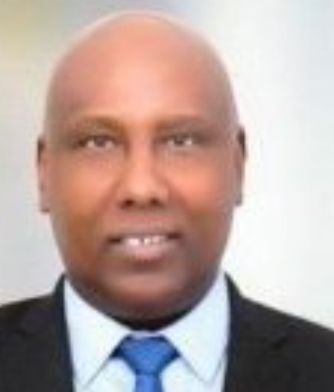
By Aweys Omar Mohamoud, PhD
@AweysOMohamoud
Presidential Aspirant in 2021/22; writer & blogger with a passion for the advancement of freedom and justice in Somalia & the greater HoA region.
@UCLAlumni
——
[Paper edited for space and clarity]
 Warsame Policy & Media Network (WAPMEN)