WDM SATIRE — SOMALIA’S YOUTH: THE PERMANENT FUTURE THAT NEVER ARRIVES

They say Somalia’s youth are the future of the nation. True — but they never tell you this future comes with no arrival date. “You aren’t the future, you are the present, do not be misled by older politicians”, Said Nuradin Aden Dirie, in a speech to the gathering in Martisoor Hall tonight.

The numbers don’t lie: 75% of Somalis are youth. The majority. The muscle. The energy. The ones who should be driving state-building. But instead, they’re treated like free campaign posters and disposable labor for warlord-turned-politicians.
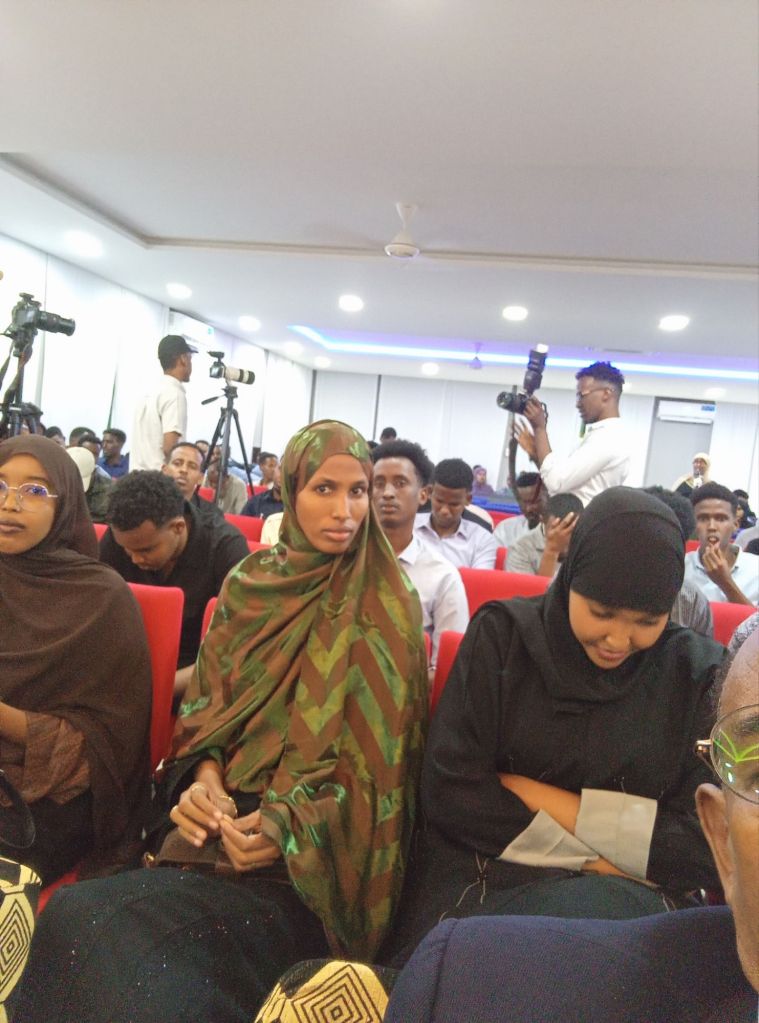
Every speech is the same recycled nonsense:

“The youth are the backbone of the nation.”
Yes, and Somalia has been walking with a broken back since the Civil War.

Politicians love the youth’s naivety and inexperience — perfect qualities for a loyal servant. Some lucky ones break through the unemployment wall, not because of talent or hard work, but through nepotism. Their reward? To serve as obedient houseboys and tea-bearers for the same ex-militia leaders who once looted their parents’ homes.

In Mogadishu, “youth empowerment” means giving a microphone to a 25-year-old who reads a speech written by a 70-year-old ex-warlord wearing imported Italian shoes. In Garowe, it’s football caps with Puntland X Anniversary painted — as if polyester hat can fix corruption. In Hargeisa, it’s telling graduates to “be patient” while every government job goes to the ruling party’s nephews.
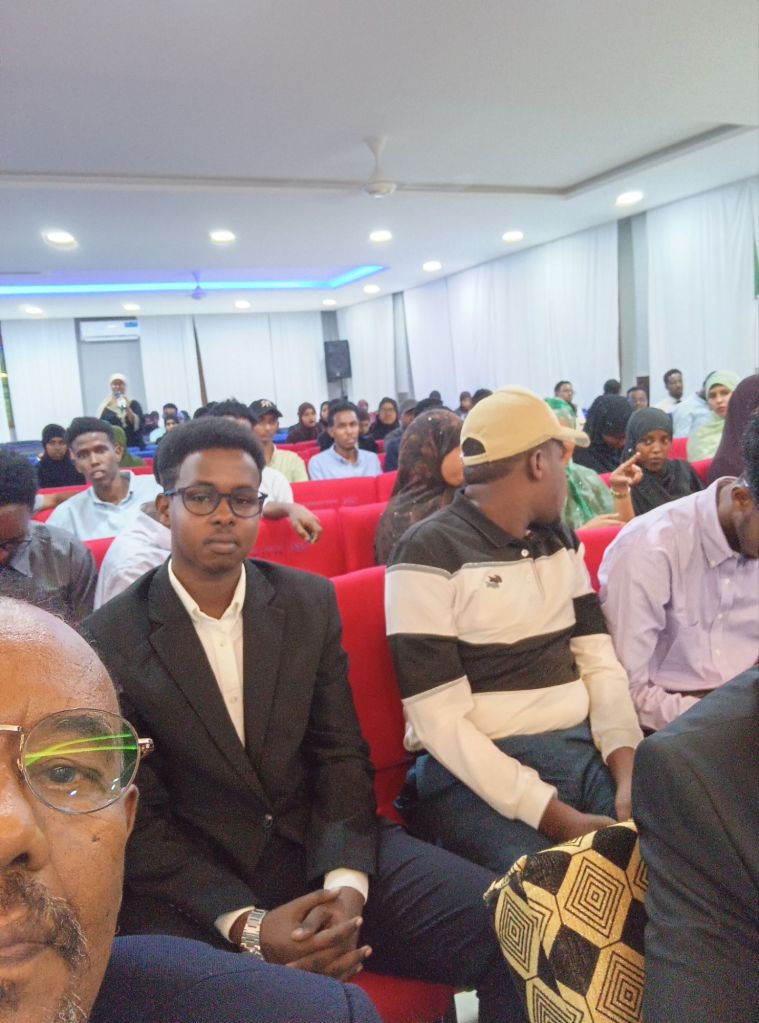
Meanwhile, the real state-building work — the cleaning of streets, the running of small schools, the starting of businesses — happens quietly in neighborhoods and villages, far from donor-funded workshops and ministerial selfies. No one cuts a ribbon for those youth. No one calls Al Jazeera to report on them.

And still, the myth continues: youth are the “leaders of tomorrow.” But tomorrow is always postponed. And the bus to the future? Still stuck in the mud, while the ministers drive past in stolen Land Cruisers yelling, “Your turn is coming!”

If Somalia truly valued its youth, they wouldn’t be the permanent audience to state-building — they’d be the ones writing the script. Until then, the politicians will keep clapping for them on stage while robbing them backstage.

Somalia’s Constitution: The Last Glue Tube Hassan Sheikh Wants to Squeeze Empty

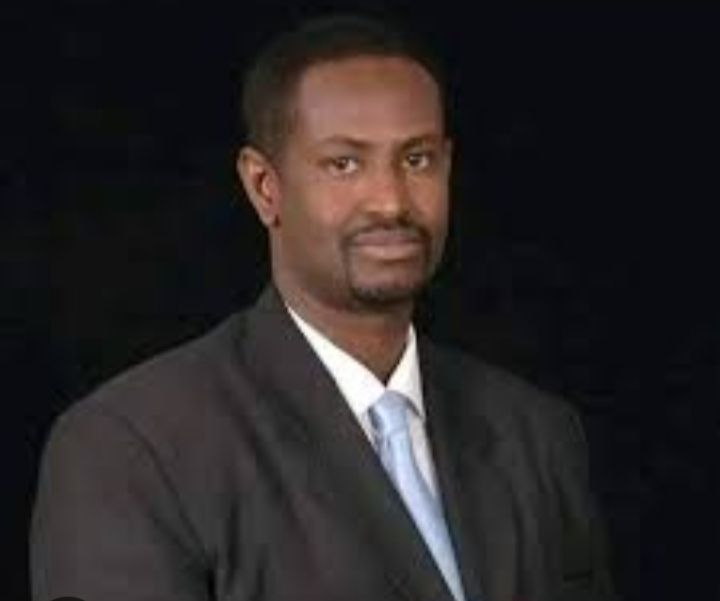
Hassan Sheikh Mohamud

Once upon a post-war time, Somalia had nothing left holding it together except clan grudges, bullet holes, and a dusty little thing called the Provisional Federal Constitution — a transitional document so fragile that even a sneeze from Mogadishu could tear it apart. It wasn’t perfect. It wasn’t sacred scripture. But it was the last tube of glue keeping Somalia’s fractured clan plates from sliding off the table. And there was a clear rule: don’t mess with it until the Somaliland question is settled.

Enter President Hassan Sheikh Mohamud and his Damul Jadid club of power-gamblers — a group whose political philosophy can be summed up in three words: Siyad Barre Reloaded. These folks saw the glue, read the warning label, and decided to squeeze it for their own political collage project.

Federalism? Never Heard of It

In theory, federalism means the regions have a say. In practice, Hassan Sheikh thinks federalism means the regions can vote… as long as they vote yes. Damul Jadid’s version of “dialogue” is sending troops, starving states of funds, and rewriting the constitution behind closed doors while telling the rest of the country it’s all “for unity.”

It’s the same playbook that drove the old Somali Republic straight into the grave — only now they’ve added a few Twitter hashtags and donor-funded “constitutional review workshops” to make it look modern.

Tampering: From Siad Barre’s Playbook

The President’s political vision isn’t about reconciliation or consensus. It’s about owning the rules of the game — literally. If you control the constitution, you control the referees, the ball, and the scoreboard.

Back in the late ’80s, Siyad Barre played this game until the whole country exploded. Hassan Sheikh seems determined to run the same experiment, apparently convinced that the results will be different this time. (Spoiler: they won’t.)

The Civil War: Damul Jadid’s Season 2

Some say the civil war ended in 2004. Damul Jadid says: Hold my tea. This crew has found a new way to keep the war alive without all the messy tank battles — just pick apart the one legal document that prevents the regions from walking away completely. Call it civil war by pen.

Of course, the PR machine insists this is “reform.” But in Somalia, “reform” usually means: We couldn’t win under the old rules, so we changed them.

The Warning Label on Somalia’s Future

The Provisional Federal Constitution is the one thing every region reluctantly agreed to respect — a truce written in legalese. Destroy that, and you’re left with Mogadishu shouting orders into a vacuum while the peripheries quietly pack their bags.

Hassan Sheikh isn’t just tampering with the glue — he’s peeling the wallpaper off the walls and selling the bricks while calling it home renovation.

If this continues, the next chapter of Somalia’s history won’t be titled Nation Rebuilt. It’ll be Siyad Barre: The Sequel — starring Damul Jadid as the centralist dreamers who thought they could bully federalism into submission.

And as every Somali elder knows, sequels are usually worse than the original.

Presidential Contender Dirie Ignites State-Building Debate at Frontier University Forum

Byline: Warsame Digital Media Special Report | Garowe, Puntland 
August 13, 2025 

GAROWE, PUNTLAND – In a rare display of intellectual rigor and political transparency, Frontier University hosted a landmark public forum on Somalia’s fragile state-building efforts Tuesday night, headlined by presidential hopeful Nuradin Aden Dirie. 

Organized by the Puntland-based think tank “May Fakeraan“, the event drew academics, civil society leaders, students, and political observers into a spirited three-hour discourse on national reconstruction. At its center stood Deriye—a polyglot diplomat and emerging political force—who issued a stark warning: “Somalia remains mid-process in state formation. If we fail now, we risk vanishing from the map altogether.”

The Man in the Spotlight 
Dirie, a Xudur-born veteran of Somalia’s civil service and foreign postings, leveraged his multilingual fluency (Somali, May May Southwest dialect, English, Arabic, Italian, and French, to dissect governance challenges with uncommon precision. His address blended academic depth with charismatic delivery, dissecting institutional reform, federalism, and the urgent need for political maturity. 

Beyond Scripted Politics 
The forum broke from Puntland’s typically cautious political theater. Deriye’s unfiltered passion ignited a marathon Q&A where attendees grilled him on: 
– Tensions between federal and state governments 
– Systemic corruption 
– Youth exclusion from governance 
– Inter-regional distrust 
His evidence-backed replies, described by observers as “refreshingly unrehearsed,” drew repeated applause. 

Unscripted Impact 
Audience engagement defied the clock, with students and policymakers lingering long past the scheduled end—a testament to the discussion’s resonance. Multiple attendees called it “the most substantive political dialogue in Puntland in years,” praising Dirie’s willingness to address “taboo truths.” 

What’s Next 
“May Fakeraan” confirmed the debate will reconvene tonight, August 14, at Garowe’s Martisoor Hall to be hosted by different actors, and amplifying scrutiny on Somalia’s leadership vacuum. Deriye’s performance positions him not just as a policy voice, but as a credible contender in a nation hungry for change. 

End Report