

Introduction
Since the establishment of the Federal Government of Somalia (FGS) in 2012, the nation has grappled with persistent opposition stemming from federal member states (FMS), political alliances, civil society, and armed groups. This opposition reflects deep-rooted tensions over governance structures, resource allocation, and national identity. Understanding the dynamics of this opposition is crucial for Somalia’s path toward stability and unity.
1. Historical Context and Evolution of the Opposition
The roots of opposition to the FGS trace back to the collapse of the central government in 1991, leading to the emergence of clan-based administrations and regional entities. The 2012 provisional constitution introduced a federal system intended to balance power between Mogadishu and the regions. However, the implementation of federalism has been fraught with challenges, leading to friction between the central government and FMS over issues like resource sharing, security, and political representation.
2. Main Forms of Opposition
A. Federal Member States (FMS) as Opposition
FMS have often acted as de facto opposition to the FGS, asserting their autonomy and challenging central authority:
Puntland: Established in 1998, Puntland has been a vocal critic of the FGS, especially concerning constitutional reforms perceived to centralize power. In March 2024, Puntland announced its withdrawal from the federal system, citing unilateral constitutional amendments by the FGS .
Jubbaland: Under President Ahmed Mohamed Islam (Madobe), Jubbaland has clashed with the FGS over electoral processes and autonomy. In November 2024, Jubbaland suspended ties with the FGS following disputes over regional elections and constitutional amendments .
B. Political Alliances and Movements
Political figures and former leaders have formed alliances to challenge the FGS:
Forum for National Parties (FNP): Founded in 2019 by former Presidents Sharif Sheikh Ahmed and Hassan Sheikh Mohamud, the FNP advocates for political reforms and has been critical of the FGS’s approach to federalism and elections .
Council of Presidential Candidates (CPC): Formed during the 2021 electoral crisis, the CPC opposed term extensions and called for transparent elections, highlighting the need for consensus between the FGS and FMS .
C. Civil Society and Media
Journalists, scholars, and civil society organizations have played a role in opposing the FGS by advocating for transparency, accountability, and inclusive governance. However, they often face challenges such as censorship and limited freedom of expression.
D. Armed Opposition: Al-Shabaab
While not part of the political opposition, Al-Shabaab remains a significant threat to the Somali state, exploiting governance vacuums and conflicts between the FGS and FMS to expand its influence.
3. Strengths of the Opposition
Regional Autonomy: FMS like Puntland and Jubbaland have established functioning administrations, providing them with leverage in negotiations with the FGS.
Territorial Control: Control over strategic regions allows FMS to assert authority and resist centralization efforts.
Public Support: In some regions, local populations support FMS leaders who they perceive as better representing their interests compared to the FGS.
International Engagement: FMS have engaged with international actors independently, seeking support and investment, which enhances their political standing.
4. Weaknesses of the Opposition
Fragmentation: The opposition lacks a unified agenda, with differing priorities among FMS and political alliances, leading to inconsistent strategies.
Clan-Based Politics: Reliance on clan affiliations can undermine national cohesion and limit the appeal of opposition movements beyond specific groups.
Limited Institutional Capacity: Some FMS struggle with governance challenges, including limited administrative capacity and financial resources.
Susceptibility to External Influence: Engagements with foreign actors can lead to perceptions of external interference, potentially undermining legitimacy.
5. Key Actors in the Somali Opposition
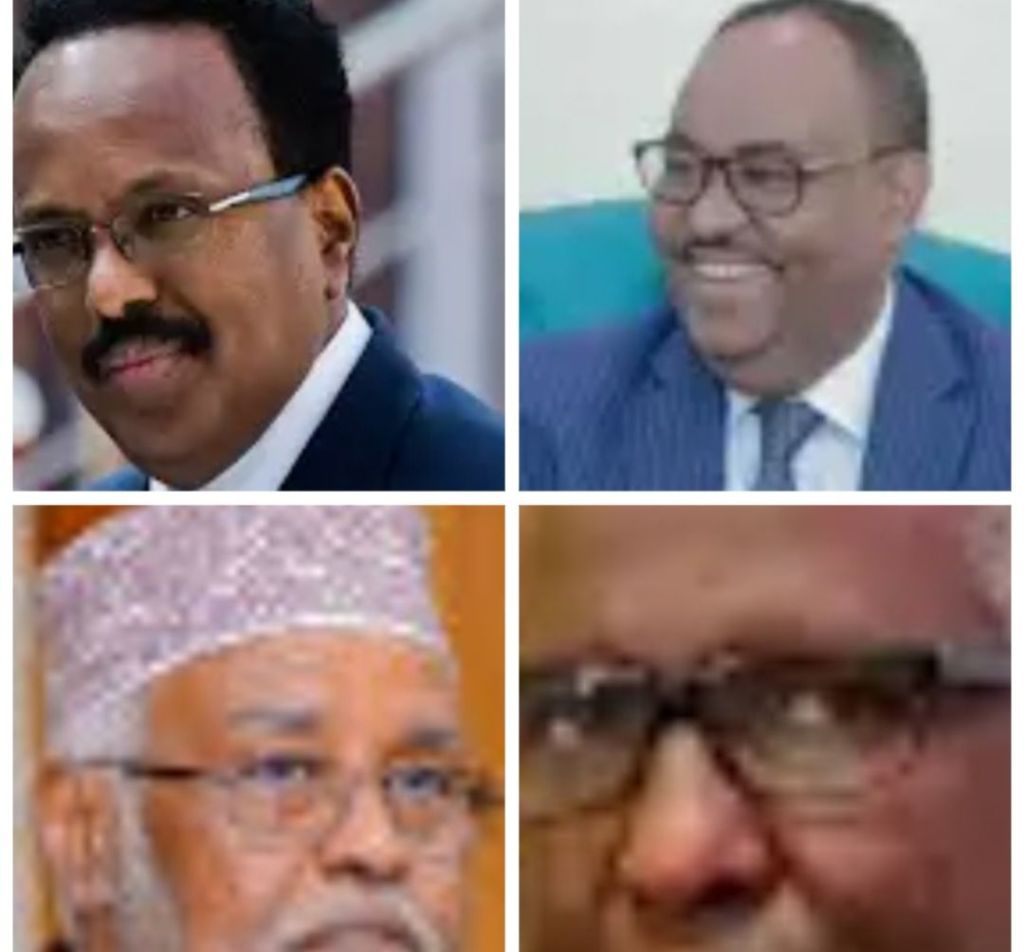
Said Abdullahi Deni (Puntland President): A prominent critic of the FGS’s centralization efforts, advocating for greater regional autonomy.
Ahmed Mohamed Islam (Madobe) (Jubbaland President): Opposes FGS interventions in regional affairs, emphasizing the importance of respecting FMS autonomy.
Sharif Sheikh Ahmed (Former President): Leader of the FNP, advocating for political reforms and inclusive governance.
Hassan Sheikh Mohamud (Current President): Previously part of the opposition during Farmaajo’s tenure, now leading efforts to reconcile with FMS while facing criticism over constitutional reforms.
6. International Dimensions
International actors have influenced Somalia’s political landscape:
United States: Has engaged with both the FGS and FMS, including military cooperation with Puntland in counterterrorism efforts .
Gulf States: Countries like the UAE and Qatar have supported different Somali factions, contributing to regional rivalries and political alignments .
African Union and United Nations: Have facilitated dialogues and supported peacekeeping missions, aiming to stabilize the country and promote governance reforms.
7. Conclusion and Outlook
The opposition to Somalia’s Federal Government is multifaceted, encompassing regional administrations, political alliances, and civil society actors. While the opposition has strengths in regional autonomy and public support, challenges such as fragmentation and clan-based politics persist. Moving forward, fostering inclusive dialogue, respecting the autonomy of FMS, and implementing constitutional reforms through consensus are essential steps toward national unity and stability.
 Warsame Policy & Media Network (WAPMEN)
You must be logged in to post a comment.