

The Somali National Army (SNA), tasked with defending the nation against insurgency and restoring state authority, stands as a symbol of both hope and despair. Under the DamulJadiid administration, the SNA has been crippled by systemic mismanagement, clan-based politicization, chronic underfunding, and a lack of cohesive national identity. These factors have rendered the army ineffective in countering Al-Shabaab’s relentless insurgency, while deepening public distrust and international skepticism. This essay examines the structural and operational failures of the SNA, arguing that without urgent reforms, the army will remain incapable of fulfilling its constitutional mandate.
Clan-Based Recruitment and the Erosion of National Unity.
A critical flaw in the SNA’s structure is its recruitment strategy, which disproportionately draws from a single clan, undermining its legitimacy as a national institution. Historically, Somali military forces have been fragmented along clan lines, but the DamulJadiid administration’s reliance on clan loyalty to consolidate power has exacerbated this division. By prioritizing one clan in recruitment and promotions, the SNA has alienated other communities, fostering perceptions of the army as a partisan entity rather than a guardian of the nation. This lack of inclusivity weakens morale, discourages cross-clan cooperation, and fuels grievances that Al-Shabaab exploits to recruit disenfranchised youth. A military that mirrors Somalia’s clan divisions cannot unify the country or command broad public support.
Chronic Underfunding and Operational Paralysis
The SNA’s operational capacity is severely hampered by financial neglect. Soldiers endure months of unpaid salaries, dilapidated equipment, and inadequate logistics, leaving them vulnerable in combat. While Al-Shabaab leverages illicit financing to sustain its operations, the SNA struggles to procure basic supplies, such as ammunition, medical kits, and vehicles. This disparity has dire consequences: demoralized soldiers often desert their posts or collude with militants for survival. Moreover, the absence of air support, intelligence infrastructure, and modern weaponry leaves the SNA outgunned in asymmetrical warfare. Underfunding is not merely a budgetary issue but a strategic failure, reflecting the government’s inability to prioritize national security over political patronage.
Political Interference and the Collapse of Command.
The SNA’s chain of command has been repeatedly undermined by political interference. Military appointments are often based on clan allegiance or loyalty to the DamulJadiid elite rather than merit, resulting in inexperienced leadership and incoherent strategies. Politicians routinely override military decisions for short-term gains, such as delaying offensives to appease clans or diverting resources to secure votes. This meddling has led to catastrophic battlefield losses, including the 2023 fall of key bases in Galmudug and Hirshabelle, where Al-Shabaab overran SNA positions due to poor coordination and last-minute political directives. Such interference erodes discipline and perpetuates a culture of impunity, where accountability is absent.
Strained Relations with International Partners.
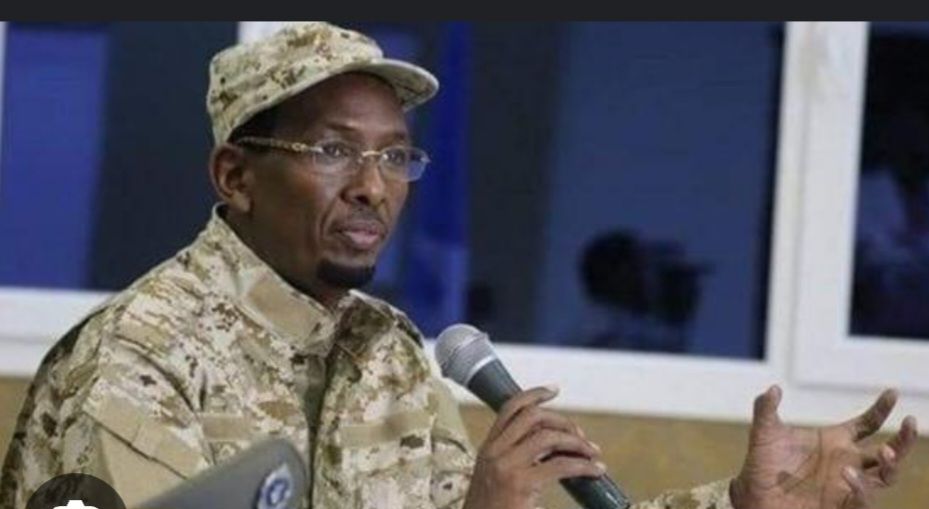
The African Union Transition Mission in Somalia (ATMIS) and the UN-supported AUSSOM have long underpinned Somalia’s security framework. However, their partnership with the SNA is marred by mistrust and condescension. ATMIS officials often sideline SNA commanders in planning operations, viewing them as incompetent or corrupt. This patronizing dynamic fosters dependency rather than empowerment, leaving the SNA ill-prepared to assume security responsibilities as ATMIS withdraws. Furthermore, international donors, wary of mismanagement, channel resources through parallel structures, bypassing the SNA entirely. This cycle of marginalization stifles institutional growth and perpetuates the army’s reliance on external actors.

Conclusion: A Failing Institution in a Fragile State.
The Somali National Army, as currently constituted, is a microcosm of Somalia’s broader governance crisis. Clan favoritism, financial neglect, political exploitation, and international skepticism have coalesced into an existential threat to the army’s viability. Without radical reforms—including inclusive recruitment, depoliticization of command structures, increased budgetary transparency, and equitable international partnerships—the SNA will remain incapable of defeating Al-Shabaab or securing Somalia’s future. The DamulJadiid administration’s failure to address these issues not only jeopardizes national security but also risks entrenching Somalia’s status as a perpetually fragmented state. The choice is stark: rebuild the SNA as a truly national institution, or accept its collapse—and with it, the collapse of hopes for lasting stability.
 Warsame Policy & Media Network (WAPMEN)