
Introduction
Muslim-majority countries today present a paradox: once epicentres of intellectual and scientific advancement during the Islamic Golden Age, many now grapple with political stagnation, technological underdevelopment, and rising extremism. This essay explores how authoritarian governance, the clergy’s complicity in suppressing critical discourse, and the stifling of innovation have contributed to this decline. It argues that systemic repression fosters radicalization, necessitating structural reforms to revive intellectual and political agency.
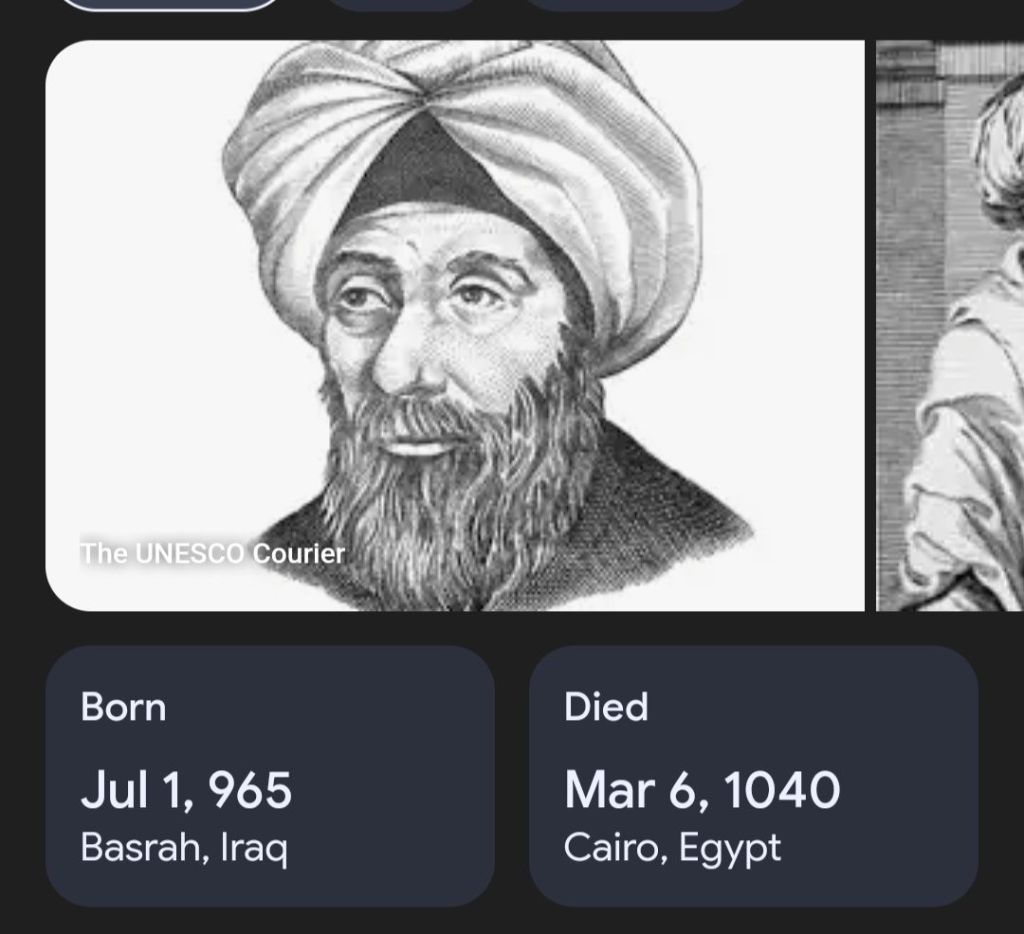
Historical Context: The Islamic Golden Age Between the 8th and 13th centuries, the Islamic world was a beacon of knowledge. Scholars in Baghdad’s House of Wisdom translated Greek texts, advanced algebra (Al–Khwarizmi), optics (Ibn al-Haytham), and medicine (Ibn Sina). Cities like Cordoba (Spain) and Cairo thrived as multicultural hubs of learning. This era was marked by curiosity, state patronage of science, and a synthesis of diverse intellectual traditions. The decline began with political fragmentation, Mongol invasions, and the rise of rigid theological interpretations that prioritized dogma over inquiry.


Contemporary Political Landscape: Authoritarianism and Dynastic Rule
Today, many Muslim-majority nations are ruled by authoritarian regimes or dynastic families (e.g., Saudi Arabia and Gulf States). Power is concentrated in the hands of elites who suppress dissent, often justified under the guise of stability. Elections, where they exist, are performative, and civil liberties are curtailed. The 2011 Arab Spring exemplified grassroots demands for democracy, but its suppression (e.g., Egypt’s military coup) reinforced autocracy. Such environments deter innovation, as fear of dissent stifles creativity and critical thinking. Here, we are not talking about already failed states such as Somalia, Yemen, the Sudan, and fragile others.
Role of the Clergy: Otherworldly Focus and Political Complicity
Religious institutions often avoid challenging political authority. In Saudi Arabia, the Wahhabi clergy legitimizes the monarchy in exchange for influence over social policies. Iran’s theocracy merges religious and state power, silencing reformist voices. By emphasizing piety, prayer, and the afterlife, clergy divert attention from governance failures. This collusion entrenches stagnation, as questioning socio-political structures is framed as un-Islamic, discouraging youth from engaging in secular knowledge or activism.
Societal Impact: Technological Stagnation and Youth Disillusionment
Underinvestment in education and research perpetuates dependency on foreign technology. According to UNESCO, Muslim-majority countries spend less than 0.5% of GDP on R&D, compared to 2-3% in developed nations. Educational systems often prioritize religious studies over STEM (Science, Technology, Engineering and Mathematics), limiting economic diversification. Youth unemployment rates exceed 25% in nations like Tunisia and Iran, fueling frustration. With legitimate avenues for expression blocked, some turn to extremism, seeking purpose in ideologies that promise empowerment through violence.
Extremism and Radicalization: The Cycle of Repression and Violence
Authoritarianism creates fertile ground for radical groups. Marginalized populations, denied agency, may gravitate toward movements like ISIS and Al-Shabab, which exploit grievances and offer a distorted sense of identity. The U.S. invasion of Iraq and Syria’s civil war exacerbated this, but internal repression remains a root cause. Extremist narratives glorify a mythologized past, contrasting it with present humiliation, thereby resonating with disillusioned youth.
Case Studies: Contrasting Trajectories
• Iran: The 1979 Revolution replaced a secular autocracy with a theocracy, stifling reform. Despite a educated youth, brain drain and sanctions hinder progress.
• Malaysia: A blend of Islamic governance and economic modernization shows potential, though political Islam risks polarizing society.
• UAE: Investment in tech hubs like Dubai contrasts with strict political control, illustrating selective modernity without democratization.
Pathways to Reform
Breaking the cycle requires multifaceted approaches:
• Educational Reform: Emphasize critical thinking and STEM (Science, Technology, Engineering, Mathematics), drawing on the Islamic Golden Age’s interdisciplinary spirit.
• Political Democratization: Foster inclusive governance to channel dissent constructively.
• Religious Reinterpretation: Encourage progressive theological discourses that reconcile faith with modernity.
• Economic Empowerment: Invest in innovation and job creation to reduce youth vulnerability to extremism.
Conclusion
The stagnation of many Muslim-majority societies is not inevitable but a product of repressive structures. By addressing governance failures, revitalizing education, and embracing intellectual heritage, these nations can combat extremism and reclaim their legacy of innovation. The choice lies between perpetuating cycles of violence or fostering renaissance through reform.
 Warsame Policy & Media Network (WAPMEN)