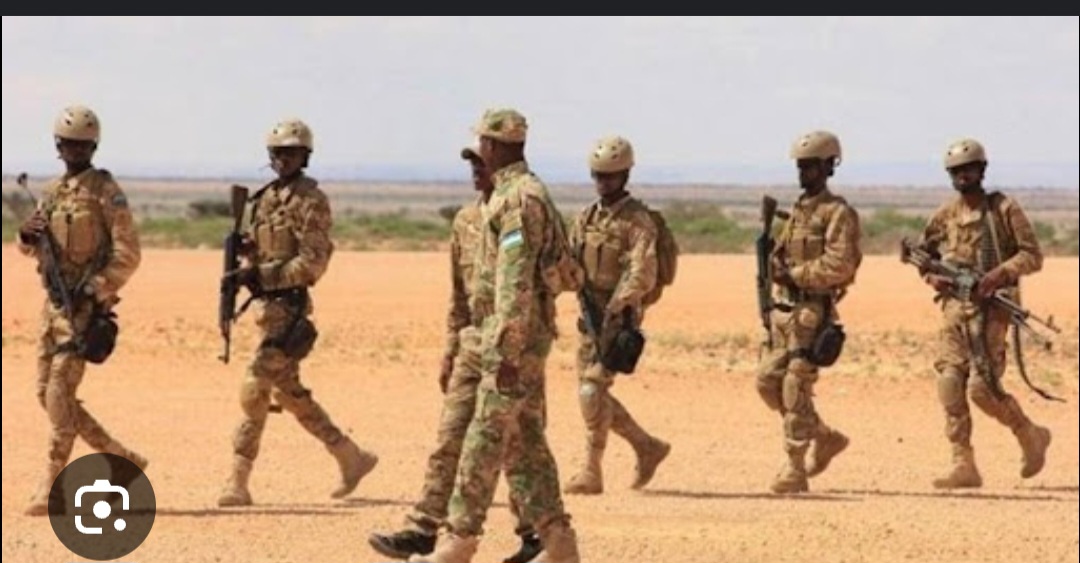
HOW PUNTLAND STATE CAN TAKE CARE OF ITS FORCES ENGAGED IN FIGHT WITH ISIS AND AL-SHABAB

To address the challenge of supporting Puntland State forces battling extremists in the Al-Miskat Mountains, the following structured strategies can be implemented, leveraging local resources and innovative approaches:

1. Strengthen Local Resource Mobilization

  • Clan and Nomadic Partnerships: Formalize clan contributions through a structured system, such as negotiated quotas or voluntary pledges, incentivized by community recognition or future benefits. Nomads could supply pack animals (camels, donkeys) for logistics and meat rations.
  • Private Sector Engagement: Partner with local businesses for donations of supplies or funds, offering tax incentives or public acknowledgment in return.

2. Medical Support Systems

  • Community Health Training: Train nomads, clans, and soldiers in basic first aid and trauma care to stabilize wounded personnel. Collaborate with local midwives or traditional healers to expand capacity.
  • Mobile Medical Units: Establish low-cost mobile clinics using donated vehicles or pack animals, staffed by volunteers or minimally trained personnel. Seek partnerships with NGOs like Médecins Sans Frontières (MSF) or the Red Cross for supplies and expertise.

3. Logistics and Supply Chain

  • Localized Supply Networks: Use nomadic knowledge of terrain to create efficient supply routes. Employ pack animals to transport rations, water, and medical supplies to frontline troops.
  • Resource Prioritization: Implement triage systems to allocate medical resources to the most critical cases, ensuring rapid return of soldiers to combat where possible.

4. Fundraising and Financial Strategies

  • Diaspora Engagement: Launch targeted crowdfunding campaigns via social media, appealing to the Somali diaspora for financial support. Ensure transparency through independent oversight of funds.
  • Local Fundraising Drives: Organize community-led initiatives (livestock auctions, charity events) to raise funds for medical supplies and equipment.

5. Morale and Psychological Support

  • Community and Religious Leadership: Mobilize elders and religious leaders to provide moral support and counseling to troops, boosting morale through cultural and spiritual solidarity.

6. International Advocacy and Alternative Aid

  • Direct Outreach to Donors: Bypass federal channels by appealing directly to foreign governments, NGOs, and international bodies (e.g., UN, EU) for humanitarian or counterterrorism aid. Highlight Puntland’s role in regional security.
  • Leverage Counterterrorism Networks: Seek discreet partnerships with countries invested in combating ISIS/Al-Shabab, such as the UAE, Turkey, or the U.S., for non-lethal aid (medicines, logistics).

7. Low-Tech Innovation

  • Telemedicine: Use mobile phones to connect frontline medics with remote doctors for guidance in emergencies.
  • Traditional Solutions: Integrate proven traditional medicine practices where modern resources are unavailable.

8. Strategic Prioritization

  • Focus on Sustainability: Invest in training programs for logistics and medical care to build long-term resilience. Prioritize reusable supplies (e.g., sterilizable bandages) over single-use items.

Conclusion

Puntland can leverage its strong clan networks, nomadic expertise, and diaspora connections to create a self-reliant support system. By combining local resource mobilization with targeted international appeals and low-cost innovations, it can sustain its forces despite limited external assistance. Success hinges on community cohesion, transparent management, and adaptive strategies tailored to the region’s socio-cultural context.

HOW TO HANDLE DECEASED TERRORISTS AT BATTLE FIELDS

Handling the bodies of deceased combatants, including terrorists, requires adherence to legal, ethical, health, and sociopolitical considerations. Below are best practices for managing the remains of ISIS fighters killed in conflict with Puntland State forces, informed by international standards and lessons from similar contexts:


1. Legal and Ethical Obligations

  • International Humanitarian Law (IHL): Even though ISIS is a non-state actor, customary IHL principles (e.g., humane treatment of the dead) should guide actions to uphold moral legitimacy and avoid accusations of war crimes.
  • Respect for Human Dignity: Avoid mutilation, public display, or desecration of bodies, as these acts can fuel propaganda, radicalization, or retaliation.
  • Documentation: Record the number of bodies, locations, and any identifying features (e.g., tattoos, documents) for future investigations or potential repatriation requests. This also aids in distinguishing foreign fighters from locals.

2. Public Health Measures

  • Swift Burial: Decomposing bodies pose health risks (e.g., disease outbreaks). Bury remains promptly in designated, secure sites away from water sources or populated areas.
  • Mass Graves: If individual burial is impractical, use marked mass graves with GPS coordinates recorded. Avoid “incognito” burials that erase accountability or complicate future exhumations (e.g., for war crimes tribunals).
  • Protective Gear: Ensure personnel handling bodies use gloves and masks to prevent exposure to pathogens.

3. Religious and Cultural Sensitivity

  • Islamic Burial Rites: Follow basic Islamic practices (e.g., washing, shrouding, facing Mecca) if feasible, even for adversaries. Denying rites risks alienating communities or fueling narratives of state “oppression.”
  • Anonymous Burial: If identities are unknown or unclaimed, bury bodies in unmarked graves but maintain records. This balances dignity with security concerns.

4. Security and Political Considerations

  • Prevent Martyrdom Narratives: Avoid creating burial sites that could become shrines for sympathizers. Use discreet locations and refrain from publicizing coordinates.
  • Community Engagement: Consult local elders and religious leaders to address concerns about burial sites (e.g., proximity to villages) and mitigate stigma.
  • Foreign Fighters: Notify relevant embassies or international organizations (e.g., ICRC) about the deaths, even if repatriation is refused. This fulfills procedural obligations and may deter legal disputes.

5. Coordination with External Actors

  • International Organizations: Partner with the ICRC or Somali Red Crescent to ensure compliance with global norms. They can assist with documentation and dignified burials.
  • Forensic Support: Seek technical help from entities like the UN or African Union to preserve evidence (e.g., DNA samples) for future accountability processes.

6. Environmental Protection

  • Site Selection: Bury bodies in arid, low-traffic areas to minimize groundwater contamination. Avoid ecologically sensitive zones.
  • Use of Lime: In mass graves, apply lime to accelerate decomposition and reduce odor/disease risks.

7. Long-Term Accountability

  • Maintain Records: Archive burial details (locations, photos, identifiers) for potential future exhumations (e.g., war crimes prosecutions or family claims).
  • Transparency: Issue a public statement (without glorifying terrorists) confirming that bodies were handled lawfully and respectfully to counter misinformation.

Case Studies for Guidance

  • Iraq/Syria: Used mass graves for ISIS fighters but faced criticism for poor documentation. Lessons: Prioritize record-keeping and avoid desecration.
  • Mali: Partnered with ICRC to bury jihadist remains anonymously while respecting Islamic rites, reducing community tensions.

Risks to Avoid

  • Summary Disposal: Hasty, unrecorded burials may violate legal norms and complicate post-conflict reconciliation.
  • Politicization: Weaponizing bodies for propaganda (e.g., trophy photos) harms reconciliation and legitimizes extremist narratives.

Recommendation for Puntland

Proceed with prompt, dignified burials in designated sites, adhering to Islamic rites where possible. Document all steps, engage local leaders, and notify international bodies. This approach balances health, legal, and ethical obligations while denying ISIS opportunities to exploit the issue. If feasible, involve neutral actors like the ICRC to lend credibility to the process.