Comprehensive Analysis and Expansion of Puntland’s Counter-ISIS Strategy in the Cal-Miskat Mountains

By Jama Haji Warsame, Puntland State, Somalia

Introduction
Puntland’s battle against ISIS in the Cal-Miskat Mountain Range is a pivotal effort to stabilize Somalia and curb regional extremism. While the original reports outline a strategic framework, a deeper dive into specific challenges, stakeholder dynamics, and innovative solutions is essential for a robust policy response.


Short-Term Security Challenges: Context and Data

  1. Tactical Adaptations by ISIS:
    • ISIS has historically employed hit-and-run tactics in Somalia’s rugged terrain. For instance, in 2022, militants used similar strategies in the Golis Mountains, causing prolonged skirmishes. The use of IEDs has surged, with over 50 incidents reported in Puntland in 2023 alone, complicating troop movements and endangering civilians.
    • Humanitarian Impact: The UN estimates 30,000 civilians have been displaced since operations began, straining resources in cities like Bosaso. Organizations like the Somali Red Crescent are providing aid, but funding gaps exceed $15 million.
    • Financial Strain: Puntland’s annual security budget is 25 million dollars, yet counter−ISIS operations consume 4010 million dollars, the stabilization package, remains critical but insufficient.

Long-Term Consequences: Lessons from History

  • Security Vacuum: The 2017 withdrawal of Ethiopian troops from central Somalia led to Al-Shabab’s resurgence. Puntland must avoid this by pre-positioning trained local forces in liberated areas.
  • Economic Stagnation: The fishing and livestock sectors, contributing 60% of Puntland’s GDP, face disruption. Unemployment among youth (over 70%) heightens vulnerability to radicalization.
  • Regional Spillover: ISIS affiliates in Mozambique and the DRC demonstrate the group’s capacity to exploit governance gaps. Cross-border intelligence-sharing with Kenya and Ethiopia is vital.

Stakeholder Roles: Collaboration and Challenges

  • Local Leaders: In Somaliland, clan-led peace councils reduced intercommunal violence by 50% in 2020. Replicating this model could enhance trust in Puntland.
  • Federal Government Tensions: Puntland’s boycott of Somalia’s National Security Council in 2023 over resource-sharing disputes risks fragmenting counterterrorism efforts. Mediation by the AU or IGAD is critical.
  • International Partners: The U.S. AFRICOM provides drone surveillance and occasional airstrikes, while UAE trains PMPF troops. The UAE’s port investments in Bosaso could be further leveraged for more economic-security linkages.

Post-Conflict Engagement: Innovative Solutions

  1. Rehabilitation Programs:
    • Nigeria’s “Operation Safe Corridor” DE radicalized 2,000 Boko Haram fighters via psychosocial support. Puntland could partner with UNICEF to replicate this, focusing on vocational training in agriculture.
  2. Infrastructure Development:
    • Prioritize towns-Cal-Miskat road projects to enhance market access and security mobility. Mobile health clinics piloted in Galmudug, reduced maternal mortality by 30%, and could be expanded.
  3. Gender-Inclusive Strategies:
    • Include women in community policing, as seen in Kenya’s “Nyumba Kumi” initiative, which improved local intelligence by 40%.
  4. Environmental Considerations:
    • Mine-clearance efforts must integrate environmental NGOs to restore grazing lands. The HALO Trust’s work in Somaliland offers a blueprint.

The Way Forward: Integrated Strategies

  • Phased Governance Rollout: Within 6 months of liberation, mobile administration units (MAUs) could be deployed to provide basic services, building on lessons from the Somali Regional State in Ethiopia.
  • Economic Revitalization: Partner with the World Bank’s Somalia Urban Resilience Project to fund youth entrepreneurship in Bosaso, targeting sectors like renewable energy and digital services.
  • International Coordination: Establish a “Cal-Miskat Stabilization Coalition” with the AU, EU, and Gulf states, modeled on the Global Coalition Against Daesh, to pool resources and intelligence.

Conclusion
Puntland’s success hinges on transcending military action to embrace holistic governance, economic inclusivity, and regional cooperation. By integrating lessons from global counterinsurgency efforts and addressing gaps in gender and environmental policy, Puntland can transform Cal-Miskat into a beacon of resilience, deterring extremism through sustainable development. The international community must act decisively, recognizing that stability in Puntland is a linchpin for regional security.
Chasing Mirages Across Somalia

 Abukar Arman. 5 years ago

somalia

Hopelessness is a dangerous dead-end. As with people, nations need a sense of hope to exist and deal with the inevitable challenges confronted throughout their development and existence. But that sense of hope must be grounded on reality; otherwise, it turns into delusion.

With the so-called election being around the corner in Somalia, it is fair to say that this systematically eroding nation is in the thick of that season of delusional self-assurance. Positive change is inevitable without making any change in method and mindset.

Many candidates are lined up to replace the de facto President, Hassan Sheikh Mohamud, whose term has ended on September 10th, who is enjoying an extension without mandate, who himself is a candidate. The Parliament is sidelined as in 2011 right before the transitional period came to an end. Worse, there is no Constitutional Court to judicially arbitrate.

These candidates, by and large, have only one thing in common: the conviction that “The president must go.” This sentiment which resonates with the majority of Somalis has ironically rendered any substantive inter-candidate debate on critical issues unnecessary, at best.

Most seem confident that a replacement would automatically bring about the direly needed change to repair brokenness and rectify ills. However, history reminds us of successive disappointments that resulted from such false assumption in the past decades.

Governance by Tourism

Four years ago, I have privately counseled and publicly cautioned that the newly elected President was bound to fail if his government does not provide direly needed public services, make genuine reconciliation and transparency to end corruption his top priorities. And fail, he did.

Against this backdrop, President Mohamud has been expanding his authority by issuing unconstitutional decrees that are intended to become part of the policies shaping the electoral process. His effective tactics worked like this: He would issue a decree that clearly overreaches the legislative authority of the Parliament, and then swiftly, before any public outcry or any candidate could react, IGAD and UNSOM would issue their respective congratulatory statements. Implementation ensues.

Meanwhile, in order to present a façade of legitimacy, the coopted Speaker of the Parliament is granted a symbolic seat at the so-called National Leadership Forum. The NLF is an IGAD concocted and international community supported political sham that grants a handful of regional actors and government officials with clear conflict of interest the exclusive political authority to decide Somalia’s existential fate. Make no mistake; this can only lead into a never-ending process of transitioning out of transition, bloodshed and perpetual dependency.

Smoke-screened by this political theatrics, the reinvention of President Mohamud is smoothly underway. He is in effective hands of professional image-makers who are capable of making miserable failures look like exemplary successes. In this recent article with all dramatic visual and sound effects, President Mohamud, the man under whose watch Ethiopia got a blank check to run the Somali political affairs and al-Shabaab became more lethal than ever before, claims to have a new plan to restore security and defeat that terror group.

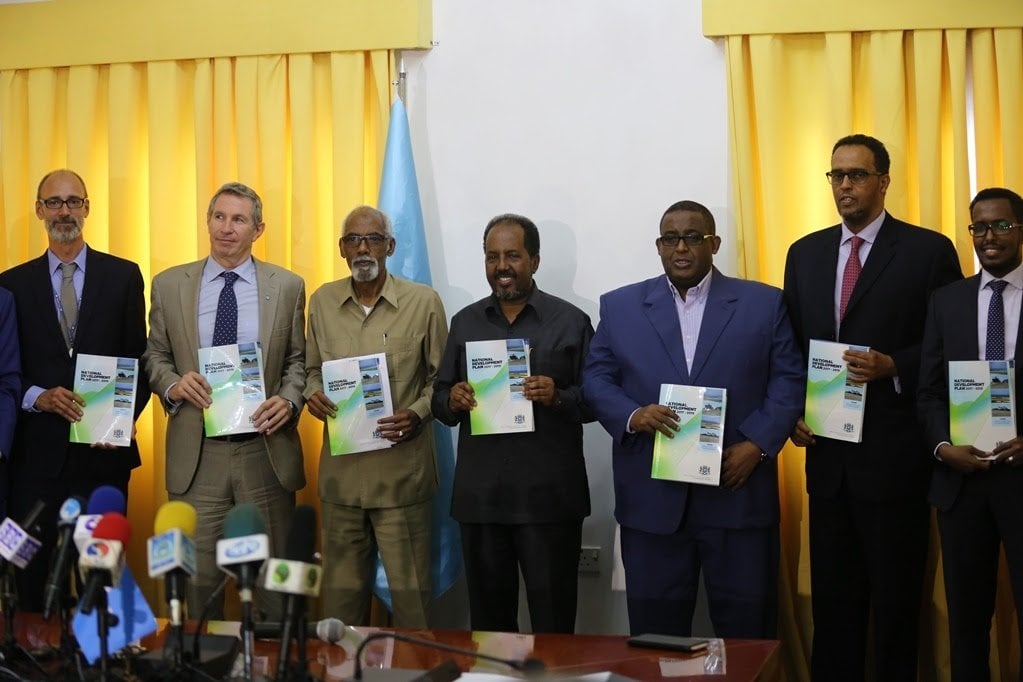
On their part, the Council of Ministers has completed the National Development Plan or the cosmetically enhanced version of the cash-sucking New Deal Somali Compact 52 days before their term expired. The subsequent political fanfare by the advocates of status quo was hardly surprising.

Never mind that the current leadership are yet to designate national currency and are yet to address how having US dollar, the Ethiopia’s Bir, and Kenya’s Shilling–the national de facto currencies—contribute to inflation and make life economically unbearable for the average Somali. People are led to believe that these same leaders whose ‘national budget’ is made of salaries and operation costs, who are yet to set up a single government-funded clinic or feeding and housing centers for the nearly one million internally displaced persons (IDPs) in Mogadishu alone, are set to improve the Somali per capita income and reduce poverty.

Meanwhile, suits are pressed, shoes are shined and suitcases are packed. The Somali leadership team is anxiously waiting for the next great conference being convened somewhere across the seas.

Coercive Institutionalization of clan federalism

Ever since certain members of the political elite accepted that clan-based federalism is a viable governance system; that false narrative has neither faced serious scrutiny nor serious setback. Well, at least not until the government, IGAD, and UNSOM have at various times attempted to lure, pressure, and coerce the traditional leaders of Hiiraan to merge into an arbitrary union with Middle Shabelle and immediately form a federal-state before the upcoming election. Apparently this trio has forgotten Hiiraan’s historical reputation as the womb of Somali patriotism.

So, Hiiraan became ‘Laf dhuun ku taagan’ or the ‘bone that stuck in the throat’ of the trio and a major setback against the political formula engineered to make the reconstitution of the Somali state impossible, and inter-clan perpetual enmity and bloodshed the political order.

Which of the Presidential Candidates might be the right one?

In identifying the right person, it is critical to establish criteria through which each candidate could be evaluated. None should be granted advantage based on name recognition, clan affiliation, or cash cushion. Election or selection should be criteria-based:

– Does he or she have a clear vision, grand strategy and a viable implementation plan to help him or her shake up the current externally manipulated political order?

– Is he or she willing to cut the umbilical cord of dependency and spearhead a nation willing to mainly rely on itself?

– Is he or she willing to put genuine reconciliation, public service and transparency on top of his or her priority list?

– Is he or she willing to pushback against IGAD & UNSOM diktats and accept the fact that the authority to govern comes from the people, and that he who grants you that authority can also take it away from you?

– Does he or she recognize the existential importance of having one or two strategic partners instead of an array of states and interest groups of conflicting interests?

If these criteria seem too difficult to meet, rest assured, they are. No one should be misled to believe otherwise.

Sowing Before Harvesting

The succeeding president and government will not make substantive change so long as they do not put genuine reconciliation, followed by constitutional convention that addresses all critical issues ignored by the current counterfeit document, at the top of their priority list.

The new constitution must overhaul the political order of the day. It may acknowledge the social relevance of clan structure but must declare in no uncertain terms the separation of clans and state and ensure that clans have no political authority and that clan-based distribution of political power is done with. In their very nature, clans promote exclusive rights and perpetual zero-sum strife against other clans.

Somalia may not get a candidate who meets every aspect of the criteria but it cannot afford not to raise the bar. It is time for the public to demand accountable leaders with transformational vision. It is time to resist getting intoxicated with political rhetoric. It is time to end the mirage-chasing game.

Categories: Horn of Africa

Tags: electionsEthiopiaHassan Sheikh MohamudIGADpeaceShabaabSomaliaTerrorismUNSOM

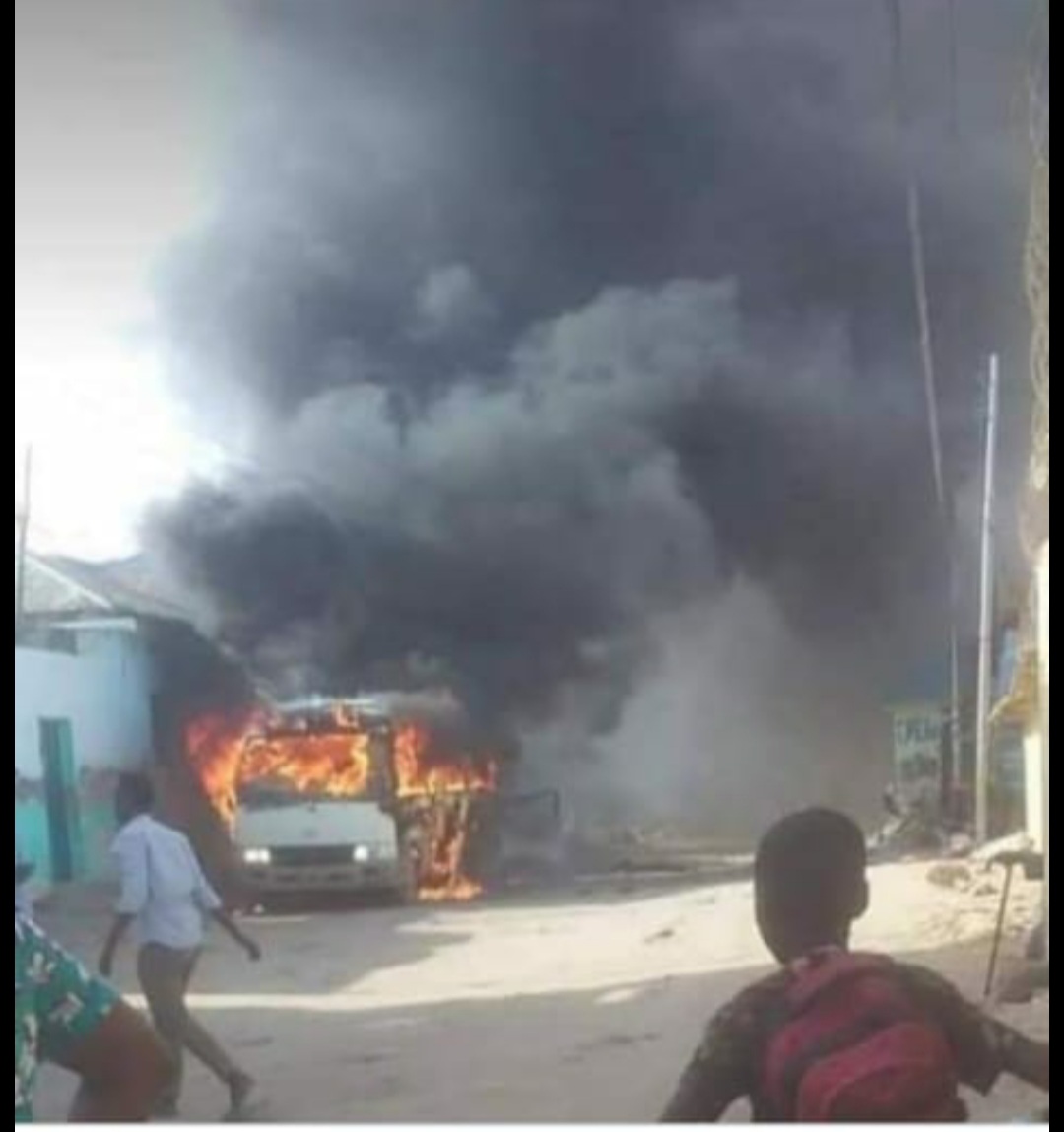
CONTINUAL BOMB-BLASTS IN KISMAYO INDICATE SECURITY LAPSES

By Ismail Warsame
Opinion Columnist

Kismayo is relatively small town, though surrounded by swathes of land controlled by Al-Shabab. Continual terrorist attacks without meaningful retaliation and failure to discover the active extremist cells in town is a sign of not only security service’s weakness and incompetence there, but also complacency of authorities and possible terrorists’ infiltrations into the ranks and file of Jubaland security forces.

These security lapses always happen when regional politicians are distracted by election campaigns and blindfolded by political frictions with the Central Authorities in Mogadishu, Al-shabab taking advantage of the situation. Similar attacks had happened multiple times in Galkayo, and Galmudugh, in particular.

Jubaland State should: 1. Review its response to security threats. 2. Restructure and retrain its security personnel 3. Do some house cleaning of state apparatus. 4. Monitor hotel residences. 5. Impose residence permits and home address requirements. 6. Notify home owners to register tenants with police stations.

Somali authorities at all levels of government should know that, as a rule of thumb, persistent terror attacks are sure indicators of failure of intelligence. Isolated terror incidents are understandable, but continual bomb-blasts in a town without appropriate countermeasures and prior information gathering to prevent attacks before they occur are unacceptable.

https://amazon.com/author/ismailwarsame