My memory of the Late Muse Islan Farah Islan Adam is as vivid as if he had left me yesterday. My travels with him to the Middle East and Gulf States, and numerous chats and debates I had with him are still fresh in my mind. The hard times we shared together in the struggle for freedom and civil liberties in Somalia as we fought against tyranny and military dictatorship are recorded permanently in my mind. Muse’s unique talent for story-telling and sense of humor had no match. His diplomatic skills and deep knowledge of Arabic and Arab culture were rare and unparallel.
Of particular interest to WDM readers is the adventure of a journey that took us to Saudi Arabia, Syria, Egypt and United Arab Emirates in the height of Camp David Agreement between Israel 🇮🇱 and Egypt 🇪🇬 that split the Arab world into two rival camps. It was 1984 when we embarked upon this mission. Arab states were either from Steadfast Front or a minority, including Somalia, led by Egypt. We were two-man delegation representing the First Somali opposition front, the Somali Salvation Democratic Front (SSDF), against the Military Junta in Mogadishu. We knew our journey was full of personal risks as most of the countries we were visiting supported Egyptian Camp and definitely were against any opposition against Mogadishu Regime. Our guarantee of personal safety were the Ethiopian Service Passports we possessed as travel documents – still we could be exposed and extradited to Somalia as Ambassador Muse Islan Farah was a well-known personality in the Arab World. We stayed on our course, occasionally facing close diplomatic challenges and dangers.
One such perilous diplomatic encounter was me arriving in Jeddah before Muse Islan, carrying with me a bag full of SSDF propaganda literature and materials. At customs checkpoint, I was asked to open that bag. I couldn’t dare to open it since doing just that would definitely create a diplomatic scandal between Egypt and Ethiopia, to forget about me entering Jeddah. I had resolved this diplomatic standoff by proposing to the Saudi authorities to leave my bag behind at airport safe-room so that I could collect it on my way back. In doing so, my thinking was to persuade and use Ethiopian diplomatic personnel in Jeddah to help release the bag from Saudi customs authorities. Next day a First Secretary of the Embassy and an Ethiopian/Harari wealthy man with Saudi citizenship joined me to get the bag from the customs. The Saudi officer at airport couldn’t budge. The Ethiopian diplomat told the Saudi customs officer whether the latter could recall Muslim Hijra, when companions of Prophet Mohammed (SCW) fled to Abyssinia for safety? The Saudi Customs and Immigration Officer replied: “That has nothing to do with immigration, Sir”.
On the same journey with Ambassador Muse Islan, we were coming to Cairo from Damascus. Since Syria 🇸🇾 was in the Steadfast Front, our plane was surrounded on landing by soldiers, screening every passenger for banned materials and documents. Luckily, our Ethiopian 🇪🇹 service passports were quite helpful this time around.
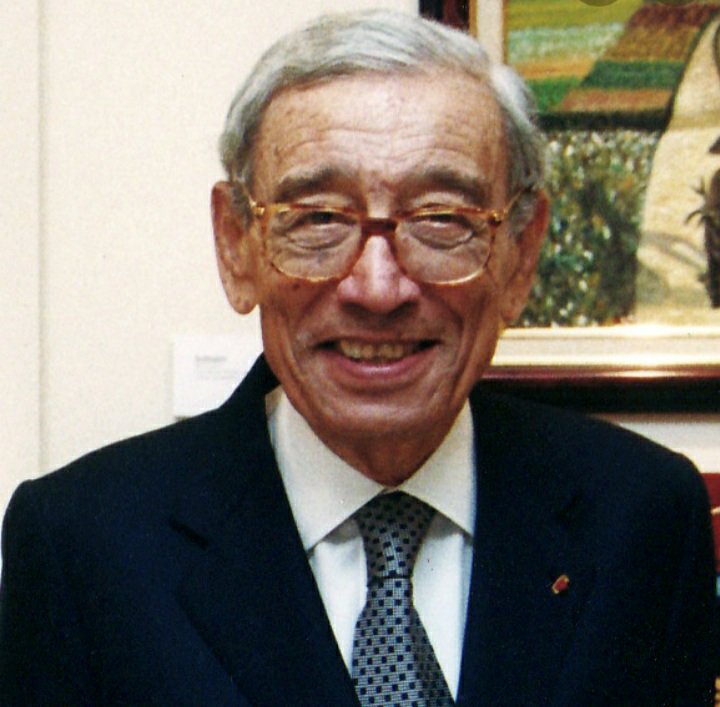
Once we were in Cairo, Ambassador Muse Islan, being well versed with the operations of Egyptian Establishment, wasted no time to contact the office of Minister of State for Foreign Affairs, Dr Boutros Boutros-Ghali, who later became Secretary-General of the United Nations.
At Boutros-Ghali office, we informed him of our mission and argued our point of views. Boutros-Ghali was not happy with our visit. He could also do something against us, but he didn’t, I think, because I were carrying Ethiopian passports.
Muse Islan Farah Islan Adam, the princely man of high and strong character is one of the few diplomatic idols that would stay in my memory for life. RIP!
THE Late Ambassador Muse Islan Farah Islan Adam Boutros Boutros-Ghali
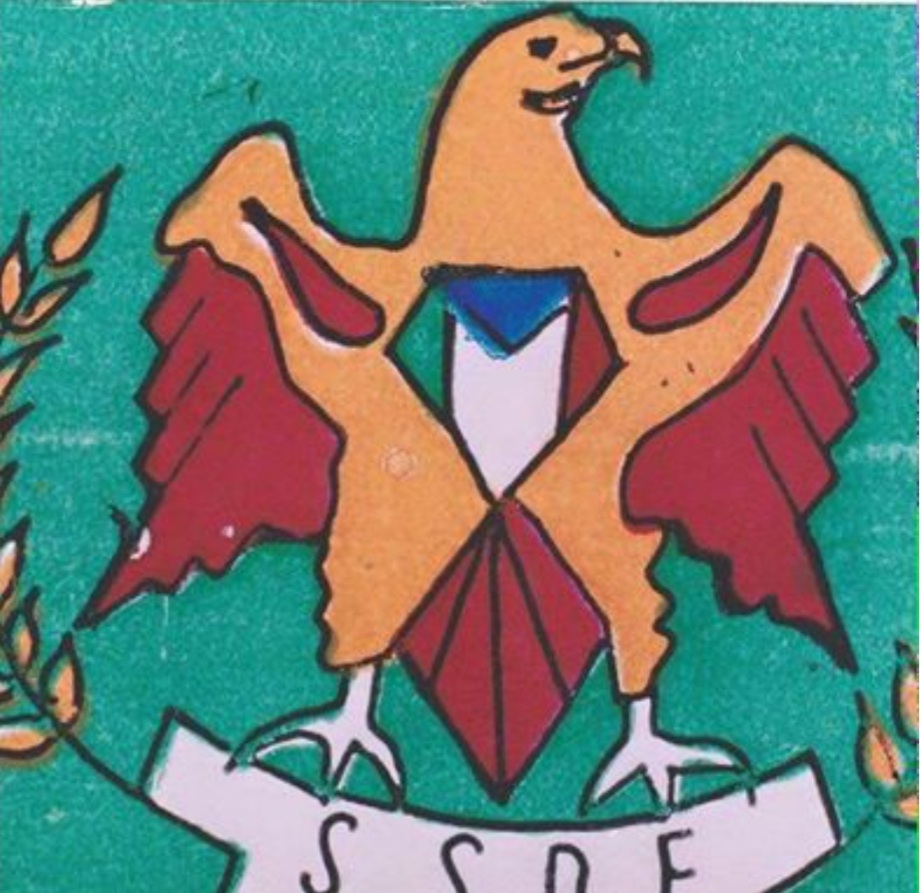
The Somali Salvation Front – SSF, (Jabhadda Badbaadinta Soomaaliyeed), the first Somali Political and armed opposition against the Military Junta of General Siad Barre was formed by Somalis in-exile and defectors from the Somali National Army on the 8th of February 1979, and launched a powerful broadcasting short-wave station -The Radio Kulmis, at the same day. The SSF 23-strong Central Committee was hailing and composed from all parts of Somalia. This included:
Mustafe Haji Nur, the Secretary-General of the SSF, was from Hargeisa, Isak Community, Habar Awal.
Hagi Omar Mohamed Sterling, First Deputy, from Mogadishu, Hawiye Community, Abgaal.
Col. Cabdullahi Yusuf Ahmed, Second Deputy, from Galkayo, Majertein Community, Omar Mohamud.
Mohamed Mohamud Shandiile, Third Deputy, from Dhusamareb, Hawiye Community, Cayr.
Osman Nur Ali Qonof, from Qardho, Majeerten, Osman Mahamud.
Ismail Daud Egal, from Barbera, Isak Community, Habar Awal.
Ali Hamdulle Togdheer, from Burco, Isak Community, Habar Yunis.
Col. Abdulkadir Warsame Galbeyti (Abdulkadir-Ex) from Hobyo, Hawiye Community, Sa’ad.
Yusuf Dirir Cabdi, from Erigabo, Isak Community, Habar Yunis.
Abdi Ahmed Rooble, from Bali-Gubadle, Isak Community, Arab.
Col. Abshir Muse Said, from Qardho, Majertein, Osman Mahamud.
Saleman Dahir Afqarshe, from Las-Anod, Dhulbahante, Naaleye Axmed.
Dr. Abdisalam Aw-Samatar, from Garowe, Majertein Community, Isse Mahamud.
Col. Awil Jama Hersi, from Gaashamo, Isak Community, Habar Yunis.
Dr. Hassan Ali Mireh, from Galkayo, from, Majertein Community, Omar Mohamud.
Cabdullahi Ali Hassan, from Adaado, Hawiye Community, Saleman.
Col. Mohamed Ali Hoori, from Dhahar, Warsangeli, Dubeys.
Abdirahman Sugulle Haabsay, from Galkayo, Majertein, Omar Mohamud.
Mahamud Einanshe Guled, from Odweyne, Isak Community, Habar Yunis.
Col. Mohamed Abshir Ali Weyrah, from Burtinle, Darood, Awrtable.
Hersi Magan Isse, from Galkayo, Majertein, Osman Mahamud.
Sayidiin Hassan Jabaan, from Bosaso, Majertein, Wabeneye.
Abdullahi Hagi Elmi, from Kismayo, Majertein, Isse Mahamud. Taken from SSF/SSDF/Q/Archives.
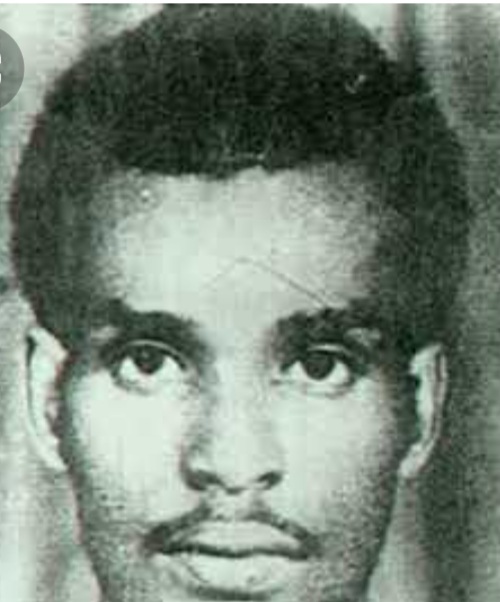
I met with Hirsi Magan for first time in 1981 in Ras Hotel in Addis Ababa. At the time, I was a young university graduate and a fresh defector to the opposition from Somali Civil Service. At that particular moment, as he seemed to me that he was preaching religious messages to a group of SSF (Somali Salvation Front) comrades sitting around him, he struck me as a deeply religious man with a radical approach to the spread of Allah’s Message.
Later, I knew him as a strong political opponent of then SSF chairman, Abdillahi Yusuf. Like all exile armed oppositions, SSDF had developed into different wings and factions within. There was stiff political infighting among the leaders of the organization. The Derg regime of Mengistu Haile-Mariam had been facilitating and enhancing internal conflicts with the organization for its political ends in Somalia. Mr. Magan belonged to the religious Wing as opposed to the Left led by Abdirahman Aydid’s Communist Party and Labour Party headed by Said Jama, with hardline and hardened attitude to issues of political contention. While this was happening with the organization, he asked me one day casually, “are you simply an engineer, not a politician at all?”. I was puzzled as I had no answer for him. Luckily, he had changed the subject quickly, to my great relief.
His opposition to the leadership of SSDF had led him eventually to join SNM (Somali National Movement), a secessionist Northwestern Somali armed opposition front. Later, he was reportedly regretted joining SNM. Nevertheless, he wasn’t happy with the slow pace of armed struggle against Barre Dictatorship in Somalia. That is why he had decided to fake defection to the Regime, only to attack government officials and security forces in the District of Eyl in Nugaal Region in 1987 with a small group of his followers. He was chased out of the Eyl, but that was recorded as the most daring ambush yet against Barre’s authority in Nugaal Region.
Hirsi Magan, the father of the notorious critic of Islam, Ayan Hirsi Ali, was a pioneer in Somali script writing called Osmania, through Somali Language Club (Goosanka Afka Soomaaliga) in the 1940s. He was a great short stories writer and literary man. He was a graduate of Columbia University Faculty of Anthropology in New York, USA. Many had enjoyed his famous radio program series “Laaska Daawada” (The Holy Water), broadcasted over SSDF rebel Radio (Radio Kulmis, the Voice of SSDF) at the time. Laaska Daawada was a hard-hitting and popular satire and critique of Barre Military Dictatorship. It is considered a major opposition literature, together with the famous poems of Khalif Sheikh Mohamud. As a teenaged, Hirsi Magan was a recognized Somali Youth League (SYL) activist and among the young vanguards of the organization leading the struggle for Somali independence. That distinction gave him an opportunity to secure SYL- sponsored scholarship to America. During the foundation of Puntland State of Somalia in 1998, Hirsi Magan’s son competed for the New State’s presidency, securing only one delegate’s vote. That vote was casted for him by Abdullahi Yusuf, then Pl President-to-be and late President of Somalia.
Although I heard about it and reminded myself, on several occasions, to have a look at it, I, finally, had the opportunity to read Mohamud Jama Ghalib’s book, The Cost of Dictatorship, 1995 Edition. While I commend the author’s efforts to record his own experience with the extremely repressive regime he served loyally for such a long time, and although I am, perhaps, a bit sympathetic to his inclination to the Somali unity, I found the author’s account in the book full of historical distortions, perhaps with intended omissions of facts and extreme partiality towards forces that led to the removal of Siyad Barre Military Dictatorship.
When I read Ghalib’s book I suddenly remembered one incident involving the author during the Somali National Reconciliation Conference in Imbagati, Kenya, 2002-2004. For whatever reasons he avoided Hargheisa even when it fell to the forces of Somali National Movement (SNM) he claims that he was the key man in Mogadishu at
t
he time to support its armed struggle against Barre, the General remained connected to Mogadishu even after the collapse of the Somali State. Whatever role he played within the reign of Mogadishu Warlords and their struggle to finish one another, the General finally decided to act as an active member of the Mogadishu civil society politicised organizations. Because of external donors’ manipulations, these organizations became the most serious obstacle to the restoration and re-institution of the Somali State. One day in 2004 at the Safari Park Hotel, Nairobi, the President of Uganda, Yoweri Musaveni, in his capacity as the Current Chairman of IGAD, and in an effort to reconcile severely opposing views and differences within the Somali parties at Conference, met with predominantly members of the Mogadishu civil societies. During the briefings and discussions with M7 (Musaveni), one lady from the Digile and Mirifle group, Ms Ardo, who later became a member of the Somali Transitional Federal Parliament, complained to him that the “warlords are giving no chance to any one, including a claim to be members of the civil societies like my brother General Mohamud Jama Ghalib”. Ghalib was comfortably sitting there when President Musaveni looked at Ghalib and asked him,” aren’t you a General? What are you doing here?”
The point here is that General Ghalib can claim for himself any past societal status or role rightly or wrongly he so desires to be remembered of, but he cannot be allowed to distort modern history as we are all witnesses as well, and perhaps more informed than him with regards to the Somali movements established to fight against Barre Regime.
Let me set the record straight. The movements of SNM and USC the esteemed General glorifies are nothing, but the work done by the Somali Salvation Democratic Front (SSDF) in its historical efforts to mobilize Somali masses against the Military Junta in Mogadishu. When some political leaders of prominently Issaks led by Mr Duqsi and Mr Jumcale, came to Addis Ababa, Ethiopia, and met with then leaders of the Somali Salvation Front (SSF), a successor of Somali Democratic Action Front (SODAF) in 1981, it was agreed to form a united front against the Regime. There was no SNM at that time. It was decided that Issaks had to organize themselves, either to join SSF individually and in groups, or to form their own movement with an intention to join forces later. The formation of SNM was announced in London, UK, in 1982 after SSF became SSDF with its merge with the Somali Communist Party led by Abdirahman Aid, himself hailing from Sool and Togdheer regions of Somalia, and Somali Workers’ Party led by Said Jama, hailing from North-western Somalia.
SSDF sent a high level delegation composing of Mr. Jama Rabile God (after he defected to SSDF) and Abdirahman Sugule Xaabsey to SNM leadership in London for unification talks. An SNM delegation led by the organization’s Secretary-General, Mr. Duqsi, came to meet with SSDF leadership in Addis Ababa for unity talks. The talks continue for several weeks and ended in stalemate. The main reason for the failure of talks was the position of SNM leaders that if they were to join with SSDF, they might not secure the support of Issak masses as they were mostly bent to fighting against what they called Southern domination. It was agreed that SSDF, rich with Qadafi money and huge and generous supply of modern arms, would bankroll SNM and arm its forces for the next two years, or until SNM could secure enough support from its own constituencies while the unity talks would continue in the foreseeable future. SSDF shared its broadcasting Radio Studio, Radio Kulmis and changed the name to Radio Halgan, the United Voice of the Somali Opposition. That cooperation continued through Sheikh Yusuf Madar/Issak/Habar-Awal until the SNM leadership of Col. Kosaar/Issak/Habar-Younis, who was assassinated, perhaps by Siyad Agents, in a Mustahiil (off Hiraan Region) SNM Military camp.
Ahmed Mohamed Silaanyo/Issak/Habar-Jeclo/Adan Madoobe was elected as Kosaar’s successor. SSDF leadership ran into trouble with Mengistu Haile-Mariam. Then, SSDF leader, Col Abdullahi Yusuf was arrested by Mengistu because of serious political differences involving opposing national interests. There was a temporary lull in the activities of SSDF. Then, SSDF broke into two factions.
Mohamud Jama Ghalib ignores the fact that USC was a splinter group of SSDF following the arrest of its leader in Ethiopia. The second and most influential figure in USC leadership after General Aideed was the Late Mohamed Farah Jimcaale/Harbar-Gedir/Saad, a once Deputy Chairman of SSDF until General Aideed forced his way to remove Hussein Ali Shido/Harbar-Gedir/Suleiman with the support of Jimcaale at a militia camp at border. When General Aideed came to Ethiopia, in his initial attempt to remove Hussein Shido from USC leadership, he was received by Mengistu. In that audience, Aideed requested for the release of Abdullahi Yusuf. Mengistu warned him not to try that again.
The trouble I have with Mr. Ghalib’s accounts is that he could know better, having a formal police and intelligence training, unless his intention is to distort facts, deny others of their historical role and glorify the works of yesterday’s political stooges of the hated regime. One should not stay with and serve a dictatorship for twenty-odd years, always in-waiting for an appointment to high office and higher promotion within the regime while claiming to be a staunch supporter of the opposition. You cannot be a Police General and a member of the civil society at same time!
In the Cost of the Dictatorship, Ghalib has no slightest fairness or guts to mention about the role of the first organized opposition to the Regime, The SSDF. Read and see his tendency towards not mentioning even once the name of its Leader, Abdullahi Yusuf Ahmed, while he glories the names and noble contributions of his colleagues, including himself, in the Regime of Siyad Barre. He is easily exposed, however, when he ignores the fact regarding the SNM that an organization does not fight for liberation and independence while at same time installing yesterday’s political stooges and security agents of the dictatorship as its new leaders. It makes no sense.
I, therefore, strongly believe that there are many distortions and twisting of facts in the Ghalib’s book, The Cost of Dictatorship. Some stories recounted in the book must be re-examined and verified as its author seems emotionally partial, accompanied with a motive, I suspect, to deny his role and responsibilities in the gross misconduct of Somalia’s affairs, horrendous abuses of power and human rights violations during the period the author served not his country, but Siyad Barre’s Junta for many years.
Having said that, I am, however, a bit inclined to agree with General Ghalib’s overall assessment of the extent and the irreversible damages Issak intellectuals had done to undermine the existence and vital national interests of Somalia’s state in their blind fight against Siyad Barre Regime or the “Southern domination”. In that regard, I recall one painful expression or rather a question relayed to me in a conversation in Nairobi, Kenya, a few years ago, with Mr Mohamud Jama “Sifir”, a long time employee of the UN about the extra efforts of these intellectuals have been exerting in destroying Somalia as we knew it: “Who will ever dig Somalia out of the deep hole of our own making?” Sifir told me that the question was raised by one of his colleagues as they assessed the tremendous damages done not only to Siyad Barre Regime, but to Somalia to a much greater extent, during their anti-regime campaigns in foreign and Western capitals within the international community. No wonder Somalia becomes too difficult to fix.





 Warsame Policy & Media Network (WAPMEN)
You must be logged in to post a comment.