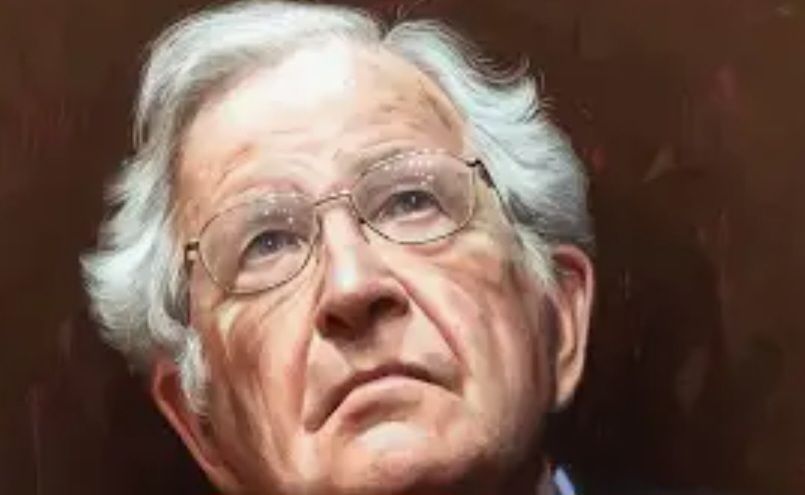
The Smart Way to Keep People Passive and Obedient: Insights from Noam Chomsky

Noam Chomsky, one of the most influential intellectuals of the 20th century, has spent decades examining the dynamics of power, control, and media manipulation. In his book How the World Works, Chomsky provides a thought-provoking analysis of how societies are shaped by the limits imposed on acceptable discourse. One of his most powerful observations is encapsulated in the quote: “The smart way to keep people passive and obedient is to strictly limit the spectrum of acceptable opinion, but allow very lively debate within that spectrum. That gives people the sense that there’s free thinking going on, while all the time the presuppositions of the system are being reinforced by the limits put on the range of the debate.”

This concept is a cornerstone of Chomsky’s critique of modern media and its role in shaping public perception and maintaining societal order. Let’s delve into the deeper meaning behind this statement and explore its implications.

The Illusion of Free Thinking

Chomsky argues that by allowing a narrow range of opinions to be expressed while encouraging spirited debate within that range, those in power create an illusion of freedom and democracy. The debate may be heated, passionate, and seemingly unconstrained, but it never steps outside the bounds of what the system deems acceptable. This creates a situation where people feel they are participating in a free exchange of ideas, even as the underlying assumptions and power structures remain unchallenged.

For example, in the realm of mainstream politics, there might be fierce debates over specific policies or candidates, but the fundamental structures of economic and political power are rarely questioned. The media plays a crucial role in this process by framing the debate, selecting which voices are amplified, and which issues are deemed worthy of discussion. As a result, the public is kept within a mental framework that reinforces the status quo.

The Role of Media in Shaping Opinion

Chomsky’s observation draws attention to the subtle ways in which media can be used as a tool of control. By limiting the spectrum of acceptable opinion, the media ensures that certain ideas are never brought to light, while others are constantly reinforced. This is not necessarily through overt censorship, but through the more insidious process of agenda-setting and framing. The media decides which topics are worthy of discussion, which perspectives are given airtime, and which are marginalized or ignored altogether.

This process helps to maintain the power structures within society. For instance, economic debates often focus on how to manage capitalism rather than questioning the system itself. By restricting the debate to such issues, the media and those in power prevent alternative economic systems from gaining traction. The same can be said for debates on foreign policy, social issues, and other critical areas where the spectrum of acceptable opinion is carefully managed.

The Limits of Debate

Chomsky’s insight also raises important questions about the nature of debate and discourse in modern society. If the boundaries of debate are set by those in power, how can true change ever occur? Chomsky suggests that real change requires expanding the spectrum of acceptable opinion, questioning the assumptions that underpin the current system, and allowing for a truly free exchange of ideas.

This can be a daunting task, especially in a society where the media, education system, and other institutions are often complicit in maintaining the status quo. However, Chomsky’s work encourages us to be vigilant, to question the limits imposed on our thinking, and to seek out alternative perspectives that challenge the dominant narrative.

Conclusion

Noam Chomsky’s observation about the smart way to keep people passive and obedient is a powerful reminder of the importance of critical thinking and media literacy. By recognizing the ways in which debate is constrained and opinions are shaped, we can begin to challenge the assumptions that underlie our society and work towards a more open and inclusive discourse. In a world where the spectrum of acceptable opinion is often narrowly defined, it is up to us to push those boundaries, question the status quo, and seek out the truth.

For those interested in exploring these ideas further, Chomsky’s book How the World Works is an essential read, offering a deeper understanding of the forces that shape our world.

For Readers:

Do you think the boundaries of acceptable opinion in our society are limiting true progress, and how can we push beyond them to foster meaningful change?

[Courtesy].

WDM EDITORIAL: WHO WOULD BE ACCOUNTABLE FOR RAS CAMBOONI CRIMES AND POLITICAL FIASCO?

The title of this EDITORIAL is self-explanatory, and one doesn’t need any description to raise the gravity of this unprecedented abuse of political and security powers in a nation still reeling from civil war and bad governance for a long time. Someone must be held accountable. It is a high national treason and gross breach of public trust. But who will hold these national traitors accountable? There are no national federal parliament, judiciary, and constitution.

Making these public institutions incompetent and toothless is another high national treason that has led to the Ras Cambooni crimes, amidst many other breaches of public trust, including dismantling of the federal system, confrontations with the federal member states, looting of public lands, open corruption and nepotism, contracts and foreign agreements in secret.

Hassan Sheikh Cannot Continue to Govern Somalia

Somali President Hassan Sheikh is a man who has never earned the trust of his people. But, he keeps complaining while aggravating his country’s problems. He complains that the Northwest Regions of Somalia signed a memorandum of understanding with Ethiopia and that Ethiopia almost took over the Somali coast in violation of Somali sovereignty and territorial integrity. In the far south of the country, he complains that Ethiopia has delivered huge cache of weapons to Kismayo, Jubaland Administration, and that the region is now under the Ethiopian influence. From Puntland State to the southwest, Hassan Sheikh complains about Ethiopian interference. He doesn’t listen to his people’s ideas on how to get out of the current chaos of his own making. 

Somali people are fed up  and tired of Hassan Sheikh Mohamud’s political shenanigans. Somalia became a place where people scream, but no one hears them. People are complaining about their pain and suffering under the misrule of Hassan Sheikh Mohamud.

I really wonder whether Hassan Sheikh could still pretend to continue to rule Somalia.

Ahmed Siad
December 12, 2024

BREAKING

ON JUBALAND BATTLES

WDM BREAKING  NEWS

RANKING FGS PRISONER

Fierce fighting has been taking place in the Jubaland town of Ras Cambooni on the shores of Indian Ocean near the Somali-Kenyan border throughout the day between the troops of Federal Somali Government and Jubaland State (JLS).

It is now confirmed by multiple news sources that Jubaland State troops have defeated Federal Forces recently airlifted to Ras Cambooni, and now JL Forces are in full control of the area.

EYL: HISTORICAL PEARL CITY OF SOMALIA IN DECLINE

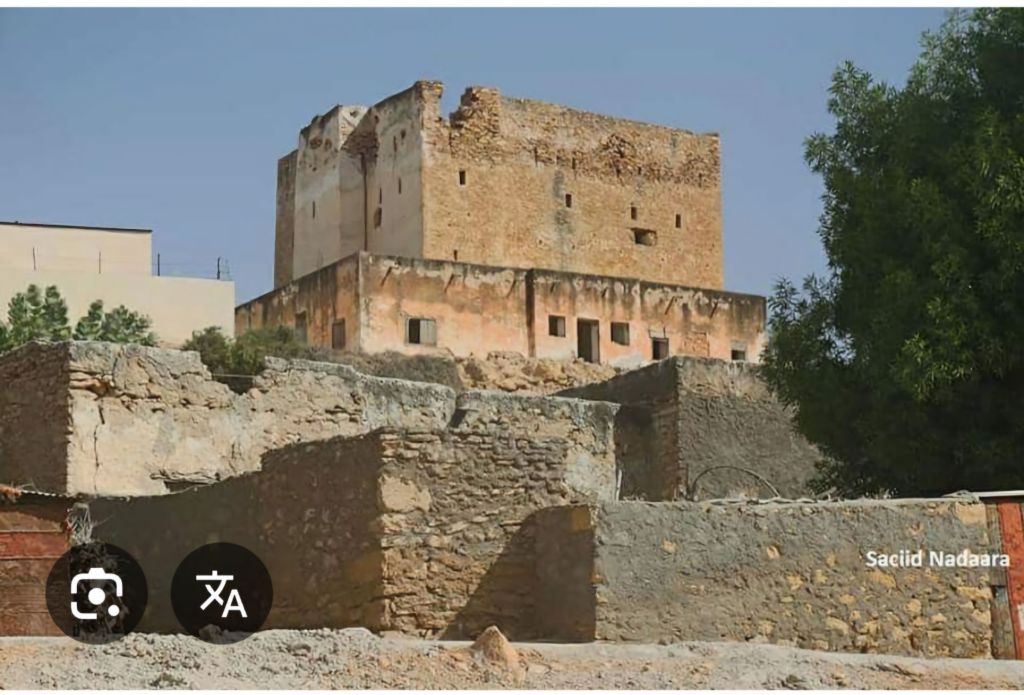
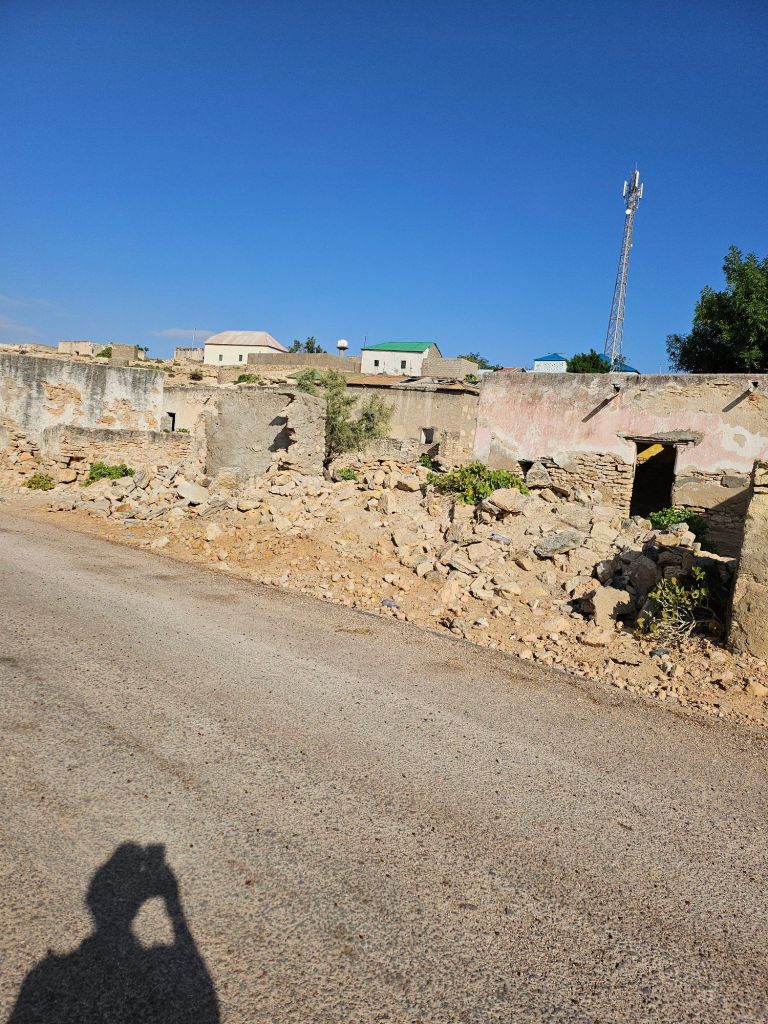
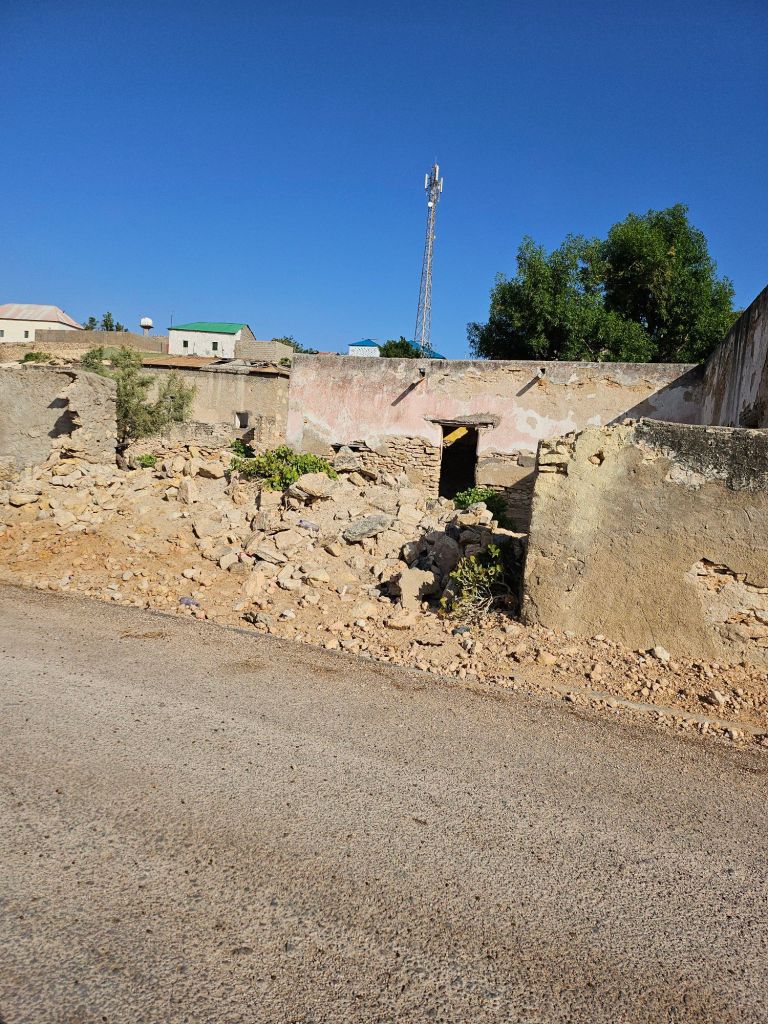
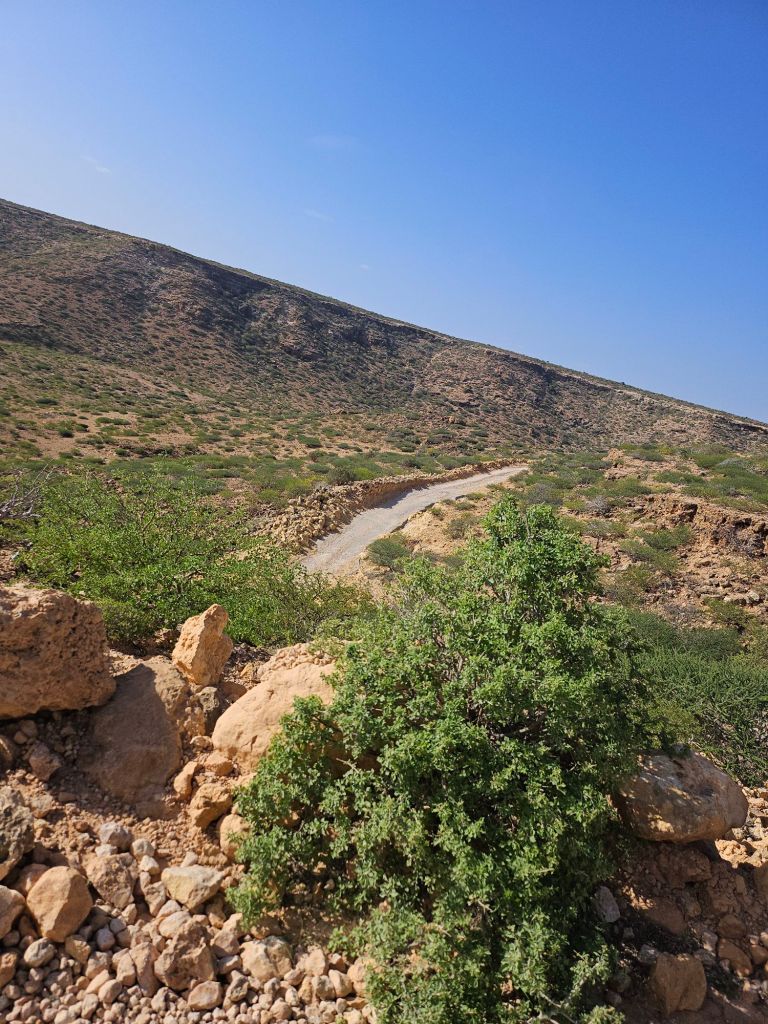
As you would approach Eyl Old City located in midland Indian Ocean coast of the State of Puntland, Northeast Somalia, climbing mountains and finally descending steeply on a windy road many multiple times until you drive through Old Eyl City called Daawad, the name probably after the Castle of Derwish Movement, now a dilapidated ancient strong defence block-building to protect religious/cultural/political leader, Sayid Mohamed Abdille Hassan and his fighters against the invasion of British and Italian colonial powers in the 19th century. Sayid Abdulle Hassan led armed resistance against the British, Italian, and Ethiopian troops in Somalia during colonial administrations. In Daawad, you barely see any building still standing without the scars of time and the elements. Houses are almost all dilapidated and left to ruin. Their owners either perished or moved to other parts of Somalia all the way to Mogadishu and Kismayo many years ago before and after the national independence of Somalia on July 1st, 1960.

The photos below in Eyl/Daawad show the dilapidated house of current justice at the International Court of Justice (ICJ) in the Hague, Abdiqawi Yusuf Omar.

Unknown to many in Somalia, the City of Eyl has always been a metropolitan with a good number of minority clans living in harmony together for centuries. Historically, Eyl City was the administrative capital of the Italian colonial administration in Nugaal Region (now Garowe as its regional capital) of Majertainia (now Northeast Regions or Puntland State) after the fall of Derwish Movement of Sayid Mohamed Abdulle Hassan.

Again, along with one of its windy and snake-shaped streets, you would drive out of Daawad City on another windy road, passing below a high range of mountains. You would feel that huge hanging blocks of glacier-like rocks on the cliff could fall any minute on the road below, crushing people and cars flate. One of these glacier-like rocks is called locally, “Don’t fall on me before I pass by through.”  would take you about thirty minutes to drive to the City of Baddey (Sea-city) on the beaches of the Indian Ocean. Immediately, you would be tempted to walk bare-footed and strip-naked on the sands rarely experienced anywhere in the world – beach sands so smooth and clean that you won’t let go walking away for extended hours. Moreover, swimming in the Indian Ocean is ideal here. Unexpectedly, the ocean water is warm – initially, it feels like a hot tub as you come in from the soothing breezing air of the Indian Ocean beach, and body and foot-messaging sands rarely experienced in other world beaches. However, any minor earthquake or potential tsunamis could wipe out the City of Baddey because of its dangerous location at a bay of the Indian Ocean right beside the shore.

Eyl https://g.co/kgs/X8ojnAz

Early in the morning, you would meet with local fishermen getting ready to sail for fish and lobster catch at boat parking sections of the beach. Equipped with their primative fishing gears of nets, they are anxious to get lucky every day.

In the poorly managed beach hotels in Baddey City, lobster and fish dishes are exceptionally delicious. It feels like an unseen and unheard world of marvel in isolation from the rest of the world. Everything is crude and raw here. The talk of the town is about fish, lobster, and fishing boats. Because it is a fishing community and soil here is salty, there is a scarcity of fruits and vegetables, a trade-off for fish delicacies for a while. As Eyl City is hardly inaccessible to the rest of Puntland State via road, fishing harvests are mainly transferred by way of sea transportation to the Red Sea City of Bosaso, or directly to fishing trawlers of foreign companies from all countries imaginable, most illegally fishing in the territorial waters of Somalia and its Exclusive Economic Zone (EEC) with internationally banned fishing gears and methods, destroying fish habitat and the environment in the process, some reportedly dumping toxic industrial wastes in the Indian Ocean. Sea piracy began initially as a community outrage against foreign illegal fishing trawlers, which caused the destruction of its fishing nets and starved community of its livelihood.

However, the road to the City of Eyl is rough as it could be. But this rough ride is soon forgotten as you start enjoying this unusual ocean scenery and blessings it offers. As you stay on in this life experience, you would discard busy urban life and modernity. You would feel humanity again and the beauty of nature. You would forget about the smartphone and ringing of phones, if you would say, and the world of electronics. Welcome to Eyl!

[This article was updated since posting].

SOMALIA IS LESS IMPORTANT TO TÜRKIYE THAN SYRIA

Is Somalia more important to Turkey than Syria? Türkiye has argueably offered Syria to the State of Israel on a golden platter. Similarly, one could ask the question: Is Somalia more important to Turkey than Ethiopia?

The Emirate of Harar was under the protection of the Ottoman Empire through Egypt when the Ottomans ceded it to the British in 1875. The British Empire then surrendered the Somali Emirate to the Ethiopian Empire in 1897.

Türkiye inherited the Ottoman Empire from the Umayyad Caliphate of Syria. About 3 million Kurds in Syria identify themselves as part of Türkiye too. Syria and Turkey shared more than 900 km of the border. What ethnic Somali are to Ethiopian is what Kurds Syrians are to Türkiye . If Türkiye could sell out Syria to Israel and the USA, Türkiye would also sell out Somalia to Ethiopia.

Despite the fact that Ethiopia has more trade with Türkiye than Somalia, Somalia is Turkey’s fastest growing trading partner in Africa. Moreover, Somalia is the only country in Africa where the government has resorted to outsourcing its public services to Turkish companies amidst the high unemployment rate in the country. Trade relations between Turkey and Somalia are also witnessing remarkable growth, especially in the fields of food, clothing, medicine, furniture, and building materials. The value of pasta (spaghetti) imported from Turkey alone last year reportedly amounted to 300 million US dollars.

The Somali government allows Turkish contractors to participate in construction projects in both the private and public sectors. For example, Turkish contractors built the Istanbul Hotel in Mogadishu from the private sector and the Afgoye-Mogadishu Road and the Mogadishu-Jowhar Road from the public sector. By the way, Turkish activities are not limited to Mogadishu but are also active in other parts of Somalia.

Turkish businesses which are thriving in Somalia include Turkish Airlines, Erdogan and Yardimli Hospitals, the Turkish Visa Processing Center, and two Turkish companies, Favori LLC and Albayrak, which currently run Mogadishu’s airport and main seaport respectively. Turkey’s state-owned Islamic bank Ziraat Katilim has a branch in Mogadishu, and Somalia is home to Turkey’s largest overseas military airbase

Moreover, the Decale Hotel at Mogadishu airport is run by Turkish intelligence and from there they actively monitor the security of Turkish interests in Somalia. Every Friday, cash parcels are loaded onto Turkish Airlines to Istanbul as revenue for Turkish companies in Somalia.

That being said, no one underestimates the huge humanitarian and technical development aid that Turkey provides to Somalia in the form of development projects in various sectors such as health, education, military and police training, and municipal services that have improved the lives of many people in Mogadishu.

Just this year, relations between Turkey and Somalia have reached a new level. The two countries have signed major deals. A comprehensive maritime and defence agreement was signed in February, and an oil and gas cooperation agreement was reached in March 2024. Although these deals need some transparency and perhaps public scrutiny, they are still in their early stages.

Future relations between Turkey and Somalia will depend on a combination of preconceptions and post-conceptions, including the ongoing Türkiye mediation efforts between Somalia and Ethiopia. This is a litmus test for Türkiye. Great power competition for influence in Mogadishu, regional rivalries, security challenges, and domestic Somali politics will pose significant challenges to these agreements and Turkey’s quest for a greater role in the Horn of Africa.

Ahmed Siad
December 11, 2024

SOMALIS MUST BE AWARE OF IMPEDING ECONOMIC AUSTERITY, POSSIBLY FAMINE

WDM EDITORIAL

The war in the Middle East will continue with all predictions. It will not be limited to Gaza, Lebanon, and Syria. Israel and its main arms and funding supplier and protectator, the USA, have Iran and Yemen on their crosshairs. It could start even before Donald Trump takes over the reigns of power in America. When that happens, there will be no fuel and no basic food supplies in Somalia as we all depend on the whole on imports, including our basic food stuff. It is reported that Somalia gets a cheap supply of fuel from Iran through intermediate traders and  brokers. This will dry up immediately as Iran is hit, and its oil wells get destroyed. 

A friend of mine in the media world phoned us up today to warn Somali people of what about to come due to wars and instability in the Middle East and beyond. He asked about why people aren’t stockpiling domestic supplies while goods are still available in the market. Does this warning make sense to you? To us, it does, and we recommend taking it seriously before it becomes too late.

PEACE FOR SYRIA

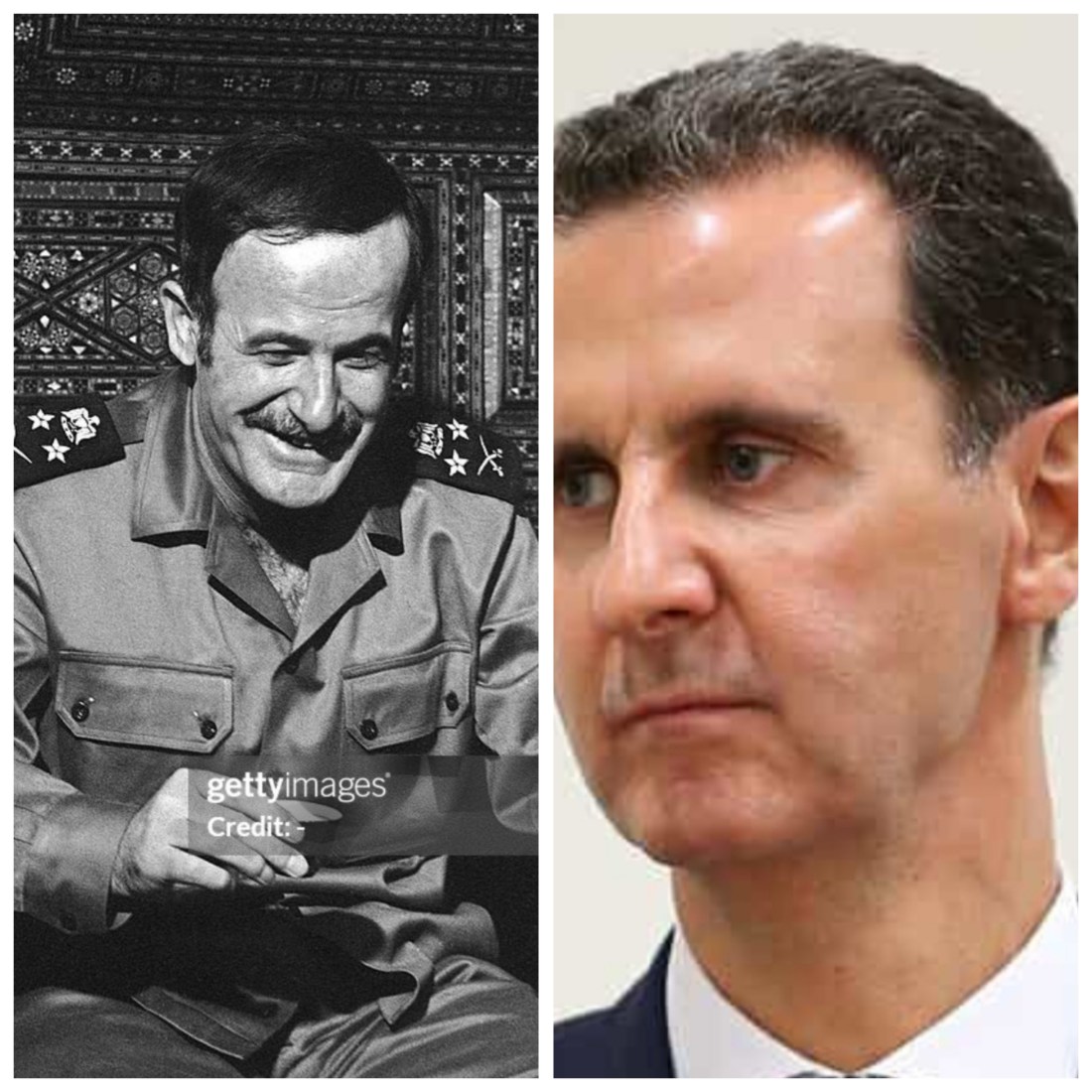
The fighters who ousted Bashar al-Assad have begun their most difficult task yet. Toppling a government is one thing, but rebuilding it after total destruction is another thing quite challenging. In overthrowing the Al-Assad Government, it was better to limit the destruction of civilian infrastructure to make rebuilding Syria easier. Striking a balance between power sharing, managing key stakeholders, maintaining law and order, and providing basic services will determine the future of Syria. Democracy creates chaos and rivalry for power and opportunities for opposing interest groups. Avoid empowering marginalized groups hastily and punishing old ruling elites without due independent legal process – this could be a blind spot for newcomers and reformermists in Syria.

Remember what had happened with the dissolution of the Soviet Union, the disintegration of Yugoslavia, the tribal wars in Somalia, the ragime change in Iraq, Arab spring in Libya, and the list goes on.

Syria should make peace within itself quickly. Every effort must be made to avoid inviting international peacekeeping forces, thus escaping Chapter VII of the UN Charter.  Chapter VII, a trap into which the warlords of the Somali Civil War, who didn’t think outside their tribal world views, have fallen.

I just wish peace and prosperity for our Syrian Muslims, Christians, Sunnis, Shiites, Arabs, Kurds, Armenians, and Circassians brothers and sisters.

Ahmed Siad
November 9, 2024

FROM THE HALL OF SHAME, LAWLESSNESS, AND CRUDE ABUSE OF PUBLIC TRUST

The Speaker of Federal House of Representatives (Lower House of Parliament) Sheikh Adan Madoobe has suspended Federal Representatives of Jubaland State summarily without any legal or legislative instruments or basis.

See and read it below:

ARAB COUNTRIES WERE FROZEN IN TIME AND SPACE SINCE THE FALL OF THE CALIPHATE. HISTORICALLY, AS EXPECTED THINGS ARE EXPLODING NOW

More social upheld and regime implosion along the Syrian example are expected in despotic and stagnant socio-economic structures in the Middle East.

Paradoxically, the Israeli Zionist policy of territorial expansion into Arab World may act as a catalyst for change in the Middle East. How is the geopolitical impact of the fall of the Syrian AlAsad dynasty playing out in the Middle East and Muslim World in general?

Could countries in the firm grip of primitive system of tribal allegiance and relationships like Somalia be ever free to experience unified social changes?

What do you think? Have your say.

حسن شيخ محمود يسعى إلى المصالحة مع إثيوبيا بدلاً من جوبالاند وبونتلاند

ان جهود حسن شيخ محمود للتواصل مع إثيوبيا والسعي إلى المصالحة مضللة وتقوض الوحدة الصومالية. إن إثيوبيا تستغل ضعف حسن شيخ وغبائه، ونشرت اليوم قواتها في منطقة جيدو في الصومال. وهم يدركون أن كلما زاد الضغط عليه، كلما زاد عدد التنازلات التي سيقدمها. إن حسن شيخ يرتكب أخطاء جسيمة، وينبغي لنا أن نضعها في الاعتبار:

إن المسؤولية الأولى لأي زعيم هي معالجة القضايا الملحة في الداخل قبل أي شيء آخر. وإذا كان حسن شيخ جادًا حقًا، فيجب عليه معالجة مظالم جوبالاند وبونتلاند قبل معالجة المخاوف والشكاوى الإثيوبية. وكما يقول الشعب الصومالي، فإن العين غير الساهرة غالبًا ما تغفل ما قد يؤذي. ومن المؤكد أن حسن شيخ لا يهتم كثيرًا بما قد يؤذي الصومال.

لا يقبل الله صدقة إذا لم تبدأ من الداخل أو من أولئك الذين هم في أمس الحاجة إليها.  وعلى نحو مماثل، يعرف الصوماليون في مختلف أنحاء البلاد أن جوبالاند وبونتلاند جزء من بلادنا وأن ما يهمهم يهم كل مواطن صومالي.

قبل أسبوع واحد فقط، وردت تقارير عن اشتباكات عشائرية خطيرة بين أبغال وزاواديل على حدود هيران وشبيلي الوسطى. وفي نفس الوقت تقريبا، أرسل حسن قوات إلى جوبالاند بدلا من هيرشبيلي المضطربة.

اليوم بالقرب من منطقة كادال، قُتل 40 شخصا وأصيب المزيد في اشتباكات بين كابدال كاروني وماكساميد كاروني (أغونيار جابان).

يعاني الصوماليون في كل مكان من الافتقار إلى القيادة الجيدة على المستوى الوطني. لن يستمع إليك الناس، سواء كانوا قريبين منك أم لا، بمجرد أن يعرفوا أنك فاسد. بمجرد أن يدركوا أنك لا تمتلك أخلاقا وقيما. وعلى نحو مماثل، سيكتشف الناس عاجلا أم آجلا ما إذا كنت تفرق بين الحلال والحرام، والصواب والخطأ، والمصلحة الوطنية أو المصلحة الأجنبية، والمصلحة الشخصية، أو المصلحة العامة.

هذه هي حقيقة الحياة.

أحمد سياد
8 نوفمبر 2024.

HASSAN SHEIKH MOHAMUD SEEKS RECONCILIATION WITH ETHIOPIA INSTEAD OF JUBALAND & PUNTLAND

Hassan Sheikh Mohamud’s efforts to reach out to Ethiopia and seek reconciliation are misguided and undermine Somali unity. Ethiopia is exploiting Hassan Sheikh’s weakness and stupidity, and today deployed troops to the Gedo region of Somalia. They know that the more pressure is put on him, the more concessions he will make. Hassan Sheikh is making serious mistakes, and we should take them into account:

The first responsibility of any leader is to address pressing issues at home before anything else. If Hassan Sheikh is truly serious, he should address the grievances of Jubaland and Puntland before addressing Ethiopian concerns and complaints. As the Somali people say, the unwatchful eye often misses what might hurt. Hassan Sheikh certainly does not care much about what might hurt Somalia.

Allah does not accept a charity if not starts from home or from those who need it most. In similar manner, Somalis across the country know that Jubaland and Puntland are part of our country and that what matters to them matters to every Somali citizen.

Just a week ago, there were reports of serious clan clashes between Abgal and Zawadile on the Hiraan-Middle Shabelle border. At about the same time, Hassan sent troops to Jubaland instead of the restive Hirshabelle.

Today near the Cadale area, 40 people were killed and more injured in clashes between Cabdalle Caroone and Maxamed Caroone (Agonyar Gaabane).

Somalis everywhere are suffering from the lack of good leadership at the national level. People, whether they are close to you or not, will not listen to you once they know you are corrupt. Once they realize you have no morals and values. Likewise, people will sooner or later discover whether you differentiate between halal and haram, right and wrong, national interest or foreign interest, personal interest, or public interest.

This is the reality of life.

Ahmed Siad
November 8, 2024

Editor’s Note

[This article has been updated after posting].

HSM VS AMI: TINPOT DICTATORS UNDER POLITICAL/TRIBAL/RELIGIOUS HATS

One preaches at mosque for his political shenanigans and the other intends to replicate to defend himself to hang on to power and rule over a helpless people surrounded and suffocated by Al-Shabab, and lacking any sort of life opportunities in his state. Each one is accusing the other of dubious crimes in absentia through kangaroo regional courts of justice lacking jurisdictions.

Historically, HSM is coming from the General Aydid clan ideology of USC and a membership of Union of Islamic Courts (UIC) as an advisor, which briefly ruled Mogadishu before being dislodged by the TFG in 2006. He was also an activist of HAG tribal grouping and member of Islamist movement, Al-Islah/Dambul-Jadid, at the same time.

AMI is a student of his father-in-law, Hassan Turki, a militant Ogaden leader of Salafi School whose operation base was Ras Cambooni during the reign of UIC. Ras Cambooni is now the launching Indian Ocean seaside spot for HSM’s military trenches to topple AMI.  AMI is a canning character of many faces and colours and a survivalist. He had reached the rank of AMIR (Al-Shabab Viceroy) before being wounded in Ras Cambooni bushes, caught prisoner, and transferred to Ethiopia in 2005. He was later released from Ethiopian captivity upon the request by former Islamist president of TFG, SSSA, who was the former Head of UIC before he was crowned Somali President in Djibouti in 2009 by Western countries using a UN-sponsored Somali Conference. He seized Kismayo during SSSA’S Presidency with the help of KDF. He has continually extended his iron-grip mandate ever since.

Both men took advantage of weak Somali public institutions, unable to vet such dubious personalities seeking public office, and by their clever use of all-powerful tribal cards to get elected. Somalis are again helpless to address the problems of these two men pose to the security and survival of this poor nation.

HSM: Hassan Sheikh Mohamud

AMI: Ahmed Mohamed Islam

USC: United Somali Congress

TFG: Transitional Federal Government of Somalia

HAG: Hawiye Action Group

SSSA: Sheikh Sharif Sheikh Ahmed

KDF: Kenyan Defence Forces

HSM
AMI

KENYAN GOVERNMENT IS DEEPLY CONCERNED WITH USE OF CILIVIAN AIRCRAFTS FOR MILITARY TRANSPORT TO RAS CAMBOONI

” Concerns have been raised by diplomats regarding the actions of President Hassan Sheikh Mohamoud and Prime Minister Hamza Abdi Bare, particularly in relation to operators of civilian aircraft registered in the Republic of Kenya.The Kenyan government is closely monitoring all civilian aircraft operating within the Federal Republic of Somalia and the Republic of Kenya. It is imperative that these aircraft adhere strictly to the civil aviation laws and regulations established by the Kenyan Civil Aviation Authority (KCAA). Any violations will result in serious repercussions.Specifically, the KCAA will revoke the operating licenses of companies found to be transporting military personnel, weapons, or equipment. The transportation of military personnel, weapons, and explosive materials from Mogadishu to Jubaland State, particularly to Raskamboni, is strictly prohibited. Compliance with these regulations is mandatory to ensure the safety and integrity of our aviation operations, according to sources related to this issue. “

WDM BREAKING NEWS

The fledgling Somali Federal Government (FGS) has broken the international law and aviation rules by compelling and using civilian commercial planes to transport troops and arms to Rascambooni and Garbaharey in the Jubaland State. This is also a flagrant disregard of passenger safety and commercial aircraft transportation.

People are wondering why FGS, which is much disorganised and possibly weaker than Jubaland State military garrisons in Kismayo, is taking all the trouble and reckless adventure to depose a long serving head of a Federal Member State (FMS). Instead, they could have opted for negotiations and peaceful resolution of their political differences. Now, it is never too late to  do just that. Wise up!

FEDERALISM IN SOMALIA IS NOW AN IDEA THAN REALITY ON THE GROUND

WDM EDITORIAL

That is because the Federal Constitution is dead. Three consecutive federal presidents of Somalia have been undermining it. The result is that Somalia has no constitution and no law and order mechanism. The ashes of the previous Federal Constitution are now subject to a hard re-negotiation, if that is even remotely possible.

Hostile campaigns against Jubaland under the pretext of Ahmed Madoobe’s refusal to play ball in carrying out final coup de grace in finalizing the destruction of the Federal Constitution herald this lawless failing state of Somalia. This is all happening under the watchful eyes of the United Nations representatives, diplomatic corps, and UN sponsored African Union protection forces in Somalia.

The conditions of this lawless state are exacerbated by the recent lifting of UN ARMS EMBARGO on a failing Somali administration, thus instigating a renewed civil war.

If successful in this current confrontation with Mohamud-Barre childish behaviour, Jubaland State will unlikely return to the fold with lawless Somali central authorities. Puntland State is already operating short of unilateral secession. Hirshabeelle State exists by name only in Mogadishu. Southwest and Galmudugh states are on shaky ground under the spell of Mogadishu. Mogadishu is piles of dirty building-blocks, looted plots of public properties, and huge poverty-stricken slums with violence and unprecedented security check-points, making it impossible to move around.

The future of a Somali state is bleak and unpredictable. This editorial is more than a warning. We have been playing with fire for far too long. We are now reaping what we have sowed for many years. Stay tuned.

Who is Abiy Ahmed? An interview with the former Economist journalist, Tom Gardner – Martin Plaut

https://martinplaut.com/2024/12/05/who-is-abiy-ahmed-an-interview-with-the-former-economist-journalist-tom-gardner/

A Trumpian Policy for Africa: What the Continent Stands to Gain From a Transactional White House

https://www.foreignaffairs.com/africa/trumpian-policy-africa

PUNTLAND STATE ADVANTAGES OVER SOMALI TERRORIST NETWORKS

Terrorist networks have failed to acquire foothold in Puntland State society. They might have had small pockets in remote mountainous locations and a neglectable  number of foot soldiers here and there, besides reported intimidating long distance phone calls to extort merchants, but they don’t pose a major security threat to the state, and if any, that is due to security lapse and constraints of financial and logistics support to the security personnel.


Any success over terrorist networks depends on community awareness and cooperation with state security forces. However, the security forces in Puntland need counter-insurgency strategy, adequate training and logistics, including reliable communication gear and efficient intelligence network, not only to eliminate the existing terrorist cells and those in remote hiding pockets, but also to preempt their potential attempts to infiltrate into Puntland State territories from South-Central Somalia and Northwest Regions of Somalia (Somaliland). There are also reports circulating in Puntland State and overseas that ISIS may be trying to link up with the Houthis across the Red Sea.

Towards this objective, Puntland State requires cooperation with other parts of Somalia, neighbouring countries, and the international community to fight extremists successfully. Puntland State is now posed to set the example for uprooting terrorism not only in Puntland State and help Somalia but also to contribute to the Horn of Africa in eliminating the menace.

Puntland State and Somalia weakness as a whole in successfully fighting off extremists is the failure of other religious groups in the country to provide counter propaganda to that of Al-Shabab and ISIS. That is really remarkable.

“The Last Two Jews of Mogadishu” – By Nancy Kobrin – Banadirwiki

https://banadirwiki.com/the-last-two-jews-of-mogadishu/

GOOD ADMINISTRATION AND BAD POLITICS

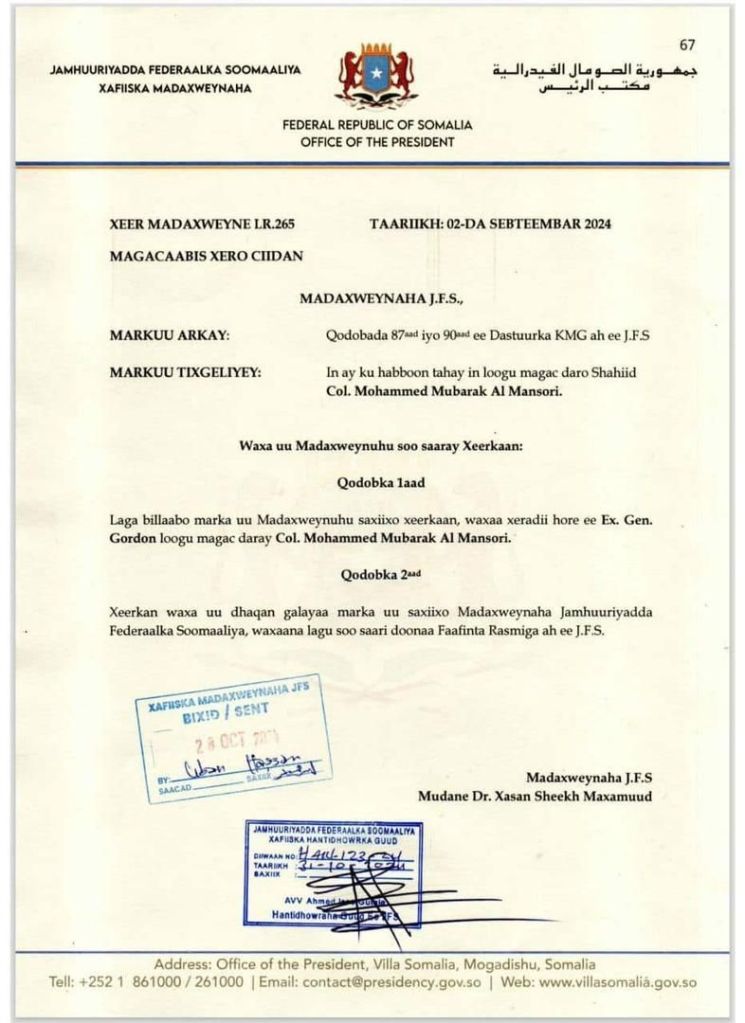
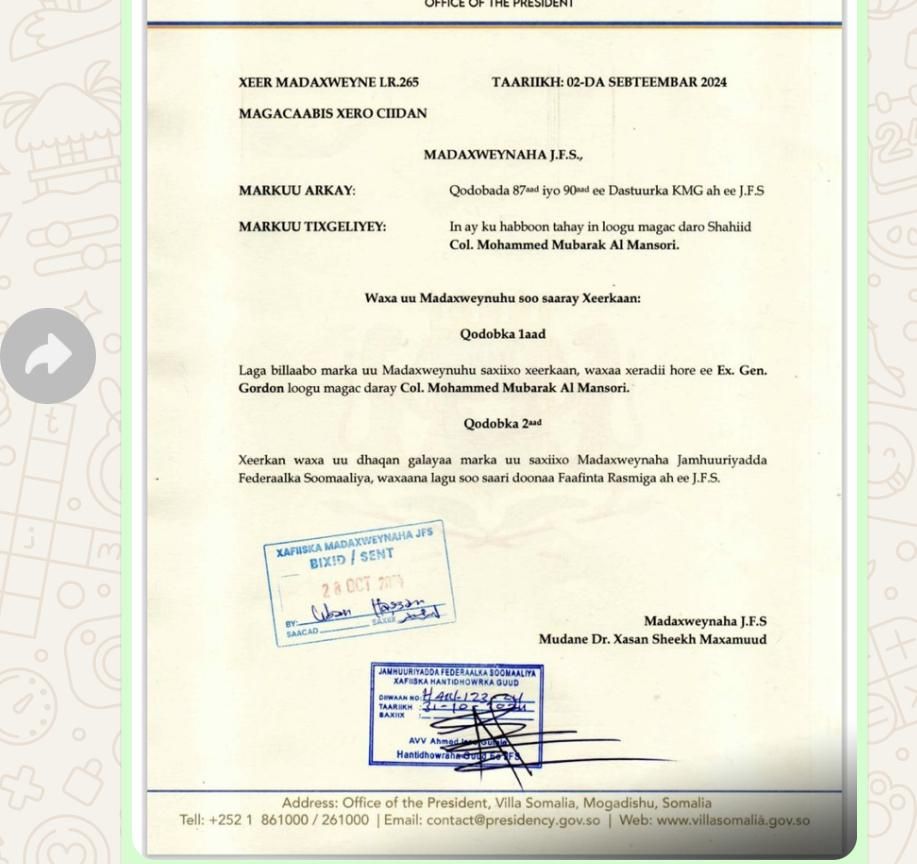
There is nothing wrong replacing a name after a national personality, political, military, or religious, for plausible reasons. But, there is what they call good administration (taking the right administrative actions without considering their political context). Both martyrs are worthy of recognition. But one of them was a Somali citizen who gave his life in defence of his country, and the other was a foreign guest of the host country, who came to help. This name replacement is controversial because of its political and cultural perceptions. They  could find a more appropriate place or location to name in honour of Emirati officer, Al-mansour ( e. g., a street, a building, etc), and not remove and replace the name of Somali General Mohamed Ibrahin Farah (Gordon) with a foreigner’s name for political expedience. That is bad politics, and the perception of it is equally appalling. Why don’t they name the military garrison the “Gordon and Al-mansour” ?

Fortunately, as we write this article, there is a new development on the issue. Take a look:

WHOM HASSAN SHEIKH MOHAMUD IS KIDDING? EMIRATES?

POLITICAL SPACES FOR IDIOTS IN PUBLIC SERVICE

Take a listen to this wise advice for good people to be in government.

[Courtesy].

WDM STRAIGHT TALK

The State of the Somali Union

President Deni of Puntland State is getting ready to clear pockets of extremist ISIS in remote locations of Puntland State. There is potential that ASIS may hook up with Houthis across the Red Sea.

Hassan Sheikh Mohamud is trying to tople Ahmed Madoobe of Jubaland State, causing an outrage of the people of Somalia, who fear renewed destabilibization and civil war.

Hamse Abdi Barre is conflicted between loyalty to his boss, Hassan Sheikh Mohamud, and the disappointment of his constituency for his exceptional poor performance as prime minister.

Ahmed Madoobe is engaged in self-defence against Mohamud’s aggressive provocation in Jubaland. He has no time and appetite for fighting against Al-Shabab in Jubaland at the moment, until Kismayo’s dust in this confrontation settles.

Laftegaren of Southwest State is in a dilemma whether or not to trust Ethiopian forces nearby to help him in holding elections against the dictates of Hassan Sheikh Mohamud not to do.

Qoor Qoor of Galmudugh State feels the pressure of  personal security and political threats from both Mahad Salad, the former NISA Director, in Dusamareeb, Galgaduud Region, and Hassan Sheikh Mohamud. Mahad Salad intends to dislodge Qoor Qoor with the support of Hassan Sheikh Mohamud.

Guudlaawe of Hirshabeelle State finds himself in the crossfire between Hawaadle and Abgaal clans in his own state with swathes of it still under the control of Al-Shabab and his Hawaadle opponents in the Hiiraan Region. Mostly, he is based in Mogadishu, not in his state for lack of operating infrastructure and his own safety.

Abdirahman Cirro has defeated soundly Muse Bihi in a landslide presidential election in the self-declared state of Somaliland recently. MOU with Ethiopia signed in January this year by Bihi and Abyi, and inter-clan tensions in the city of Erigavo will  give sleepless nights to the new president-elect Cirro.

Somalia Mourns for Mohamud Gelle, the “Agent of Death”

Take a read:

https://wp.me/pfq34y-au

[Courtesy].
The Ecology of the Hat Man. Demons and delusions as reflections of… | by Anna Mercury | Mystic Minds | Nov, 2024 | Medium

https://medium.com/mystic-minds/the-ecology-of-the-hat-man-5d7b40a64c71

[Courtesy: Medium].

WDM STRAIGHT TALK

It looks like a fierce political competition between Ahmed Madoobe of Jubaland and Hamse Abdi Barre, the federal prime minister, with the support of Hassan Sheikh Mohamud is underway. Each is vying for the support of Somali Ogadens inside and outside Jubaland. But the buck stops at the president, and therefore, Mohamud is responsible for instigating and creating the whole conflict on and inside Jubaland for quite different strategic objectives. Hassan Sheikh Mohamud is using Hamse Abdi Barre as a tool to tople Madoobe. However, Madoobe is more upset by Barre’s challenge than Mohamud’s tribal agenda on Jubaland.

CONDOLENCE TO THE SOMALI OWNERS OF A DECEASED CAT

Take a listen

https://www.facebook.com/share/v/17gHdr8HMR/

[Courtesy: BBC, FB]

BREAKING NEWS

Lifting of United Nations ARMS EMBARGO on Somalia has resulted in authorities’ abrogation of the hard negotiated Somali Federal Constitution following the Civil War, and has led to renewed violence and arms proliferation and trafficing, and loss of modest governance gains in Somalia. Somali people hold United Nations Security Council accountable to the current security disarray in the country.

Somalia’s Federal Authorities now armed to the teeth, are behaving as outlaws in a fragile state designed to be a federal democratic country in a power-sharing system involving a federal government and member states.

Al-shabab, the extremist elements in Somali society, is now posed to fill in the space and security vacuum created by Federal President Hassan Sheikh Mohamud in his unconstitutional efforts to pick up fights with Somali Federal States of Jubaland and Puntland. Next on Mohamud’s focus is the Southwest State, which is  trying to hold its elections, too.

Defending Federalism – The Federal Government vs. Jubaland: A Constitutional Crisis Unfolding

By Dr MP Abdillahi Hashi Abib

https://x.com/MPDrAbib/status/1862588634433822989?t=8Xl_FO99xQExJkimtYLnsA&s=09

[Courtesy].
BREAKING

According to informed and independent news sources in Nairobi, Somali-Kenyan politicians and Ogaden elders in Kenya have advised prime minister Hamse Abdi Barre to resign immediately due to his ineffectiveness in Somalia’s real body-politic, and even reality on the ground in his own country.

The Somali Prime Minister Barre is currently in Nairobi, Kenya, on a private visit.

WHY PRESIDENT HASSAN SHEIKH MOHAMUD OF SOMALIA IS THE MAN HE IS. FOR HIM NO FEDERAL OR STATE CONSTITUTION EXISTS ANYMORE AS HE DECLARES WAR ON MEMBER STATE

First, President Hassan Sheikh Mohamud believes that public office is the vehicle for personal enrichment to escape his family and youth poverty – once in a lifetime opportunity to seize. There is no argument about his insatiable greed and corruption for the collection of wealth.

Second, he believes that he comes to power through and by clan ticket. He thinks he could do it again by fooling and persuading his tribal base one more time.

These two factors alone have blinded him off the historic role he could play to be the president of all Somalis – a reality he will never be able to change. Redemption of the man is out of question. No wishful thinking about him.

Given what has become of him over the years, and the fact that Somali people have now discovered his true nature, unfortunately too late, he understands that he will not get re-elected by the free will of  his own people, and  that is why he is trying to tamper with the Federal Constitution to incite clan wars and violence again in order to divide citizens along clan lines, a method deceptively employed by defunct United Somali Congress (USC), and its related tribal groupings: Hawiye Action Group (HAG), Somali Concern, and United Somali Alliance. Damul Jadid, his political/religious mentor, is mainly clannish, too. And that is why, on top of all, he had installed a token prime minister from Darood constituency, Hamse Abdi Barre, to unconstitutionally grab all powers of the three branches of the government. For Hassan Sheikh Mohamud, there is no constitution now as he has declared war against a president of a Federal Member State (Jubaland State). It is over!

Hamse Abdi Barre and Sheikh Adan Madoobe, the Speaker of the rubber-stamped Federal House and possibly the most corrupt human life on earth, together with a senile Abdi Hashi,  Speaker of the Senate, act as Mohamud’s lapdogs/sidekick.

So, the man is pre-made politically and culturally unredeemable in any shape or form. You will get what you see (YWGWYS).

[ This article was updated after posting].

US SECURITY CONCERNS OVER SOMALIA’S INSTABILITY

DECLASSIFIED DOCUMENT

Summary:

Purpose of the Report

The report evaluates the Somali Federal Government’s military interference in Jubaland and its impact on counterterrorism operations against Al-Shabaab and the Islamic State in Somalia (ISS). It responds to a U.S. Congressional tasking.

Key Findings

  1. Misuse of U.S. Resources:

U.S.-trained Danab Special Forces and U.S.-supplied arms have been redirected to clan-driven campaigns, undermining counterterrorism goals.

These actions create operational gaps exploited by Al-Shabaab.

  1. Regional Instability:

Puntland and Ethiopia are mobilizing forces in response, risking a broader regional conflict.

  1. Federal Disunity:

Clan-driven policies deepen Somalia’s internal divisions, threatening federal cohesion and governance.

  1. Congressional Scrutiny:

Bipartisan dissatisfaction may lead to suspending U.S. aid until Somali leadership realigns with counterterrorism objectives.

  1. Empowerment of Al-Shabaab:

Operational gaps have allowed Al-Shabaab to reclaim territory and increase recruitment.

Strategic Implications

Counterterrorism at Risk: Al-Shabaab exploits gaps, endangering U.S. operations.

Heightened Conflict Risk: Regional tensions, especially Ethiopia’s involvement, could escalate conflicts.

Reduced U.S. Leverage: Aid suspension may weaken U.S. influence in Somalia and the region.

Recommendations

  1. Diplomatic Engagement:

Pressure Somali leadership and allies like Egypt to prioritize counterterrorism over clan agendas.

Collaborate with Ethiopia and the African Union to stabilize the region.

  1. Oversight and Accountability:

Audit U.S. military aid and enforce stricter compliance measures.

Require regular reporting on resource use.

  1. Realign Counterterrorism Strategy:

Increase intelligence and surveillance efforts.

Support regional partners over federal entities for counterterrorism.

Origin

The report was produced by the National Intelligence Council (NIC) under the direction of U.S. Africa Command (AFRICOM) and declassified on November 26, 2024. It is derived from intelligence, including statements from Somali officials, military observations, and analysis of Al-Shabaab propaganda.

This document outlines urgent challenges in Somalia, emphasizing the need for recalibrated U.S. strategies to safeguard national security and regional stability.

Somali President Hassan Sheikh Mohamud’s Secret Trip to Nairobi Tonight Sparks Speculation

Reports:

“Somali President Hassan Sheikh Mohamud’s unannounced and secretive trip to Nairobi tonight has drawn widespread speculation. Sources reveal that the President boarded a Kenyan government plane from the Afisyoni compound near Aden Adde International Airport and travelled to Kenya’s capital under tight security.

In Nairobi, President Hassan Sheikh reportedly held a 45-minute meeting at the VIP lounge of Jomo Kenyatta International Airport with Kenyan President William Ruto and Kenya’s Intelligence Chief, Noordin Haji. The discussion is said to have focused on escalating tensions in Jubaland and the deployment of Somali federal forces to the Raaskambooni area.

Kenyan officials reportedly urged the Somali leader to de-escalate the military buildup in Jubaland and pursue negotiations with Jubaland leader Ahmed Madobe. They also advised Madobe to refrain from attacking federal forces and to await their withdrawal before engaging in dialogue.

Kenya is believed to be resisting President Hassan Sheikh’s plans for Jubaland, aiming to preserve its strategic influence in the region. This development highlights the complex political and military dynamics at play between the two neighbouring nations.

President Hassan Sheikh returned to Mogadishu shortly after the late-night meeting, but no official statement has been released about the outcomes of his Nairobi visit. “

Other reports said Hassan Sheikh Mohamud was summoned at the US Embassy at Halane Airport Campound in Mogadishu.

ONLF TUNES IN

BREAKING

DR ALI ISSE ABDI ON CONFLICTING INTERESTS IN SOMALIA’S GOVERNANCE

Take a listen

Dr Ali Isse Abdi

WDM BREAKING NEWS

Federal troops President Mohamud has airlifted to Rascambooni to attack and destabilise Jubaland State following the election of Ahmed Mohamed Islam (Ahmed Madoobe) were selected from Abagal/Wacaysle, President Hassan Sheikh Mohamud’s sub-clan, and Habargedir and Hawaadle clans. The commanding officer is General Haseey Abiikar Maalin from President Mohamud’s Wacaysle sub-clan. It is assumed that these troops will use speedboats to attack Kismayo from the Indian Ocean shores.

CHALLENGES FACING SOMALI FEDERALISM

Definition of Federalism: Federalism is a governance system that distributes power between a central government and member states, facilitating shared authority and collaborative decision-making.

Challenges in implementation: Current and previous Somalia’s Federal Presidents and their administrations have faced challenges in adhering to federal principles, resulting in tensions between the federal government (FG) and federal member states (FMS).

Risks of Independent Decision-Making: Unilateral decisions by the Federal Parliament, particularly regarding elections, undermine the foundational principles of federalism. Such actions can marginalize states that prioritize federalism and the rule of law.

Necessity of Collaboration: Effective federalism requires renewed negotiations and cooperation between the FG and FMS. The urgent need for a new Prime Minister in Somalia is crucial to restoring trust between these entities.

Concerns with Electoral Reforms: The proposal for a one-person, one-vote system by the federal government, lacking inclusive dialogue, poses significant risks. It threatens the established federal system. It reduces federalism to a mere formality. It disregards dissenting states, jeopardizing national unity.

Concentration of Power: Granting excessive power to federal president can undermine democratic principles and stability, presenting a considerable challenge to governance.

Recommendations for Strengthening Federalism:

1. Promote Inclusive Dialogue.

2. Ensure that all stakeholders, including states with differing viewpoints, are involved in discussions regarding electoral reforms and governance.

3. Establish Clear Guidelines. Develop frameworks that clearly define the responsibilities and powers of both the FG and FMS, preventing overreach and ensuring adherence to federal principles.

4. Encourage Accountability: Implement checks and balances to hold leaders accountable for decisions that impact the federal structure.

5. Foster Cooperation: Create mechanisms for regular communication and collaboration between the FG and FMS to proactively address emerging issues.

6. Educate on Federalism:  Enhance awareness and understanding of federalism principles among leaders and citizens to build collective support for the system. By addressing these challenges and implementing the proposed recommendations, there exists a significant opportunity to cultivate a more stable and unified federal system in Somalia. “

WDM BREAKING NEWS

According to reliable news sources in Germany, Somalia’s Hassan Sheikh Mohamud and a local German company there had struck a deal during Mohamud’s recent visit to Germany on the disposal of toxic nuclear waste in Somalia.

It looks that Mohamud has decided to take cues from the Late Ali Mahdi Mohamed, then the Mogadishu Warlord following the collapse of Somalia’s Central Government in the 1990s, and the  Italian Mafia in providing industrial toxic waste burial sites in Somalia, mainly areas predominantly inhabited by Hawiye clans, and Southwest. Find out why Prime Minister Hamse Abdi Barre‘s Environment Minister Khadija Al- Makhzoumi is also important in this connection.

This is a dangerous health and environmental threat to Somalia. Hassan Sheikh Mohamud must be stopped before it is too late.

[Editor’s Note: This breaking news has been updated since posting].