
WAPMEN | Commentary and Analysis
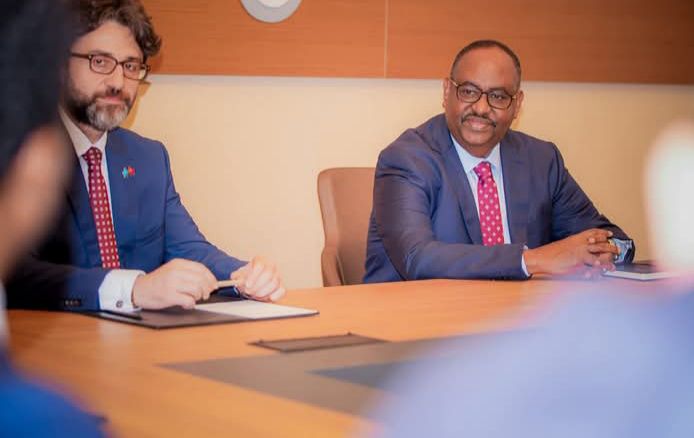
The image is deliberate. The timing is deliberate. The venue is deliberate.
Puntland State President Said Abdullahi Deni walks into the office of a senior Turkish diplomat in Mogadishu at a moment when Villa Somalia is navigating fragile negotiations, expiring mandates, and intensifying speculation about 2026. This is not a courtesy call. It is a signal.
The political whisper in Mogadishu is blunt: the diplomat in question is widely perceived as Ankara’s most influential interlocutor in Somalia — the channel through which sensitive policy coordination flows between Villa Somalia and President Recep Tayyip Erdoğan’s government.
Whether that perception is fully accurate or inflated by Mogadishu rumor mills is another matter. But in Somali politics, perception is power.
Deni understands that.
The Strategic Optics
Deni’s visit communicates three layered messages:
To Villa Somalia: Puntland is not isolated internationally.
To Ankara: Deni is a safe pair of hands.
To the international community: He is positioning himself as a national, not regional, figure.
For years, Turkey has been the most visible foreign actor in Somalia’s reconstruction, especially in Banadir. Any Somali politician seeking Villa Somalia in 2026 must quietly calculate Ankara’s comfort level.
Deni is doing exactly that.
FACT CHECK: Turkey’s Role in Somalia
Let us separate political theatre from verifiable facts.
1. Has Turkey invested heavily in Somalia?
Yes.
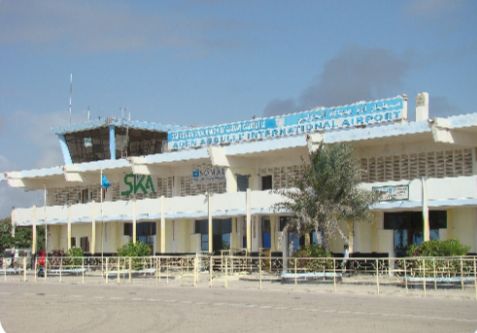
Turkey manages Aden Adde International Airport through Favori LLC.
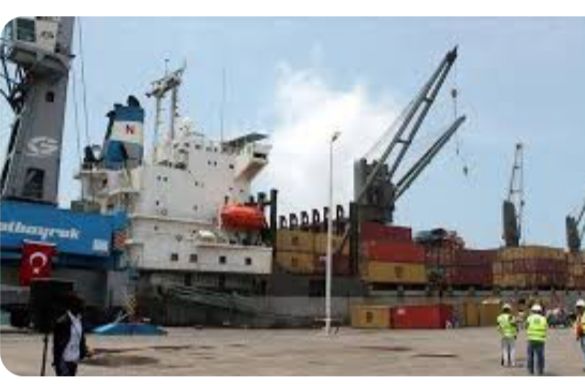
The Port of Mogadishu has been operated by Turkey’s Albayrak Group since 2014.
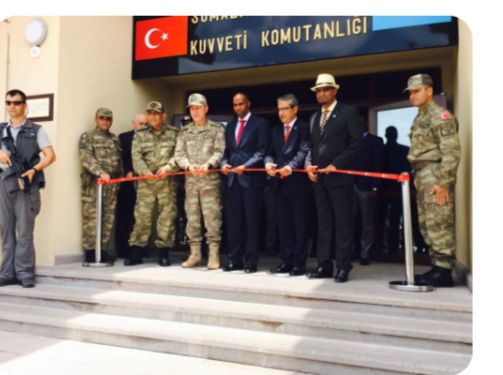
The TURKSOM Military Training Base (opened 2017) is Turkey’s largest overseas military facility.
Erdogan Hospital in Mogadishu is one of the most advanced medical facilities in Somalia.
These are tangible, physical, long-term investments.
2. Is Turkey the first country to invest heavily after the Soviet Union?
This claim needs nuance.
The Soviet Union indeed built significant infrastructure in Somalia during the 1970s.
After state collapse in 1991, few countries made sustained state-building investments.
Turkey’s 2011 high-profile intervention during famine marked a turning point.
However, the European Union, United Kingdom, United States, UAE, and others have also invested billions in security, humanitarian, and governance sectors, though often in less visibly infrastructural ways.
Turkey stands out because its footprint is concrete, visible, and branded.
3. Would Western donors leave “nothing” behind if they departed?
That is exaggerated.
Western donors have funded:
Security sector reform.
Salaries of Somali security forces.
ATMIS support.
Electoral processes.
Humanitarian systems.
Public financial management reforms.
However, much of that support is programmatic and institutional — less visible than ports, airports, hospitals, and military bases.
Turkey’s model emphasizes infrastructure + military training + direct state partnership.
That distinction fuels the perception that Turkey’s presence is more permanent.
4. Does Turkey recognize Puntland’s strategic importance?
Absolutely.
Puntland sits on:
The Gulf of Aden.
Critical Red Sea maritime routes.
Counter-piracy corridors.
Potential hydrocarbon reserves.
No serious geopolitical actor ignores Puntland.
Turkey’s engagement has been strongest in Mogadishu, but Ankara’s broader Horn of Africa calculus inevitably includes Puntland’s coastline and geostrategic value.
The Real Question: Who Is Running Villa Somalia Policy?
The speculation that a Turkish diplomat is “running policy behind the scenes” is politically explosive — but unproven.
Turkey has deep influence in Mogadishu.
Influence is not control.
Somalia’s political system remains fragmented. Policy decisions are shaped by:
Clan arithmetic
Federal–member state tensions
Security dynamics
Donor conditionality
Domestic political rivalries
Turkey is an important actor — not a puppet master.
But perception matters. And Deni is exploiting perception.
Deni’s Calculated Move
Deni’s visit accomplishes several things:
It neutralizes suspicion that he would disrupt Turkish projects.
It reassures investors that a potential Deni presidency would not reverse strategic agreements.
It signals to Mogadishu elites that he has international access beyond Puntland.
In Somali elections, foreign comfort often translates into domestic viability.
Let us not pretend otherwise.
The 2026 Chessboard
The real subtext is this:
If President Hassan Sheikh Mohamud believes Ankara is firmly in his corner, Deni’s visit subtly disrupts that monopoly of access.
It says:
“I, too, am acceptable.”
Not confrontational.
Not rebellious.
Strategic.
The Bigger Geopolitical Reality
Turkey’s Somalia engagement is part of a larger Horn of Africa policy that includes:
Red Sea security competition.
Gulf rivalries.
Ethiopia–Somalia maritime tensions.
Counterterrorism footprint expansion.
Somalia is no longer a peripheral state. It is a maritime chessboard.
And Puntland is one of its key squares.
Conclusion: Optics Today, Leverage Tomorrow
Deni’s Mogadishu diplomacy is not about today’s meeting.
It is about insulating his 2026 ambitions from external veto.
In Somali politics, you must:
Secure clan backing.
Build elite alliances.
Avoid international alarm.
Deni is working on the third pillar.
Whether it translates into electoral momentum depends on:
His domestic coalition building.
His ability to articulate national vision.
And whether Villa Somalia fractures under pressure.
One thing is certain:
No serious contender for Somalia’s presidency can ignore Ankara.
And no serious external actor can ignore Puntland.
The chessboard is widening.
——–
Support WDM — the home of fearless, independent journalism that speaks truth to power across Somalia and the region. Tel/WhatsApp: +252 90 703 4081.
 Warsame Policy & Media Network (WAPMEN)
You must be logged in to post a comment.