WDM NEWS BRIEF – DETAILED REPORT

1. Al-Shabaab Captures Strategic Town in Middle Shabelle, Somalia

Al-Shabaab militants have captured a key strategic town of Adan Yabaal in the Middle Shabelle region, marking a significant escalation in the group’s operations across South-Central Somalia. This town, situated along a vital corridor for movement and supply, had been under government control in recent months and played a critical role in the federal campaign to reclaim territory from the insurgents.

The fall of this town underscores the growing momentum of Al-Shabaab in central Somalia and raises serious concerns about the effectiveness of the Somali National Army and its allied clan militias. Humanitarian sources indicate that thousands have begun fleeing the area amid fears of reprisals and instability. The group’s ability to retake such ground points to tactical weaknesses within government operations and persistent logistical challenges.

New reports today suggest that these gains have sparked widespread fear in the capital, Mogadishu, with foreign expatriates and diplomats housed in the heavily fortified Halane International Compound reportedly fleeing the city throughout the day and night. The exodus signals mounting concern among the international community about the deteriorating security landscape, and possibly foreshadows a shift in foreign engagement if the capital itself comes under threat.

2. Puntland Electoral Commission (PEC) Members Accused of Selling Registration Data

At least three members of the Puntland State Electoral Commission are under investigation after being accused of selling voter registration data to the Federal Government in Mogadishu, according to Gaylan Media. This explosive allegation has provoked strong political backlash and raised serious concerns over data privacy, electoral integrity, and interference in regional governance.

The move is seen by some Puntland officials and observers as an attempt by federal actors to assert influence in Puntland’s internal electoral processes. If verified, the accusations could spark a constitutional showdown between the Puntland administration and the federal authorities.

Civil society groups, opposition leaders, and international observers are calling for an independent inquiry and for measures to ensure the integrity of electoral processes in all federal member states.

3. Somali Ambassador to U.S. Promotes Sool Oil Blocks Under Federal Control

Somali Ambassador to the United States, Hassan Nur “Cadami”, has briefed American oil firms that exploration blocks in the Sool region—part of the SSC-Khatumo territory—fall under the jurisdiction of the Federal Government of Somalia and are now open to foreign investment.

This statement, delivered during meetings with U.S. energy representatives in Washington, is a bold assertion of federal authority over contested territories and is likely to inflame tensions with both the SSC-Khatumo administration and the self-declared Republic of Somaliland, both of which lay claim to the region.

Analysts warn that Cadami’s remarks may destabilize already fragile federal-regional relations and provoke backlash from local authorities who view such moves as undermining autonomy and violating the principle of equitable resource sharing. The move, however, also signals Mogadishu’s growing push to court international investment in the oil and gas sector as a pathway toward economic revitalization.

4. Electoral Violence Disrupts Registration in Shagaani District, Banadir

Electoral registration activities in the Shagaani District of Banadir Region were violently disrupted today after unknown assailants attacked registration centers. Reports confirm that essential materials were destroyed or looted, while election officials fled the scene.

This appears to be a coordinated attempt to sabotage the democratic process in one of the capital’s most densely populated districts. The attack could delay or derail preparations for local elections and raises fears of further political violence or interference.

Authorities have vowed to restore operations and pursue those responsible, but the incident highlights the vulnerability of Somalia’s democratic institutions, especially in urban zones where control is fragmented and political tensions remain high.

https://www.facebook.com/share/v/19VFp6C8mM/

Conclusion

The security and political landscape in Somalia is entering a period of heightened volatility. Al-Shabaab’s territorial gains, political corruption in Puntland, federal overreach in resource allocation, and the disruption of democratic activities all point to a fragile state under multiple pressures.

The flight of foreign diplomats and personnel from Mogadishu is a particularly stark signal of how seriously the international community is viewing the current deterioration. Without immediate and coordinated responses from both Somali actors and their international partners, the country risks descending into deeper instability.
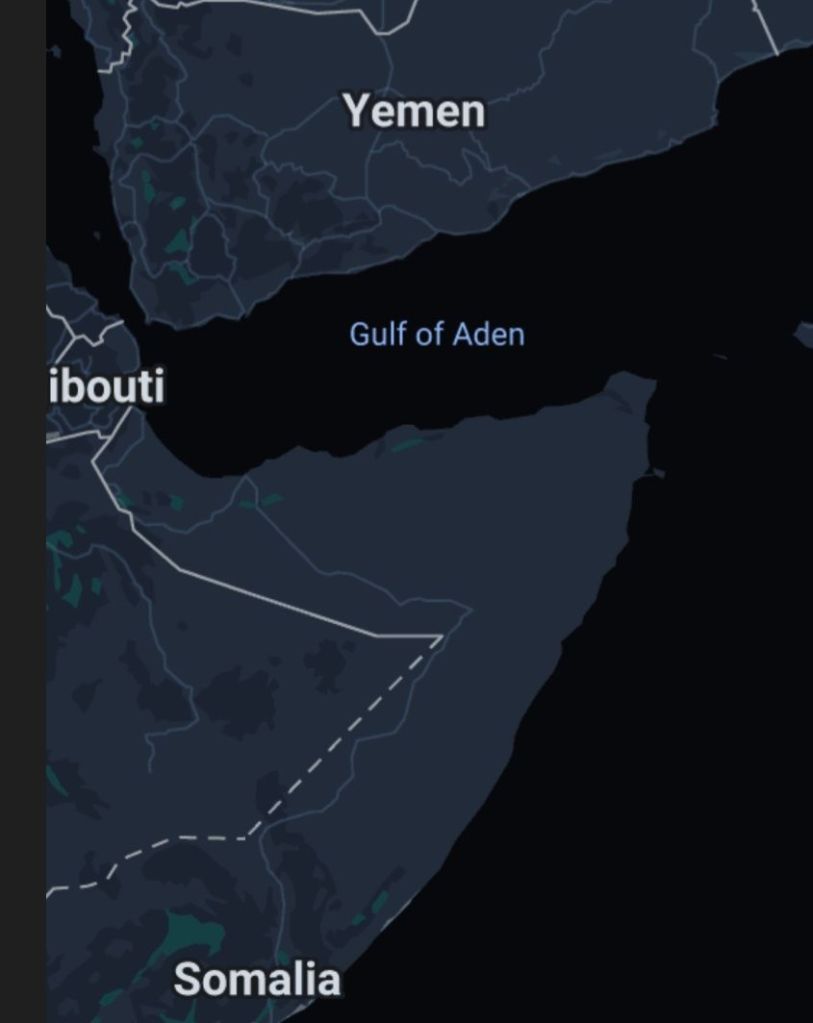
Can Somalia Survive Without External Assistance Amid a Shifting Global Order?

The world is undergoing a seismic shift in political and economic dynamics. The Western world, once seen as the pillar of global stability and prosperity, is now facing growing internal crises—economic stagnation, political division, and declining global influence. The prolonged Ukraine war has exposed both the financial and strategic limits of Western countries. As the war drains Western resources and patience, there are signs that donor fatigue is setting in, with implications far beyond Europe. For countries heavily reliant on external aid—such as Somalia—the question arises: can they survive if Western donor-related assistance disappears?

The Current State of External Assistance in Somalia

Somalia has depended for decades on foreign aid for humanitarian relief, peacekeeping, health, education, and infrastructure development. Organizations like the United Nations, USAID, the European Union, and various NGOs have played a pivotal role in helping Somalia manage crises, from famine to conflict. The African Union Transition Mission in Somalia (ATMIS, now AUSSOM), supported largely by Western donors, has been central in fighting al-Shabaab and maintaining fragile stability.

Yet, this aid has often come with challenges—dependency, corruption, lack of long-term strategy, and donor-driven priorities that do not always align with Somali realities. Nonetheless, external assistance has been a lifeline, particularly in times of drought, displacement, and terrorism.

The Cracks in Western Commitment

The war in Ukraine has drained Western treasuries and political focus. Billions of dollars are being poured into military support and humanitarian relief for Ukraine. As inflation rises and domestic social needs intensify, Western voters and governments are increasingly questioning the wisdom of funding faraway conflicts or humanitarian missions. Aid budgets are being cut, peacekeeping missions are being downsized, and “aid fatigue” is becoming more pronounced. Somalia and many other aid-dependent nations risk falling off the global priority list.

Moreover, geopolitical shifts—such as rising nationalism in the West, growing distrust in global institutions, and new power centers like China and the Gulf states—are reshaping aid dynamics. Western hegemony is fading, and with it, the old models of humanitarianism may disappear.

Can Somalia Survive Without Western Aid?

The short answer is: not easily—but not necessarily forever.

Challenges:

1. Security: The Somali government still lacks the military strength to confront al-Shabaab without support. A withdrawal or reduction of external funding for ATMIS could create a security vacuum.

2. Humanitarian Crises: Climate shocks, displacement, and food insecurity would likely worsen without donor-backed relief programs.

3. Economic Stability: Somalia’s economy is fragile, heavily reliant on remittances, livestock exports, and foreign assistance. A sudden aid cut could trigger economic collapse in some sectors.

4. Institutional Fragility: Government institutions remain underdeveloped and often lack the capacity to fill the gap left by international agencies.

Opportunities for Survival:

1. Regional and Islamic World Support: Turkey, Qatar, and the UAE have increasingly stepped in with investment and development aid, often without the heavy political strings attached by the West.

2. Diaspora Power: The Somali diaspora sends over $1.3 billion annually—this remittance economy is resilient and could be a foundation for a more independent financial future.

3. Self-Reliance Movement: With the right leadership and vision, Somalia could harness local entrepreneurship, build agricultural self-sufficiency, and reform governance to reduce dependency.

4. Alternative Alliances: A multipolar world may allow Somalia to diversify its partnerships—China, the Gulf, or even African regional blocs may become more influential players.

The Path Forward: From Survival to Sovereignty

Somalia must begin preparing for a post-Western aid world. That means investing in local governance, encouraging private sector growth, building domestic revenue systems, and enhancing regional cooperation. Civil society, the business community, and the diaspora must be empowered to play larger roles. External aid, if it continues, should shift from emergency response to capacity building.

The West’s decline may be a wake-up call—a painful but necessary turning point that forces Somalia to embrace a new era of self-determination. Survival is not guaranteed, but with strategic planning, Somalia can pivot from fragile dependence to resilient independence.

Review: The Sword That Broke Terror – How a Small Somali State Defied the Odds and Crushed ISIS

Said Abdullahi Deni

Every so often, a book comes along that doesn’t just tell a story—it redefines how we think about courage, leadership, and what’s truly possible in the fight against terrorism. The Sword That Broke Terror is that book.

Set against the harsh backdrop of northern Somalia’s Calmiskaad mountains, this 400-page powerhouse chronicles how Puntland, an often-overlooked region, pulled off one of the most stunning counterterrorism victories in recent memory. With no support from Somalia’s federal government, minimal resources, and a heavily fortified ISIS enemy, Puntland’s forces achieved what some of the world’s strongest militaries couldn’t.

What makes this book so compelling isn’t just the action (though there’s plenty of that—think mountain raids, drone warfare, and night assaults). It’s the broader message: that victory doesn’t always come from numbers or high-tech gear. Sometimes, it comes from unity, grit, and fearless leadership.

The book doesn’t shy away from making bold comparisons—drawing sharp lines between Puntland’s triumph and the failures of more powerful nations like the U.S. in Afghanistan or Nigeria’s ongoing struggle with Boko Haram. These comparisons are sobering but necessary, and they elevate the story from regional success to global significance.

Beyond the battlefield, The Sword That Broke Terror dives into political dysfunction, especially highlighting the Somali federal government’s two-decade struggle against Al-Shabaab. It’s a tough but fair critique, backed by facts and history.

Why you should read it:

It’s inspiring and deeply relevant.

It challenges assumptions about power and military effectiveness.

It tells a story that the world has largely ignored—but desperately needs to hear.

Whether you’re into military history, African affairs, or just love stories about underdogs flipping the script, this book is a must-read.

Bottom line:
The Sword That Broke Terror is not just a book. It’s a wake-up call—and a reminder that sometimes, the strongest sword is forged not in steel but in unity, determination, and the will to fight for what’s right.

The Cancellation of Somali National Army Day: A Symptom of Systemic Security Challenges

The cancellation of this year’s Somali National Army Day (April 12) marks a sobering moment for Somalia, underscoring the profound struggles facing its armed forces. The decision, attributed to shortages of personnel, funding, and equipment, is not merely a logistical setback but a symbolic indictment of the systemic issues plaguing the nation’s security apparatus. This development reflects decades of instability, underscoring the urgent need for comprehensive reforms to stabilize a country still grappling with existential threats.

Historical Context and the Army’s Role

Since the collapse of the central government in 1991, Somalia has endured cycles of conflict, warlordism, and insurgency. The Somali National Army (SNA), once a symbol of national pride, disintegrated during this period, leaving the country vulnerable to fragmentation. Efforts to rebuild the SNA over the past two decades have been central to restoring state authority, particularly in the fight against Al-Shabaab, the Islamist militant group that controls swathes of rural Somalia. The SNA’s role extends beyond combat; it is a pillar of state legitimacy, critical to securing governance, elections, and public trust.

The Triad of Crises

  1. Personnel Shortages: The SNA’s capacity is hamstrung by a lack of trained soldiers. Factors include low recruitment, high casualty rates, desertions due to unpaid salaries, and competition from regional forces and militias. Reports suggest that the SNA’s operational strength is far below the projected 20,000 troops needed, with many units existing only on paper.
  2. Funding Deficits: Somalia’s government, burdened by limited domestic revenue and debt, relies heavily on international donors to fund its security sector. Corruption and mismanagement exacerbate the problem, with leaked audits revealing that stipends for soldiers often vanish before reaching frontline troops. This financial precarity undermines morale and operational effectiveness.
  3. Equipment Gaps: Outgunned by Al-Shabaab, which profits from illicit taxation and smuggling, the SNA lacks modern weapons, armored vehicles, and communication systems. Soldiers frequently report entering battles with outdated gear, placing them at a severe disadvantage.

Broader Security Implications

The SNA’s weaknesses have dire consequences. Al-Shabaab continues to launch devastating attacks, including recent assaults on military bases and hotels in Mogadishu. The army’s reliance on the African Union Transition Mission in Somalia (ATMIS, now AUSSOM) and foreign donors—such as the U.S., Turkey, and the EU—highlights a precarious dependency. While international partners provide training and equipment, their support is often inconsistent or undermined by local corruption.

Moreover, the cancellation of Army Day erodes morale and public confidence. The event, meant to honor sacrifices and foster unity, instead becomes a reminder of institutional neglect. For soldiers risking their lives without adequate pay or protection, this symbolic blow may deepen disillusionment.

Pathways to Reform

Addressing these challenges requires a multi-pronged approach:

  • Security Sector Reform: Streamlining the SNA’s structure, improving accountability, and professionalizing ranks through rigorous training.
  • Domestic Revenue Mobilization: Expanding tax collection and combating corruption to reduce reliance on volatile foreign aid.
  • International Coordination: Ensuring donor funds are transparently managed and aligned with Somalia’s priorities, not external agendas.
  • Community Engagement: Winning local support by integrating clan militias into formal structures and addressing grievances that fuel Al-Shabaab’s recruitment.

Conclusion

The cancellation of Somali National Army Day is a poignant metaphor for a nation at a crossroads. While the government has made security a stated priority, progress remains hamstrung by systemic dysfunction. Without urgent reforms, the SNA’s vulnerabilities will persist, leaving Somalia trapped in a cycle of fragility. The international community must recalibrate its support, but ultimately, Somalia’s future hinges on its ability to forge a resilient, sovereign security force—one capable of defending its people and reclaiming its dignity.