Equity Deficit: Addressing Hiring Malpractices in Puntland State’s Civil Service

Introduction
Equitable representation in government institutions is a cornerstone of inclusive governance, fostering public trust and national cohesion. However, Puntland State of Somalia has faced persistent allegations of systemic bias in its civil service hiring practices. Reports indicate that over 50% of state employees hail from just two regions—Sool and Nugaal—with claims that this imbalance stems from the influence of former Vice-President Ahmed Karash and ex-Finance Minister Hassan Shire Abgaal. Despite pledges to uphold fairness, President Said Abdullahi Deni’s administration has yet to rectify this disparity, perpetuating a cycle of exclusion and undermining the principles of meritocracy and regional equity.

Historical Context and Promises of Equity
Puntland’s 1998 charter enshrined power-sharing among its regions, aiming to ensure balanced political and economic participation. This commitment was meant to prevent dominance by any single clan or region, fostering unity in a state historically fragmented by clan dynamics. However, the concentration of civil service roles in Sool and Nugaal—home to key political figures—suggests a departure from these ideals. The alleged roles of Ahmed Karash and Hassan Shire Abgaal in staffing ministries with loyalists illustrate how patronage networks can distort institutional integrity, prioritizing allegiance over competence.

Consequences of Imbalance
The overrepresentation of two regions has far-reaching implications:

  1. Marginalization: Communities from regions like Bari, Mudug, Sanaag, Haylaan, and Karkaar face diminished opportunities, breeding resentment, and eroding national unity.
  2. Governance Deficits: A bureaucracy skewed toward regional favoritism risks inefficiency, as merit may be sidelined for cronyism. This undermines public service delivery, critical in a state grappling with poverty and instability.
  3. Distrust in Institutions: Perceived injustice in hiring corrodes citizen confidence, weakening the social contract and fueling political apathy or unrest.

President Deni’s Inaction: A Missed Opportunity
President Deni’s failure to address this issue raises questions about political will. Whether due to reliance on existing power structures or fear of destabilizing alliances, his silence perpetuates inequality. This inaction not only tarnishes his reformist image but also risks entrenching a legacy of division. By neglecting to implement transparent recruitment policies or audit current staffing, the administration implicitly endorses a system that privileges loyalty over capability.

Pathways to Reform
To restore equity, Puntland must:

  • Enforce Merit-Based Hiring: Establish independent oversight bodies to ensure recruitment aligns with qualifications, not regional or clan affiliations.
  • Conduct Audits: Review current civil service demographics to identify and redress imbalances.
  • Promote Affirmative Action: Implement quotas or incentives to uplift underrepresented regions.
  • Civic Engagement: Foster dialogue with marginalized communities to rebuild trust and inclusivity.

Conclusion
Puntland’s hiring malpractices are not merely administrative failures but existential threats to its unity and development. President Deni stands at a crossroads: he can either uphold a status quo that benefits a privileged few or champion reforms that honor Puntland’s founding principles of equity. The choice will define his legacy and determine whether Puntland evolves into a cohesive state or remains fractured by the very inequalities it once sought to overcome. The time for corrective action is now—before disillusionment turns into discord.
The Paradox of Stagnation and Radicalization in Muslim-Majority Societies: A Historical and Contemporary Analysis


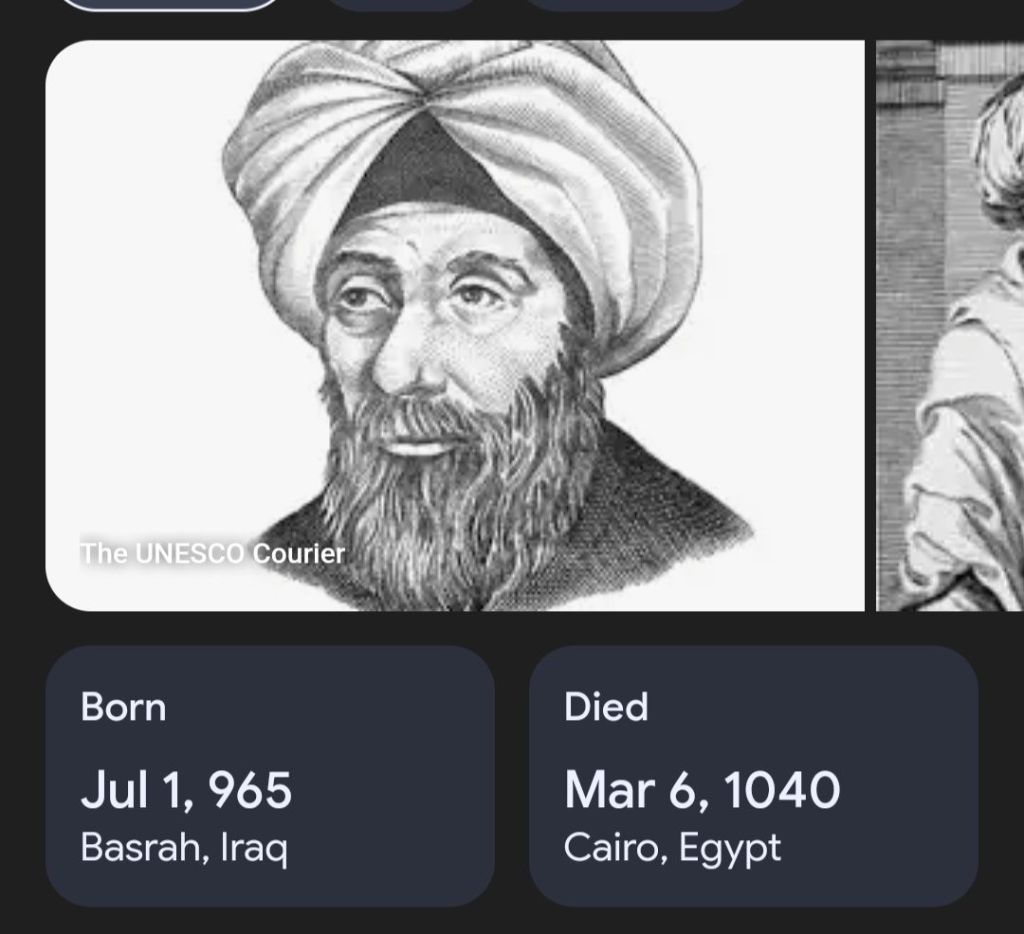
Ḥasan Ibn al-Haytham was a medieval mathematician, astronomer, and physicist of the Islamic Golden Age from present-day Iraq.

Introduction
Muslim-majority countries today present a paradox: once epicentres of intellectual and scientific advancement during the Islamic Golden Age, many now grapple with political stagnation, technological underdevelopment, and rising extremism. This essay explores how authoritarian governance, the clergy’s complicity in suppressing critical discourse, and the stifling of innovation have contributed to this decline. It argues that systemic repression fosters radicalization, necessitating structural reforms to revive intellectual and political agency.


Historical Context: The Islamic Golden Age Between the 8th and 13th centuries, the Islamic world was a beacon of knowledge. Scholars in Baghdad’s House of Wisdom translated Greek texts, advanced algebra (AlKhwarizmi), optics (Ibn al-Haytham), and medicine (Ibn Sina). Cities like Cordoba (Spain) and Cairo thrived as multicultural hubs of learning. This era was marked by curiosity, state patronage of science, and a synthesis of diverse intellectual traditions. The decline began with political fragmentation, Mongol invasions, and the rise of rigid theological interpretations that prioritized dogma over inquiry.

Ibn Sina, commonly known in the West as Avicenna, was a preeminent philosopher and physician of the Muslim world, flourishing during the Islamic Golden Age, serving in the courts of various Iranian rulers. He is often described as the father of early modern medicine..
Muhammad ibn Musa al-Khwarizmi, or simply al-Khwarizmi, was a polymath who produced vastly influential Arabic-language works in mathematics, astronomy, and geography. Around 820, he worked at the House of Wisdom in Baghdad, the contemporary capital city of the Abbasid Caliphate. 


Contemporary Political Landscape: Authoritarianism and Dynastic Rule
Today, many Muslim-majority nations are ruled by authoritarian regimes or dynastic families (e.g., Saudi Arabia and Gulf States). Power is concentrated in the hands of elites who suppress dissent, often justified under the guise of stability. Elections, where they exist, are performative, and civil liberties are curtailed. The 2011 Arab Spring exemplified grassroots demands for democracy, but its suppression (e.g., Egypt’s military coup) reinforced autocracy. Such environments deter innovation, as fear of dissent stifles creativity and critical thinking. Here, we are not talking about already failed states such as Somalia, Yemen, the Sudan, and fragile others.


Role of the Clergy: Otherworldly Focus and Political Complicity
Religious institutions often avoid challenging political authority. In Saudi Arabia, the Wahhabi clergy legitimizes the monarchy in exchange for influence over social policies. Iran’s theocracy merges religious and state power, silencing reformist voices. By emphasizing piety, prayer, and the afterlife, clergy divert attention from governance failures. This collusion entrenches stagnation, as questioning socio-political structures is framed as un-Islamic, discouraging youth from engaging in secular knowledge or activism.


Societal Impact: Technological Stagnation and Youth Disillusionment
Underinvestment in education and research perpetuates dependency on foreign technology. According to UNESCO, Muslim-majority countries spend less than 0.5% of GDP on R&D, compared to 2-3% in developed nations. Educational systems often prioritize religious studies over STEM (Science,  Technology, Engineering and Mathematics), limiting economic diversification. Youth unemployment rates exceed 25% in nations like Tunisia and Iran, fueling frustration. With legitimate avenues for expression blocked, some turn to extremism, seeking purpose in ideologies that promise empowerment through violence.


Extremism and Radicalization: The Cycle of Repression and Violence
Authoritarianism creates fertile ground for radical groups. Marginalized populations, denied agency, may gravitate toward movements like ISIS and Al-Shabab, which exploit grievances and offer a distorted sense of identity. The U.S. invasion of Iraq and Syria’s civil war exacerbated this, but internal repression remains a root cause. Extremist narratives glorify a mythologized past, contrasting it with present humiliation, thereby resonating with disillusioned youth.


Case Studies: Contrasting Trajectories
Iran: The 1979 Revolution replaced a secular autocracy with a theocracy, stifling reform. Despite a educated youth, brain drain and sanctions hinder progress.
Malaysia: A blend of Islamic governance and economic modernization shows potential, though political Islam risks polarizing society.
UAE: Investment in tech hubs like Dubai contrasts with strict political control, illustrating selective modernity without democratization.


Pathways to Reform
Breaking the cycle requires multifaceted approaches:
• Educational Reform: Emphasize critical thinking and STEM (Science, Technology, Engineering, Mathematics), drawing on the Islamic Golden Age’s interdisciplinary spirit.
• Political Democratization: Foster inclusive governance to channel dissent constructively.
Religious Reinterpretation: Encourage progressive theological discourses that reconcile faith with modernity.
• Economic Empowerment: Invest in innovation and job creation to reduce youth vulnerability to extremism.


Conclusion
The stagnation of many Muslim-majority societies is not inevitable but a product of repressive structures. By addressing governance failures, revitalizing education, and embracing intellectual heritage, these nations can combat extremism and reclaim their legacy of innovation. The choice lies between perpetuating cycles of violence or fostering renaissance through reform.

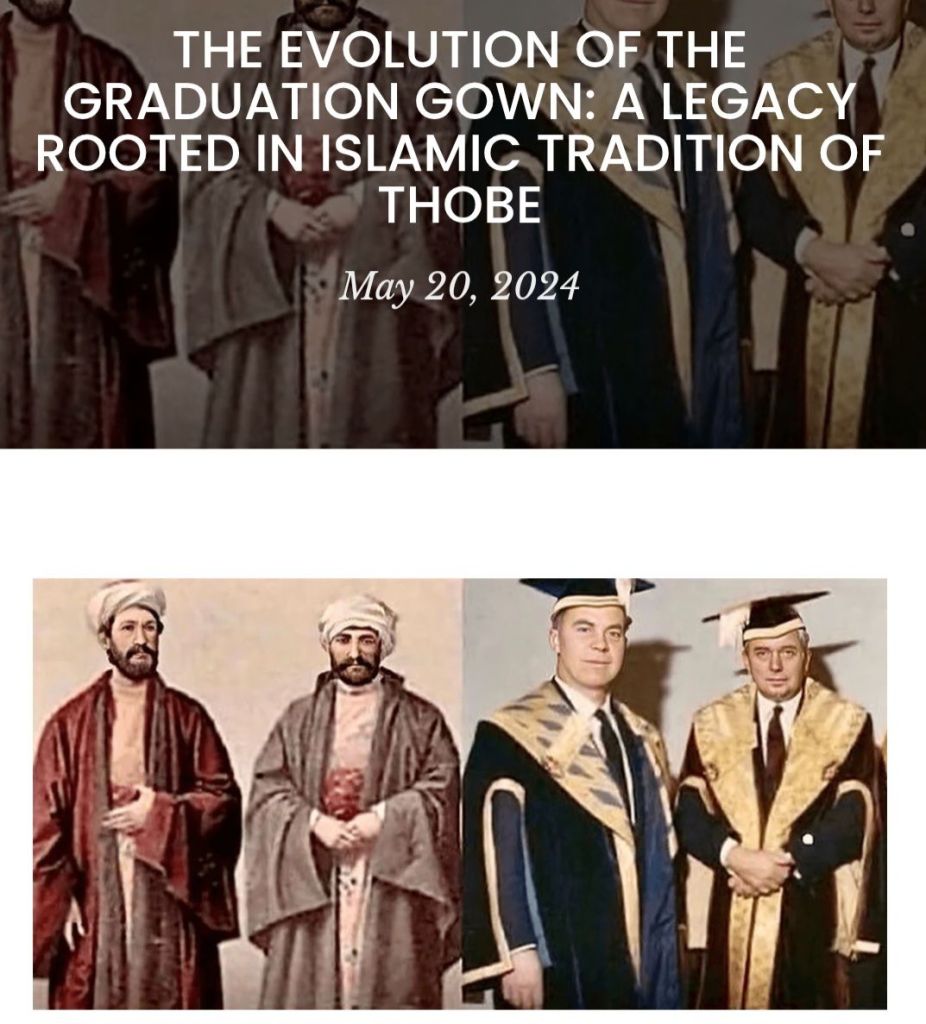
“The Arabic clothing (Thawb or Thobe) has remained the purest & clearest sign of scholastic integrity up to this day of ours, especially during scholastic events such as debating and graduations.”
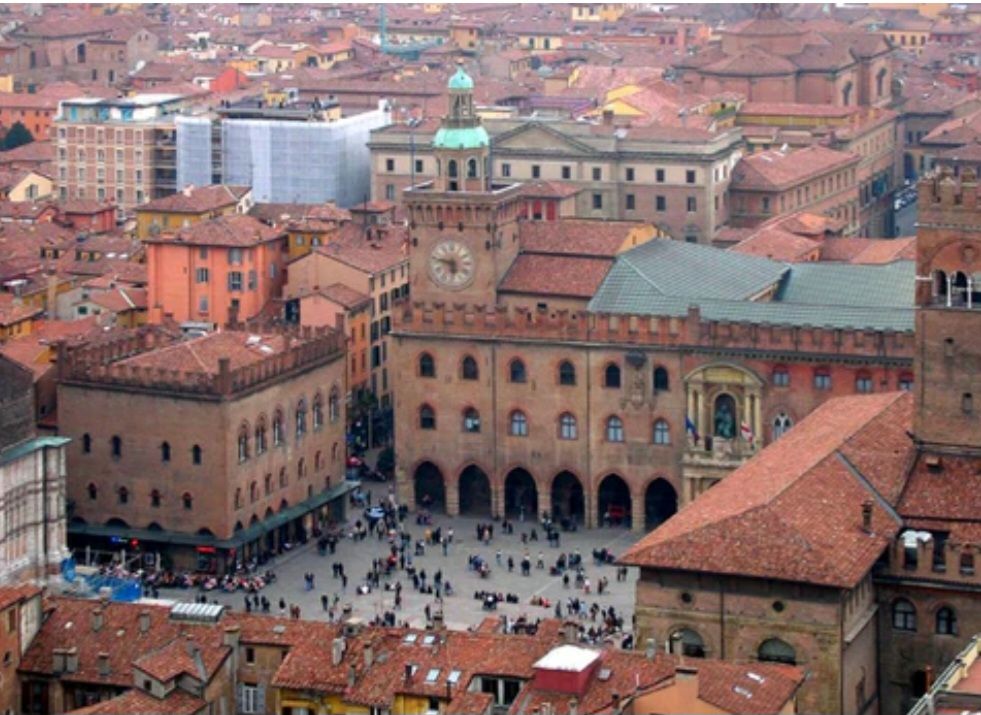
Islamic university in Europe centuries ago

White Paper: Addressing the Neglect of Critical Sectors in Somalia’s Education and Policy Frameworks

Revitalizing Livestock, Fisheries, Agriculture, and Frankincense for Sustainable Development


Executive Summary

Somalia’s economy hinges on four key sectors: livestock, fisheries, agriculture, and frankincense. These sectors employ over 70% of the population and contribute significantly to GDP, yet they suffer systemic neglect in education, vocational training, and policy. This white paper highlights the consequences of this negligence and provides actionable recommendations to realign priorities, ensuring sustainable livelihoods and economic resilience, particularly in Puntland’s Bari Region, a hub for frankincense production.


1. Introduction

Somalia’s arid climate and extensive coastline position it to thrive in livestock, fisheries, rain-fed agriculture, and frankincense. However, decades of conflict, climate shocks, and institutional fragility have stifled growth. Despite their economic importance, these sectors remain marginalized in education and governance, perpetuating poverty and food insecurity. This paper examines the root causes of this neglect and proposes solutions.


2. Current State of Key Sectors

Livestock

  • Contribution: Accounts for ~40% of GDP and 80% of export earnings.
  • Challenges: Overreliance on traditional practices, disease outbreaks, and climate vulnerability.

Fisheries

  • Potential: 3,300 km coastline with untapped resources; current production is <5% of capacity.
  • Challenges: Illegal fishing, lack of cold storage, and poor market access.

Agriculture

  • Role: Supports 30% of the population but is rain-fed and climate-sensitive.
  • Challenges: Soil degradation, outdated techniques, and limited irrigation.

Frankincense (Bari Region, Puntland State)

  • Global Demand: Somalia produces 80% of the world’s frankincense, yet lacks value-added processing.
  • Challenges: Overharvesting, lack of certification, and weak market linkages.

3. Educational and Vocational Neglect

  • Universities: Focus on humanities and IT, with minimal courses on agronomy, veterinary sciences, or sustainable forestry.
  • Vocational Schools: Lack equipment and curricula tailored to sector needs (e.g., modern fishing techniques, resin processing).
  • Urban Perception: Youth view these sectors as “backward,” preferring formal employment in cities.

4. Government Policy Gaps

  • Funding: <2% of national budgets allocated to agriculture or natural resource development.
  • Infrastructure: No processing plants for frankincense or fish, poor rural roads.
  • Regulation: Weak enforcement against illegal fishing and unsustainable harvesting.

5. Consequences of Neglect

  • Economic: Lost revenue (e.g., $300M/year estimated loss from illegal fishing).
  • Social: Youth unemployment (67%), rural-urban migration, and food insecurity (5.6M face hunger).
  • Environmental: Deforestation, overgrazing, and fishery depletion.

6. Recommendations

For Educational Institutions

  • Introduce degree programs in agribusiness, marine biology, and resin chemistry.
  • Partner with cooperatives for hands-on training in frankincense harvesting and livestock management.

For Government

  • Prioritize sector funding and establish a Frankincense Development Authority in Bari Region.
  • Invest in infrastructure (e.g., processing facilities, irrigation systems).

For International Partners

  • Support vocational centers with grants and technology transfers (e.g., solar dryers for fisheries).
  • Advocate for certification schemes (e.g., Fair Trade frankincense).

For Communities

  • Promote youth engagement through awareness campaigns and microgrants for startups.

7. Conclusion

Somalia’s neglect of its core sectors undermines its development potential. By realigning education, policy, and investment, the country can transform these sectors into engines of growth. Puntland’s Bari Region, with its frankincense heritage, offers a strategic starting point. Immediate action is critical to avert further crises and harness Somalia’s natural wealth for future generations.


Endorsed by: WDM/Ismail Warsame
Contact: iwarsame@ismailwarsame.blog/ismailwarsame@gmail.com/@ismailwarsame  WhatsApp: +252 90 703 4081