
Warsame Digital Media | Uncategorized | April 2, 2025
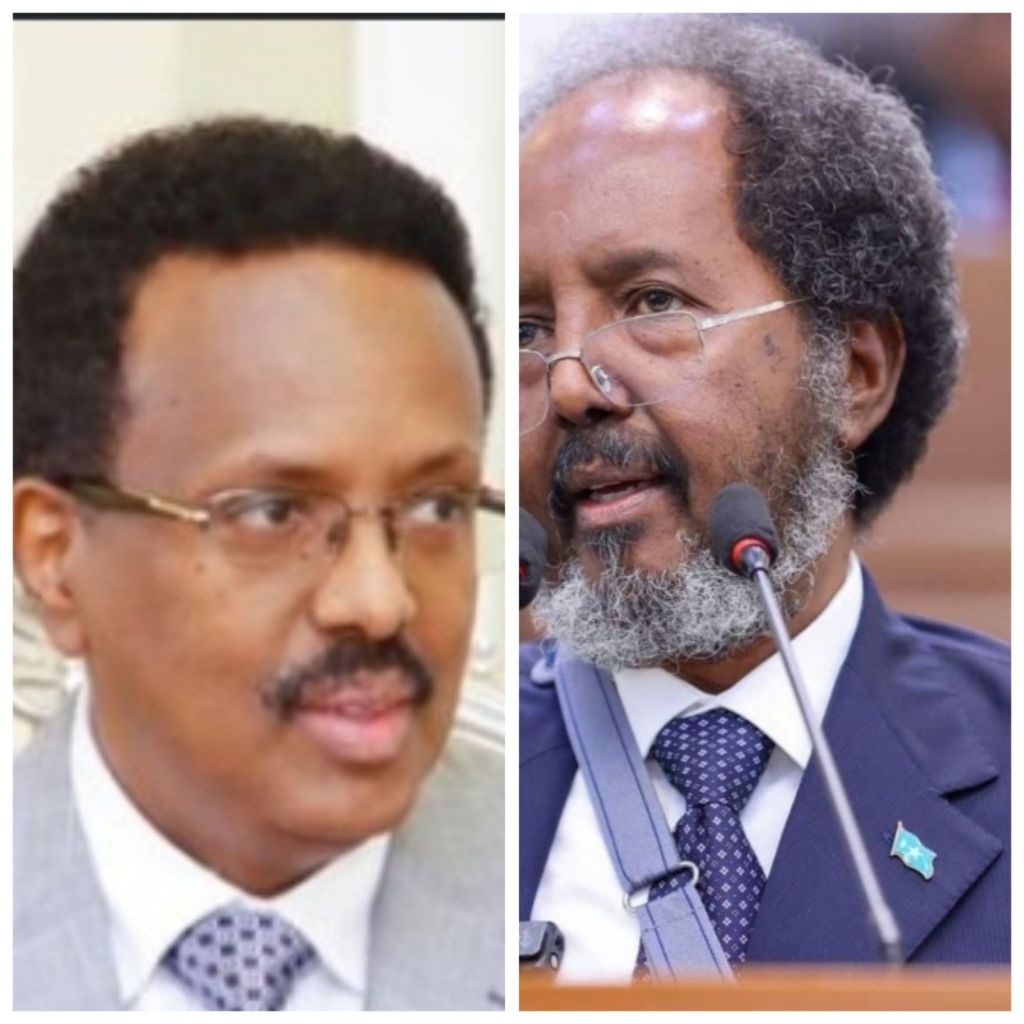
The recent call for national consultations by Somalia’s federal president has been met with widespread apathy and outright rejection, exposing a deepening political crisis. The absence of willing participants underscores the president’s eroded legitimacy and the lack of a cohesive civil society capable of meaningful dialogue. Rather than a sincere effort to address Somalia’s challenges, many perceive this initiative as a desperate ploy to extend a failing mandate. With federal member states refusing to engage, the proposed consultations have only deepened the fractures in Somalia’s fragile political system.
The Collapse of Moral and Political Legitimacy
Effective leadership requires both moral authority and political legitimacy—qualities the current administration has demonstrably lost. Accusations of corruption, electoral interference, and exclusionary governance have tainted the president’s tenure. The controversial term extension of former President Farmajo in 2021 set a damaging precedent, eroding public trust in federal leadership. Today, history repeats itself under President Hassan Sheikh Mohamud, whose government faces similar skepticism.
The reluctance of federal member states—including Puntland —to participate in these consultations – speaks volumes. These states have long accused Mogadishu of undermining federalism by centralizing power, contrary to Somalia’s provisional constitution. Without their buy-in, any national dialogue is doomed to fail, as these regions represent critical constituencies that cannot be ignored.
The Vacuum of Civil Society
Decades of conflict, displacement, and institutional decay have stifled the growth of an independent civil society in Somalia. What remains is often fragmented, co-opted by political elites, or too weak to facilitate genuine discourse. In this environment, the president’s call for consultations rings hollow. Without credible grassroots movements, think tanks, or advocacy groups, any dialogue orchestrated by the federal government risks being a performative exercise—scripted to legitimize predetermined outcomes rather than reflect the will of the Somali people.
A Tactical Delay, Not a Solution
Given the overwhelming disinterest in these consultations, many Somalis see them as a stalling tactic rather than a step toward resolution. The president’s term has been marked by persistent insecurity, economic stagnation, and unresolved disputes over federalism and elections. Instead of confronting these issues, the call for dialogue appears to be a smokescreen—an attempt to manufacture the illusion of progress while evading accountability.
Federal member states have recognized this gambit and refused to lend it credibility. Their resistance sends a clear message: superficial talks cannot substitute for genuine political reform.
The Way Forward: Rebuilding Trust and Governance
For Somalia to break this cycle of dysfunction, decisive steps must be taken:
- Leadership Transition: The current administration must acknowledge its diminished legitimacy and prioritize a fair, transparent transition over political survival.
- True Federalism: Mogadishu must recommit to decentralization, treating federal states as equal partners rather than subordinates.
- Reviving Civil Society: International partners and local stakeholders must invest in independent institutions that can foster accountability and inclusive dialogue.
- Electoral Integrity: A clear roadmap for free and fair elections is essential to ensure future leaders derive authority from the people—not backroom deals.
Conclusion
The failure of the federal government’s national consultations reflects a broader crisis of leadership in Somalia. Without credibility, the cooperation of federal states, or a functioning civil society, such initiatives are destined to collapse. Rather than clinging to power, Somali leaders must embrace genuine reforms that restore trust and lay the foundation for sustainable governance. Only then can the nation hope to achieve stability and progress.
 Warsame Policy & Media Network (WAPMEN)