Executive Summary
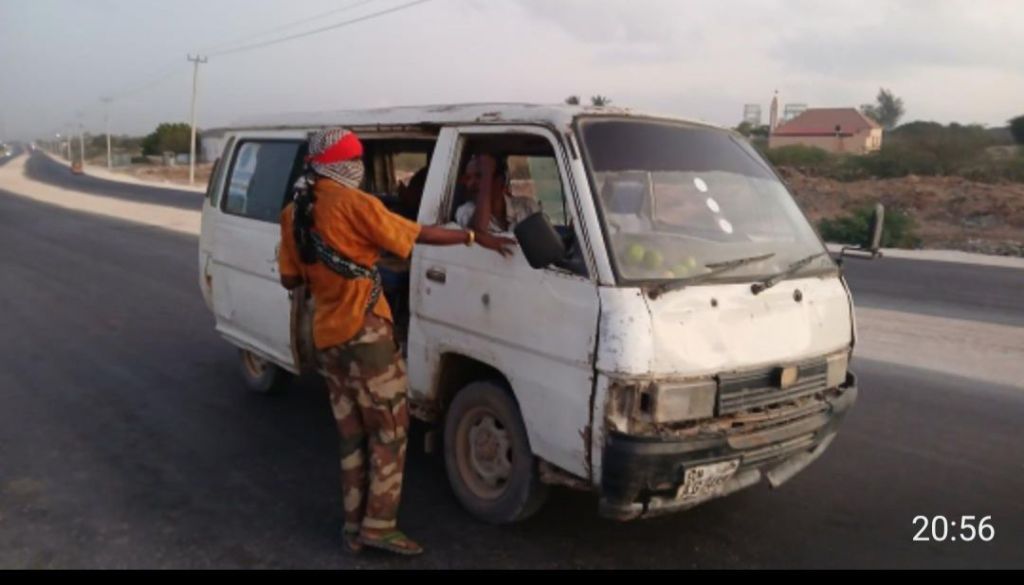
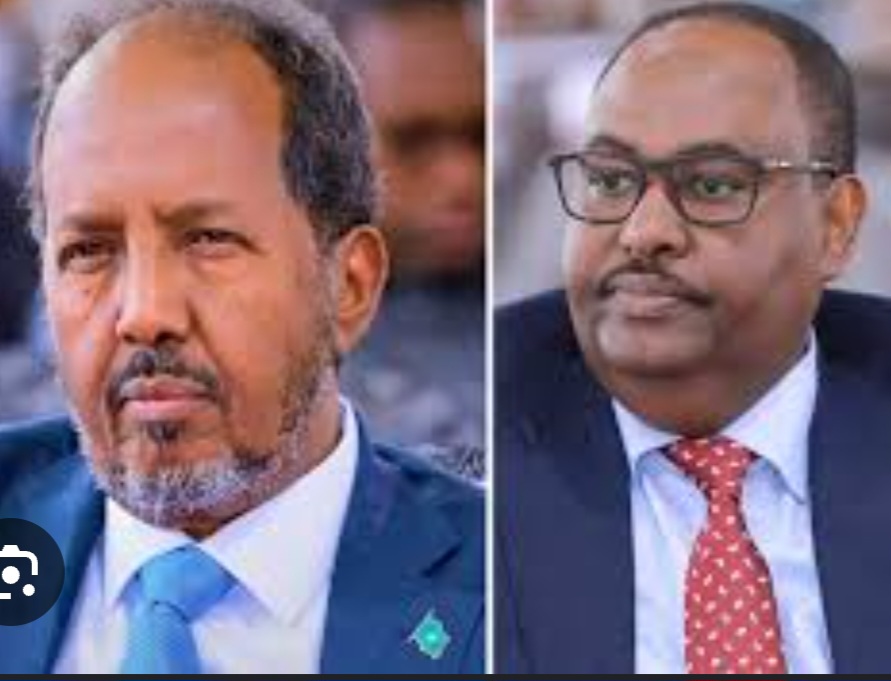
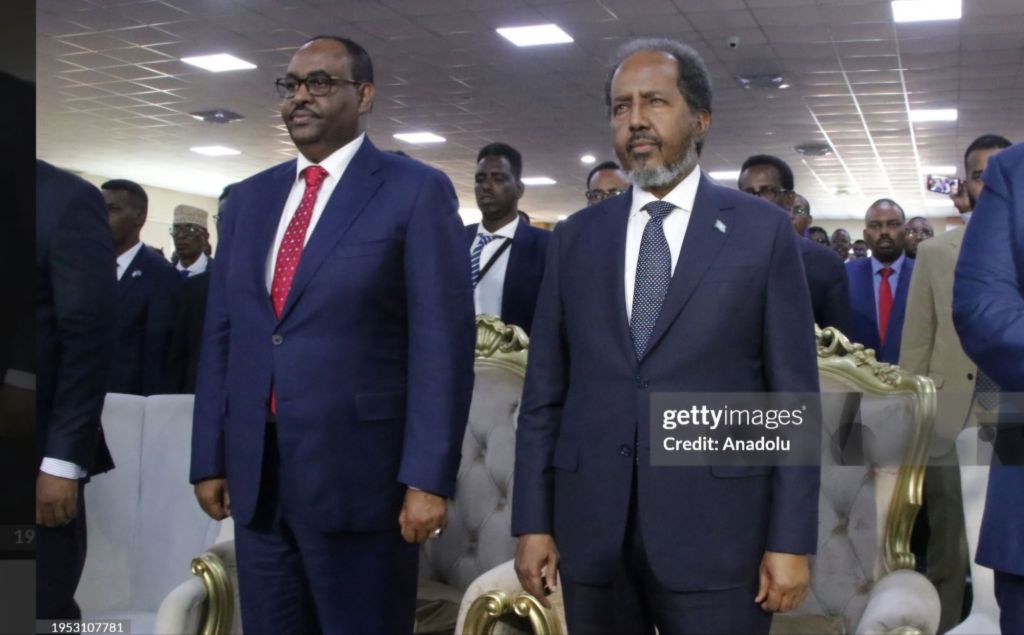
Somalia, a nation with a complex political landscape and a history of conflict, faces a critical juncture in its governance. The country is under relentless attack by extremist groups such as Al-Shabab and ISIS, which exploit the political instability and weak governance to further their agendas. President Hassan Sheikh Mohamud, who leads the Federal Government of Somalia (FGS), is at the center of a political dilemma. His administration is marred by divisive policies, rampant corruption, nepotism, cronyism, and a lack of consultation and expertise. These issues have exacerbated tensions with federal member states, particularly Puntland and Jubaland, and have weakened the government’s ability to effectively counter extremism and deliver basic services.
This white paper examines the political dilemma facing Somalia: Should Somalis rally behind a failing leader in the face of existential threats, or should they undermine and unseat him to pave the way for more effective governance? The paper explores the root causes of the current political crisis, the implications of supporting or opposing President Mohamud, and potential pathways forward for Somalia.
Introduction
Somalia’s political landscape is characterized by a fragile federal structure, clan-based politics, and the persistent threat of extremist groups. Since the collapse of the central government in 1991, the country has struggled to rebuild state institutions and establish a stable political order. The election of President Hassan Sheikh Mohamud in 2022 was initially seen as a step toward stability, but his administration has been plagued by internal divisions, poor governance, and a failure to address the country’s most pressing challenges.
The rise of Al-Shabab and ISIS in Somalia has further complicated the political environment. These groups thrive in the absence of strong governance and exploit grievances among marginalized communities. President Mohamud’s divisive policies, particularly his hostile stance toward Puntland and Jubaland, have alienated key stakeholders and undermined efforts to build a unified front against extremism. Additionally, rampant corruption, nepotism, and mismanagement have eroded public trust in the government and hindered its ability to deliver services and security.
This white paper seeks to answer the following questions:
- What are the root causes of Somalia’s political crisis under President Mohamud?
- Should Somalis rally behind a failing leader in the face of existential threats, or should they undermine and unseat him?
- What are the potential consequences of each course of action?
- What pathways exist for Somalia to overcome its political crisis and achieve stability?
The Root Causes of Somalia’s Political Crisis
1. Divisive Policies and Federal-State Tensions
President Mohamud’s administration has been characterized by a confrontational approach toward federal member states, particularly Puntland and Jubaland. These states have accused the federal government of centralizing power and undermining their autonomy. The lack of consultation and cooperation between Mogadishu and the federal states has weakened Somalia’s ability to present a united front against extremism and has fueled political instability.
2. Rampant Corruption, Nepotism, and Cronyism
Corruption is a pervasive issue in Somalia, and President Mohamud’s administration has been accused of prioritizing personal and clan interests over national priorities. Nepotism and cronyism have led to the appointment of unqualified individuals to key positions, resulting in mismanagement and maladministration. This has further eroded public trust in the government and hindered its ability to deliver services and security.
3. Lack of Consultation and Expertise
The federal government’s decision-making process has been criticized for lacking transparency and inclusivity. Key stakeholders, including federal member states, civil society, and experts, have been excluded from critical discussions on governance and security. This has resulted in poorly designed policies and a lack of coordination in addressing Somalia’s challenges.
4. Failure to Counter Extremism
Despite international support, the federal government has struggled to effectively counter the threat posed by Al-Shabab and ISIS. The lack of a cohesive strategy, coupled with internal divisions and corruption, has undermined efforts to build a capable security force and address the root causes of extremism.
The Political Dilemma: Rally Behind or Undermine the Leader?
Option 1: Rally Behind President Mohamud
Supporters of President Mohamud argue that Somalia cannot afford a leadership change in the face of existential threats from Al-Shabab and ISIS. They contend that a change in leadership could lead to further instability and weaken the government’s ability to counter extremism. Rallying behind the president, they argue, would allow the government to focus on addressing the country’s challenges and building a more inclusive political system.
However, this approach risks perpetuating the status quo of poor governance, corruption, and divisive policies. Without meaningful reforms, the government is unlikely to gain the trust and support of the Somali people or effectively counter extremism.
Option 2: Undermine and Unseat President Mohamud
Critics of President Mohamud argue that his administration has failed to address Somalia’s most pressing challenges and has exacerbated political divisions. They contend that unseating the president and replacing him with a more competent and inclusive leader is necessary to restore public trust, strengthen governance, and build a unified front against extremism.
However, this approach carries significant risks. A leadership change could lead to political instability and infighting, particularly in the absence of a clear successor. Additionally, it could distract from efforts to counter extremism and undermine international support for Somalia.
Potential Consequences of Each Course of Action
Consequences of Rallying Behind President Mohamud
- Short-term stability but long-term stagnation: The government may maintain a semblance of stability in the short term, but without meaningful reforms, the underlying issues of corruption, mismanagement, and divisive policies will persist.
- Continued erosion of public trust: The government’s failure to address corruption and deliver services will further erode public trust and fuel grievances that extremists can exploit.
- Weakened counterterrorism efforts: Internal divisions and poor governance will continue to undermine efforts to counter Al-Shabab and ISIS.
Consequences of Undermining and Unseating President Mohamud
- Potential for political instability: A leadership change could lead to infighting and political instability, particularly in the absence of a clear successor.
- Disruption of counterterrorism efforts: A leadership transition could distract from efforts to counter extremism and undermine international support.
- Opportunity for meaningful reform: A new leader could bring fresh perspectives and a commitment to addressing corruption, improving governance, and building a more inclusive political system.
Pathways Forward for Somalia
1. National Dialogue and Reconciliation
Somalia needs a comprehensive national dialogue to address the root causes of its political crisis. This dialogue should include federal member states, civil society, and other stakeholders to build consensus on key issues such as power-sharing, resource allocation, and counterterrorism strategy.
2. Anti-Corruption Reforms
The federal government must prioritize anti-corruption reforms to restore public trust and improve governance. This includes establishing independent oversight mechanisms, prosecuting corrupt officials, and promoting transparency in government operations.
3. Inclusive Governance
The federal government must adopt a more inclusive approach to governance, consulting with federal member states, civil society, and experts in decision-making processes. This will help build trust and ensure that policies are well-designed and effectively implemented.
4. Strengthening Counterterrorism Efforts
Somalia needs a cohesive and well-coordinated strategy to counter Al-Shabab and ISIS. This includes building a capable security force, addressing the root causes of extremism, and fostering cooperation between the federal government and federal member states.
5. International Support and Accountability
The international community must continue to support Somalia’s efforts to achieve stability and counter extremism. However, this support should be conditional on progress in governance reforms and anti-corruption efforts.
Conclusion
Somalia’s political dilemma is a reflection of the broader challenges facing the country as it seeks to rebuild state institutions and counter extremism. While rallying behind President Mohamud may provide short-term stability, it risks perpetuating the status quo of poor governance and divisive policies. On the other hand, undermining and unseating the president carries significant risks but also offers an opportunity for meaningful reform.
Ultimately, Somalia’s path forward lies in addressing the root causes of its political crisis through national dialogue, anti-corruption reforms, inclusive governance, and a cohesive counterterrorism strategy. The Somali people, with the support of the international community, must seize this moment to build a more stable and prosperous future.
This white paper serves as a call to action for Somali leaders, civil society, and the international community to work together to overcome the current political crisis and achieve lasting peace and stability in Somalia.











 Warsame Policy & Media Network (WAPMEN)
You must be logged in to post a comment.