Briefers, Delegates Stress Vital Need to Restore Governmental Cooperation, Deny Al-Shabaab Space, as Security Council Takes Up Situation in Somalia

SC/13821
22 MAY 2019

Permanent Representative Faults Arms Embargo for Limiting Security Forces while Giving Extremist Group Comparative Advantage

The tasks of restoring cooperation between Somalia’s two tiers of government and denying Al-Shabaab the space to prepare and launch its attacks are vital for the country’s progress, senior officials told the Security Council today.

The Deputy Special Representative of the Secretary-General for the United Nations Assistance Mission in Somalia (UNSOM) was among three experts briefing the 15-member Council, which had before it the latest report of the Secretary-General on Somalia (document S/2019/393). He recalled the crisis that faced Somalia at the beginning of 2019, noting the mortar attack on the United Nations compound on 1 January and the political crisis resulting from the expulsion of Nicholas Haysom, Special Representative of the Secretary-General, on the same day. “We are certainly in a better place than we were at the beginning of the year,” he said, adding that mandate implementation is back on track, particularly in preparing for the 2020 elections, the constitutional review, building police capacity and contributing to the planning for ongoing security operations.

Despite the many challenges, he continued, Somalia remains on a positive trajectory, including in the economic and security sectors. For instance, biometric registration of all Somali National Army soldiers ensures that their salaries are disbursed directly into their bank accounts, he said, explaining that this helps to fight corruption. He said the Federal Government has launched military operations in the Lower Shabelle region to reverse the recent increase in the number of Al-Shabaab attacks, which remain a serious challenge. He emphasized the importance of Parliament moving ahead on bills that are “absolutely essential” for the political road map to stay on track.

Also briefing was the Special Representative of the Chairperson for Somalia and Head of the African Union Mission in Somalia (AMISOM), who reported that progress on the dialogue between the Federal Government and the federal member states is increasing. In addition, the Somali National Army has retaken some of Al-Shabaab’s strongholds, but the group remains a potent threat with the ability to recruit troops and collect funding. AMISOM, however, is registering progress in implementing the transition plan endorsed by the African Union Peace and Security Commission and the Security Council, he said, adding that it has already handed over responsibility to Somali security forces in Mogadishu Stadium, and completed a drawdown of 1,000 troops, with a view to making its final exit guided by its partners.

A third briefer, the Assistant Secretary-General for Humanitarian Affairs and Deputy Emergency Relief Coordinator, said that Somalia’s humanitarian situation remains among the most protracted in the world. The Humanitarian Response Plan for 2019 identified 4.2 million Somalis, one third of the total population, in need of life-saving assistance. Expressing concern over the impact of the ongoing drought and the situation of internally displaced persons, she said acute food insecurity has risen by 10 per cent since February and more than 2.6 million people remain internally displaced. Civilians, who have borne the brunt of ongoing armed conflict and violence, remain exposed to targeted and indiscriminate attacks, she said, underlining that Somalia must develop sufficient capacity to protect civilians.

In the ensuing discussion, Council members stressed the need to provide coordinated support for building up the capacity of Somalia’s security forces. South Africa’s representative called for ongoing implementation of a comprehensive approach to security, with joint planning by AMISOM, the Federal Government, UNSOM, UNSOS and international partners. It is imperative that the Federal Government and the federal member states resolve their differences through sustained and inclusive dialogue, he added.

The representative of the United States encouraged Somalia to engage with the Panel of Experts servicing the Sanctions Committee concerning Somalia, emphasizing that his country will not support lifting sanctions without Somalia’s full participation with the Panel.

Somalia’s representative expressed his condolences for today’s attacks in Mogadishu, saying his country is more determined than ever to combat “the menace of faceless, borderless international terrorism”. However, Somalia cannot implement the transition plan effectively “with one hand tied to our back” due to the long-standing arms embargo, he said. He expressed regret that decisions made at United Nations Headquarters continue to have a negative impact on the capabilities of Somalia’s security forces, thereby giving Al-Shabaab a comparative advantage.

On the political front, he said Somalia has demonstrated that its lawmakers can debate contentious issues in a pragmatic manner. This month alone, the Government succeeded in getting petroleum industry legislation through the lower house of Parliament, and the Cabinet approved a new draft election law, reflecting the Government’s commitment to inclusive politics as well as the promotion of human rights. He went on to stress the urgent need to address the humanitarian situation and to invest in long-term solutions leading to sustainable development.

Also speaking today were representatives of the United Kingdom, China, Côte d’Ivoire, Equatorial Guinea, Kuwait, France, Peru, Poland, Dominican Republic, Belgium, Russian Federation, Germany and Indonesia.

The meeting began at 3:07 p.m. and ended at 5:34 p.m.

Briefing

RAISEDON ZENENGA, Deputy Special Representative of the Secretary-General for the United Nations Assistance Mission in Somalia (UNSOM), spoke by video-teleconference from Mogadishu, saying that the Mission began the new year facing a security crisis arising from the mortar attack on the United Nations compound on 1 January and a political crisis resulting from the expulsion of Special Representative Nicholas Haysom on the same day. “The two incidents severely disrupted the Mission’s engagement with the Federal Government of Somalia,” he said, noting that the incidents also left the Mission’s staff deeply demoralized. UNSOM immediately prioritized the safety and security of its staff and, together with the United Nations Support Office in Somalia (UNSOS) and the United Nations country team, took measures to provide secure accommodation and a more secure working space for staff. A lasting solution to the threat will only come from denying Al-Shabaab the space and opportunities to prepare and launch attacks, he said, adding that the United Nations and international partners are working together to enable Somali forces to dominate mortar-launching areas.

“We are certainly in a better place than we were at the beginning of the year,” he continued, pointing out that mandate implementation is back on track, particularly in preparing for the 2020 elections, the constitutional review process, building police capacity, and contributing to the planning for ongoing security operations. Despite the many challenges, Somalia remains on a positive trajectory, including in the economic and security sectors, he reported. For instance, biometric registration of all Somali National Army soldiers was completed on 3 March and all 16,000 registered soldiers are now receiving their salaries directly into their bank accounts. “This has cut out middle men, reduced corruption and ensures regular payment of salaries.” The Federal Government has also launched military operations in Lower Shabelle region to reverse the recent increase in Al-Shabaab attacks. In an unprecedented development, he reported, current military operations have catalysed joint planning and systematic generation of capable, accountable, acceptable and affordable Somali Army units.

Technical preparations for universal suffrage elections in 2010 are also making progress, he continued. The Federal Cabinet has approved the draft Political Parties Bill and the Electoral Bill and submitted them to Parliament, he said, emphasizing that their adoption is absolutely essential to keeping the political road map on track. Concerning progress on human rights, he said federal authorities have completed investigations into the killing of civilians during last December’s elections. This week, the Federal Parliament also ratified the Convention on the Rights of Persons with Disabilities. The disputed electoral processes in Galmudug and Jubaland, scheduled for July and August, have become a source of concern, he said. “As was the case in South West State last year, the risk of violence is very high,” he warned, urging federal and regional authorities to draw lessons from South West State and to avoid violence when managing disputes. He went on to express concern over deteriorating relations between Somalia and Kenya arising from their maritime boundary dispute. “It has implications for Somalia’s State-building and peacebuilding efforts,” he said.

FRANCISCO CAETANO JOSE MADEIRA, Special Representative of the Chairperson for Somalia and Head of the African Union Mission in Somalia (AMISOM), said that Somalia today witnesses encouraging signs of political engagement, adding that the country’s entire political class recently met in Puntland. Dialogue between the Federal Government and the federal member states is increasing and Somalia, with AMISOM’s support, is making progress in other areas, including constitutional review and electoral reform. A draft electoral law has been submitted to Parliament with a view to final adoption in the coming months, he said, adding that progress has also been made on voter registration towards the successful holding of elections.

AMISOM’s new mandate covers delivery of a support package, including training of trainers, to enhance national capacity for electoral security, he continued, welcoming the appointment of an official in charge of a federal electoral security taskforce. Al-Shabaab remains a threat, but the Somali National Army has retaken some of their strongholds, with AMISOM’s support, he said. In one town, 90 per cent of the population have already returned home and quick-impact projects are being delivered. The town’s recovery represents the overall success of AMISON and its partners, he said, expressing hope that more areas will be liberated from the extremist group.

He cautioned, however, that Al-Shabaab remains a potent threat with the ability to recruit troops and collect funding. It is also important to remain vigilant over the presence of ISIL, which might be exploiting the shift of Al-Shabaab’s geographical focus. AMISOM is registering progress in implementing the transition plan endorsed by the African Union Peace and Security Commission and the Security Council, he said, adding that it has already handed over responsibility to Somali security forces in Mogadishu Stadium, and completed a drawdown of 1,000 troops, with a view to a final exit guided by the Peace and Security Commission and the Security Council. AMISOM has already completed reconfigurations in three sectors and will do the same for the remaining sectors in the coming months, he said, requesting that the Council consider maintaining AMISOM’s current troop level before moving on to the second phase of the transition plan.

URSULA MUELLER, Assistant Secretary-General for Humanitarian Affairs and Deputy Emergency Relief Coordinator, said that Somalia’s humanitarian situation remains among the most protracted in the world. The Humanitarian Response Plan for 2019 identified 4.2 million Somalis, one third of the total population, in need of life-saving assistance and protection. This marked a decline in needs from 2017, when famine was averted, raising hope that resilience activities led by the Government and development partners could make further gains. However, current humanitarian indicators across the country are indicating a deterioration, she said.

There are three areas of concern, she said, citing the impact of the ongoing drought, the situation of internally displaced persons and protection. At this point in the season, any rainfall will be too little and too late to reverse the drought’s impact. Indeed, acute food insecurity has gone up by 10 per cent since February, she said, noting that the repetitive nature of climatic shocks is a stark reminder that Somalia is becoming increasingly vulnerable to the effects of climate change. With more than 2.6 million internally displaced persons, Somalia ranks fourth in the world, she said, adding that displacement continues to be driven by ongoing armed conflict, climate shocks and the search for livelihood opportunities.

Somali civilians have borne the brunt of ongoing armed conflict and violence, she said, noting that they are exposed to targeted attacks and indiscriminate attacks. It is essential that Somalia develop sufficient capacity to protect civilians, she stressed, emphasizing that responding to the worsening humanitarian situation with life-saving interventions and protection remains a priority focus. However, progress in State-building and security, as well as greater investment in development, are essential to lifting Somalia out of humanitarian need, she stressed.

Statements

KAREN PIERCE (United Kingdom) said that restoring cooperation with the United Nations and the international community is critical, noting that “Somalia needs the guidance and technical capability”. Applauding the bravery of AMISOM and the efforts of the African Union, she said all partners must work coherently together to achieve success. The next 12 months will be critical to progress on political reform, she said, emphasizing that the political agreements between the Federal Government and the federal member states, particularly on constitutional review, are essential. Turning to the humanitarian situation, she said early-warning indications seen are in some ways worse than those from two years ago.

TANANA JOHANNES MPANYANE (South Africa) emphasized the need for sustained and coordinated international support to build up the capacity of Somalia’s security forces. He called for ongoing implementation of a comprehensive approach to security, with joint planning by AMISOM, the Federal Government, UNSOM, UNSOS and international partners, among others. Stressing the imperative of sustained and inclusive dialogue for the Federal Government and federal member states to resolve their differences, he said there is also need to resolve the current stalemate between the two houses of the Federal Parliament. He applauded UNSOM’s assistance to the Somali authorities in promoting the participation of women and young people in State-building and peacebuilding, and urged the international community to support the Somali 2019 Humanitarian Response Plan.

JONATHAN COHEN (United States) strongly condemned recent attacks by Al‑Shabaab while noting the progress under way through political and constitutional reform efforts. The transfer of security responsibility from the African Union to Somali national forces is essential, he said, adding that, to that end, all parties must coordinate closely to avoid security gaps that can be exploited by nefarious actors. He urged coordination between various United Nations offices to ensure peace during the upcoming elections period. On the arms embargo, he encouraged Somalia to engage with the Sanctions Committee’s Panel of Experts, emphasizing that the United States will not support lifting sanctions without Somalia’s full participation with the Panel of Experts. The ongoing humanitarian crisis facing millions of Somalis is particularly concerning, he said, pledging that the United States will continue to provide support and assistance.

YAO SHAOJUN (China) said the overall situation in Somalia remains complex and called upon the Security Council and the international community to provide better support and assistance. “We should fully respect and maintain Somalia’s national ownership of its domestic affairs,” he added. Strengthening coordination and communications with the Federal Government is critical, as is supporting efforts of the African Union to help in the maintenance of peace and security in Somalia. The country still faces threats from Al‑Shabaab, and the international community should provide stable and predictable financial support to enable Somalia to fight the group. The international community must also remain focused on increasing humanitarian assistance to Somalia, he said, adding that all international partners must honour their commitments and provide assistance to the country.

GBOLIÉ DÉSIRÉ WULFRAN IPO (Cote d’Ivoire) welcomed the positive movement of the Federal Government and the federal member states towards reconciliation as well as the economic growth achieved thanks to various measures, including expansion of the tax base. Concerning security, he said Al-Shabaab continues to pose a threat and condemned the group’s attacks. Emphasizing the need to promote human rights since civilians are increasingly becoming victims of atrocities, he also warned against violence and sexual abuse of children. Welcoming the Prime Minister’s pledge to improve the human rights situation, he urged Member States to heed the Secretary-General’s call to address the needs of 4.2 million people in Somalia for 2019.

JUAN MBOMIO NDONG MANGUE (Equatorial Guinea) welcomed the progress made by the Federal Government and the federal member states, while also expressing concern that two chambers of Parliament stopped cooperating. Urging international and regional organizations, including the United Nations and the European Union, to support major programmes initiated by the Federal Government, he also called for more prominent participation by women in politics and other fields. He also welcomed the efforts of Somalia and Kenya to normalize relations, and applauded UNSOM for providing strategic support for Somalia and AMISOM on peacebuilding and State-building in the areas of governance, security-sector reform, and constitutional review.

NAWAF A. S. A. ALAHMAD (Kuwait) expressed concern that one third of Somalia’s population requires assistance, recalling that the Council expressed support for the country last month by extending AMISOM’s mandate. Applauding the significant progress made by the Federal Government, he also welcomed the accelerated implementation of the transition plan and the establishment of a legal framework for elections. Emphasizing that Al-Shabaab remains the main threat to Somalia’s national security, he condemned the extremist group’s recent attacks targeting the United Nations compound. Such incidents demonstrate the need to ensure AMISOM’s effectiveness and for the State to regain its overall control. This is particularly important in terms of implementing political agreements, he said, stressing that the international community has a responsibility to help Somalis rebuild a State.

SAMER MELKI (France) expressed concern over the delay in implementing the transition plan and in reintegrating regional forces. Emphasizing the essential need for constructive dialogue between the Federal Government and the federal member states, he said that when there is political will, real progress is possible. For the security transition to succeed, AMISOM must continue its reconfiguration in support of the transition plan, he said, adding that the Mission’s work in the south of Mogadishu is an example of what good cooperation means to the transition plan. The idea is not to withdraw troops from particularly sensitive areas but from areas that have been secured, he added. He went on to stress that the European Union cannot continue to finance the bonuses paid to AMISOM soldiers by itself. He also asked the briefers about the prospects for integrating the transition plan into the national security architecture, and whether the African Union has any intention to seek funding from new donors to finance AMISOM.

GUSTAVO MEZA-CUADRA (Peru) said his delegation expects that reforms will be implemented, including in the areas of security and justice. Applauding economic growth and praising the Government’s financial management, he nevertheless pointed out that the majority of the people still lack basic services. Only through cooperation and reconciliation can Somalia respond to challenges, he said, stressing the necessity of active participation by women in the country’s political, social and economic life. Noting with concern Al-Shabaab’s increased use of explosive devices, he expressed support for the joint review team’s proposal to keep AMISON’s troop strength at the current level, bearing in mind the humanitarian consequences of not doing so.

JOANNA WRONECKA (Poland) said the growing number of Al-Shabaab attacks and the increased presence of Islamic State of Iraq and the Levant (ISIL/Da’esh) in Somalia are deeply worrying. Poland is also concerned about the stalemate between the Federal Government and the federal member states, she said, noting that it puts the gains made to date at risk and threatens crucial reforms. She called upon all political actors to engage in constructive dialogue, with foreign and regional actors extending impartial support for national reconciliation. Expressing concern about reports of human rights violations not only by Al-Shabaab but also by Government and regional forces as well as clan militia, she called for tougher policies to prevent the recruitment of child soldiers.

Ms. MORRISON (Dominican Republic), noting the stalemate between the Federal Government and the federal member states, said progress on this front is vital for national reconciliation. Welcoming the draft electoral law, she said women’s participation must be one of its key objectives, and at least 30 per cent of seats in the 2020 elections should go to women. Noting that Somalia’s youth unemployment rate is among the world’s highest, she expressed concern that young people are at risk of being recruited by extremist groups and joining piracy groups. She also called for the release of children involved in armed conflict and for granting them amnesty.

MARC PECSTEEN DE BUYTSWERVE (Belgium) took note of positive developments, including the meeting of federal and regional leaders earlier this month. Noting that his own country is governed under a federal system, he stressed the importance of strong relations between the Federal Government and the federal member states. He went on to emphasize the need for efforts to raise international support, especially bilateral cooperation programmes, to move in the same direction.

DMITRY A. POLYANSKIY (Russian Federation) noted with concern Al-Shabaab’s infiltration of cities using explosives they produced themselves, such as those used in the recent attack in Nairobi, saying they pose a threat to the region. Countering it is a top priority, he added. Concerning the national security architecture, he said the gradual transition of security responsibility should take place in accordance with the existing plan and developments on the ground. AMISOM’s reconfiguration should go hand-in-hand with Somali reforms. He went on to emphasize that, with elections set for 2020, it is unwise to carry out an abrupt troop reduction. Transformation of the Horn of Africa countries and the establishment of good neighbourliness will only be possible if Somalia’s sovereignty is respected, he emphasized, warning against foreign intervention. Any new Special Representative should be guided by this principle, he added.

CHRISTOPH HEUSGEN (Germany) said federalism can work where there is a strong federal Government and strong federal states. It is unfortunate that their first meeting seeking reconciliation did not yield the expected results, he said. Regarding the protection of women and children as well as sexual violence in conflict, he said the Government must strengthen the legal framework to prosecute perpetrators. The impact of the drought and the number of people in need of assistance are striking, he said, stressing that the impact of climate change must be one of the considerations when devising future mandates.

DIAN TRIANSYAH DJANI (Indonesia), Council President for May, spoke in his national capacity, saying that the international community’s continued and proactive engagement is essential for peace and stability in Somalia. Welcoming the commitment of the Federal Government and the United Nations to strengthen cooperation, he said their relationship must always be guided by the fundamental principles of sovereignty, national ownership and mutual response. He went on to describe the strengthening of UNSOM’s mandate in support of the upcoming elections as a step in the right direction, especially in light of the political impasse between the Federal Government and the federal member states threatening progress in key political and security sectors. Noting that Al-Shabaab is carrying out almost daily attacks in Mogadishu, he said it is high time to effectively cut that group from the sources of its weapons and financing. Given the situation, AMISOM’s continued presence and its need for predictable and sustainable funding cannot be overstated, he emphasized. He went on to express concern that the 2019 Somalia Humanitarian Response Plan is critically under-funded. “The international community clearly has no magic wand to resolve the Somali situation, but it could — and obviously should — do more to alleviate humanitarian suffering,” he said, urging all parties to respect international humanitarian law and remove all impediments to the delivery of relief supplies.

ABUKAR DAHIR OSMAN (Somalia) expressed his condolences for today’s attacks in Mogadishu, saying his country is more determined than ever to combat “the menace of faceless, borderless international terrorism”. In two years, Somalia has witnessed transformational progress and thanks to strong political will, is on track to fulfilling key benchmarks that it set for itself. Among positive developments are a record level of tax revenues and the biometric registration of public security officers, he said, adding that timely salary payments are a way to combat corruption. While significant gains have been made against Al‑Shabaab in the past eight weeks, including the retaking of the strategic towns of Sabiid and Bariire, the group remains a threat, he said. However, Somalia cannot effectively implement its transition plan “with one hand tied to our back” due to the long-standing arms embargo, he said, expressing regret that decisions made at United Nations Headquarters continue to have a negative impact on the capabilities of his country’s security forces, giving Al-Shabaab a comparative advantage.

Turning to the political front, he said Somalia has demonstrated that its lawmakers can debate contentious and sensitive issues in a pragmatic and mature manner. This month alone, the Government succeeded in getting petroleum industry legislation through the lower house of Parliament, he said, noting that the law includes a revenue-sharing formula agreed with the federal member states. Meanwhile, the Cabinet has approved a new draft election law, reflecting the Government’s commitment to inclusive politics, as well as the promotion of human rights. Emphasizing that investing in youth is the most effective way to rebuild the nation and counter the ideology of violent extremist groups, he encouraged United Nations agencies to train and recruit more locally. He went on to stress that the humanitarian situation must be addressed urgently, alongside investment in long-term solutions leading to sustainable development. “By taking a comprehensive, prevention-oriented focus, we can together strengthen the nexus between humanitarian and development assistance,” he said.

Mr. MADEIRA, Head of AMISOM, said it is essential to support the Somali national security forces, adding that the Government’s presence allows it to “win hearts and minds”. As for implementation of the transition plan, he said the transitional drawdown should be gradual in order to ensure that gains are not lost. AMISOM will be guided by the evolving situation and stands ready to support developments on the ground, he added.

Mr. ZENENGA, Deputy Head of UNSOM, cautioned that as long as there is no restoration of cooperation between the federal member states and Federal Government leaders, it will be difficult to schedule a meeting between them. Going forward, the international community must focus on key priorities that will ensure progress, he emphasized, adding: “This is what we call the must-not-fail priorities.” The restoration of cooperation between the two tiers of government and passage of the electoral law are also vital.

For information media. Not an official record.

SOMALILAND: THE ILLUSIONS OF ANOTHER SMALL BEGGING BASKET

https://ismailwarsame.blog/2019/05/25/somaliland-the-illusions-of-another-small-begging-basket/

SOMALILAND: THE ILLUSIONS OF ANOTHER SMALL BEGGING BASKET IN-WAITING

Garowe, May 25, 2019

Residents of Hargeisa, Berbera and Burco are a confedaration of loose, fantasy sub-clans politically branding themselves into belonging to one clan under the fictional clan name of Issak. The name Somaliland is interchangeably used for Issak as well, not aware that very name of Somaliland is the same name for entire Somalia. As a Somali clan, they have been suffering from identity crisis for the past three decades, often calling themselves, and/or accepting different clan affiliations of fictional nature like “IRIR”, and lately accepting the name offer of “DIR”. Fantasy tribal names of their origin are abundant among them like belonging to the tribe of Prophet Mohammed (SCWS) of Quresh. Some of them even claim to be the lost tribe of Israel, a severe identity and psychological crisis. Their dilemma is that they were unable to figure out a new original name for their attempt to secede from the rest of the country to become another annoying begging basket for the international community. Going back to the name of British Protectorate is not saleable to the people there, and to Britain alike. We wonder whether they had even spent a little time to think of a name for their illusionary dream of becoming a poor would-be independent country.

They have no resources of their own to sustain lives and lead a modicum of fedgling economy. Their small portion of the Gulf of Aden on the Red Sea is almost devoid of marine resources. They have no livestock to talk about other than what they buy from Ogaden and Central Somalia’s regions. They also buy frankincense and gum from Puntland to re-export them. They now live on hand-outs from NGOs and international organizations with some shaky, suspicious and secret budget support from certain countries bent to undermine Somali unity. Dahabshiil money transfer and remittance Co. draws its funds from customers in the rest of Somalia. Their role model country they dream of is Djibouti, a small enclave, which had received huge and unproportionable money, manpower and minds of Somalia to squeeze out itself from French colonialism for nominal independence, and the threats of being swallowed by Somalia’s competitor, Ethiopia.

As the Djibouti economy was dependent then on decadent nightclub lifestyles of French Foreign Legion stationed there, Somalia had to open development and investment banks to build houses for the Djibouti destitutes. Following the collapse of Somalia’s Central Government and vicious civil war that broke out, thousands fled to Djibouti for safety. It turned out to be one man’s trouble is another man’s opportunity. Djibouti had started trying to fit into Somalia’s shoes on the World stage. The break for Djibouti came about during Arta Conference for Somali National Reconciliation Talks in 2000. Predident Bush’s War On Terror was the 2nd Djibouti survival breakthrough, no more dependence on nightclub businesses of the French Foreign Legion only. When I visited Djibouti last time 20 years ago the entire its young female population used to dress up in the evening for the town’s nightlife. Then, there was stiff competition for the attention of young men of French Foreign Legion at Djibouti nightclubs between the locals and illegal female immigrants from Ethiopia, another country famous for that particular old trade as well.

So, Djibouti as strategic foreign military bases, has already taken away the pipedreams of delusional bunch of loosely related sub-clans in Hargeisa, Berbera and Burco, known derogatively in Somali circles as the “Three Bedrooms” of the Northwest Regions.

Political pipedreamers there had tried every act of treason to realize the impossible and tried hard to cut deals with the devil.

What they didn’t tried yet is how to come up with a name other than Somali-land, which is the same name of the country, Somalia. We are also not so sure of them seeking advice from the more experienced tiny Djibouti on how to survive on a life of one city staying afloat on foreign slodiers’ decadence and foreplays in town alone. Who needs another begging basket?

Better remain Somali.

ismailwarsame.blog

THAI OPERATORS FOUND GUILTY OF ILLEGAL FISHING IN SOMALIA

Take a read.

https://hiiraan.com/news4/2019/May/163975/thai_operators_found_guilty_of_iuu_fishing_in_somalia.aspx

PUNTLAND REPS vs SSC REPS IN CONSTITUENCY REPRESENTATION

Garowe, May 24, 2019

People of PUNTLAND are wondering about as they are also dismayed by lack of true political representatives in Mogadishu and Hargeisa.

The SSC Regions don’t express much regrets as they didn’t choose those who are either self-appointed or hand-picked by Hargeisa with a specific purpose to harm the very cause and interests of SSC Regions. That is self-explanatory to most people in the Regions. Tradionally, residents of the SSC Regions had no history of self-government, and had historically always supported the strongman among Darood leadership in Somalia, starting with Sayyid Mohamed Abdullah Hassan of Derwish Movement. Now they are tempted to support Farmaajo, but their delemma is that they don’t see him as a strong leader to bet on.

In the case of Puntland State, we aren’t too sure whether the people of PUNTLAND are aware of the fact that they have neither genuine political representation nor competent spokespersons for the vital interests of Puntland in Mogadishu at all. Some observers said that Puntland had zero influence in Mogadishu, and that is why the obvious and well documented partial and partisan politics of Farmaajo-Khayre Administration has free hand in its systamatic campaigns to purge persons of Puntland origin from the public service of the Federal Government – forget all about power-sharing and taking Puntland into any account in regional balance on power and resources sharing. This political campaign to marginalize Puntland specifically by President Farmaajo to the pleasure of Prime Minister Khayre, is happening under the watch of those presumably was elected to represent the interests of the people of the State of Puntland in conjunction with Somalia’s national objectives. We have authentic reports that some Federal Cabinet Ministers of Puntland origin were even complaining about the presence of some junior civil servants from Puntland federal constituency in various departments of the FGS in Mogadishu. Think about the extent of that failure and irresponsibility. One may not be aware of the fact that the so-called Puntland representives in Mogadishu are locked in Mogadishu hotels, and they are in line, waiting for a call from either Khayre or Farmaajo to settle hotel bills. Federal dipomatic corps, judiciary and finance postings have been made “no go” for persons of Puntland origin. What representation people of Puntland expect from poor hostages in a gangland under the name of Somalia’s Capital City.

Still under these severe conditions, failed Puntland’s representatives operate in petty partisan factions, some acting as if they represent their own parties in sub-clan riddled politics of Puntland of late; some representing the old school when MOD was in power in the heydays of Barre Regime, while others are confused as to where they belong to, still others are there to go along the highest bidder for vote-buying in anti-government parliament motion-prone Mogadishu. Nobody trusts a politician without a principle and one nobody knows what he or she stands for. It is unfortunate situation in politics one may find himself/herself. Hence, the name of political prostitution in political science. These pseudo representatives of Puntland in Mogadishu couldn’t even dare to challenge Federal Minister, Godax Barre, whom everybody knew that he was a minister only by name with no influence over one class-room in Mogadishu, let alone Somalia’s Education Sector, and who still doesn’t understand that the Federal Member States hav exclusive jurisdiction over Education Departments of the states.

It is quite ironic that Somaliland Authorities, who arrest youth and children clad in T-shirts painted in Somali flag, have more staying power, influence over Mogadishu Regime through its unofficial representatives in Mogadishu than Puntland, who considers itself as the main pillar in the re-instatement and reconstruction of the failed state of Somalia.

Political observers had noted that in the case of Puntland representation in Mogadishu, the problem had its roots in the actions of former opportunist ruler and petty despot that had sold out everything dear of Puntland values, leaving behind a mess and a society that had lost hope and vision for the future. That is the challenge the current leaders of Puntland have to meet and fix ASAP.

Puntland’s unlucky representatives within Mogadishu ruling bodies don’t even have the awareness of powerful lobby works by representatives of Northwest Somalia (Somaliland), Southwest State, even Galmudugh.

In the light of the above dire political situation, we recommend that all failed Puntland political representatives in Mogadishu have to tender their resignations enmase and return their Puntland Mandate to the people for another chance to select competent and patriotic persons of higher moral and political standing. Cut the crab and resign all.

ismailwarsame.blog

BREXIT (BRITISH EXIT) FROM EUROPEAN UNION IN DISARRAY

May resignation speech in full. Take a listen:

SOMALIA: MARRIAGE BY PROXY

Garowe Witnesses Groundbreaking Proxy Marriage with Unique Hajj Pilgrimage Condition

By Warsame Digital Media (WDM)
Garowe, March 21, 2019

In the heart of Somalia’s Puntland region, where temperatures often soar under the relentless sun of the Horn of Africa, a traditional yet unconventional wedding ceremony unfolded in the cool, air-conditioned comfort of a Garowe banquet hall. The event, however, defied more than just the sweltering heat: neither the bride nor the groom attended their own nuptials. Instead, representatives from both families formalized the union through marriage by proxy, a longstanding Somali cultural practice where absent couples delegate authority to family members to officiate matrimony on their behalf.

A Novel Twist: Hajj Pilgrimage as a Marriage Condition
What set this ceremony apart was an unprecedented stipulation introduced by the bride’s representative. During the customary exchange of vows, the bride’s family demanded that the groom commit to taking his future wife on the Hajj pilgrimage to Mecca—a requirement described by attendees as a first in Somalia’s matrimonial traditions. The groom’s representative swiftly accepted the condition, ensuring the ceremony proceeded seamlessly. Warsame Digital Media learned through interviews that both the bride and groom, who had consented to the proxy arrangement beforehand, welcomed this innovative clause, viewing the Hajj not only as a spiritual journey but also as a symbolic foundation for their marriage.

Gender Dynamics in Proxy Ceremonies
Notably absent from the event were women, highlighting a cultural norm in such proxy marriages. The negotiation and formalization of the union were conducted exclusively by male representatives, underscoring the traditional gender roles still prevalent in Somali matrimonial customs. While the bride’s wishes were articulated through her male representative, the absence of women at the ceremony itself reflects broader societal structures that often limit their visibility in formal marital proceedings.

A Fusion of Tradition and Modernity
This marriage exemplifies how Somali traditions are evolving to incorporate contemporary aspirations. The Hajj condition, while rooted in Islamic obligation, introduces a modern layer of spousal partnership and shared spiritual goals. Locals speculate whether this precedent could inspire future couples to blend personal or practical conditions into marital agreements, reshaping conventions while preserving cultural frameworks.

As Garowe adapts to shifting societal values, this proxy marriage—with its blend of customary practice and inventive negotiation—offers a glimpse into the dynamic interplay between tradition and modernity in Somalia.

Warsame Digital Media (WDM) is committed to documenting cultural shifts and traditions across Puntland and the Horn of Africa.

Photo credit: Megan Rogers)
 

PUNTLAND’S ACHEELS HEELS

https://ismailwarsame.blog/2019/05/24/puntlands-acheels-heels/

PUNTLAND’S ACHEELS HEELS

Yes, an imperative reform in Puntland Administration is obvious to all and urgently needed. But, where do we start?

The sectors that had become the Achilles Heels of the State of Puntland are:
  1. Finance sector
  2. Security sector
Fix the two sectors, and Puntland would leap foward fast. These two sectors constitute half of Puntland’s entire problems.
Take first, Puntland Ministry of Finance where the management and personnel are on the same jobs for twenty years with 19th century rudimentary knowledge of financial management and that compoundedly streghtened by their chronic resistance to change, upgrading and reform. It is not an exaggeration – I worked with them as Puntland Chief of Staff at State Presidency during the first three years of Puntland foundation. How did they stay that long each one on the same job? That is their most guarded secret. What is it? The Ministry’s Top Management Team had developed and fine-tuned special skills to make sure that every incoming Puntland President and the new Minister of Finance are happy by providing them with unchecked and unaccounted for access to personal funds. But, if that is an open secret, why didn’t Puntland successive regimes do something about it? Good question! Have you heard the Somali word “Madax-ka-nool referring to Puntland governance?” Yes, you guessed – the President is everything in Puntland. He is the country’s minister of finance and cashier-general at same time. He can buy everybody, including the members of the House of Representatives (the Parliament). Then who would check the powers of the President? You tell me. With the financial muscle of the Ministry of Finance he owns the country and its people. You would say that is an exaggeration. You are free to carry out your own enquiries and independent investigations. But, don’t forget to share your findings with me.
But, that is not all. The top management of Puntland Ministry of Finance is the main obstacle and reason why international agencies and world financial institutions are unable to assist Puntland due to Ministry’s lack of transparency and financial accountability. The Ministry keeps secret even Puntland real revenue and expenses. This has created a situation where world community doesn’t know not only how to help Puntland in development projects, budget supplements and personnel capacity-building, but also how to work with the authorities. Puntland books are closed and they are Ministry’s Top Secrets.
Reform immediately that Ministry, and people of Puntland are half free.
Take Security Sector second, and you would discover the hard facts that nobody knows, even approximately, the number of men and women working in or attached to that sector, forget about their training, quality, incapacitation, mortality or even whether the names in ghost lists exist, or ever existed. How do you allocate resources, wages, pay etc? How do organizations in the security sector could assist Puntland improve its security needs? Yes, it is easy to blame others for your failures? But abive all, how do you defend your country when your lists of forces are ghost soldiers? That is why you hear calls for clan militia support whenever Puntland security is threatened.

These are the two critical sectors that require an urgent and radical reform, but the problems described above extend to other sectors and state departments as well.

ismailwarsame.blog

(Image credit: Dabaraani Media)

CANADA: DOUG FORD DOUBLES DOWN MIKE HARRIS

Take a read:

https://www.cbc.ca/news/canada/toronto/10-ex-ontario-health-ministers-issue-joint-letter-decrying-attack-on-public-health-1.5145835

(Imagine credit: National Post)

OBJECTIVE ANALYSIS AND TALKING TRUTH TO POWER

Our blog

https://ismailwarsame.blog contents are measured, rational and objective. We talk truth to power too.

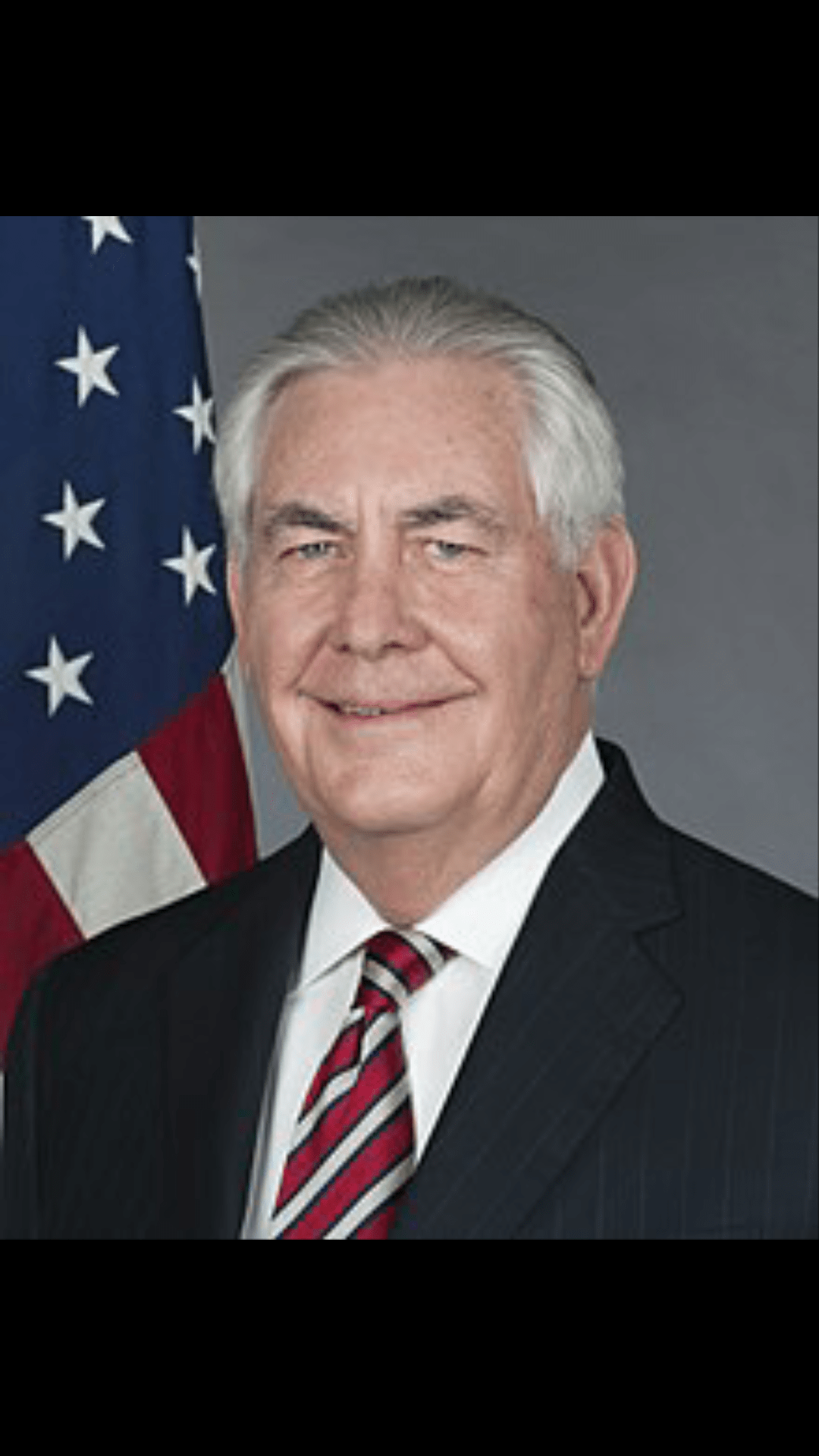
PUTIN OUT-SMARTED TRUMP – TILLERSON

Take a read here more.

https://www.usatoday.com/story/news/politics/2019/05/23/trump-calls-ex-secretary-state-tillerson-dumb-denies-putin-story/3766809002/

(Image credit: CNN)

ROADMAP FOR PUNTLAND DENI PRESIDENCY

Annual subscription

$37.00

By now the President should have in place a major reform package for the State’s suffocating and duplicating bureaucracy. By now the President must have shown his vision as to where he would take Puntland State. By now the President must have committed himself and his administration to a democratization process as the old clan POWER-SHARING arrangement had hit a dead-end and should be discontinued. By now the President should have inspired the people of Puntland for renewal of hope and revitalization of socio-economic life in this part of Somalia. By now the President should have cleared the confusion surrounding on how to move forward in terms of cooperation between Puntland and its international partners. By now the President should have studied the dubious P&O and DP WORLD Bosaso Port contract and clarified Puntland position on whether to revise the infamous contract or discard it all together.

Puntlanders had never seen or shown publicly this suspicious Bosaso Port Deal with the UAE ambitious and aggressive firm, the P&O. The President needs to hire a team of highly experienced business and civil contract lawyers to look into this contract with P&O. And by the way, has President Deni seen that contract? Nobody in Puntland did see that secret document, including the previous members of House of Representatives ( the Parliament), who corruptedly approved the deal.

We see only slow piecemeal steps and occasional visits to various departments in Garowe, but no meaningful announcements or significant undertakings on the part of Deni Administration until to-date. If there is something you know, please share it with us.
By tradition, Puntlanders are extremely patient to wait and give chance to any Puntland incoming administration, but they are anxious this time around to see bold steps and tangible results from President Deni.
Too much time spent on a learning curve indicates the President is not yet ready to govern and would waste the first year of his administration as the 100 days measured in sizing up the President without achieving any major item of his election platform.
Puntlanders’ eyes are on the President to deliver the goods and quickly.
And one final thing: leadership doesn’t operate in the dark. It is about openess or transparency and public guideness

SOMALI OIL FOR SALE

Read it in  here.

http://somalialicensinground.com

HISTORICALLY, SOMALIS MAKE GOOD POLICE AND MILITARY OFFICERS. ASK COLONIAL BRITAIN AND ITALY.

https://kstp.com/news/metro-transit-police-somali-american-officers/5363560/

Protected: EDITORIAL: THE WORLD IS INTERTWINED, INTER-CONNECTED AND INTER-DEPENDENT

This content is password-protected. To view it, please enter the password below.

GETTING TRUMP’S ELUSIVE TAX RETURNS IN BITS

Take a read.

PROGRESS IN SOMALIA

Interesting speech by UK Representative at UN Security Council

https://www.gov.uk/government/speeches/progress-towards-political-economic-and-security-reforms-in-somalia

RETURNEES DIASPORA KIDS AND SOMALI CULTURE

GAROWE, MAY 23, 2019

It is never easy for kids born overseas in exile with no Somali language skills, cultural experience or imagination of how operating in Somali setting look like as a result of parental failure in raising kids in a foreign environment or refuge camps in Western countries. Most diaspora parents, who themselves were not schooled before they found themselves there, and experiencing language barriers and deep cultural shock, suddenly became the students of their own kids, who pick up foreign languages quicker. Kids become interpreters and translators of the host foreign languages for their own parents. In other words, parental power, while in overseas, shifted to the kids. Parents, therefore, had lost parental influence over kids. Who is going to teach the kids about Somali culture and heritage in host countries then? Hence one often hears the Somali term “Dhaqan Celis” (cultural rehabilitation) in the country.

Diaspora parents seek help for their kids, and their only resort is to send kids back home. The problem back home is that there are no meaningful formal services to provide help in the rehabilitation of these youth to re-orient themselves into the Somali culture and ways of life.

What happens next is that, in the absence of specialized cultural help, kid are re-introduced to their extended family members to help cultivate these diaspora kids along their parents’ cultural heritage. The diaspora kids have no life connections with these people, and the names and extended families have no meaning at all to them. But, where to start to rehabilitate them? Of course, family trees (ancestry) comes first in mind, which means teaching these innocent youth about tribalism and clannism. What is making things even worse is that there are no social amenities or youth programs to get them engaged and make them busy. Double cultural shock and boredom set in in the lives of these young men and girls back home.

Once beaten, twice shy. Diaspora youth wouldn’t opt for another chance to re-visit Somalia, at least, in their early years.

Funny stories about the experience of these young returnees are abundant in Puntland. One such story tells about young female intern in one of the local NGOs, who was informed one morning that they were pleased let her know that she would receive “Mushaar” (salary). To that intern, the the local term Mushaar meant “Mooshaali” (Porridge or oatmeal). After a while, later in that morning, the young woman became impatient waiting for the porridge offerred and asked what had happened to the delivery of the food, to everybody’s laughter.

This story also vainly sheds light on the socio-economic frictions between the “Qorax Joog” (locals) and “Qurba Joog” (diaspora returnees). The locals believe that, with their super job skills, experience and education, the Qurba Joog have better job, political and business opportunities in the country than the Qorax Joog. Hence, a cold war is now slowly brewing, but still at its early stages of debating the issue in the social media and in public/private meetings. If the concerns are not carefully managed in advance, I am affraid of open public confrontations in the foreseeable future as it had happened between Liberian indigenous and diaspora returnees from USA in mid 19th Century.

RECOMMENDATION

ismailwarsame.blog proposes to Puntland/Somalia for setting up formal local NGO services in partnership with international organizations, under State supervision, to provide badly needed help to the Somali Diaspora youth returnees for “dhaqan celis” purposes. Those young men and girls mostly return from Norh America, Western Europe and Arab countries, who may extend help to any sound projects for such kids.

ismailwarsame.blog

(image credit: pewresearch.org)

IFTAR AT EYL PALACE HOTEL THIS EVENING

The New York Times: Trump Walks Out on Pelosi and Schumer After 3 Minutes

The New York Times: Trump Walks Out on Pelosi and Schumer After 3 Minutes.
https://www.nytimes.com/2019/05/22/us/politics/donald-trump-speech-pelosi-schumer.html

The New York Times: Trump Walks Out on Pelosi and Schumer After 3 Minutes

The New York Times: Trump Walks Out on Pelosi and Schumer After 3 Minutes.
https://www.nytimes.com/2019/05/22/us/politics/donald-trump-speech-pelosi-schumer.html

“DE-NAIROBIFICATION” BY ABUKAR ARMAN

https://ismailwarsame.blog/2019/05/22/de-nairobification-by-abukar-arman-2/

“DE-NAIROBIFICATION” BY ABUKAR ARMAN

https://ismailwarsame.blog/2019/05/22/de-nairobification-by-abukar-arman/

ILLEGAL FISHING

Check out @Badbaado_Qaran’s Tweet: https://twitter.com/Badbaado_Qaran/status/1131155201757515778?s=09

SOMALIA RESPONDS TO KENYA

A SAD STORY FROM HARGEISA

Take a read.

http://www.thenewhumanitarian.org/report/83909/somalia-aisha-i-am-addicted-khat-and-still-market

(Image credit: wikipedia)

“DE-NAIROBIFICATION” BY ABUKAR ARMAN

Take a read:

It is Crucial to “De-Nairobify” Somali Affairs

(Image credit: Africa Confidential)

COME ON VISA FIRST, KENYA IS NOT YOUR HOME

HARGEISA MISLEADING ITS KIDS WHILE MINDING MOGADISHU BUSINESS

Take a listen:

https://m.facebook.com/story.php?story_fbid=426845734760370&id=758308994297078&sfnsn=mo

Self-governance Options For Somaliland 

Personal Reflections

(Originally posted by WardheerNews.com)

For the sake of this argument, let us put aside any emotions regarding who is a “Somalilander”, the demographic composition or geographical boundaries of Somaliland. Let us assume that “Somaliland” is the Former British Somaliland Protectorate, which had declared unilateral secession from the Somali Republic following the Civil War and seeking international recognition as a new sovereign state in the Horn of Africa. For the moment, we are not getting ourselves into the controversies of who is for and against the secession and disappearance of colonial demarcation lines after union of July 1st. 1960.

I believe that all would agree that the bottom-line for the objective of the secession is self-government for the inhabitants of that part of Somalia. If that is the case, are there any other better options to achieve the same while remaining within Somalia, but at the same time avoiding the enormous complications of unilateral attempt to break away without a national referendum, a legal separation and negotiated agreement between Somali parties?
As South-Central Somalia was in chaos and had no creditable representatives to talk to, in the course of our debates on Bottom-up Approaches ( https://ismailwarsame.blog/wp-content/uploads/2021/06/2008_somp_pdrc_interpeace_a_bottom_up_approach_to_peace_and_statebuilding_en.pdf) to restore Somalia’s State and embark upon reconstruction plans, leaders of Puntland State of Somalia approached their Somaliland counterparts in the late 1990s on working out ways, conditions and terms for a fair, united and prosperous Somalia. Multiple letters and envoys had been exchanged between the Late Leaders of Somaliland and Puntland: Mohamed Ibrahim Egal and Abdillahi Yusuf Ahmed. This was done discreetly and diplomatically through mutually trusted envoys who shuttled between Garowe and Hargeisa.
To spearhead and champion for a federal system of government in Somalia, Puntland State proposed to Late President Mohamed Ibrahim Egal to agree to the creation of a rotating Common Presidency between Puntland and Somaliland in which Egal assumes the leadership of the first term. Under this arrangement, each state was to retain its local public institutions in a federal fashion while mutually benefiting from all advantages each had to offer in the way of economic, political and security cooperation. A Puntland Plan (B) in that initiative was to remind President Egal that legally and technically he was the last Somali Prime Minister overthrown illegally and he had every right constitutionally to reclaim Somalia’s leadership. While maintaining Somaliland as the first federal state, he could move on to be a central leader in a Federal Republic. Puntland offered him its full support if he was to choose the second option.
In the course of these diplomatic exchanges, there were two obstacles President Egal could not handle despite his known political shrewdness:
For Puntland State of Somalia, the issue of Sool, Sanaag and Cayn was easy to resolve, i.e. holding an internationally observed referendum for the residents in those three regions to decide their own fate and respect the final outcome. Moreover, if the two states were to integrate into a federal system the political tension surrounding these regions would have disappeared immediately for all parties to benefit, particularly inhabitants of these regions, who suffered such much under these political claims and counter-claims.
These negotiations finally collapsed with Egal holding a Somaliland “Constitutional Referendum” in May 31, 2001 with little or no say by the inhabitants of Sool, Sanaag and Cayn as they massively boycotted it. Deceptively, there was a last minute insertion in the questionnaire of that orchestrated referendum regarding Sool, Sanaag and Cayn approval of it as “considered” their acceptance of the “Somaliland” rule. This is a historical mistake that will haunt Hargeisa political leaders for years to come and make any “Gooni-Usu-Taag” impossible.
Missed opportunities are in abundance in Somali politics as the new Somali President, H.E. Hassan Sheikh Mohamud, himself an unknown quantity and untested, suffered one this weekend by producing a new prime minister out of the blue consistent with the same fashion himself came to the Presidency. The Somali saying, Buur baa wax badan docotay, deedna dhashay jiir (a mountain has been painfully laboring for a long time and finally gave birth to a rat) is quite appropriate in this context. While I do not harbor any bias whatsoever against the appointment of the new Prime Minister, this selection does not sound the right choice to unite a country already in de facto decentralization bordering on a dangerous fragmentation. It is also an ominous sign for the federal political arrangement agreed upon and enshrined in the Provisional Constitution (See https://ismailwarsame.blog/2019/06/25/public-trust-deficit-in-somalia-2/. Let us hope for those missed opportunities to present themselves again for leaders to seize in the best interests of their people and Somalia.

By Ismail Haji Warsame,
Mail: ismailwarsame@gmail.com

The author is the former Puntland Presidency Chief of Staff and long-time participant of most Somali National Reconciliation Process since 1995. He lives in Toronto, Canada.
___________________

A SMOKELESS SOCIETY

Garowe, May 22, 2019

Of all the human vices and errors I had in life: women, drinking, etc, and despite hailing from respected religious family, and on the top of my other personal weaknesses, the one sticking habit is occasional smoking cigarettes. Luckily, I am finding myself an odd man in a non-smoking society. That is how things have been changing in Somalia during past two decades. Kicking off the habit is one positive trends that has been taking root in war-torn Somalia.

Anyone lighting up in public places in Puntland nowadays would draw staring and startling look and/or contempt among those around and nearby. I wasn’t on my guard, when last night after breaking fasting in a friend’s home, went to Grand Hotel here in Garowe City, and lighted up one. I was myself alone sitting at table enjoying my cappuccino. Suddenly I saw startled faces and staring eyes around me. Momentarily, it became decision time for me to continue puffing my piece to the end or throw it immediately. While that thought trend was painfully in process in my mind, a hotel waiter came up to me to say that a bunch of customers dinning over there were requesting me to quit smoking here. I found that a bit embarrassing as an adult being told not to misbehave in public. I am learning some of my moral lessons late in life, sorry to say. I guess it is never too late to learn and grow. If others could do, I am sure everyone can also do .

Despite my bitter experience and embarrassment at Grand Hotel incident yesterday, I had felt pleasant sensation that war-torn Somalia is recovering fast as indicated by the fact that almost all smokers had quit the harmful habit here. People here are hopeful of a brighter future.

It is also gratifying to me that Somali youth are picking up neither the habit of cigarette smoking nor Chaat chewing. That is as wonderful as it is a highly positive trend in Somali society today.

A pack of cigarettes costs only one US dollar here compared to 15 in Canada, as an example. So, it is not about price that acts as a deterent in Somalia.

Smokers of the World unite to quit smoking.

Ebony Insanity

https://rdrevilo.com/2019/05/21/ebony-insanity/

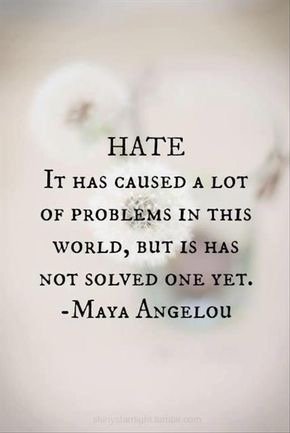
HATE

WHOSE OFFICIAL CAR IS IT? WATCH!

DIPLOMATIC TIES

State will not negotiate with Cuban doctors’ abductors – CS Juma

In Summary

•Abducting medical personnel is disrespectful and does not happen anyway, not even in a situation of war.

•The CS said that it is difficult to travel to any country without a visa.

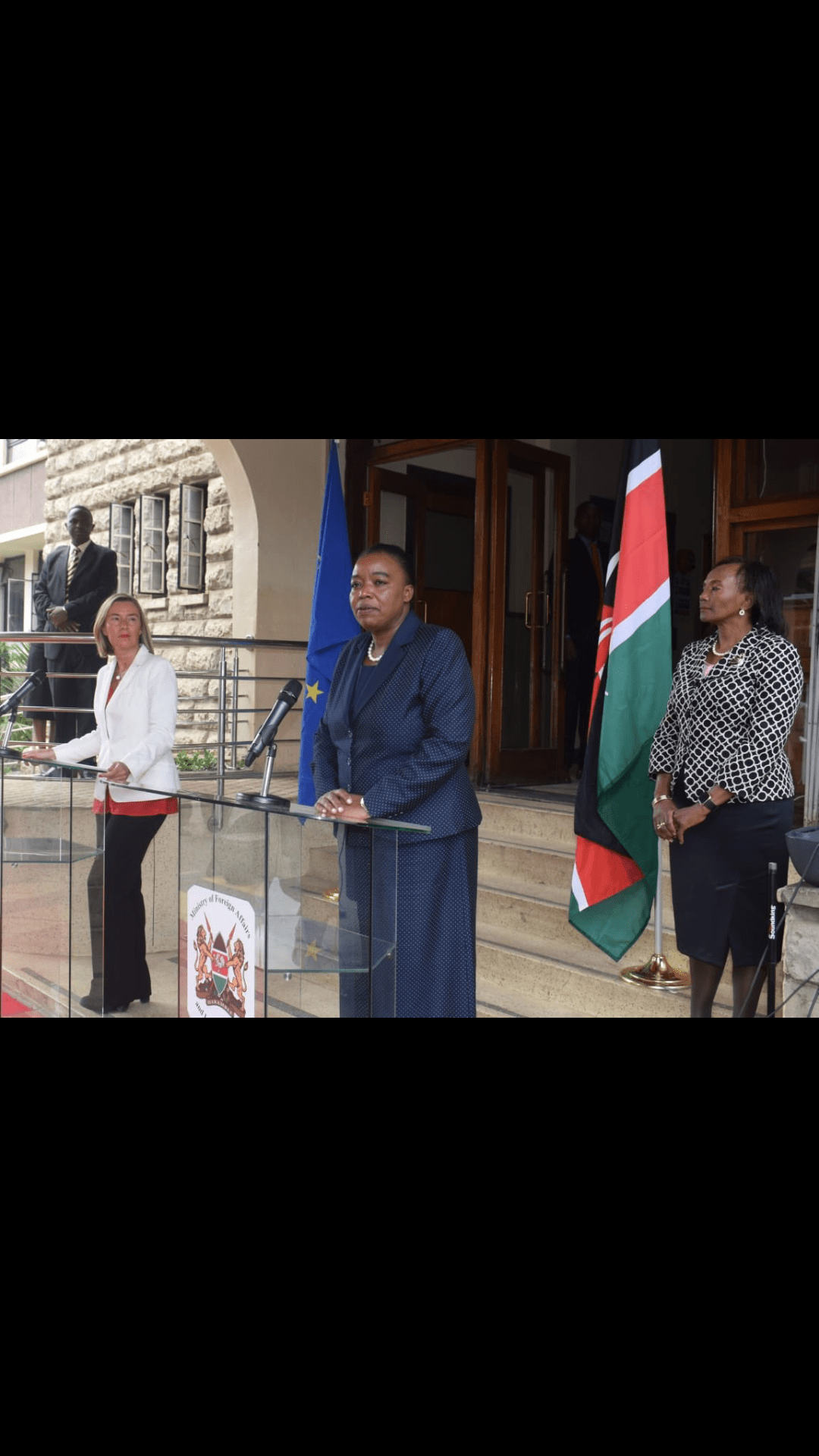
Foreign Affairs CS Amb. Monica Juma with Frederica Mogherini, EU High Representative for Foreign Affairs and Security Policy and Vice President of the Commission during a press conference on May 21, 2019.
Image: COURTESY

The Ministry of Foreign Affairs has ruled out the possibility of negotiating the payment of a ransom for the release of the two abducted Cuban doctors.

“We do not negotiate ransom as a matter of government policy,” Foreign Affairs CS Monica Juma said.

She spoke on Tuesday after meeting the EU High Representative for Foreign Affairs and Security Policy Frederica Mogherini.

Last week, it was reported that the abductors had demanded Sh150 million ransom for the release of the doctors.

The two Cuban doctors have been missing since April 12, after suspected al Shaabab militia ambushed them while on their way to Mandera County Referral Hospital.

Meanwhile, Juma said she is not aware of any Somalia officials being denied entry into the country.

This was in response to the JKIA scenario on Monday when three officials carrying Somali diplomatic passports were denied entry for lack of visas.

“All of us travel with visas. If you do not have a visa it will be very difficult to enter into a country. But I will be very surprised if anybody was turned away with a visa,” Juma said.

The three Somali officials were part of the representatives of Somalia government delegation who were to attend a European Union sponsored cross-boarder conflict management programme.

By https://www.the-star.co.ke/news/2019-05-21-state-will-not-negotiate-with-cuban-doctors-abductors-cs-juma/

A BOOK REVIEW


Setting the record straight.

The Cost of Dictatorship: A Book Review

SUSAN, ABWAAN NIMCO

Suugaan Xiisaleh. Gabarta (Gabadha) Maanta. Dhageysi wacan

EDITORIAL: SOMALI-KENYAN RELATIONSHIPS

Garowe, May 21, 2019

Diplomatic relations between states are reciprocal. Those relationships could be passive and cold. They could be warm and cordial. They could be friendly and brotherly. They could be strained, contraversial and frictious as they are happening now between Somalia and Kenya.

These relationships are based on mutual interests for the good of respective citizens. Sometimes, the leaders of one party may happen to be short-sighted and take unilateral hostile actions as Kenyans are doing now on the basis of emotions, leaders’ echo and wrong perceptions on the work and motives of other party. The other is compelled to retaliate promptly and make things even worse.

We would therefore advise the leaders of the Federal Government of Somalia to exercise restraints and weigh reciprocal retaliation in the interests of Somali people, refugees in Kenya, large Somali expatriates and business community in Kenya, Kenya’s AMISOM participation, employees of Kenyan origin in Somalia.

In our opinion, breaking diplomatic relations with Kenya is not advisable at this stage yet. There would be reciprocal retaliation, though, equal to the actions Kenyan Authorities have taken against Somalia’s interests, “nothing more and nothing less”

In the meantime, the Somali Government, Somali international partners and diplomatic community accredited to Somalia must plan alternative business and diplomatic hubs now. Uganda, Ethiopia and Djibouti are possible venues to do business with the IC, whenever it is necessary to do so out of Somalia, but preferably conduct nation’s business inside Somalia.

ismailwarsame.blog

Warsame Policy & Media Network (WAPMEN)

Critical analysis, news and commentaries

NYT > Top Stories

Critical analysis, news and commentaries

indepthafrica.com/

Just another WordPress.com site

NewsFeed

Breaking news and updates from Time.com. News pictures, video, Twitter trends.

Ismail Warsame Blogspot

Critical analysis, news and commentaries

Warsame Policy & Media Network (WAPMEN)

Critical analysis, news and commentaries

NYT > Top Stories

Critical analysis, news and commentaries

indepthafrica.com/

Just another WordPress.com site

NewsFeed

Breaking news and updates from Time.com. News pictures, video, Twitter trends.

Ismail Warsame Blogspot

Critical analysis, news and commentaries